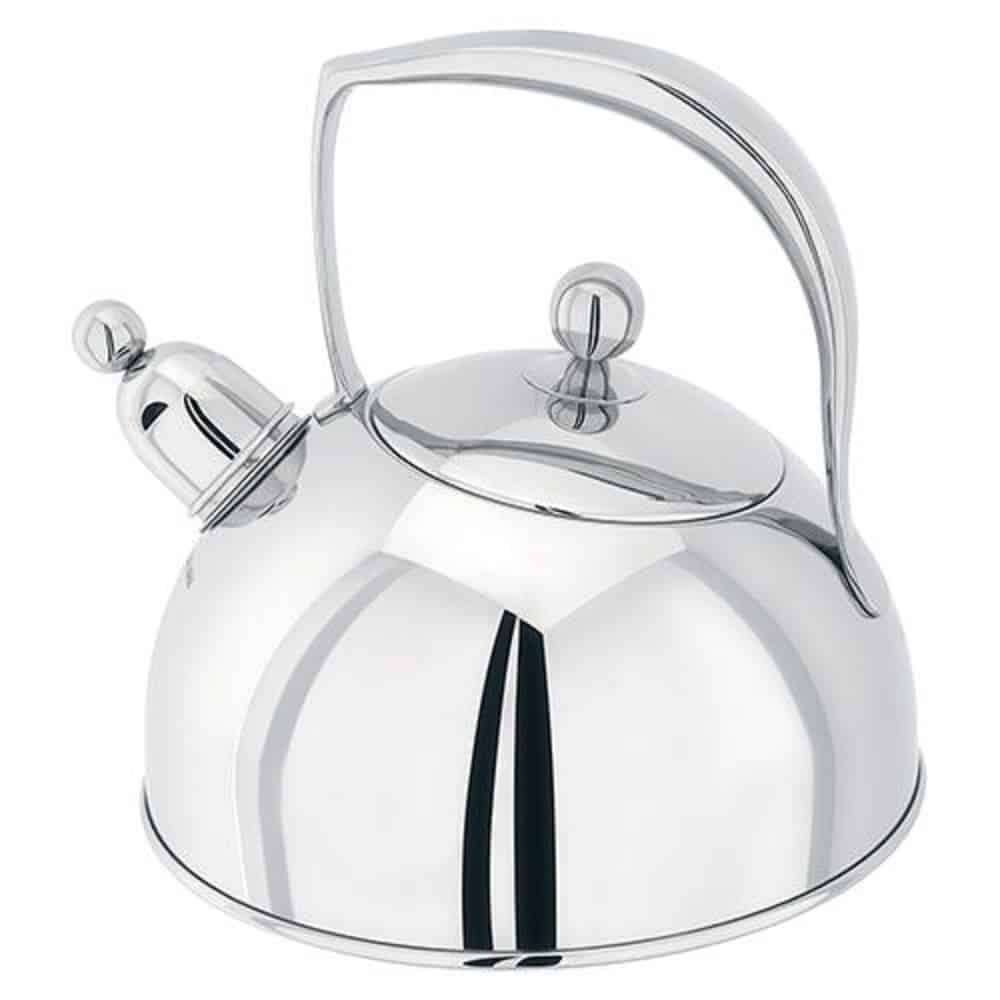
How To Use A Kettle On The Stove: Safe And Easy Guide
Introduction
To use a stovetop kettle, fill it with cold water, place it on a matching burner, heat it until the water boils, then turn off the burner and pour with care. Use a kettle made for stovetop cooking. Do not place an electric kettle on a burner.
This guide applies to common U.S. gas, electric, and induction stoves. It covers the basic method, water levels, boiling times, safety tips, cleaning, and common problems.

What You Need Before You Start
You need only three things:
- A stovetop-safe kettle
- Cold drinking water
- A working stove
Check the kettle before you use it. Look for a flat base, a heat-safe handle, and a lid that fits well. If the kettle has a whistle, make sure the whistle cap can open and close freely.
A kettle with a metal base usually works on a gas or electric coil stove. An induction stove needs a kettle with a magnetic base. You can test this with a small magnet. If the magnet sticks firmly to the base, the kettle will usually work on induction.
Do not use a plastic electric kettle on the stove. Electric kettles have electrical parts and are made to sit on their own power base.

How to Use a Kettle on the Stove
Follow these steps for a safe and even boil.
1. Remove the lid
Take off the lid before filling the kettle. This helps you see the water level and prevents overfilling.
2. Add the right amount of water
Pour in only the amount of water you need. Stay below the kettle’s maximum fill line. If the kettle has no line, leave space below the spout and lid opening.
For one 8-ounce cup of tea or coffee, start with about 8 to 10 fluid ounces of water. A little extra allows for steam loss and helps prevent a dry boil.
Do not fill the kettle to the top. Boiling water expands slightly, and steam needs room to escape.
3. Replace the lid
Set the lid firmly in place. A secure lid helps the water heat faster and reduces steam loss.
If your kettle has a whistle, check that the whistle opening is in the correct position. Some whistles need to be open while the water heats and closed only when you want the sound.
4. Place the kettle on the burner
Set the kettle in the center of a burner that matches the size of its base.
- On a gas stove, keep the flame under the base. Flames should not rise around the sides.
- On an electric coil stove, center the kettle on the coil.
- On a smooth-top electric stove, place it on the marked cooking zone.
- On an induction stove, use a compatible kettle and cooking zone.
A burner that is too large can heat the handle and sides. A burner that is too small may take longer and heat the kettle unevenly.
5. Turn the heat to high
Use high heat to bring the water to a boil. Keep the handle turned away from the front edge of the stove. On a gas range, adjust the flame so it stays under the kettle base.
Do not leave the kitchen while the kettle heats. Water can boil over, and an empty kettle can become dangerously hot.
6. Watch and listen for boiling
The water is ready when you see strong bubbles rising throughout the kettle. If the kettle has a whistle, the whistle may sound when the water reaches a full boil.
A few small bubbles around the bottom do not always mean the water is fully boiling. For most hot drinks, you can stop when the water reaches a rolling boil or when the whistle sounds.
7. Turn off the burner
Turn off the burner before lifting the kettle. If you use a gas stove, make sure the flame is fully out.
Let the kettle sit for a few seconds if steam is escaping around the lid. This gives the steam a chance to settle.
8. Lift and pour slowly
Grip the handle firmly. Use a dry oven mitt or pot holder if the handle may be hot. Keep your face, hands, and arms away from the steam.
Pour slowly and keep the spout pointed away from you. Do not lift the lid while the kettle is hot unless you must. Hot steam can burn skin quickly.

How Much Water Should You Put in a Kettle?
Use enough water for the drinks you plan to make, plus a small amount for steam loss. Do not heat a full kettle when you need only one cup.
| Use | Approximate water amount |
|---|---|
| One mug | 8–12 fluid ounces |
| Two mugs | 16–24 fluid ounces |
| French press | Follow the press size |
| Cooking or blanching | Use the amount required by the recipe |
The exact amount depends on your cup size and recipe. A standard U.S. measuring cup holds 8 fluid ounces, but many mugs hold 10 to 16 fluid ounces.
Too little water can expose the kettle base and cause overheating. Too much water can spill through the spout or lid when the water boils.
If the kettle starts to boil dry, turn off the burner at once. Do not touch the kettle until it has cooled. A dry kettle can damage its base, lid, handle, or whistle.
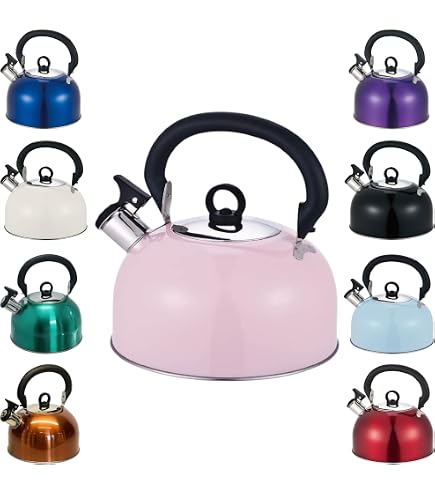
How Long Does a Stovetop Kettle Take to Boil?
A stovetop kettle often takes about 5 to 10 minutes to boil a small amount of water. The time varies with the water volume, stove type, kettle material, room temperature, and altitude.
A full kettle takes longer than a single-cup amount. A wide metal base often transfers heat well, while a thick or heavily insulated kettle may heat more slowly.
At higher elevations, water boils at a lower temperature because air pressure is lower. This means the kettle may whistle or bubble before the water reaches the same temperature seen at sea level. For most drinks, this difference is not a problem.
Use the sound, steam, and visible bubbles as practical signs. Do not rely on an exact time unless you have tested that kettle and burner together.

How to Use a Kettle on Different Stoves
Gas stove
Center the kettle over the burner. Keep the flame under the base, not around the sides. A flame that climbs the sides can heat the handle and create a burn risk.
A gas stove gives you quick control. Lower the flame once the water begins to boil if you need to hold the water hot for a short time.
Electric coil stove
Place the kettle on the center of the coil. The coil may stay hot after you turn it off, so move the kettle to a cool burner or heat-safe surface if you want to stop heating at once.
Do not drag a heavy kettle across a glass or ceramic cooktop. Lifting it helps reduce the chance of scratches or damage.
Smooth-top electric stove
Use the correct cooking zone. Keep the kettle base clean and dry. Grit or debris under the base can scratch the cooktop.
Lift the kettle instead of sliding it. The surface may remain hot after the burner light turns off.
Induction stove
Use a kettle with a magnetic base. Induction stoves heat the cookware through a magnetic field, so aluminum, copper, glass, and some stainless steel kettles may not work unless they have a magnetic layer.
Place the kettle in the center of the induction zone. The stove may shut off if it does not detect compatible cookware.

Stovetop Kettle Safety Rules
Hot water and steam can cause serious burns. Use these habits every time:
- Keep the kettle handle away from the edge of the stove.
- Keep children and pets away from the stove while the kettle heats.
- Use a dry oven mitt or pot holder.
- Never touch the metal lid, spout, or body with bare hands while hot.
- Do not point the spout toward your face or another person.
- Do not leave a heating kettle unattended.
- Do not boil the kettle without water.
- Do not fill above the maximum line.
- Do not place an electric kettle on a burner.
- Do not pour hot water into a cold glass or thin container that may crack from thermal shock.
- Keep the stove area free of towels, paper, and other items that can catch fire.
The U.S. Consumer Product Safety Commission warns consumers to use care around hot liquids and cooking appliances. General fire-safety guidance from the National Fire Protection Association also supports staying in the kitchen while cooking and keeping flammable items away from heat.
If a kettle catches fire, turn off the heat if you can do so safely. Do not carry a burning kettle. Leave the area and call 911 if the fire does not stop at once.

What to Do if the Kettle Does Not Work Properly
The kettle does not whistle
Possible causes include a loose lid, a blocked whistle opening, too little water, or a damaged whistle cap.
Turn off the burner. Let the kettle cool, then check the lid and whistle opening. Clean away mineral deposits. Do not try to open or repair a hot whistle.
Some kettles do not whistle loudly. Watch for a full boil instead.
The water takes too long to boil
Check the simplest causes first:
- Make sure the burner is on high.
- Center the kettle on the burner.
- Use less water.
- Check whether the lid fits.
- Confirm that the kettle works with your stove type.
- Check that an induction stove detects the kettle.
A kettle with a warped or dirty base may heat poorly. A weak electric coil or induction zone may also need service.
Water spills from the spout
The kettle may be overfilled. Turn off the heat and let it cool. Pour out some water before using it again.
A blocked spout can also cause splashing. Clean the spout only after the kettle is cool.
The handle becomes very hot
The burner may be too large, or the flame may be rising around the sides. Turn off the heat and let the kettle cool. Next time, use a smaller burner or lower the flame.
Do not use the kettle if the handle is loose, cracked, melted, or too hot to hold safely.
The kettle smells or smokes
Turn off the burner immediately. A new kettle may have a temporary manufacturing smell, but smoke, melting, or a strong plastic odor is not normal during regular use.
Let the kettle cool outdoors or in a well-ventilated area if safe to do so. Check the care instructions from the manufacturer. Replace the kettle if its handle, coating, seal, or base has melted or changed shape.

How to Clean and Maintain a Stovetop Kettle
Clean the kettle after it cools. Rinse out leftover water and wipe the outside with a soft cloth.
Mineral buildup is common in hard-water areas. It can appear as white, gray, or chalky flakes inside the kettle. Buildup may slow heating and affect the taste of water.
For many stainless steel kettles, you can descale the inside with a mixture of equal parts white vinegar and water:
- Add enough mixture to cover the mineral buildup.
- Heat it until it is hot, but do not let it boil over.
- Turn off the burner and let it sit according to the kettle maker’s instructions.
- Pour it out.
- Rinse the kettle several times with clean water.
- Boil and discard one batch of plain water before making a drink.
Use the manufacturer’s instructions first. Some finishes, coatings, seals, and materials may not tolerate vinegar. Never mix vinegar with bleach or other cleaning chemicals.
Do not put a stovetop kettle in the dishwasher unless the manufacturer says it is dishwasher-safe. Keep the base dry, and store the kettle with the lid slightly open if the manufacturer allows it.

Common Mistakes to Avoid
The most common mistakes are simple but can damage the kettle or cause burns:
- Using an electric kettle on a burner: An electric kettle belongs on its power base.
- Overfilling: Boiling water can escape through the spout or lid.
- Underfilling: The kettle can boil dry.
- Using high heat with a large flame: Flames may heat the handle.
- Grabbing the lid: The lid may be much hotter than the handle.
- Pouring too fast: Hot water can splash or spill.
- Leaving water in the kettle for days: Old water can affect taste and encourage mineral buildup.
- Ignoring damage: A loose handle, cracked lid, or warped base makes pouring less safe.
- Sliding the kettle on glass: This may scratch a smooth cooktop.
- Assuming every metal kettle works on induction: Induction requires a magnetic base.

Frequently Asked Questions
Can you boil water in any kettle on the stove?
No. Use only a kettle labeled or documented as stovetop-safe. Electric kettles are not designed for direct burner heat.
Is it better to use cold or hot tap water?
Use cold drinking water and heat it in the kettle. Hot tap water can pick up more metals from household plumbing. For drinking water concerns, follow guidance from your local water utility or the U.S. Environmental Protection Agency.
Should you leave the lid on while boiling?
Yes, if the lid fits correctly and the kettle is designed for use with the lid on. The lid helps retain heat. Keep the whistle opening clear.
Can you reboil water in a stovetop kettle?
Yes, but fresh water usually tastes better. Empty the kettle and refill it if the water has sat for a long time or has an unusual taste or odor.
Can a stovetop kettle be used on an induction stove?
Only if the kettle has a compatible magnetic base. Test the base with a magnet or check the product instructions.
Conclusion
Using a stovetop kettle is simple: add the right amount of water, close the lid, center the kettle on a suitable burner, heat until it boils, then turn off the stove and pour slowly.
The key safety habits are to avoid overfilling, prevent a dry boil, protect your hands from steam, and use the correct kettle for your stove. If the kettle is damaged or produces smoke, stop using it and replace it.
For your next use, fill the kettle with only the water you need and keep the handle turned away from the edge of the stove.

Liora Pennings is a seasoned chef and kitchen enthusiast with a passion for turning everyday cooking into an effortless experience. With years of hands-on culinary expertise, she specializes in practical techniques, ingredient know-how, and smart kitchen solutions that help home cooks elevate their meals. At KitchFlair.com, Liora shares her best tips, time-saving tricks, and honest product reviews to guide readers toward a more efficient, enjoyable, and inspired cooking routine. Whether you’re a beginner or a seasoned home chef, Liora’s friendly, knowledge-packed insights make every visit to the kitchen a little easier—and a lot more delicious.