How To Heat Water In A Tea Kettle: Easy Step-By-Step Guide
To heat water in a tea kettle, fill the kettle with fresh water, close the lid, place it on its heat source or base, and turn it on. Stop when the water reaches the temperature you need. For most black tea and herbal tea, bring the water to a full boil. For green, white, and some oolong teas, use cooler water to avoid a bitter taste.
In the United States, you can use either an electric kettle or a stovetop kettle. Both work well, but an electric kettle usually gives you better temperature control, while a stovetop kettle can be used on a gas, electric, or induction range if the kettle supports that surface.

What You Need Before You Start
You need a tea kettle, fresh drinking water, and a safe heat source. If you use an electric kettle, you also need a dry electrical outlet and a stable counter near the outlet.
Check the kettle before heating water:
- Make sure the kettle is clean.
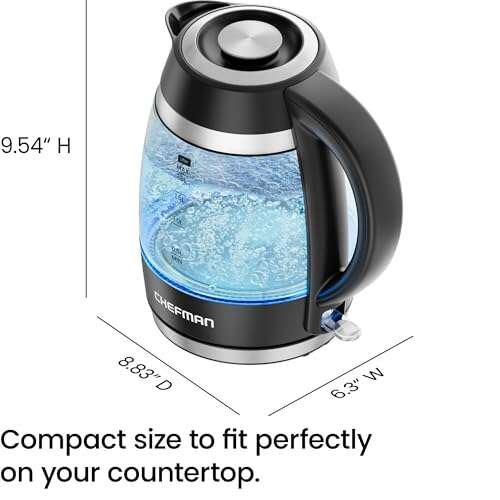
- Check the minimum and maximum fill marks.
- Confirm that the lid closes fully.
- Make sure the electric kettle sits on its power base correctly.
- Check that a stovetop kettle is safe for your type of range.
- Keep a heat-safe mug, tea, or infuser nearby.
Use fresh, cold tap water or filtered water. Water that has been sitting in the kettle for many hours may taste flat. If your tap water has an unusual odor, color, or taste, use a trusted water source instead.
A kettle heats water. It does not remove lead, chemicals, salt, or other unwanted substances. If your local water authority issues a drinking-water advisory, follow that guidance. The CDC explains how to respond to boil-water advisories.

How to Heat Water in an Electric Tea Kettle
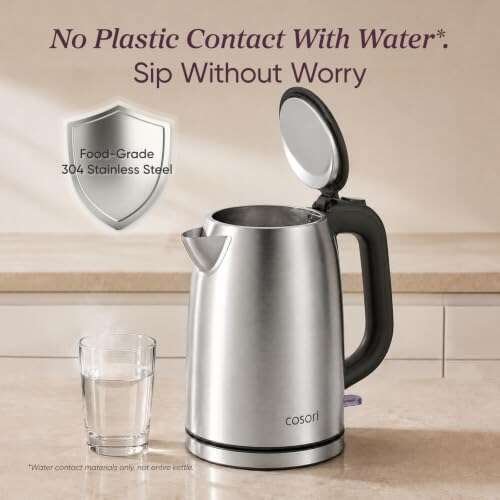
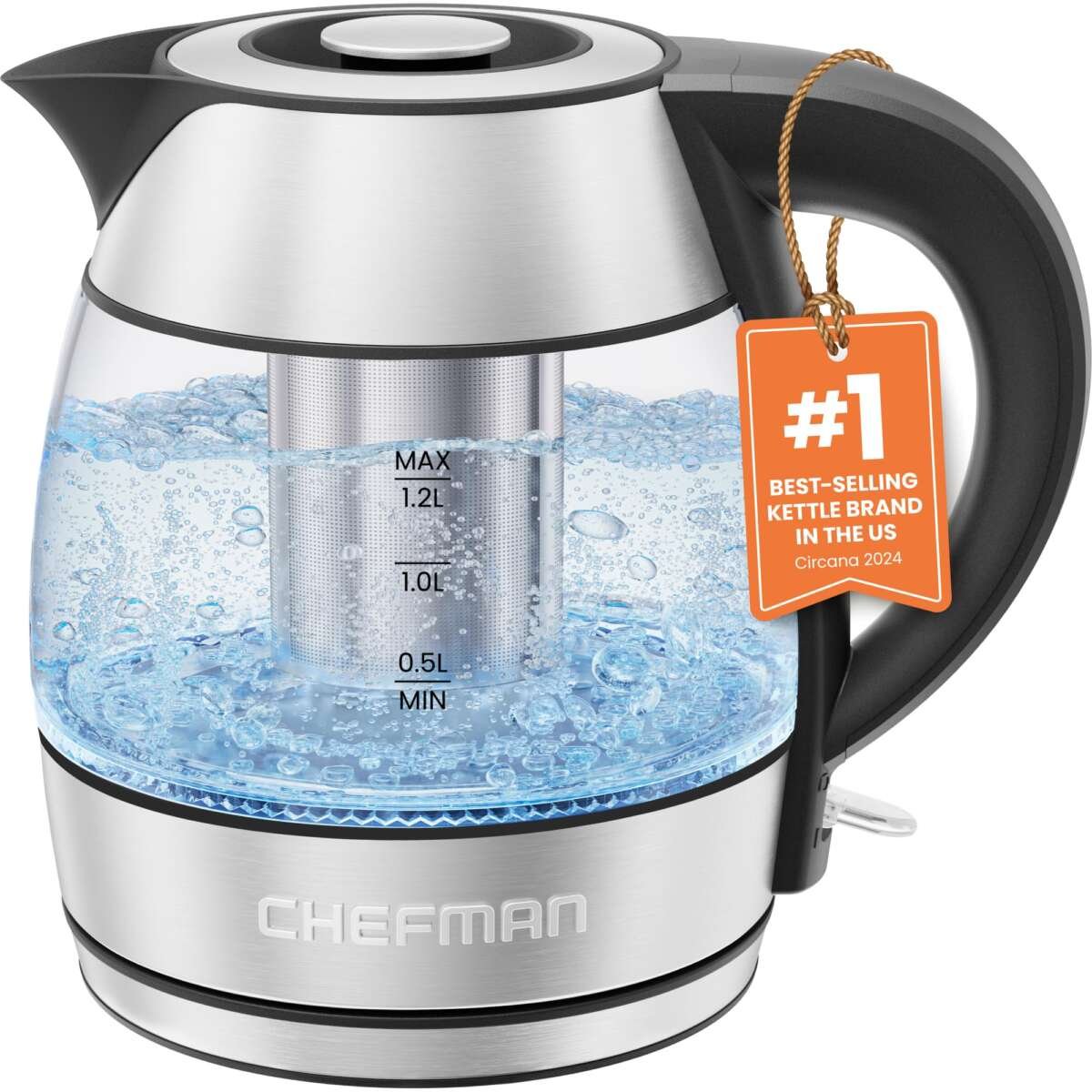
An electric kettle is the simplest option because a built-in heating element warms the water inside the kettle. Many models shut off when the water boils, and some let you select a target temperature.
Follow these steps:
- Remove the kettle from its base. This prevents accidental activation while you fill it.
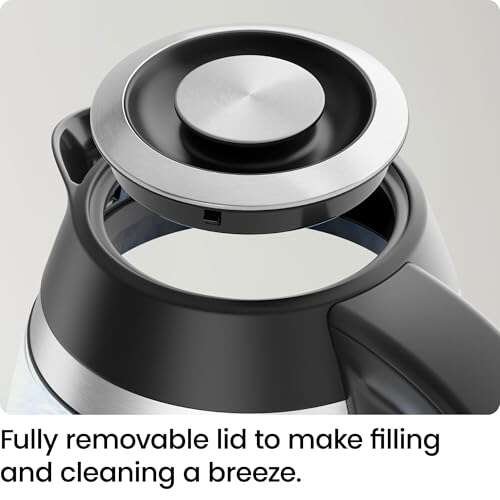
- Open the lid. Add enough fresh water for your tea, but stay between the minimum and maximum fill lines.
- Close the lid completely. A loose lid can allow steam to escape and may affect the kettle’s shutoff function.
- Place the kettle on its base. Keep the base and the bottom of the kettle dry.
- Plug in the kettle and turn it on. Use the temperature setting if your model has one.
- Wait for the kettle to finish. Do not open the lid while the water is heating.
- Let the water rest briefly if needed. Water cools quickly after heating, so pour it soon after it reaches the target temperature.
- Unplug the kettle if the manual recommends it. Some kettles can remain on their base, but unplugging removes standby power and is a cautious habit.
A kettle that shuts off by itself has likely reached its programmed temperature. If the kettle continues heating, turn it off when the water reaches a full boil or your chosen temperature.
Do not fill an electric kettle above its maximum line. Boiling water can rise and spill through the spout or lid. Do not turn on an empty kettle unless the manufacturer specifically allows that function.

How to Heat Water in a Stovetop Tea Kettle
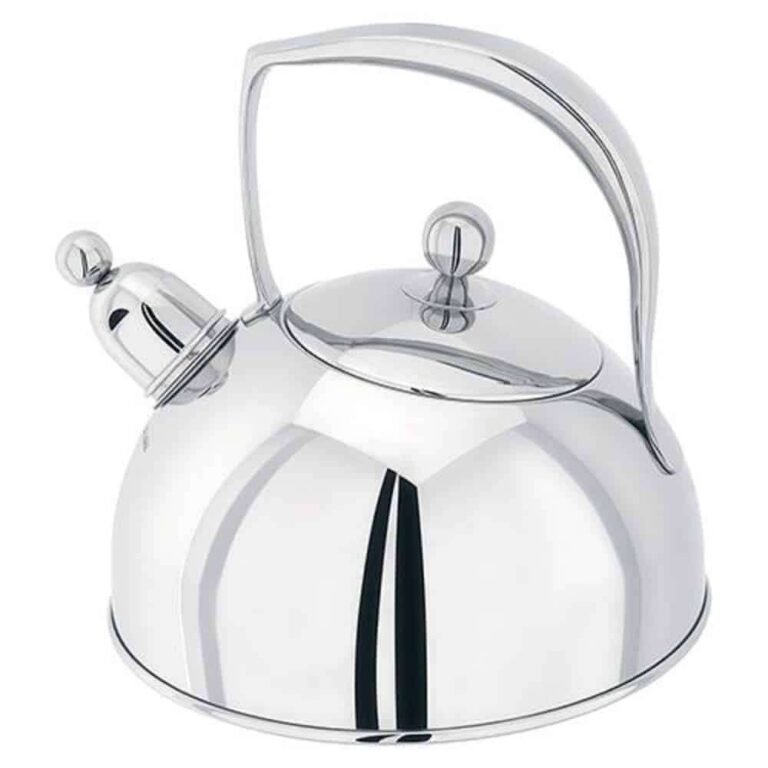
A stovetop kettle uses heat from a burner. It may whistle when the water boils, but not every model has a whistle. Watch and listen for signs of boiling rather than relying only on the sound.
- Fill the kettle with fresh water. Stay below the maximum fill line or leave enough space for the water to move as it boils.
- Close the lid and place the kettle on the burner. Center it over the burner so the heat reaches the base evenly.
- Turn the burner to medium or medium-high heat. Very high heat may waste energy and can damage some kettle handles or finishes.
- Keep the handle away from the edge. This reduces the chance of bumping the kettle or catching the handle on clothing.
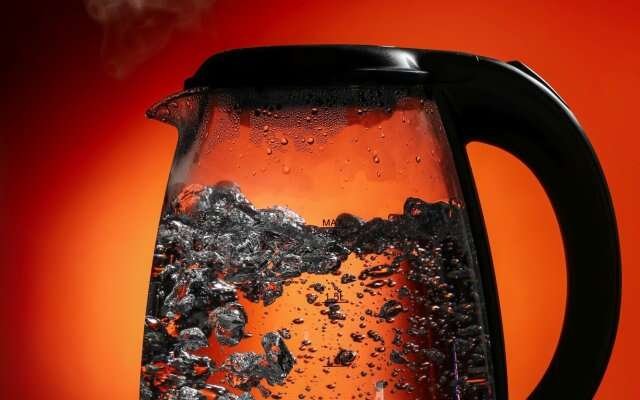
- Watch for steam, bubbles, or a whistle. A full boil has large bubbles rising throughout the water.
- Turn off the burner. Use an oven mitt or dry pot holder if the handle is hot.
- Pour carefully. Hold the handle firmly and keep your face and hands away from the steam.
Do not leave a stovetop kettle unattended. If the kettle boils dry, the metal can become extremely hot, the handle may be damaged, and the kettle or cooktop may be harmed.
On an induction range, use only a kettle labeled as induction-compatible or one with a magnetic base. A standard aluminum or copper kettle may not heat on induction unless it has a compatible bottom.

What Temperature Should Water Reach for Tea?
The best water temperature depends on the type of tea. The ranges below are common starting points, not strict rules. Tea brands and personal taste vary.
| Tea type | Starting temperature | Approximate method |
|---|---|---|
| White tea | 160–185°F | Use a temperature-controlled kettle or cool boiled water |
| Green tea | 160–180°F | Avoid pouring fully boiling water over delicate leaves |
| Oolong tea | 180–200°F | Use hot water, with the exact temperature based on the tea |
| Black tea | 195–212°F | Near-boiling or boiling water is common |
| Herbal tea | 200–212°F | Boiling water is often used |
| Instant drinks | Follow the package directions | The required temperature can differ |
If your kettle does not have temperature controls, bring the water to a boil and let it cool for a few minutes before making green or white tea. This is only an estimate because the cooling time depends on the amount of water, the kettle material, the room temperature, and the cup.
For a stronger cup, adjust the steeping time or amount of tea before raising the water temperature. Water that is too hot can make some green and white teas taste harsh or bitter.

How Long Does a Tea Kettle Take to Heat Water?
Most kettles heat a small amount of water in a few minutes, but the exact time depends on the water volume, starting temperature, kettle power, and room conditions.
A useful energy estimate is:
[
\text{Energy} = \text{mass of water} \times \text{specific heat} \times \text{temperature increase}
]
In practical terms, heating more water takes more time. Starting with cold water also takes longer than starting with room-temperature water.
For example, heating 2 cups of water requires less time than heating a full 1.7-liter electric kettle. If you need one mug of tea, heat only the amount you plan to use. This can reduce waiting time and avoid wasting energy.
Do not judge readiness by time alone. The kettle’s shutoff, temperature display, visible steam, or boiling bubbles provide better signs than a fixed number of minutes.

How to Tell When the Water Is Ready
The water is ready when it reaches the temperature needed for your drink.
For boiling water, look for:
- Large bubbles rising across the kettle
- Strong steam from the spout or lid
- A whistle from a stovetop kettle
- An automatic shutoff on many electric kettles
- A temperature display showing the selected setting
Small bubbles around the bottom do not always mean the water has reached a full boil. They may appear while the water is still heating.
If you need a precise temperature, use a kettle with a temperature setting or check the water with a food-safe thermometer. Take care when opening the lid because steam can burn skin quickly.

Does Water Boil at the Same Temperature Everywhere?
No. Water boils at a lower temperature at higher elevations because air pressure is lower. At sea level, water boils at about 212°F, or 100°C. The boiling temperature falls as elevation increases.
This difference usually does not prevent you from making tea. It may change how quickly the water boils and how hot the water is when a stovetop kettle whistles. If you are boiling water to make it safer during a water advisory, follow instructions from your local health department or the CDC rather than relying on the kettle’s whistle alone.
A kettle also cannot make contaminated water safe if it does not bring the water to the required temperature for the required time. Boiling does not remove every chemical contaminant.

Common Problems and What to Do
The kettle does not turn on
For an electric kettle, check that:
- The power cord is connected.
- The outlet works.
- The kettle is seated correctly on its base.
- The lid is closed if the model requires a closed lid.
- The kettle contains enough water.
- The overheat protection has not activated.
Unplug the kettle before inspecting it. Do not use it if the cord, plug, base, or housing is cracked, melted, or damaged.
The electric kettle shuts off too soon
The kettle may have detected low water, overheating, or a poor connection with the base. Let it cool, check the water level, and reseat it on the base.
Mineral scale can also affect some kettles. Follow the manufacturer’s cleaning instructions. Many models can be cleaned with a diluted descaling solution, but the manual should take priority.
The kettle does not shut off
Turn it off or remove it from the heat source if it is safe to do so. Unplug an electric kettle before moving it. A kettle that repeatedly fails to shut off may have a faulty switch or sensor and should not be used until repaired or replaced.
The water tastes odd
Possible causes include mineral buildup, an old filter, residue from cleaning, or water that has been left in the kettle. Empty the kettle, clean it according to the manual, rinse it well, and use fresh water.
If the taste remains unusual after cleaning, stop using the kettle until you identify the cause.
The kettle is noisy
Some noise is normal. Electric kettles may hum, click, or make a rumbling sound as bubbles form. Mineral scale can make the sound louder.
Unusual smells, smoke, sparks, leaking, or a melting odor are not normal. Turn off the kettle, unplug it if you can do so safely, and stop using it.

Tea Kettle Safety Tips
Hot water and steam can cause serious burns. Use these habits every time:
- Keep the kettle away from the edge of a counter or stove.
- Do not touch the metal body right after heating.
- Hold a stovetop kettle with a dry oven mitt or pot holder.
- Pour slowly and keep your face away from the steam.
- Keep children and pets away while the kettle is heating.
- Never immerse an electric kettle, base, cord, or plug in water.
- Do not heat a kettle with no water inside.
- Do not exceed the maximum fill line.
- Do not leave a stovetop kettle unattended.
- Keep the cord away from hot burners and wet surfaces.
- Check the kettle for leaks before use.
If hot water spills on skin, cool the area under clean, cool running water. For a serious burn, seek prompt medical care. Do not apply ice, butter, or greasy products to a burn.

Should You Reboil Water in a Tea Kettle?
You can reheat water, but fresh water often gives better-tasting tea. Repeated heating can concentrate minerals as some water evaporates, especially in areas with hard water.
For daily tea making, empty leftover water when practical and refill the kettle with the amount you need. If you reheat water, check its smell and appearance first. Do not use water that has been sitting in an unclean kettle or has picked up a strange taste.
Reboiling does not remove chemical contaminants. If you have a concern about the quality of your water, use a certified filter or follow local water guidance.

Key Takeaways
- Fill the kettle with fresh water, but stay below the maximum line.
- Use an electric kettle on a dry base and a stovetop kettle on a compatible burner.
- Boil water for black tea and many herbal teas.
- Use cooler water for green, white, and some oolong teas.
- Do not leave a stovetop kettle unattended.
- Keep your hands and face away from steam.
- Clean mineral scale according to the kettle manufacturer’s instructions.
- A kettle heats water but does not remove chemical contaminants.
FAQs
Can I heat milk in a tea kettle?
Usually, no. Most tea kettles are designed for water only. Milk can foam, scorch, overflow, and leave residue on the heating element. Use a saucepan or a microwave-safe container instead, following the appliance instructions.
Can I put a tea kettle in the microwave?
Only if the kettle is specifically labeled as microwave-safe and contains no metal. Most stovetop and electric kettles contain metal or electrical parts and should not go in a microwave.
How much water should I put in a tea kettle?
Add enough water for the cups you plan to make, plus a small amount for pouring loss if needed. Stay above the minimum line and below the maximum line. Heating only the amount you need is usually faster and avoids waste.
Is boiling water better for every tea?
No. Boiling water works well for many black and herbal teas, but it can make some green and white teas taste bitter. Use the tea package instructions when available, then adjust the temperature to suit your taste.
Can I use a tea kettle to purify water?
Do not assume a kettle purifies water. Boiling may address some germs when done under the right conditions, but it does not remove chemicals, heavy metals, or salt. During a water advisory, follow instructions from your local health department or the CDC.
Conclusion
Heating water in a tea kettle is simple: add fresh water, close the lid, use the correct heat source, and stop when the water reaches the temperature your tea needs. Use a full boil for many black and herbal teas, and choose a lower temperature for delicate green, white, and some oolong teas.
The safest next step is to check your kettle’s fill marks and operating instructions, then heat only the amount of water you plan to use.

Liora Pennings is a seasoned chef and kitchen enthusiast with a passion for turning everyday cooking into an effortless experience. With years of hands-on culinary expertise, she specializes in practical techniques, ingredient know-how, and smart kitchen solutions that help home cooks elevate their meals. At KitchFlair.com, Liora shares her best tips, time-saving tricks, and honest product reviews to guide readers toward a more efficient, enjoyable, and inspired cooking routine. Whether you’re a beginner or a seasoned home chef, Liora’s friendly, knowledge-packed insights make every visit to the kitchen a little easier—and a lot more delicious.