Can You Boil Tea Bags In A Kettle: Safe Brewing Guide
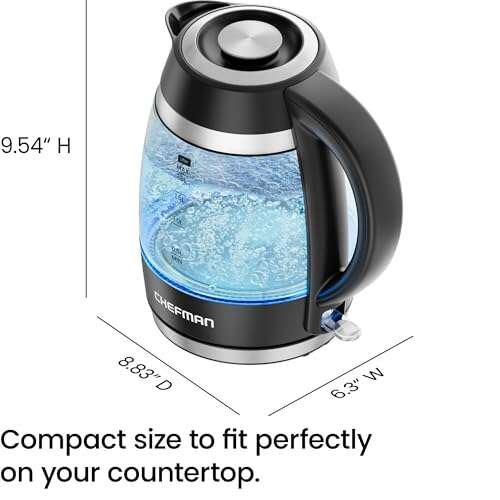
For most homes in the United States, you should not boil tea bags inside a standard electric kettle. Electric kettles are usually made to heat water only. The safer method is to boil fresh water in the kettle, then pour it over the tea bag in a mug or teapot.
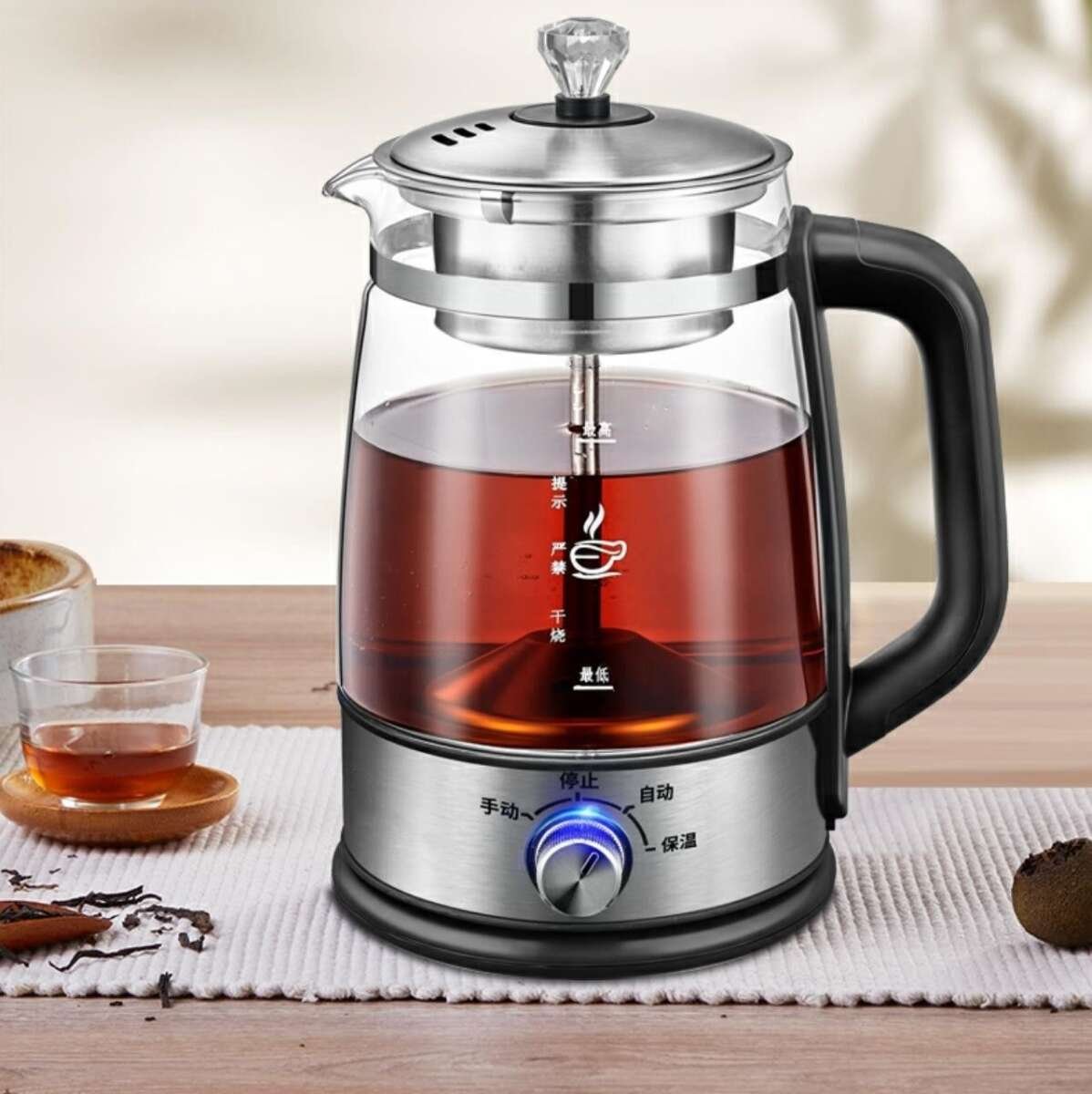
A few kettles include a built-in tea basket or are designed for brewing tea. Those models may allow tea leaves or tea bags inside the unit, but you must follow the specific user manual.

Can You Put a Tea Bag in an Electric Kettle?
You can physically place a tea bag in some electric kettles, but that does not mean you should. Most standard kettles have heating elements, sensors, lids, and narrow water channels designed for plain water.
Tea bags may:
- Stick to the heating plate.
- Block the spout or filter.
- Leave tea stains and residue.
- Affect the kettle’s automatic shutoff sensor.
- Make the kettle harder to clean.
- Cause odors or flavors in later batches of water.
- Damage the kettle if the bag breaks apart.
Many electric kettle manuals state that the appliance should be used for water only. The exact rule depends on the brand and model, so check the manual before putting anything other than water inside.
A kettle with a removable tea infuser is different. It is built to hold tea during heating or steeping. Even then, use the temperature and water-level settings listed by the manufacturer.
The Safest Way to Make Tea With a Kettle
The best method is simple: boil the water first, then steep the tea bag outside the kettle.
Follow these steps
-
Fill the kettle with fresh, cold water.
Do not fill above the maximum line. Avoid using water that has been sitting in the kettle for a long time. -
Place the tea bag in a mug or teapot.
Keep the paper tag and string outside the cup. -
Heat the water to the right temperature.
Black tea and herbal tea often use very hot water. Green, white, and some oolong teas usually taste better with cooler water. -
Pour the hot water over the tea bag.
Pour slowly so the water does not splash. -
Steep for the time listed on the package.
If there are no instructions, start with about 3 to 5 minutes and adjust to taste. -
Remove the tea bag.
Leaving it in too long can make the drink bitter or harsh. -
Clean and empty the kettle after it cools.
This helps reduce mineral buildup and stale odors.
This method keeps the kettle clean and gives you better control over water temperature and steeping time.

Why You Should Not Boil Tea Bags in a Standard Kettle
A standard electric kettle heats water quickly, but it is not usually a tea brewer. Its automatic shutoff system is designed around the behavior of plain water as it heats.
The tea bag can interfere with the kettle
loose tea leaves or a torn bag can move into the spout filter. Small pieces may also settle around the heating element. This can reduce water flow and make cleaning difficult.
A string can also become trapped near the lid or spout. Although this may not happen often, it is an avoidable problem.
Tea residue can damage taste and appearance
Tea contains compounds that can stain plastic, metal, glass, and silicone parts. A kettle may still work after tea is boiled in it, but later water may carry a tea smell or taste.
Residue can also combine with hard-water minerals. The result may be a darker, rough coating that needs extra cleaning.
Boiling changes the taste of tea
Most tea bags are designed to steep in hot water, not to boil continuously. Boiling can pull out more bitter and astringent compounds, especially from black, green, and white tea.
Herbal tea is a special case. Some herbal products may call for a longer steep or a gentle simmer, but the package directions should guide you. Do not assume that every herbal tea needs boiling.
Tea bags may not be made for direct boiling
A tea bag may be safe for hot-water steeping without being suitable for extended boiling. The bag, thread, seal, or tag can weaken. Plastic-based mesh bags may also behave differently from paper bags when exposed to high heat.
This does not mean one short contact with hot water is automatically dangerous. It means the tea bag’s intended use is steeping, not prolonged boiling inside a kettle.
When Is It Safe to Put a Tea Bag in a Kettle?
It may be acceptable only when the kettle is specifically designed for brewing tea. Look for features such as:
- A built-in or removable tea infuser.
- A documented tea-brewing mode.
- Temperature controls for different tea types.
- A manual that explains how to add tea.
- A cleaning process for tea residue.
Follow the instructions for the exact model. Some kettles heat water first and lower an infuser into the water. Others allow tea to steep after heating. These designs are not the same as a basic water kettle.
If the manual says “water only,” treat that as the limit. Do not rely on a product photo or a general claim that the kettle is “tea friendly.”

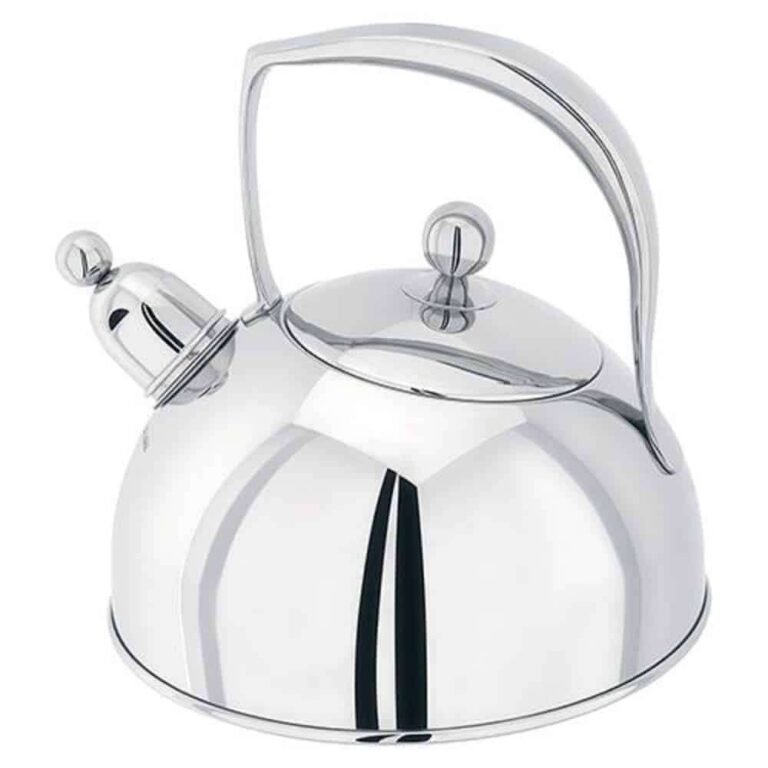
Can You Put a Tea Bag in a Stovetop Kettle?
A tea bag should generally not be boiled inside a stovetop kettle either. A stovetop kettle is made to heat water, not to hold tea leaves or bags during a boil.
The bag may tear, scorch, or become trapped near the spout. Tea residue can also coat the inside of the kettle. If the kettle whistles, tea particles may block the whistle opening.
A safer stovetop method is:
- Heat plain water in the kettle.
- Turn off the burner when the water reaches the desired heat.
- Pour the water into a mug or teapot.
- Add the tea bag.
- Steep according to the package directions.
Never leave a stovetop kettle unattended. Keep the handle turned away from the edge of the stove, and use care when pouring hot water.
What Temperature Should You Use for Different Tea Bags?
Water temperature affects both flavor and steeping time. Use the tea package as the first guide because blends vary.
| Tea type | Common water range | Typical steeping time |
|---|---|---|
| Black tea | About 195–212°F | 3–5 minutes |
| Green tea | About 160–180°F | 2–4 minutes |
| White tea | About 160–185°F | 4–5 minutes |
| Oolong tea | About 180–205°F | 3–5 minutes |
| Herbal tea | About 200–212°F | 5–10 minutes |
These are general ranges, not strict rules. A temperature-controlled kettle can help, but a regular kettle still works well if you let boiling water cool briefly before pouring it over delicate tea.
A simple guide:
- Use near-boiling water for black and many herbal teas.
- Use cooler water for green and white teas.
- Steep longer for a stronger cup.
- Use less time or cooler water if the tea tastes bitter.

What Should You Do if You Already Boiled a Tea Bag in the Kettle?
If you accidentally boiled a tea bag in the kettle, unplug the kettle or remove it from the heat and let it cool fully. Then remove the bag and inspect the kettle.
Clean the kettle
For an electric kettle:
- Unplug it and let it cool.
- Remove any loose tea pieces.
- Rinse the inside with clean water.
- Follow the manufacturer’s cleaning directions.
- If the manual allows it, use a diluted white vinegar solution to remove mineral buildup.
- Rinse several times with fresh water.
- Boil and discard one or two batches of plain water before using it again.
Do not immerse an electric kettle, base, plug, or power cord in water. Do not use abrasive pads unless the manual allows them.
For a stovetop kettle, wash it according to the manufacturer’s instructions. Check the spout, whistle, lid, and interior for trapped tea leaves.
Check for damage
Stop using the kettle if you notice:
- A damaged power cord or plug.
- Burning smells.
- Cracks or melted parts.
- Water leaking into the electrical base.
- A lid that will not close.
- An automatic shutoff that no longer works.
- Water that tastes strongly of cleaner or burnt material after rinsing.
If the kettle no longer operates normally, replace it or contact the manufacturer. Do not keep using a damaged electric appliance.

Common Mistakes to Avoid
Do not boil the tea bag with the tag attached
The paper tag may become wet, stained, or damaged. The string can also move into the spout or heating area.
Do not overfill the kettle
Hot water can spill when it boils. Follow the minimum and maximum fill lines. A kettle may also shut off poorly if it contains too little water.
Do not leave the kettle unattended on a stove
This is especially important with stovetop kettles. Water can boil away, and the handle or lid may become dangerously hot.
Do not add milk before heating
Milk can foam, scorch, and leave a thick residue. Heat plain water in the kettle, then add milk to the finished tea if desired.
Do not assume every “tea kettle” brews tea
In the United States, “tea kettle” often means a device that heats water for tea. It does not always mean the appliance can steep tea inside the unit.
Read the instructions for the exact kettle.
Electric Kettle vs. Tea Brewer
The right appliance depends on what you want to do.
| Appliance | Best use | Can tea go inside? |
|---|---|---|
| Basic electric kettle | Heating water | Usually no |
| Stovetop kettle | Heating water on a burner | Usually no |
| Temperature-control kettle | Heating water to set temperatures | Usually no, unless the manual says so |
| Kettle with tea infuser | Heating and steeping tea | Yes, as directed |
| Electric tea maker | Brewing tea through a dedicated cycle | Yes, as directed |
A basic kettle is usually the easiest option for tea bags. It heats water, and the mug does the steeping. A tea brewer makes more sense if you often prepare loose-leaf tea or want automatic temperature and steeping controls.

Frequently Asked Questions
Can you boil water with a tea bag in an electric kettle?
You should not do this in a standard electric kettle. Boil plain water, then steep the tea bag in a mug or teapot. Use a tea bag inside the kettle only when the manufacturer specifically permits it.
Can you boil a tea bag in a kettle to make iced tea?
It is better to make a strong tea concentrate by steeping tea bags in hot water, then cooling and diluting it. Boiling the bags in the kettle can create bitter flavors and leave residue inside the appliance.
Can you put loose tea leaves in an electric kettle?
Usually not. Loose leaves can enter the spout, filter, or heating area. Use a separate infuser or a kettle with a built-in tea basket.
Can you make tea directly in a kettle?
Yes, if the kettle is designed for brewing tea. Follow its fill limits, temperature settings, steeping instructions, and cleaning procedure. A standard water kettle is not the same as a tea brewer.
Is it better to use boiling water for every tea bag?
No. Black tea and many herbal teas can tolerate very hot water, while green and white teas often taste better with cooler water. Package directions give the best starting point.
Key Takeaways
- Do not put tea bags in a standard electric or stovetop kettle.
- Boil plain water, then pour it over the tea bag in a mug or teapot.
- Use a kettle’s tea function or infuser only when the manual allows it.
- Boiling tea can make it bitter and may leave stains or residue.
- If a tea bag breaks in the kettle, cool the appliance, remove the debris, and clean it before reuse.
Conclusion
For most American kitchens, the safest and simplest answer is no: do not boil tea bags inside a regular kettle. Use the kettle to heat water only, then steep the tea bag in your cup.
The exception is a kettle or tea brewer with a clearly documented tea-brewing feature. When in doubt, check the manual. That small step protects the appliance and usually produces a better-tasting cup of tea.

Liora Pennings is a seasoned chef and kitchen enthusiast with a passion for turning everyday cooking into an effortless experience. With years of hands-on culinary expertise, she specializes in practical techniques, ingredient know-how, and smart kitchen solutions that help home cooks elevate their meals. At KitchFlair.com, Liora shares her best tips, time-saving tricks, and honest product reviews to guide readers toward a more efficient, enjoyable, and inspired cooking routine. Whether you’re a beginner or a seasoned home chef, Liora’s friendly, knowledge-packed insights make every visit to the kitchen a little easier—and a lot more delicious.