
How Many Decibels In A Vacuum Cleaner: Noise Guide
Most vacuum cleaners produce about 60 to 80 decibels, with many common models near 70 dB.
Knowing how many decibels in a vacuum cleaner helps you choose a machine that cleans well without making your home feel like a workshop. After comparing vacuum types, motor settings, floor tools, and real-world sound levels, I’ll explain what the numbers mean and how to find a quieter model.

How many decibels in a vacuum cleaner?
Most vacuum cleaners measure between 60 and 80 decibels, written as dB or dBA. The exact level depends on the motor, airflow, filter design, floor head, suction setting, and distance from the machine.
Here is a simple guide:
| Vacuum type | Typical noise level |
|---|---|
| Quiet stick vacuum | 60–70 dBA |
| Robot vacuum | 55–70 dBA |
| Canister vacuum | 65–75 dBA |
| Upright vacuum | 70–80 dBA |
| Shop vacuum | 75–90 dBA |
| Handheld vacuum | 70–85 dBA |
| Central vacuum | About 60–70 dBA at the handle |
A vacuum rated at 70 dBA is not automatically twice as loud as one rated at 65 dBA. The decibel scale is logarithmic, so small number changes can represent noticeable changes in sound energy.
For everyday cleaning, a vacuum cleaner around 60 to 70 dBA usually feels comfortable. A machine above 75 dBA may sound harsh, especially in a small room or when used for a long time.

What does dB or dBA mean?
A decibel measures the strength of a sound. It does not measure sound in a simple, even scale. A 10 dB increase usually sounds about twice as loud to the human ear.
The “A” in dBA means the reading uses A-weighting. This adjusts the measurement to match how people hear different frequencies. Since vacuum motors create a mix of low, middle, and high sounds, dBA is more useful than a raw dB reading for household noise.
For context, common sound levels include:
• A quiet bedroom: about 30 dBA
• Normal conversation: about 60 dBA
• A busy restaurant: about 70 dBA
• A loud vacuum cleaner: about 75 to 80 dBA
• Heavy city traffic: about 80 to 85 dBA
• A power tool: often 90 dBA or more
The answer to how many decibels in a vacuum cleaner becomes clearer when you compare it with familiar sounds. A quiet vacuum may sound close to normal speech, while a loud upright can make conversation difficult.

Why are some vacuum cleaners louder than others?
Vacuum noise comes from several parts working at once. The motor creates vibration, the fan moves air, and the floor head can add rattling or high-pitched noise.
Motor and fan design
The motor is usually the main source of sound. High-speed motors can create strong suction, but they may also produce a sharper, louder tone. Better models use insulation, balanced fans, and vibration control to reduce this noise.
A powerful motor is not always a loud motor. Good airflow design can help a vacuum clean well without wasting energy or creating extra turbulence.
Airflow and suction
Air moving through a narrow opening can whistle. This is why a vacuum may sound louder when the hose is partly blocked or when the floor head seals tightly against a smooth floor.
Some machines also have adjustable suction. Lowering the setting on curtains, rugs, or delicate surfaces may reduce both noise and energy use.
Floor head and brush roll
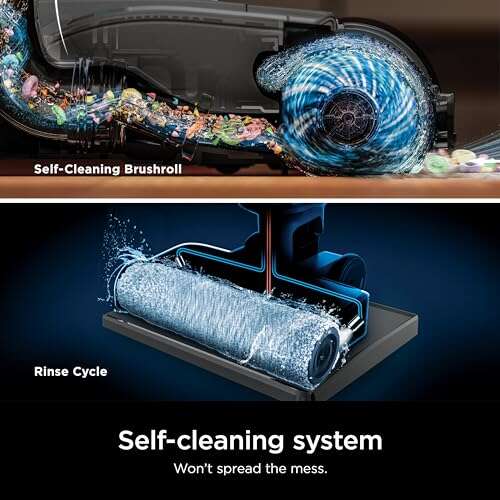
A rotating brush can create a steady hum. It can also make clicking sounds when it hits grit, pet hair, or small objects.
On hard floors, a brush roll may sound louder than the motor. Turning off the brush roll can make the vacuum seem quieter, but it may reduce cleaning performance on carpets.
Filters and bags
A clogged filter forces the motor to work harder. A full bag or blocked dust cup can have the same effect. This often produces a higher-pitched sound and weaker suction at the same time.
Regular maintenance is one of the easiest ways to keep a vacuum cleaner near its normal decibel rating.

Vacuum cleaner noise levels by type
The answer to how many decibels in a vacuum cleaner changes with the design. Each type has a different motor position, airflow path, and cleaning tool.
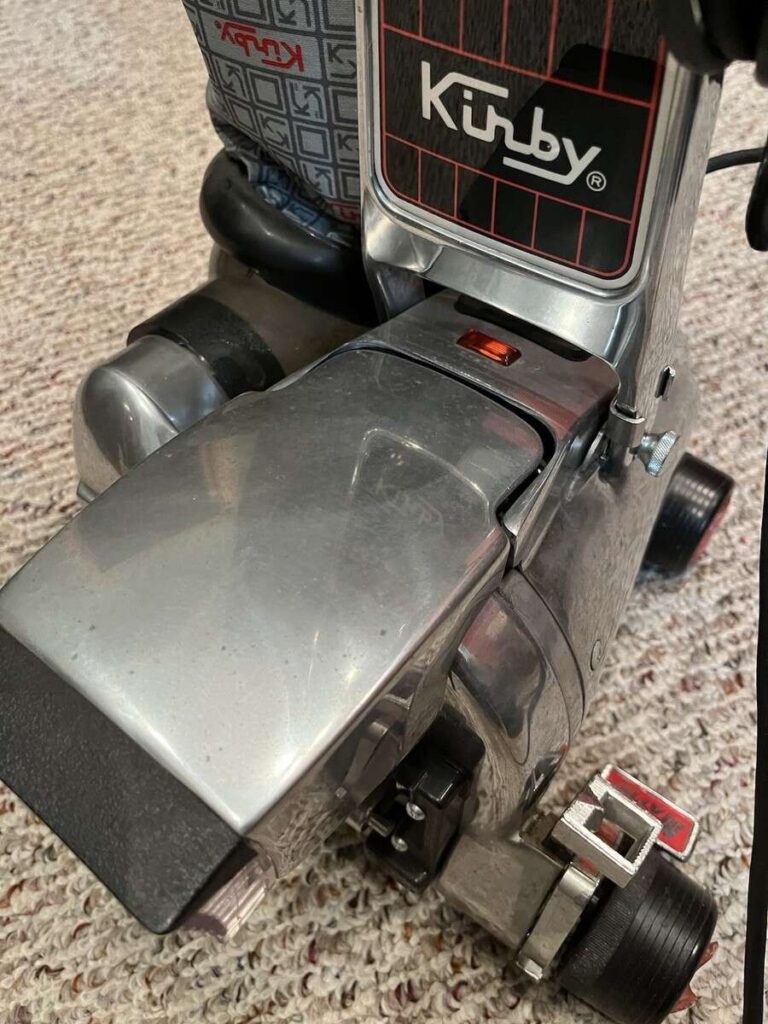
Upright vacuums
Upright vacuums often measure around 70 to 80 dBA near the user. Their brush rolls and strong airflow can make them louder than many canister or stick models.
They remain popular because they clean carpet well and are easy to push across large rooms. If noise matters, look for an upright with a quiet mode, sealed insulation, and a published sound rating.
Canister vacuums
Canister vacuums commonly fall between 65 and 75 dBA. The motor sits in a separate body, often behind the user, which can make the sound feel less intense at the handle.
The hose and wand may still create air noise. A canister vacuum can be a good choice for homes with hard floors, stairs, and mixed surfaces.
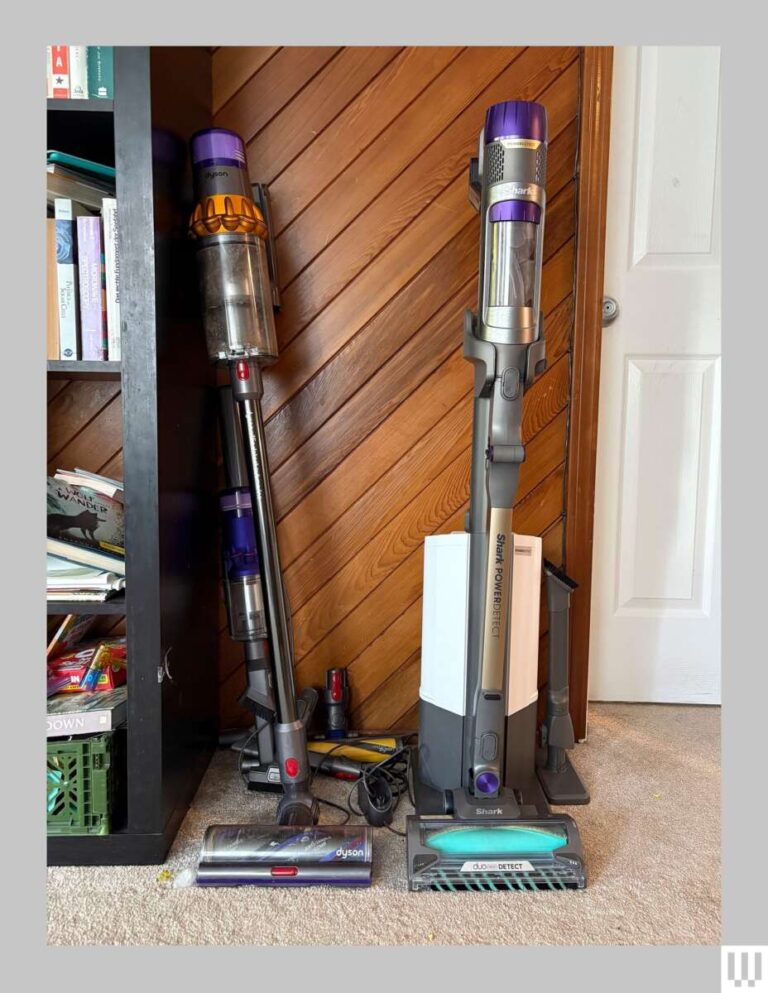
Stick vacuums
Cordless stick vacuums often measure from 60 to 75 dBA. Their low weight and compact design are convenient, but small high-speed motors can produce a noticeable whine.
Many cordless models include several power levels. The highest setting is usually much louder than the standard setting and also drains the battery faster.
Robot vacuums
Robot vacuums usually produce about 55 to 70 dBA during cleaning. Their lower height and smaller motors can make them less intrusive than full-size vacuums.
The self-emptying base is a different story. It may produce a loud burst for several seconds while transferring dust into the dock. This short noise can be louder than the robot itself.
Shop vacuums
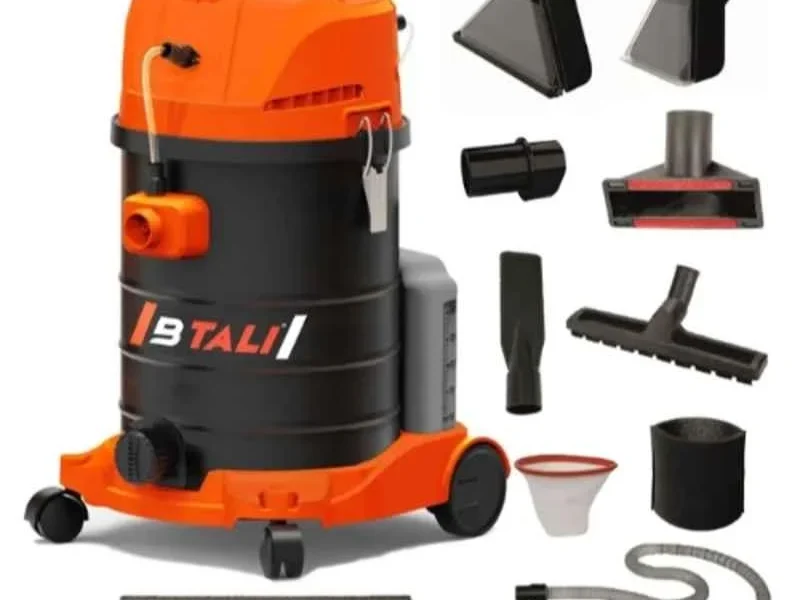
Shop vacuums are often among the loudest household cleaning machines. Many measure from 75 to 90 dBA, depending on the motor and hose.
They are built for strong airflow and heavy debris, not quiet living-room cleaning. Hearing protection is sensible when using a shop vacuum for extended periods.

How loud is 70 decibels for a vacuum?
A 70 dBA vacuum is clearly audible but usually manageable for short cleaning tasks. You may need to raise your voice slightly if someone is standing close to you.
Room size changes the experience. In a large open room, the sound may feel less intense. In a bathroom, hallway, or small bedroom, reflections from hard walls can make the same vacuum seem much louder.
When people ask how many decibels in a vacuum cleaner, they often want to know whether the sound is safe or simply annoying. A 70 dBA reading is not extreme for a household appliance, but comfort depends on exposure time, distance, and the sound’s pitch.
Low, smooth motor noise is often easier to tolerate than a high-pitched whine. Two vacuums with the same dBA rating can therefore feel very different.

Is a vacuum cleaner at 80 decibels too loud?
An 80 dBA vacuum is loud, but it is not automatically unsafe for brief household use. The risk depends on how long you use it and how close your ears are to the motor.
Occupational hearing guidance commonly uses 85 dBA as an important exposure level for an eight-hour workday. Some workplace rules use 90 dBA as the limit for an eight-hour shift. These limits are designed for repeated workplace exposure, not a short cleaning session at home.
Still, an 80 dBA vacuum can be uncomfortable. You should take extra care if you:
• Vacuum for long periods each day
• Use the machine close to your head
• Have tinnitus or sound sensitivity
• Clean in a small, echoing room
• Use other loud appliances at the same time
Move away from the running machine when possible. Do not place a running vacuum beside a child, sleeping person, or pet.
How to measure vacuum cleaner decibels at home
You can measure how many decibels in a vacuum cleaner with a sound level meter or a reliable smartphone app. A dedicated meter is usually more accurate, but an app can provide a useful comparison between models.
Follow these steps:
-
Place the vacuum on the floor in a normal cleaning position.
-
Set the vacuum to the power level you use most often.
-
Hold the meter about 3 feet from the vacuum and around ear height.
-
Keep doors, windows, music, and other appliances off.
-
Record the average reading for at least 15 seconds.
-
Repeat the test two or three times.
-
Test the vacuum on both carpet and hard flooring.
Do not compare a reading taken beside the motor with a manufacturer rating measured several feet away. Distance makes a major difference. A small change in microphone position can also change the result because sound reflects from walls and floors.
Phone apps are affected by the phone’s microphone, case, software, and background noise. Use them for relative comparisons, not for legal or medical decisions.
How to choose a quiet vacuum cleaner
The quietest vacuum is not always the one with the lowest advertised number. A low reading may be measured under conditions that do not match your home.
Look for these features:
• A published sound rating in dBA
• A quiet or low-power mode
• Rubber wheels and vibration dampers
• A sealed body and insulated motor chamber
• A brush roll that can be turned off
• Washable filters and easy airflow access
• A long hose or wand that keeps the motor farther away
• Strong performance at a lower power setting
Read reviews that describe sound quality, not just volume. Words such as “high-pitched,” “rattling,” or “smooth hum” can tell you more about comfort than a single number.
In my own vacuum comparisons, I have found that the most useful test is a normal cleaning session. A vacuum may seem quiet for ten seconds in a store but become tiring after cleaning several rooms. Listening near the handle, standing beside the motor, and testing on a bare floor gives a more honest picture.
Tips for making a vacuum cleaner quieter
You may not need to replace your vacuum. Basic care can reduce extra noise and restore normal performance.
Try these steps:
-
Empty the dust cup or replace the bag.
-
Wash or replace filters according to the manual.
-
Check the hose for coins, hair, and packed dust.
-
Inspect the brush roll for tangled hair.
-
Tighten loose covers and attachments.
-
Replace cracked wheels or worn belts.
-
Use the lower power setting when it cleans well.
-
Keep the vacuum on the floor instead of lifting it near your ears.
-
Close doors to limit sound traveling through the home.
-
Use hearing protection for long shop-vac jobs.
One common mistake is ignoring a new rattling or squealing sound. A sudden noise can point to a blockage, damaged bearing, loose belt, or failing fan. Stop the machine and check it before continued use.
Never cover the motor housing with a blanket or towel to reduce sound. Blocking ventilation can cause overheating and create a safety risk.
Vacuum noise and pets, babies, and sensitive ears
Vacuum cleaners can be stressful for pets because they combine loud sound, vibration, and unpredictable movement. Dogs and cats may react by hiding, barking, or becoming restless.
To make cleaning easier:
• Let your pet stay in a quiet room.
• Start the vacuum away from the animal.
• Use a lower setting when possible.
• Avoid chasing a pet with the floor head.
• Give the animal a calm space after cleaning.
Babies and young children may also be startled by a loud vacuum. If a child is nearby, keep the machine several feet away and avoid cleaning next to the child’s head.
People with migraines, tinnitus, autism, or sound sensitivity may need a vacuum below the usual 70 to 80 dBA range. A smooth, low-frequency sound may be easier to tolerate than a sharp motor whine, even when both machines have similar ratings.
What affects a manufacturer’s decibel rating?
Vacuum cleaner decibel ratings are useful, but they are not always directly comparable. Manufacturers may test at different distances, power modes, surfaces, and room conditions.
Important variables include:
• Microphone distance
• Floor type
• Suction setting
• Brush roll operation
• Dust container fill level
• Filter condition
• Indoor reflections
• Measurement standards
This explains why one product page may list 68 dBA while a user measures 74 dBA at home. Both readings may be valid under different test conditions.
When deciding how many decibels in a vacuum cleaner is acceptable, treat the rating as a guide rather than a promise. Independent tests and user reviews can help, especially when they explain the test method.
Frequently Asked Questions
How many decibels in a vacuum cleaner is considered quiet?
A vacuum cleaner around 60 to 65 dBA is generally considered quiet for household use. It may still be easy to hear, but it should create less strain than a machine above 75 dBA.
Is 70 dB loud for a vacuum cleaner?
A 70 dBA vacuum is moderately loud and common in homes. It is usually comfortable for short cleaning sessions, though it may make conversation harder in a small room.
Are cordless vacuums quieter than corded vacuums?
Cordless vacuums are not always quieter. Many run high-speed motors, and their sound level can range from about 60 to 75 dBA depending on the power setting and design.
Can a vacuum cleaner damage hearing?
A vacuum cleaner can contribute to hearing strain when it is very loud, used close to the ears, or operated for long periods. Brief use of a typical household vacuum is usually less concerning than repeated exposure to loud shop vacuums or industrial equipment.
How can I reduce vacuum cleaner noise?
Empty the dust container, clean the filters, remove blockages, and inspect the brush roll. You can also use a lower power setting, choose a machine with sound insulation, and keep the motor farther from your ears.
Do robot vacuums make less noise than upright vacuums?
Many robot vacuums are quieter than upright models during normal cleaning, often measuring about 55 to 70 dBA. Their automatic emptying docks can create a much louder sound for a short time.
Does carpet make a vacuum cleaner quieter?
Carpet can absorb some reflected sound and may make the vacuum seem quieter in the room. However, the motor and airflow still produce nearly the same basic noise, and the brush roll may add sound on carpet.
Conclusion
Most vacuum cleaners produce between 60 and 80 dBA, while quiet models often stay near 60 to 65 dBA. Uprights and shop vacuums tend to be louder, while many robot and canister vacuums offer a softer experience.
The best choice depends on more than how many decibels in a vacuum cleaner. Check the dBA rating, test the machine at a realistic distance, consider the sound quality, and keep filters and airflow paths clean.
Use these points when comparing your next vacuum, and choose a model that protects both your floors and your peace. Share your experience with vacuum noise or explore more home appliance guides to make your next purchase with confidence.

Liora Pennings is a seasoned chef and kitchen enthusiast with a passion for turning everyday cooking into an effortless experience. With years of hands-on culinary expertise, she specializes in practical techniques, ingredient know-how, and smart kitchen solutions that help home cooks elevate their meals. At KitchFlair.com, Liora shares her best tips, time-saving tricks, and honest product reviews to guide readers toward a more efficient, enjoyable, and inspired cooking routine. Whether you’re a beginner or a seasoned home chef, Liora’s friendly, knowledge-packed insights make every visit to the kitchen a little easier—and a lot more delicious.