Does A Robot Vacuum Cleaner Work: Truth And Tips
Yes, a robot vacuum cleaner works by sensing your home, moving, brushing, and collecting dirt.
If you are asking, “does a robot vacuum cleaner work as well as a regular vacuum?” the honest answer is yes, but with limits. Modern models can map rooms, avoid some objects, adjust suction, and clean on a schedule. They are best viewed as helpful maintenance tools, not complete replacements for every deep-cleaning task.
How does a robot vacuum cleaner work?
A robot vacuum cleaner combines sensors, wheels, brushes, a motor, a dustbin, and software. These parts work together to find dirt, move around furniture, clean the floor, and return to the charging dock.
The robot first scans its surroundings. Basic models may use bump sensors and infrared signals. More advanced models use cameras, laser detection, or a mix of sensors to create a map of your home.
As it moves, one or more side brushes sweep dirt from walls and corners. A central brush lifts dust, hair, and crumbs. The vacuum motor then pulls this material into a small dustbin.
So, does a robot vacuum cleaner work without human help? Usually, yes. You may need to start the first mapping run, remove cords and toys, empty the bin, and maintain the machine.
Most models follow one of these cleaning patterns:
• Random movement: The robot changes direction after touching an object.
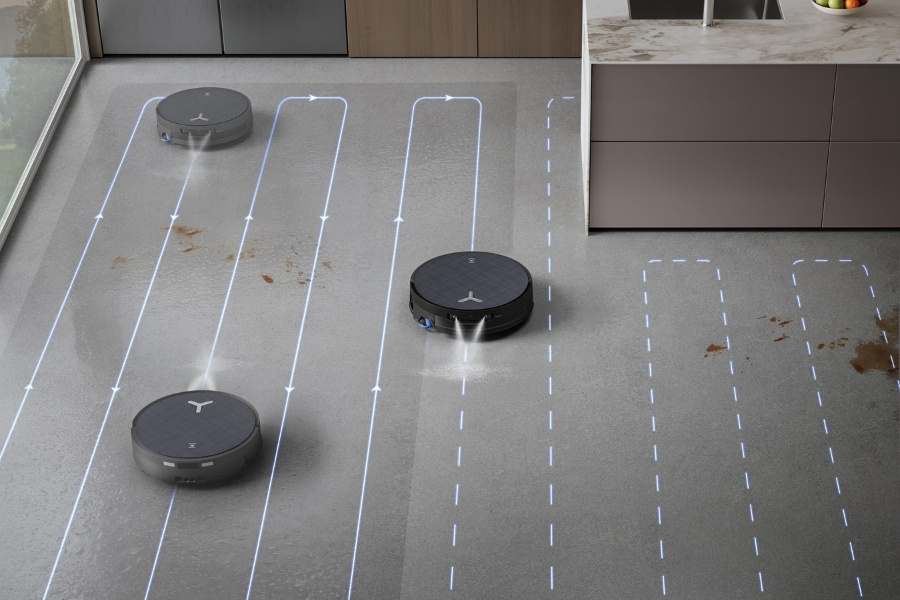
• Row-by-row cleaning: The robot moves in straight lines for better coverage.
• Room mapping: The robot saves a digital floor plan and cleans selected areas.
• Zone cleaning: You choose a small area, such as beneath a dining table.
A good robot vacuum is like a small janitor with a limited tool belt. It can work often and quietly, but it cannot move chairs, climb stairs, or understand every obstacle like a person can.
The main parts that make a robot vacuum work
Understanding the parts helps explain why does a robot vacuum cleaner work better on some floors than others. Each component has a clear job, and the overall result depends on how well these parts work together.
Sensors and navigation
Sensors help the robot detect walls, furniture, stairs, and other objects. Cliff sensors are especially important because they help prevent the vacuum from falling down steps.
Common sensor types include:
• Bump sensors: These detect physical contact with furniture.
• Infrared sensors: These help detect nearby objects and charging docks.
• Cliff sensors: These look for drops near stairs or ledges.
• Optical sensors: These help measure movement across the floor.
• Laser sensors: These scan rooms and create detailed maps.
• Camera sensors: These identify objects and support visual navigation.
A laser model often maps dark rooms well because it does not need much light. A camera-based model may need better lighting, though some use advanced image processing to work in dim spaces.
Brushes and suction
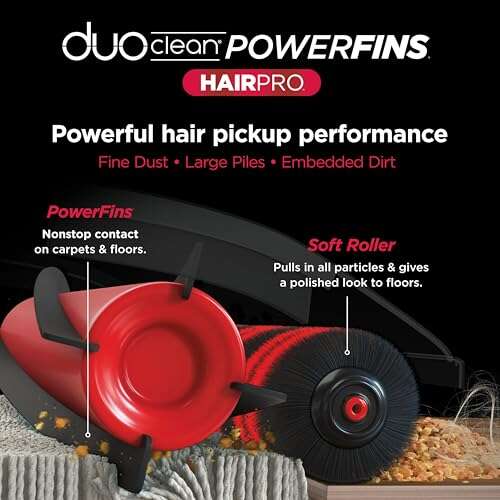
The side brush pushes debris toward the main brush. The main brush then lifts dirt from the floor. Some models use a bristle brush, while others use a rubber roller that resists hair tangles.
Suction power matters, but it is not the only factor. Brush design, airflow, floor contact, navigation, and repeated passes can matter just as much. A robot with moderate suction and smart route planning may clean better than a powerful robot that misses large areas.
Battery and charging dock
A rechargeable battery powers the wheels, sensors, brushes, and motor. When the battery runs low, many robots return to the dock, recharge, and resume cleaning.
This feature is called recharge and resume. It is useful in larger homes because the robot does not need to finish the full job in one battery cycle.
Dustbin and filter
The dustbin stores collected dirt. A washable or replaceable filter traps fine particles before air leaves the machine. High-efficiency filters can help reduce airborne dust, although they do not make a robot vacuum a medical-grade air cleaner.
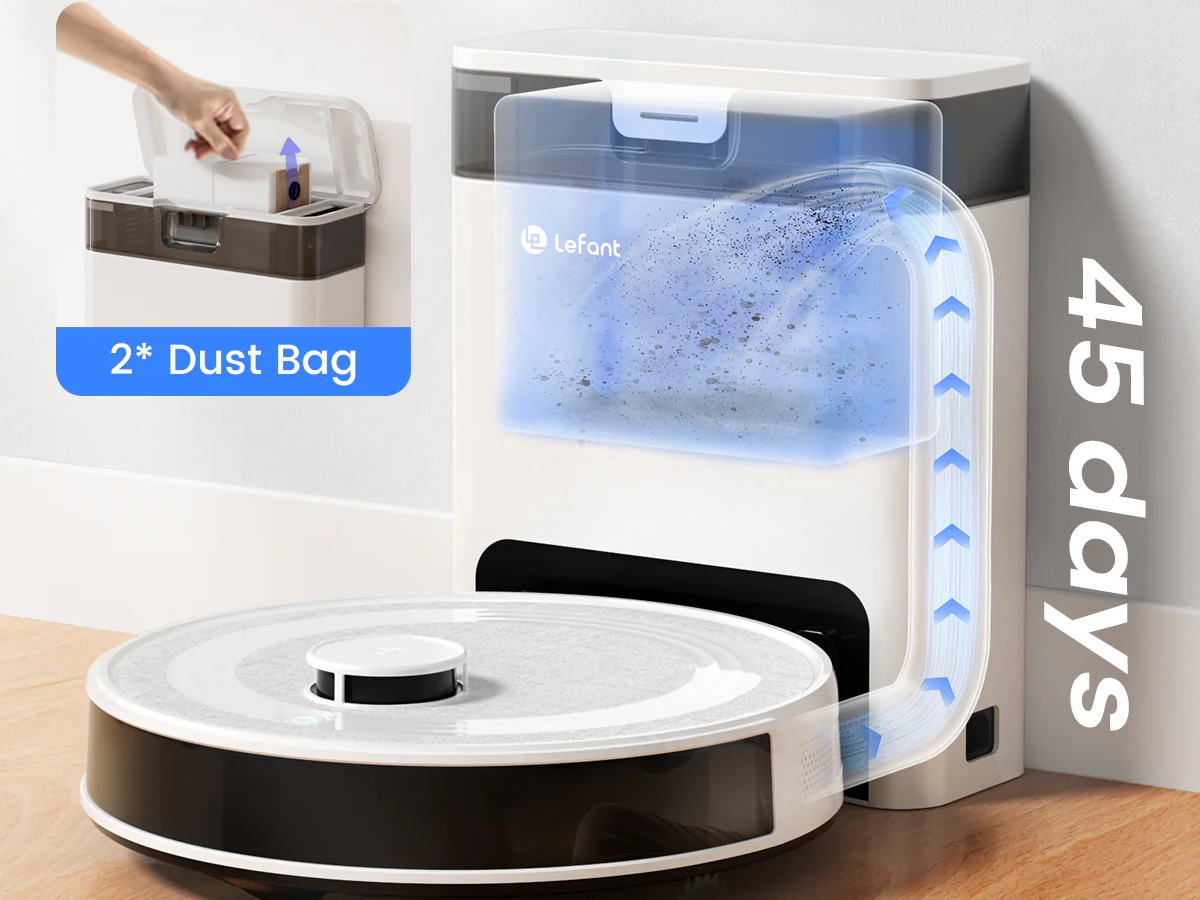
Homes with pets may need a larger dustbin or an automatic emptying base. Otherwise, fur can fill the bin before the cleaning cycle ends.
What happens during a typical cleaning cycle?
To understand does a robot vacuum cleaner work in real life, it helps to follow a normal cleaning cycle from start to finish.
-
The robot leaves the dock
It checks its position and begins moving through the assigned area. -
It scans the room
Sensors detect walls, furniture, open space, and possible hazards. -
It creates or follows a route
A basic model may move randomly. A smart model may clean in rows or follow a saved map. -
Side brushes collect loose debris
These brushes sweep dirt away from edges and toward the central brush. -
The main brush lifts debris
Hair, crumbs, dust, and small particles move toward the suction opening. -
The motor pulls dirt into the dustbin
Airflow carries debris through the intake and into the filter and bin. -
The robot adjusts its movement
It may slow near furniture, increase suction on carpet, or avoid a no-go zone. -
It returns to the dock
After cleaning, or when the battery is low, it goes back to charge.
Some premium models also mop. These products usually attach a water tank and a washable pad. Their mopping action is closer to wiping than scrubbing, so dried spills may still need manual cleaning.
In practical use, the biggest benefit is frequency. A robot can clean every day while you work, sleep, or care for your family. Frequent light cleaning prevents dust and crumbs from building up.
Does a robot vacuum cleaner work on different floor types?
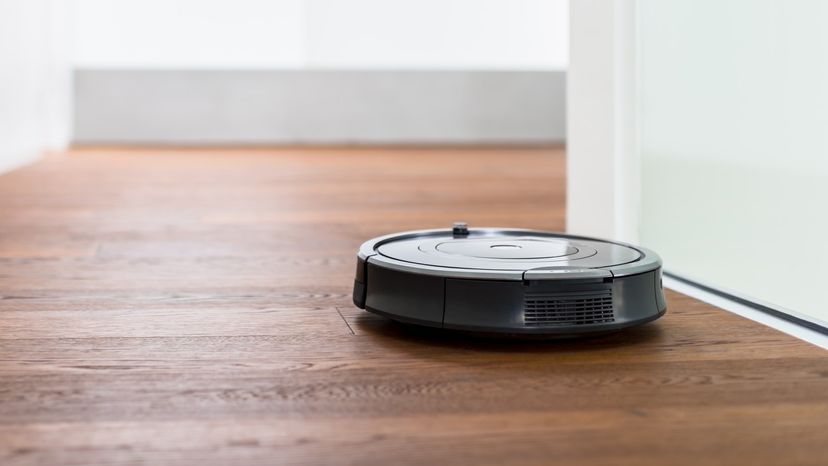
Yes, but results vary by surface. Most robot vacuums work well on hard floors such as wood, tile, laminate, vinyl, and sealed stone.
Hard floors usually allow the robot to maintain steady contact with the surface. The side brush can also collect crumbs and dust near baseboards.
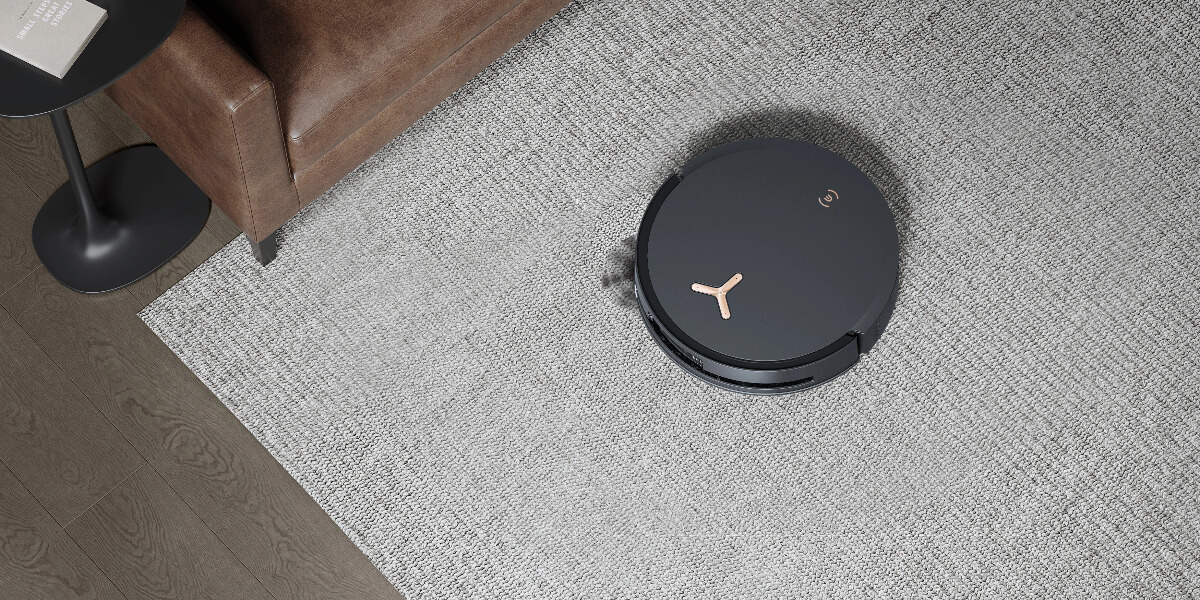
Carpet performance depends on pile height and brush design. Low-pile and medium-pile carpet are usually easier for a robot to clean. Thick shag rugs, loose mats, and tassels can block the brush or trap the wheels.
Here is what to expect:
• Hardwood: Good for dust, crumbs, and pet hair when the floor is sealed and level.
• Tile: Good overall, although grout lines may hold fine debris.
• Laminate: Usually effective, but avoid excess water when using a mop feature.
• Low-pile carpet: Often cleaned well with repeated passes.
• Thick carpet: Results vary and may require a strong brush and motor.
• Shag rugs: Often difficult because fibers can tangle in the brush.
• Uneven thresholds: The robot may get stuck if the height is greater than its climbing limit.
If your home has mixed flooring, choose a model with automatic surface detection. It may increase suction on carpet and reduce it on hard floors to save battery power.
Benefits of using a robot vacuum cleaner
The answer to does a robot vacuum cleaner work becomes clearer when you consider what it does best: frequent, automatic floor maintenance.
It saves time
A robot vacuum can clean while you do other tasks. You can schedule it to run during work hours or when everyone is out of the house.
This does not remove all cleaning work. You still need to empty the bin, clean the brush, wipe the sensors, and handle stairs or furniture the robot cannot reach.
It helps control daily dust and hair
Regular cleaning can reduce the amount of loose dust, food crumbs, and pet hair on the floor. This is especially useful in homes with shedding dogs or cats.
However, no household vacuum removes every allergen. Dust can remain in upholstery, curtains, mattresses, and carpets. A robot vacuum should support a wider cleaning routine.
It reaches low spaces
Many robot vacuums fit beneath beds, sofas, and cabinets. These areas are easy to ignore with a standard upright vacuum.
Check the robot’s height before buying. A model that is only slightly taller than the space may repeatedly get stuck.
It supports scheduled cleaning
Scheduling is one of the strongest features. A short daily run may keep a busy kitchen cleaner than one long weekly session.
Smart models may also let you choose rooms, set no-go zones, or start cleaning through a mobile app or voice assistant.
It can support people with limited mobility
For older adults or people with back pain, a robot may reduce the need to push and carry a heavy vacuum. It can handle routine floor cleaning with less physical effort.

What are the limitations?
A robot vacuum is useful, but it is not magic. Knowing its limits will help you decide whether does a robot vacuum cleaner work for your home and expectations.
It may miss corners and edges
Round robots cannot fully reach square corners. Side brushes help, but they may leave a narrow strip along walls.
Some D-shaped models are better at edge cleaning, but no robot reaches every corner perfectly.
It can get stuck
Common trouble spots include:
• Charging cables
• Curtain edges
• Socks and small clothing
• Pet toys
• Tassels
• High thresholds
• Loose rugs
• Narrow spaces between furniture
A simple floor check before each run prevents many problems. Some newer models use object recognition, but their accuracy is not perfect.
It does not clean stairs
A robot cannot normally climb a standard staircase. You must carry it between floors or use a separate vacuum.
It may also struggle with raised hearths, steps into sunken rooms, and tall door tracks.
It has a small dustbin
A compact dustbin fills faster than the bin on a full-size vacuum. Pet owners may need to empty it after every run.
An auto-empty dock can store debris for weeks, but its bags and filters still need replacement. It also costs more and takes up extra space.
It may struggle with deep carpet cleaning
Robot vacuums often maintain clean floors through frequent passes. They may not match an upright or canister vacuum for deep cleaning, especially on thick carpet.
If your home has plush carpet, compare independent performance tests instead of relying only on advertised suction numbers.
It needs regular care
A neglected robot loses performance. Hair can wrap around the roller, dust can block the filter, and dirty sensors can affect navigation.
Most manufacturers recommend routine brush and filter care. The exact schedule depends on the model, floor type, and amount of debris.

How to get better cleaning results
If you want to know does a robot vacuum cleaner work well in a busy home, setup and maintenance matter as much as the machine itself.
Use these practical steps:
-
Prepare the floor
Pick up socks, cables, toys, and pet bowls before cleaning. -
Run an initial mapping cycle
Let the robot explore the home without interruption. This helps it build a more accurate map. -
Set no-go zones
Block areas with fragile objects, loose cords, pet dishes, or thick rugs. -
Keep the dock clear
Leave enough open space around the dock so the robot can find and enter it. -
Empty the bin often
A full bin reduces the amount of dirt the vacuum can collect. -
Clean the brush
Remove hair and thread before they restrict movement. -
Replace worn parts
Filters, side brushes, and rollers lose efficiency over time. -
Use a suitable schedule
Daily cleaning may work well for pets. Two or three runs per week may suit a smaller home. -
Watch the first few runs
Look for spots where the robot gets trapped. Then move the object or create a no-go zone. -
Keep mopping separate from vacuuming when needed
Remove thick rugs and clean sticky spills by hand before using a mop attachment.
One lesson from hands-on product testing is that convenience depends on preparation. Owners often blame the robot when the real issue is a phone charger, bath mat, or chair leg blocking its route. A few minutes of setup can save repeated interruptions.

How to choose the right robot vacuum
The best robot is not always the most expensive one. Focus on your floor plan, pets, flooring, and cleaning habits.
Look for these features:
• Reliable navigation: Laser mapping is useful for multi-room homes, while basic sensors may suit open spaces.
• Strong hair handling: Rubber rollers and anti-tangle designs help in homes with pets.
• Carpet boost: Automatic suction changes can improve carpet cleaning.
• Large dustbin: This reduces emptying, especially with pets.
• Auto-empty dock: Helpful for people who want less daily maintenance.
• Object avoidance: Useful when floors often contain toys, cords, or clothing.
• Room controls: App-based room selection helps target kitchens and entryways.
• Recharge and resume: Important for large homes.
• Replacement parts: Filters and brushes should be easy to find.
• Privacy settings: Camera-based models may collect visual data, so review app permissions and storage policies.
Avoid judging a model by suction power alone. Independent tests, user reports, warranty terms, and the cost of replacement parts provide a more complete picture.
A robot vacuum priced at $250 may be enough for a small apartment with hard floors. A larger home with pets may justify a model with better mapping, stronger hair pickup, and an auto-empty base.

Is a robot vacuum worth the cost?
Whether does a robot vacuum cleaner work well enough to justify its cost depends on the value you place on saved time and regular cleaning.
It may be worth the money if:
• You have pets that shed.
• You want daily floor cleaning.
• You have mobility limits.
• You work long hours.
• You dislike routine vacuuming.
• Your home has mostly hard floors.
It may not be the best choice if:
• Your home has many stairs.
• You have thick shag carpet.
• Your floors are often cluttered.
• You expect deep cleaning from one device.
• You do not want to maintain another appliance.
Remember the total cost. Include replacement filters, brushes, dust bags, cleaning pads, batteries, and possible repairs. A low purchase price may not remain low if parts are hard to find.
Energy use is usually modest because the motor is small and cleaning cycles are limited. Still, exact power use varies by model, suction setting, dock design, and charging habits.
Does a robot vacuum cleaner work safely around pets?
Most robot vacuums are safe around pets when used with care, but supervision is wise at first. A frightened cat or dog may knock over the machine, and a robot can spread a pet accident across the floor.
Before scheduling a cleaning run:
• Keep pet bowls and water away from the robot’s path.
• Remove toys and loose treats.
• Check the floor for accidents.
• Watch how your pet reacts to the noise.
• Use a no-go zone around litter boxes or feeding areas.
Some models claim to recognize pet waste, but no object detection system is perfect. Do not rely on that feature as your only protection.
If a pet is nervous, start with short runs while you are home. Gradual exposure often works better than sending the robot out for a long, noisy cycle.
Maintenance checklist
Regular care keeps a robot vacuum effective and protects its battery and navigation system.
After each few cleaning cycles
• Empty the dustbin.
• Remove hair from the main roller.
• Check the side brush.
• Wipe the sensors with a soft, dry cloth.
• Inspect the wheels for trapped debris.
Each month
• Wash or replace the filter according to the manual.
• Clean the charging contacts.
• Check the dock and air passages.
• Review the map for blocked or duplicated rooms.
• Inspect the battery behavior.
Never wash a filter unless the manufacturer says it is washable. A wet filter can restrict airflow or damage the motor.
Also avoid using household cleaners inside the robot. They may harm seals, filters, sensors, or electronic parts.
Frequently Asked Questions About Does a Robot Vacuum Cleaner Work
Does a robot vacuum cleaner work without Wi-Fi?
Yes, many models can start and clean without Wi-Fi by using a physical button or remote control. Wi-Fi is mainly needed for app control, maps, schedules, voice commands, and software updates.
Does a robot vacuum cleaner work on carpet?
Yes, most models work on low-pile and medium-pile carpet. Thick, shaggy, or loose carpet may reduce cleaning performance or cause the robot to get stuck.
Can a robot vacuum replace a regular vacuum?
Usually, it cannot replace a regular vacuum completely. It is excellent for frequent surface cleaning, but a standard vacuum is still useful for stairs, upholstery, corners, deep carpet cleaning, and hard-to-reach areas.
How often should a robot vacuum run?
Many homes benefit from two to seven cleaning runs per week. Run it more often for pets, children, or heavy foot traffic, but adjust the schedule if the bin fills quickly.
Does a robot vacuum pick up pet hair?
Yes, robot vacuums can pick up loose pet hair from hard floors and many carpets. Choose a model with a strong roller, anti-tangle design, and a dustbin that is large enough for your pets’ shedding.
Can a robot vacuum clean corners?
It can clean near walls and collect some debris with its side brush, but round models may leave dirt in tight corners. You will still need occasional edge and corner cleaning.
Can robot vacuums avoid stairs?
Most models use cliff sensors to avoid falling down stairs. They cannot clean the stairs themselves, and sensor performance may vary with dark surfaces, reflective floors, or unusual ledges.
Do robot vacuums use a lot of electricity?
Most use relatively little electricity compared with large household appliances, but energy use varies by model and schedule. Auto-empty docks and frequent high-power cleaning can increase consumption.
Conclusion
So, does a robot vacuum cleaner work? Yes. It uses sensors, brushes, suction, wheels, and software to remove everyday dust, crumbs, and hair with little daily effort.
Its strongest advantage is frequent cleaning. Its main limits are stairs, corners, clutter, thick carpets, spills, and the need for routine maintenance. Choose a model that matches your floor type and home layout, then protect its performance with clear floors and regular care.
If you want cleaner floors with less daily work, compare trusted models, check replacement costs, and start with the features that solve your biggest cleaning problem.

Liora Pennings is a seasoned chef and kitchen enthusiast with a passion for turning everyday cooking into an effortless experience. With years of hands-on culinary expertise, she specializes in practical techniques, ingredient know-how, and smart kitchen solutions that help home cooks elevate their meals. At KitchFlair.com, Liora shares her best tips, time-saving tricks, and honest product reviews to guide readers toward a more efficient, enjoyable, and inspired cooking routine. Whether you’re a beginner or a seasoned home chef, Liora’s friendly, knowledge-packed insights make every visit to the kitchen a little easier—and a lot more delicious.