What To Look For In A Vacuum Cleaner: Smart Buying Guide
Look for strong filtration, useful attachments, easy handling, suitable power, low noise, and simple long term care.
Choosing a vacuum cleaner is less about finding the model with the biggest motor and more about matching the machine to your floors, home, habits, and health needs. This guide explains what to look for in a vacuum cleaner, using practical tests, expert-backed features, and real-world buying advice to help you spend wisely.
Start With Your Home and Cleaning Needs
The best vacuum cleaner is the one you will use often and comfortably. Before comparing brands, look at your floor types, home size, stairs, pets, allergies, storage space, and cleaning routine. These details quickly narrow your choices.
If your home has mostly bare floors, you may not need a heavy upright vacuum with a deep carpet brush. A canister vacuum, stick vacuum, or robot vacuum may suit you better. Homes with thick carpet often need stronger brush action and better height adjustment.
When deciding what to look for in a vacuum cleaner, ask yourself these simple questions:
• Do I have carpet, hardwood, tile, rugs, or a mix?
• Do I need to clean stairs or tight spaces?
• Are pet hair and dander a daily problem?
• Does anyone in the home have allergies or asthma?
• Do I prefer a corded vacuum, cordless vacuum, robot vacuum, or handheld model?
• How much storage space do I have?
A vacuum that fits your lifestyle will usually perform better than a feature-rich model that feels awkward to use. Think of it like buying shoes. The most expensive pair is not the best choice if it does not fit your daily walk.
Choose the Right Type of Vacuum Cleaner
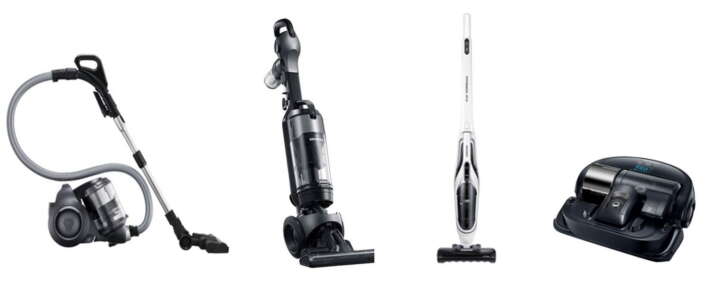
Vacuum types differ in power, reach, weight, and ease of use. Understanding the main designs is one of the most important parts of what to look for in a vacuum cleaner.
Upright vacuums
Upright vacuums are popular in homes with wall-to-wall carpet. They often have wide cleaning heads, strong brush rolls, and large dust bins or bags.
They can also clean large areas quickly. However, many upright models are heavy and less comfortable on stairs. Look for a flexible hose, a long wand, and a brush roll that can be turned off when cleaning bare floors.
Canister vacuums
Canister vacuums have a separate motor unit connected to a hose and cleaning wand. They are often easy to pull across floors and can reach under furniture well.
This style works especially well for hardwood, tile, stairs, curtains, and mixed flooring. The tradeoff is that you must move both the canister and the hose while cleaning.
Stick vacuums
Stick vacuums are slim, light, and easy to store. Cordless models are useful for quick cleanups, kitchens, apartments, and homes with limited storage.
Their small size may mean a shorter run time, smaller dust bin, and less deep carpet cleaning. If you choose a cordless stick vacuum, check the battery life in the mode you will actually use. Manufacturers often list the longest run time in a low power setting.
Robot vacuums
Robot vacuums can maintain floors with little daily effort. Many models map rooms, avoid obstacles, and return to their charging stations.
They are best for routine surface cleaning, not always for deep cleaning. Cords, loose clothing, pet toys, thick rugs, and narrow furniture legs can still cause problems. A robot vacuum is often a helpful second cleaner rather than a complete replacement.
Handheld vacuums
Handheld vacuums are made for small jobs. They work well for car seats, stairs, furniture, crumbs, and pet hair on upholstery.
They are not designed to clean an entire home. Check the battery life, charging time, filter access, and crevice tool before buying.

Check Suction, Airflow, and Cleaning Performance
Suction matters, but it is not the only measure of cleaning power. Airflow also affects how well a vacuum carries dirt from the floor into the bin or bag.
A vacuum may advertise high motor wattage, but wattage mainly shows how much electricity the motor uses. It does not prove how well the cleaner removes soil. A better way to judge performance is to look for independent tests, useful floor settings, and a well-sealed design.
When considering what to look for in a vacuum cleaner, pay attention to these performance features:
• A powered brush roll for carpet
• An adjustable cleaning head for different floor heights
• Suction control for delicate rugs and curtains
• A brush roll shutoff for hardwood and tile
• A sealed air path that reduces leaks
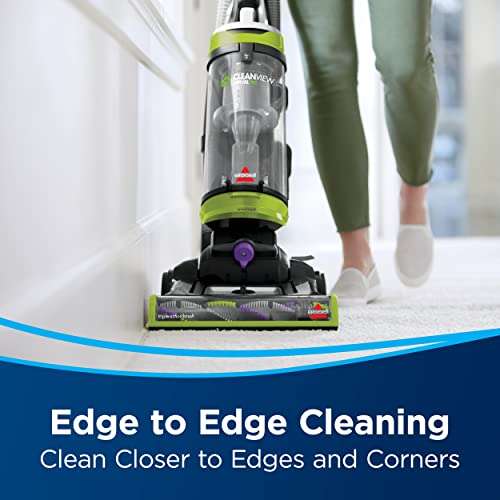
• Strong edge cleaning near walls
• A wide enough cleaning head for large rooms
Some vacuums use automatic suction adjustment. This can help the machine move from carpet to hard floors without manual changes. Still, automatic features are not a substitute for a good brush design and proper maintenance.
A simple home test can reveal useful details. Push the vacuum across a rug, turn around, reach under a chair, and empty the bin. If it feels hard to steer in the store, it will feel worse after ten minutes at home.
Look for Effective Filtration
Filtration is vital if your home has pets, dust, allergies, or asthma. A vacuum should trap fine particles instead of blowing them back into the room.
High Efficiency Particulate Air, or HEPA, filters are designed to capture at least 99.97 percent of particles that are 0.3 microns in size under standard test conditions. This does not mean every vacuum labeled “HEPA” performs equally in daily use. The vacuum also needs a sealed body and a well-designed exhaust system.
A washable pre-filter can reduce long-term costs. Some fine filters must be replaced, so check the price and availability before buying. A filter that is difficult to remove may be ignored until the vacuum loses performance.
Good filtration is one of the clearest answers to what to look for in a vacuum cleaner for allergy sufferers. Empty bagless vacuums outdoors if possible, and avoid shaking dust into the room. Sealed bags can offer a cleaner emptying process than open dust bins.
Keep expectations realistic. A vacuum can reduce dust and allergens on surfaces, but it cannot remove every airborne particle or replace good ventilation and regular washing of bedding.

Decide Between Bagged and Bagless Models
Bagged and bagless vacuums both have strengths. Your choice depends on convenience, cost, and sensitivity to dust.
Bagged vacuums store dirt in a sealed disposable bag. They usually offer clean disposal and can hold a large amount of debris. The main ongoing cost is buying replacement bags.
Bagless vacuums use a reusable dust bin. You do not need to buy bags, and you can see when the bin is full. However, emptying the bin can release dust, and filters may need frequent washing or replacement.
Consider these points:
• Choose bagged if you want cleaner disposal and less contact with dust.
• Choose bagless if you want to avoid buying bags and prefer to see the dirt level.
• Check the bin size if you have pets or a large home.
• Check whether filters are washable and how long they last.
• Make sure replacement parts are easy to find.
One common mistake is choosing a bagless vacuum only because it appears cheaper. The purchase price may be lower, but filters, batteries, brush rolls, and other parts can affect the total cost over time.

Examine the Brush Roll and Floor Settings
The brush roll lifts dirt from carpet fibers. It can also scatter debris or scratch delicate floors if the design is not suitable.
For homes with multiple floor types, look for a vacuum with a brush roll shutoff or automatic floor sensing. Soft brush rolls can be useful on hard floors because they collect fine dust without pushing larger debris away.
If you have pets, inspect the brush roll closely. A tangle-resistant design can reduce wrapped hair, but no brush roll is completely maintenance-free. Long hair may still need to be cut away with scissors or a cleaning tool.
Check whether the vacuum has a powered mini brush for stairs, sofas, and pet beds. A basic crevice tool is useful for edges, but a motorized attachment often removes embedded hair more effectively.
When thinking about what to look for in a vacuum cleaner for pet hair, focus on the full system. Strong suction, a powered brush, sealed filtration, easy brush cleaning, and a large bin matter more than a “pet” label on the box.

Consider Weight, Steering, and Ergonomics
A vacuum can clean well and still be a poor choice if it hurts your back or wrist. Weight is only part of comfort. Balance, handle position, wheel design, and steering also matter.
Try these movements before buying:
• Push the vacuum forward and pull it back.
• Turn around a table leg.
• Recline the handle under a sofa.
• Lift it with one hand.
• Carry it up a few steps.
• Remove and replace the dust bin.
A heavy vacuum with smooth steering may feel easier than a lighter model with stiff wheels. Cordless stick vacuums are often easy to carry, but the motor weight near the handle can cause wrist fatigue.
This is an area where hands-on experience matters. A common buying mistake is testing a vacuum for only a few seconds. In real cleaning, you may hold it for half an hour, reach high corners, and repeat the same motion across several rooms.
Look for a comfortable grip, simple controls, a flexible hose, and a power cord that retracts or stores neatly. Small design details can have a large effect on how often you clean.
Check Noise Levels and Household Comfort
Noise is easy to overlook in a store. Yet a loud vacuum can disturb children, pets, sleeping family members, or neighbors in an apartment.
Manufacturers may list sound levels in decibels, but test methods can vary. A lower number generally suggests less noise, though the pitch of the motor also affects comfort. A high-pitched sound may feel more irritating than a deeper hum at a similar volume.
If possible, listen to the vacuum in person. Also check whether the quiet mode reduces cleaning power. A quiet vacuum is helpful, but it should still remove dirt well.
For robot vacuums, noise matters less when the machine runs while you are away. Even then, the self-emptying station may create a short burst of loud sound.
Review Cord, Battery, and Charging Features
Power options affect reach and reliability. Corded vacuums provide steady power and are often a strong choice for deep cleaning. Cordless vacuums offer freedom of movement but depend on battery capacity and charging time.
When comparing what to look for in a vacuum cleaner, review the battery details carefully:
• Run time at normal and high power
• Charging time
• Battery replacement cost
• Availability of spare batteries
• Charging dock size
• Performance with the powered brush roll
A cordless vacuum that runs for 60 minutes in a low power mode may run for much less time on high power. Battery performance also tends to decline with age, so a replaceable battery can improve the useful life of the machine.
For corded models, check cord length and automatic cord rewind. A short cord can make cleaning frustrating, while a long cord may be difficult to store. Some homes benefit from a corded primary vacuum and a cordless model for quick spills.
Inspect Attachments and Cleaning Reach
Attachments should solve real cleaning problems. More tools do not always mean better value.