How To Fix Vacuum Cleaner Suction On Hardwood Floors: Tips
Clean filters, unclog hoses, check seals, and use the right floor head to restore suction.
I’ve fixed dozens of vacuums and helped homeowners get strong suction back on wood floors. This guide walks you through why suction drops on hardwood, step-by-step repairs, tools you’ll need, and easy upkeep. You’ll learn practical fixes for how to fix vacuum cleaner poor suction on hardwood floors, plus tips that save time and money.
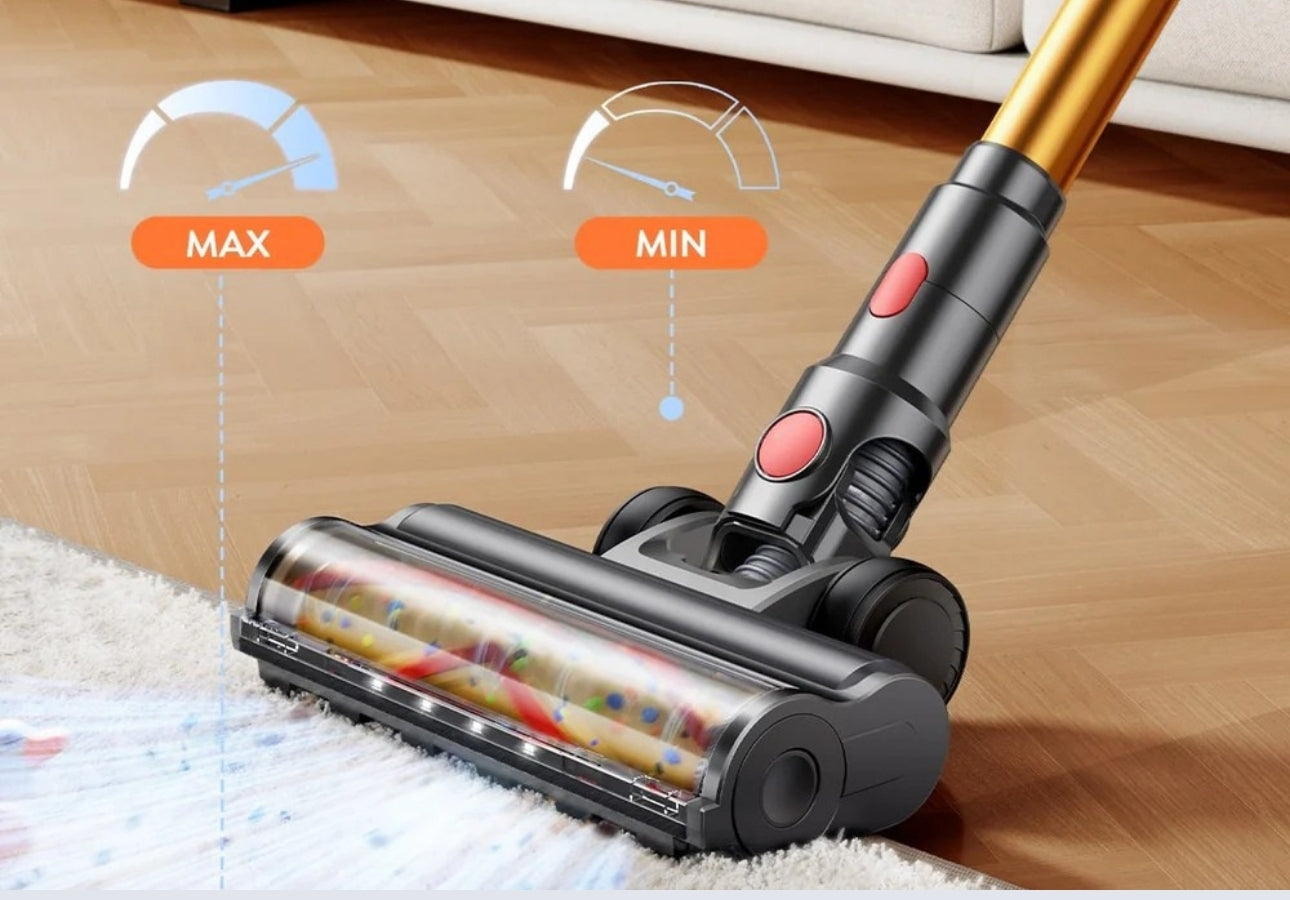
Diagnosing the suction problem quickly
Start with a quick check so you don’t waste time repairing the wrong part. Turn the vacuum on and listen. Feel suction at the hose and at the floor head. Note where suction is weak: at the hose, the brush head, or the canister.
Common signs to log
- Weak pull at hose or wand.
- Noisy motor or strange smells.
- Brush roll not spinning or skipping debris.
- Fine dust left on hardwood despite vacuuming.
A clear diagnosis cuts repair time. Use the checks below to isolate the issue before you start disassembly. After diagnosis, you’ll be ready to tackle how to fix vacuum cleaner poor suction on hardwood floors with confidence.

Common causes of poor suction on hardwood floors
Understanding root causes helps you pick the right fix. On hardwood, suction issues often come from different places than on carpet.
Main culprits
- Clogged filters or full dust bin.
- Blocked hose, wand, or floor head.
- Worn or jammed brush roll.
- Incorrect floor setting or suction control.
- Broken seal or loose attachments.
- Motor or fan damage in severe cases.
Hardwood-specific notes
- Soft or worn floor head skirts can leak air and reduce suction.
- Upright vacuums with sealed systems lose efficiency if seals fail.
- Using a beater brush too aggressively can scatter dust instead of lift it.
Knowing these causes makes it easier to fix how to fix vacuum cleaner poor suction on hardwood floors without guesswork.

Step-by-step fixes: from simple to advanced
Follow these steps in order. Many suction problems are solved by the first three items.
- Empty and clean collection points
- Empty the dust bin or replace the bag.
- Rinse reusable bins with warm water and let dry thoroughly.
- Replace disposable bags when full or a third to half full if suction drops.
- Clean or replace filters
- Pre-motor and post-motor filters trap fine dust. Remove and tap out loose dirt.
- Wash foam or cloth filters with mild soap and air dry completely.
- Replace HEPA cartridges per manufacturer schedule.
- Filters clogged with fine powder reduce suction significantly on hardwood.
- Check for blockages in hose, wand, and floor head
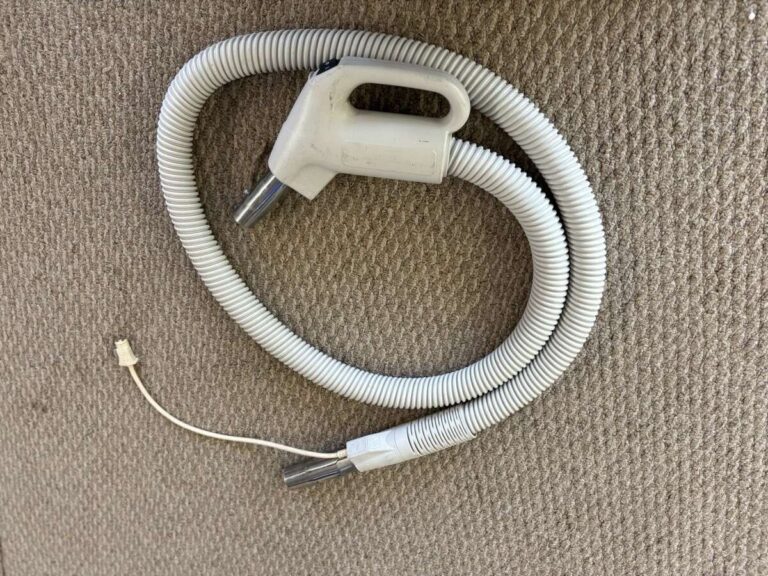
- Detach hose and visually inspect. Use a long brush or a broom handle gently to push out clogs.
- Remove the floor head plate and clear debris from the brush chamber.
- Test suction at the hose after removing attachments to see if it improves.
- Inspect and maintain the brush roll
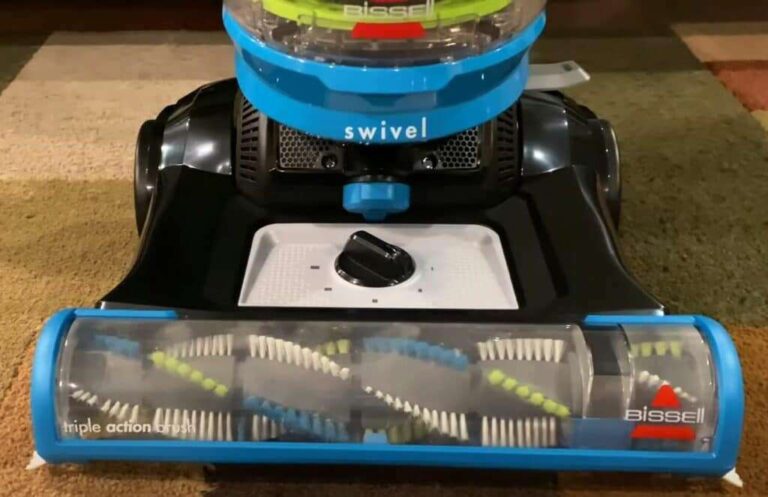
- Remove hair and fibers wrapped around the brush. Use scissors to cut tangled strands.
- Ensure the brush spins freely. Replace bearings or belts if stiff or broken.
- If the brush is designed for hard floors, set it to the passive mode or remove aggressive bristles.
- Check seals, gaskets, and attachment fit
- Inspect where hose meets canister and where wand meets head. Look for worn or cracked gaskets.
- Replace missing or damaged seals to restore sealed suction.
- Tighten loose latches and clips.
- Adjust suction settings and floor head type
- Many vacuums have a hard floor mode or suction control. Lower suction for hardwood if debris is being scattered, or increase it to pick fine dust.
- Use a soft floor head or a hard floor attachment to maintain a close seal without scratching.
- Test motor and fan performance
- If suction is weak after clearing filters and blockages, listen for changes in motor tone.
- A failing motor or damaged fan may need professional repair or replacement.
- Consider warranty or repair costs before paying for a major motor fix.
- Reassemble and test
- Put all parts back and test suction on a small hardwood area.
- Use a tissue over the hose opening to check pull strength consistently.
These practical steps explain how to fix vacuum cleaner poor suction on hardwood floors in a logical, low-cost order.

Tools and parts you may need
Gather basic tools before you start. This saves time and avoids interruptions.
Recommended items
- Screwdrivers (Phillips and flat).
- Scissors or a seam ripper to cut tangled hair.
- A long flexible brush or broom handle for clearing hoses.
- Replacement filters, belts, and gaskets.
- Soft microfiber dusting pads or hard-floor brush head.
- Compressed air can for blowing dust from motor vents.
Having parts on hand speeds up fixes and helps you decide whether to DIY or seek a pro for how to fix vacuum cleaner poor suction on hardwood floors.

Preventive maintenance and best practices
Small habits prevent big suction problems over time. Regular care keeps suction strong and protects your hardwood.
Simple routines
- Empty bin after heavy use. Don’t wait until it’s full.
- Clean washable filters monthly. Replace non-washable filters per schedule.
- Check brush roll for hairs after every few uses.
- Use a soft floor head or microfiber pad for daily hardwood cleaning.
- Store hoses and attachments off the floor to prevent kinks.
Benefits
- Longer vacuum life.
- Better indoor air quality.
- Less sanding or refinishing of hardwood from stray grit.
These habits reduce how often you need to troubleshoot how to fix vacuum cleaner poor suction on hardwood floors.

When to repair vs replace
Deciding whether to repair or replace depends on age, cost, and performance.
Consider repair if
- The vacuum is newer and under warranty.
- Repairs are simple: filter, hose, belt, seals.
- Motor and chassis are in good shape.
Consider replace if
- Motor or fan is damaged and repair cost is high.
- The model is older than 8–10 years and lacks modern seals and HEPA filters.
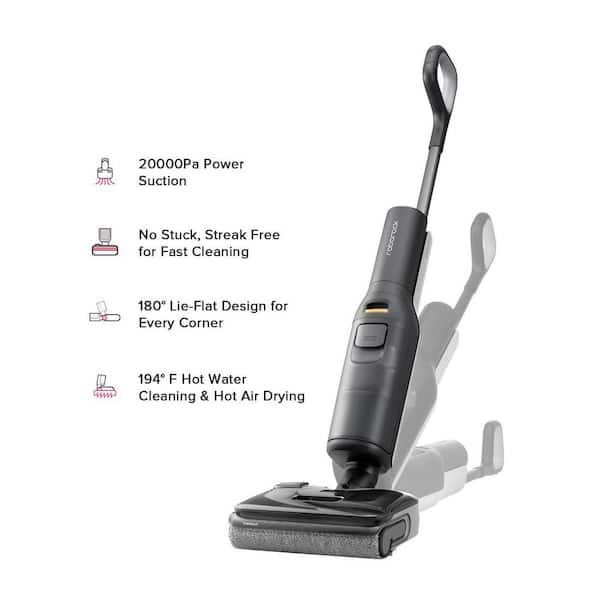
- You need better tools for hardwood: low-profile heads, soft-bristle rollers, or canister vacuums with strong sealed suction.
Weigh repair cost against a new unit’s features and long-term savings before deciding how to fix vacuum cleaner poor suction on hardwood floors by replacing.
Personal experience and tips from the field
I once helped a client whose hardwood still had fine grit after vacuuming. The dust bin was new, but suction at the head was weak. After removing a small plastic toy lodged deep in the hose and replacing a worn gasket, suction returned. Lesson learned: the small hidden things matter.
Helpful tips I use
- Label parts and take photos during disassembly. It speeds reassembly.
- Keep a small parts kit: extra belts, common filters, and seals.
- If a vacuum leaves streaks on wood, check brush speed and floor head fit—not just suction.
These real-world tips reflect hands-on fixes that work when addressing how to fix vacuum cleaner poor suction on hardwood floors.

Troubleshooting checklist (quick)
Use this checklist to track what you’ve tried. It’s a fast path to restore suction.
Step-by-step checklist
- Empty bin or replace bag.
- Clean or replace filters.
- Remove and inspect hose/wand.
- Clear brush roll and check belt.
- Inspect seals and attachment fit.
- Test motor sound and airflow at hose.
- Replace worn parts or consult a technician.
Keep this checklist on your phone for quick use when suction dips on hardwood.

Frequently Asked Questions of how to fix vacuum cleaner poor suction on hardwood floors
What is the first thing I should check for poor suction on hardwood floors?
Start by emptying the dust bin or replacing the bag, then check and clean filters. These fixes solve most suction issues.
Can a clogged hose really cause weak suction?
Yes. A single clog in the hose or wand can cut suction dramatically. Remove attachments and inspect for blockages.
Should I remove the brush roll when cleaning hardwood?
Often yes. A spinning beater brush can scatter dust on hardwood. Use a hard-floor attachment or turn off the brush if possible.
How often should I replace filters for best suction?
Replace or deep-clean filters every 3 to 6 months with heavy use. HEPA and non-washable filters may need replacement more often.
When is it time to get professional help for poor suction?
If you’ve cleared filters and blockages and suction is still weak, and you suspect motor or fan damage, seek professional repair or evaluate replacement.
Conclusion
You can restore strong suction on hardwood with a smart, step-by-step approach. Start small—empty the bin, clean filters, and clear hoses—then move to seals and brush roll checks. Keep a maintenance routine and a small parts kit to prevent repeat problems. Try the checklist today and you’ll likely fix how to fix vacuum cleaner poor suction on hardwood floors without delay. If the issue persists, compare repair costs to a newer model with better hard-floor features, and share your results or questions below.

Liora Pennings is a seasoned chef and kitchen enthusiast with a passion for turning everyday cooking into an effortless experience. With years of hands-on culinary expertise, she specializes in practical techniques, ingredient know-how, and smart kitchen solutions that help home cooks elevate their meals. At KitchFlair.com, Liora shares her best tips, time-saving tricks, and honest product reviews to guide readers toward a more efficient, enjoyable, and inspired cooking routine. Whether you’re a beginner or a seasoned home chef, Liora’s friendly, knowledge-packed insights make every visit to the kitchen a little easier—and a lot more delicious.