What To Check Before Buying Vacuum Cleaner Online: Key Tips
Check suction, floor type, filter, bin size, noise, attachments, warranty, reviews, and return terms before ordering online.
Buying a vacuum cleaner online can save time and money, but product pages often hide key details behind vague claims. After comparing vacuum types, specifications, user reviews, and return policies, I have found that the best choice depends less on flashy features and more on how well the machine fits your home.
This guide explains what to check before buying vacuum cleaner online, so you can compare models with confidence and avoid an expensive mistake.
Match the Vacuum Type to Your Home
The first step in what to check before buying vacuum cleaner online is choosing the right vacuum style. Each type works best for a different home, floor plan, and cleaning routine.
Upright vacuum cleaners
Upright vacuums often offer strong cleaning power on carpets. They usually have a wide cleaning head, a large dust container, and a motorized brush roll.
They can be a good choice for:
• Large carpeted rooms
• Homes with pets
• Deep cleaning tasks
• Users who prefer strong suction
The trade-off is weight. An upright vacuum may feel tiring on stairs or in small rooms.
Canister vacuum cleaners
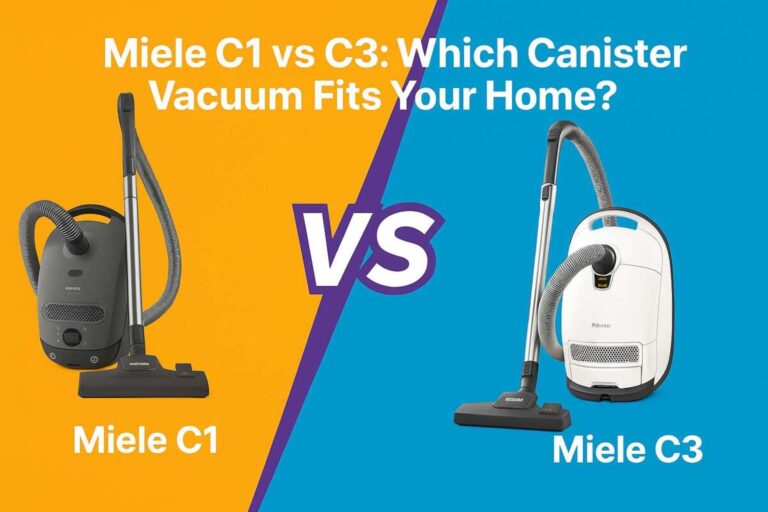
Canister vacuums have a separate body connected to a hose and cleaning wand. They are often easier to move around furniture and work well on hard floors, stairs, and above-floor areas.
Choose a canister model if you need:
• Flexible cleaning around furniture
• A lighter floor head
• Better reach on stairs
• Strong cleaning for mixed flooring
The hose and cord can take more storage space than a stick vacuum.
Stick vacuum cleaners
Stick vacuums are slim, light, and easy to store. Many cordless models are useful for quick daily cleaning, kitchen spills, and small apartments.
However, they may have:
• Smaller dust bins
• Shorter run times
• Less deep carpet cleaning power
• Higher battery replacement costs
A stick vacuum is often best for regular upkeep rather than heavy-duty cleaning.
Robot vacuum cleaners
Robot vacuums can clean floors with little effort. Many models map rooms, avoid objects, and return to their charging base.
They are useful for:
• Daily dust removal
• Homes with open floor plans
• People with busy schedules
• Maintaining floors between deep cleans
A robot vacuum is not a complete replacement for a standard vacuum. It may struggle with stairs, thick rugs, corners, and clutter.
Handheld vacuum cleaners
Handheld models are made for small jobs. They work well for car interiors, furniture, stairs, crumbs, and pet hair on soft surfaces.
They are convenient, but most cannot replace a full-size vacuum for whole-home cleaning.
Check Suction Power and Cleaning Performance
Many shoppers focus on wattage, but motor wattage does not tell the full story. A higher watt number does not always mean better cleaning.
The more useful question in what to check before buying vacuum cleaner online is how the vacuum performs on your floor type. Look for information about suction, airflow, brush design, and cleaning tests.
Understand suction ratings
Some brands list suction in air watts, kilopascals, or other measurements. These numbers can help, but they are not always measured under the same conditions.
Use specifications as a guide, not as the only deciding factor. Independent testing and detailed customer reviews often show how the vacuum performs in real homes.
Look for adjustable suction
Adjustable suction is helpful when you clean both carpets and hard floors. Strong suction may pull at delicate rugs, while low suction may not remove embedded dirt from thick carpet.
A useful vacuum may offer:
• Carpet and hard-floor modes
• Adjustable suction control
• Automatic floor detection
• A brush roll that can be turned off
Check the brush roll
A rotating brush roll helps lift dirt from carpet fibers. Some brush rolls also collect hair, which can create a cleaning problem of its own.
For homes with pets or long hair, look for:
• Anti-tangle brush design
• Easy brush-roll removal
• Hair-cutting grooves
• Clear access to the brush chamber
One mistake I often see is buying a vacuum with strong suction but ignoring the brush roll. On carpets, the brush design can matter as much as the motor.

Confirm It Works With Your Floor Type
The best vacuum for hardwood floors may not be the best vacuum for thick carpet. Before buying, list every floor surface in your home.
Consider:
• Hardwood
• Laminate
• Tile
• Vinyl
• Low-pile carpet
• High-pile carpet
• Area rugs
• Stairs
For hardwood floors, choose a vacuum with soft wheels and a cleaning head that will not scratch the surface. A brush-roll shutoff is useful because a spinning brush may scatter debris or mark delicate floors.
For carpets, look for a motorized brush roll and height adjustment. High-pile rugs may need a higher cleaning head so the vacuum does not become difficult to push.
For mixed flooring, a multi-surface head is convenient. Still, read reviews to confirm that the head transitions smoothly between surfaces.
When learning what to check before buying vacuum cleaner online, do not rely on the phrase “all floor.” Check the actual floor settings and user feedback.
Compare Filtration and Allergen Control
Filtration affects both air quality and cleaning results. A vacuum should collect dust without sending too much fine material back into the room.
Look for a sealed system
A high-quality filter cannot do its job if air leaks around the dust bin, hose, or body. A sealed vacuum keeps more dirty air inside the machine.
Look for terms such as:
• Sealed filtration system
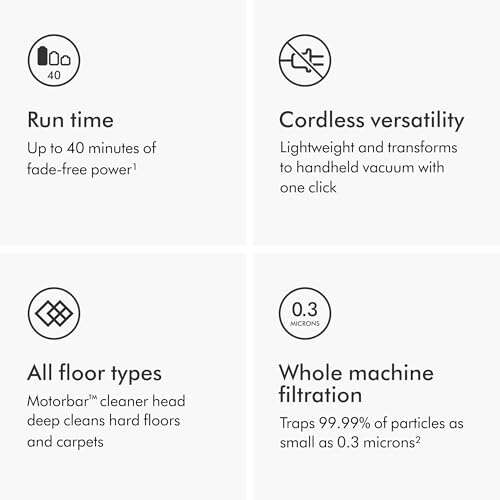
• Whole-machine filtration
• Washable pre-motor filter
• Replaceable exhaust filter
Understand HEPA filtration
HEPA filters are designed to capture very small particles. In the United States, a true HEPA filter is generally expected to remove at least 99.97% of particles measuring 0.3 microns under specific test conditions.
That does not mean every vacuum labeled “HEPA” performs equally in a real home. The machine also needs good seals and correct filter maintenance.
A sealed HEPA vacuum can be helpful for people who have allergies or asthma. Still, vacuuming alone does not remove every indoor allergen. Washing bedding, reducing clutter, and controlling moisture also matter.
Check replacement filter costs
A filter may need cleaning or replacement. Before buying, confirm:
• How often the filter needs service
• Whether the filter is washable
• The cost of replacement filters
• Whether filters are easy to find
• Whether the manufacturer sells genuine parts
This is a practical part of what to check before buying vacuum cleaner online because low purchase prices can become expensive over time.

Review the Dust Bin, Bag, and Maintenance Needs
A vacuum can clean well and still become frustrating if it needs constant emptying or difficult maintenance.
Bagged versus bagless
Bagged vacuums hold dirt in disposable bags. They usually create less dust during emptying and can be a good choice for allergy-sensitive users.
Bagless vacuums use a reusable dust bin. They reduce the need to buy bags, but emptying the bin can release dust into the air.
Check dust-bin capacity
A small bin may be fine for a studio apartment. A larger home or a pet household may need a bigger capacity.
Check the listed capacity and consider how often you want to empty the vacuum. A small cordless vacuum may need emptying after every large cleaning session.
Check how easy it is to clean
Look for a dust bin that opens with one hand and does not require you to touch the dirt. Also check whether hair can be removed from the filter and brush roll without special tools.
A useful maintenance checklist includes:
• Empty the bin before it reaches the maximum line
• Clean washable filters as directed
• Replace damaged seals
• Remove hair from the brush roll
• Inspect the hose for blockages
One lesson learned from comparing many models is that simple maintenance often beats extra smart features. A vacuum that is easy to clean is more likely to keep working well.
Examine Cord, Battery, and Run Time
Power options can affect how convenient a vacuum feels every day.
Corded vacuum cleaners
Corded models provide steady power and do not require charging. They are often a strong choice for deep cleaning and large homes.
Check:
• Cord length
• Automatic cord rewind
• Outlet limits
• Hose reach
• Weight while carrying
A short cord can make a powerful vacuum feel inconvenient because you must keep changing outlets.
Cordless vacuum cleaners
Cordless models are fast and flexible. They work well for quick cleanups, but battery life varies by power mode and attachment.
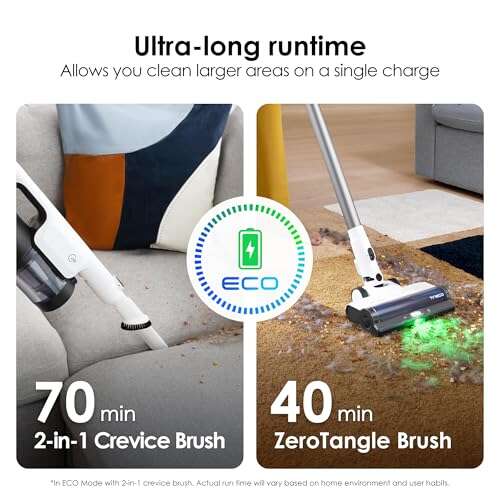
Do not trust the highest advertised run time without reading the details. A vacuum may run for 50 minutes in a low-power mode but much less with a motorized brush.
Check:
• Realistic run time in standard mode
• Charging time
• Battery replacement price
• Removable battery design
• Extra battery availability
• Performance loss when the battery is low
For a large home, calculate whether one charge can clean the areas you use most. This is one of the most important points in what to check before buying vacuum cleaner online.