How Many Air Watts Is A Good Vacuum Cleaner: Quick Guide
For most homes, a vacuum with 100 to 150 air watts offers strong and useful cleaning power.
Knowing how many air watts is a good vacuum cleaner can make shopping much easier. Air watts measure the suction system more clearly than motor watts, but the number is only part of the story. The cleaning head, brush roll, filter, airflow, battery, and floor type also affect real-world results. This guide explains the best air watt range for each vacuum type and shows how to choose with confidence.
What Are Air Watts in a Vacuum Cleaner?
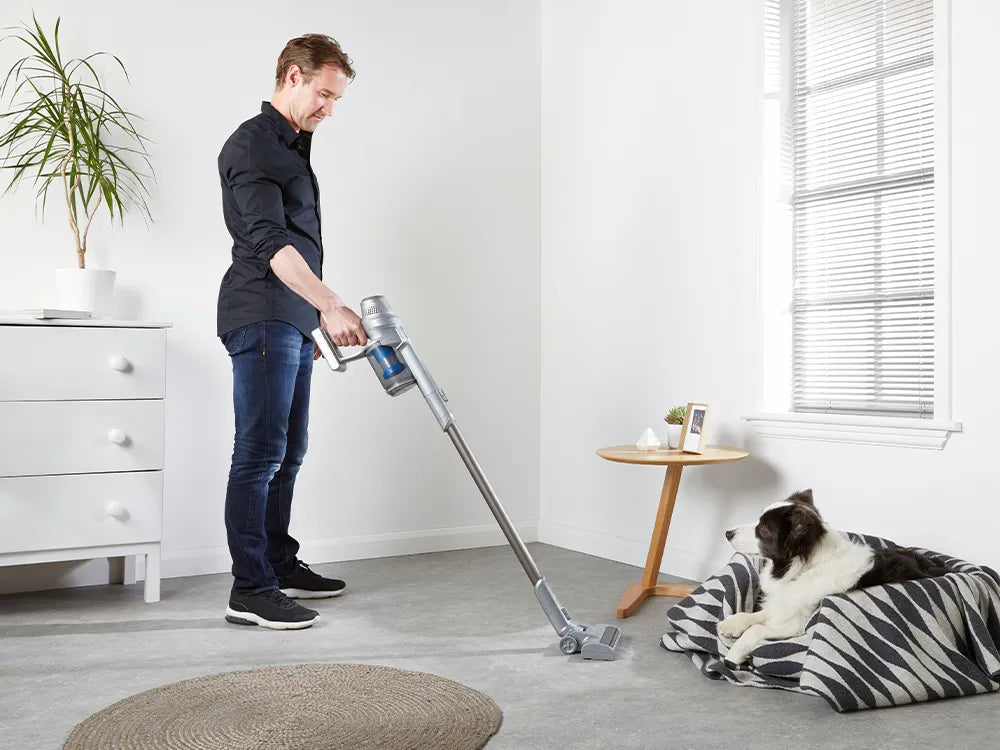
Air watts measure the vacuum’s ability to move air while creating suction. The rating combines two key factors:
• Airflow, which is the volume of air moved through the vacuum
• Suction pressure, which is the force that pulls dirt into the machine
A vacuum with a strong motor may still clean poorly if its airflow is weak or its floor head does not seal well. Think of air watts as the engine’s useful pulling power, not simply the size of the engine.
Motor watts show how much electrical power a vacuum uses. Air watts show how much suction and airflow the vacuum produces. For this reason, air watts are often more useful when comparing vacuum cleaners.
However, air watt ratings are not always measured under the same conditions. Some brands test the vacuum at the motor, while others test it at the cleaning head. This makes direct comparisons difficult.
How Many Air Watts Is a Good Vacuum Cleaner?
For most homes, 100 to 150 air watts is a good target for a full-size vacuum cleaner. This range usually provides enough power for hard floors, rugs, stairs, and regular carpet.
If your home has thick carpet, shedding pets, or heavy foot traffic, look for 150 to 200 air watts or more. Stronger suction can help lift embedded hair and grit, but the cleaning head must also be well designed.
Here is a simple guide:
• 15 to 50 air watts: Light handheld vacuums and small spot cleaners
• 50 to 100 air watts: Basic cordless stick vacuums and smaller canister models
• 100 to 150 air watts: Good general-purpose vacuum cleaners
• 150 to 200 air watts: Powerful vacuums for carpets, pets, and larger homes
• More than 200 air watts: Very strong suction, often found in premium corded or high-performance models
These ranges are practical estimates, not strict industry rules. A well-sealed 120-air-watt vacuum may clean better than a poorly designed 180-air-watt model.

Recommended Air Watts by Vacuum Type
The answer to how many air watts is a good vacuum cleaner depends on the vacuum style. A cordless stick vacuum has different power needs than a corded upright or a robot vacuum.
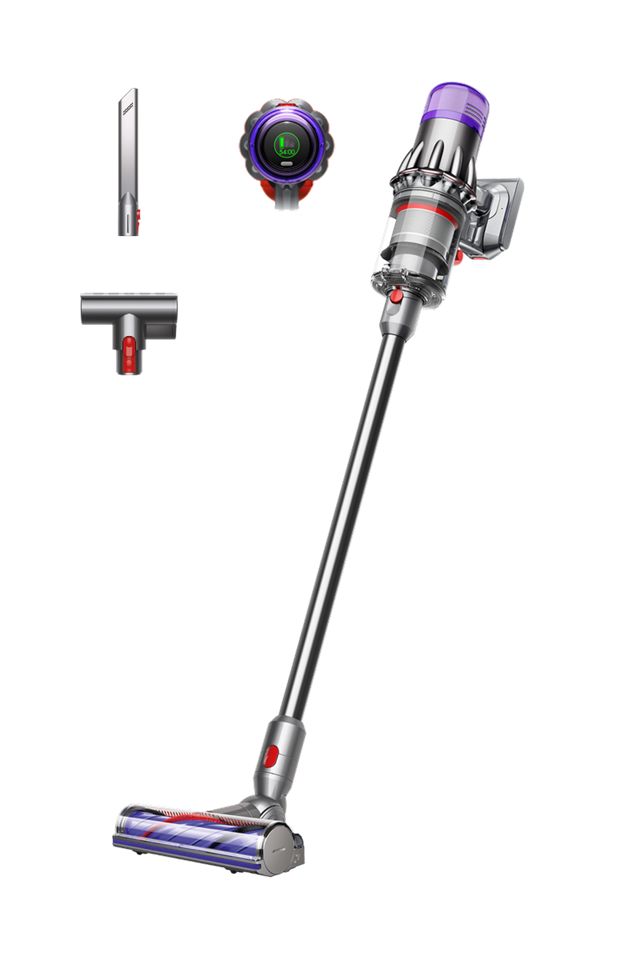
Cordless stick vacuums
a cordless stick vacuum with 100 to 150 air watts is usually suitable for daily cleaning. Choose closer to 150 air watts if you have pets, rugs, or medium-pile carpet.
Many cordless models list peak air watts in their highest power mode. That mode may reduce battery life quickly. In everyday mode, the vacuum may deliver less power.
Upright vacuums
A corded upright vacuum often performs well at 100 to 200 air watts. Uprights usually have a powered brush roll and a strong floor seal, which helps them clean carpets effectively.
For homes with thick carpet, choose a model with adjustable suction. Too much suction can make the vacuum hard to push and may stress delicate rugs.
Canister vacuums
A canister vacuum with 100 to 200 air watts can handle hard floors, rugs, furniture, and stairs. Many canister models use long hoses and wide cleaning heads, so airflow through the hose is especially important.
A good canister vacuum should also have a floor tool that switches smoothly between hard floors and carpet.
Handheld vacuums
Most handheld vacuums produce about 15 to 50 air watts. That may sound low, but it is enough for crumbs, car seats, furniture, and small spills.
A handheld vacuum is not designed to replace a full-size machine. Its smaller body and shorter runtime make it better for quick jobs.
Robot vacuums
Robot vacuums often list suction in pascals rather than air watts. These ratings do not convert neatly because air watts measure airflow and suction together, while pascals measure pressure.
A robot vacuum needs enough suction to collect dust and hair, but navigation, brush design, and floor contact matter just as much. A robot with a lower published rating may still perform well on hard floors.
Is Higher Air Wattage Always Better?
Higher air watts do not always mean better cleaning. Strong suction can help pull dirt from carpet, but it can also create problems.
A vacuum with excessive suction may be difficult to move across thick rugs. It may also pull at delicate fabric, scatter debris when the floor head is poorly designed, or use battery power very quickly.
During hands-on comparisons, I have found that the floor head often changes the result more than a small difference in air watts. A vacuum that seals tightly around the floor can collect more dirt than a stronger vacuum that allows air to escape around the nozzle.
Look for a balance of:
• Strong airflow
• Good suction pressure
• A sealed system
• An effective brush roll
• A floor head that matches your flooring
• A filter that stays clean
The best vacuum is not the one with the biggest number. It is the one that turns its power into useful cleaning.

Air Watts vs. Suction, Watts, and Pascals
Vacuum brands use several power terms, and they do not mean the same thing.
Air watts
Air watts combine airflow and suction pressure. They are useful for judging the vacuum’s total cleaning power, although test methods can vary.
Motor watts
Motor watts measure electrical input. A higher motor watt rating may indicate a larger motor, but it does not prove stronger cleaning performance.
Suction power
Suction power usually refers to the force created by the vacuum. It may be measured in inches of water lift, kilopascals, or another unit.
Pascals
Pascals measure pressure. Robot vacuum brands often use this term. A high pascal number does not directly tell you how much air the vacuum moves.
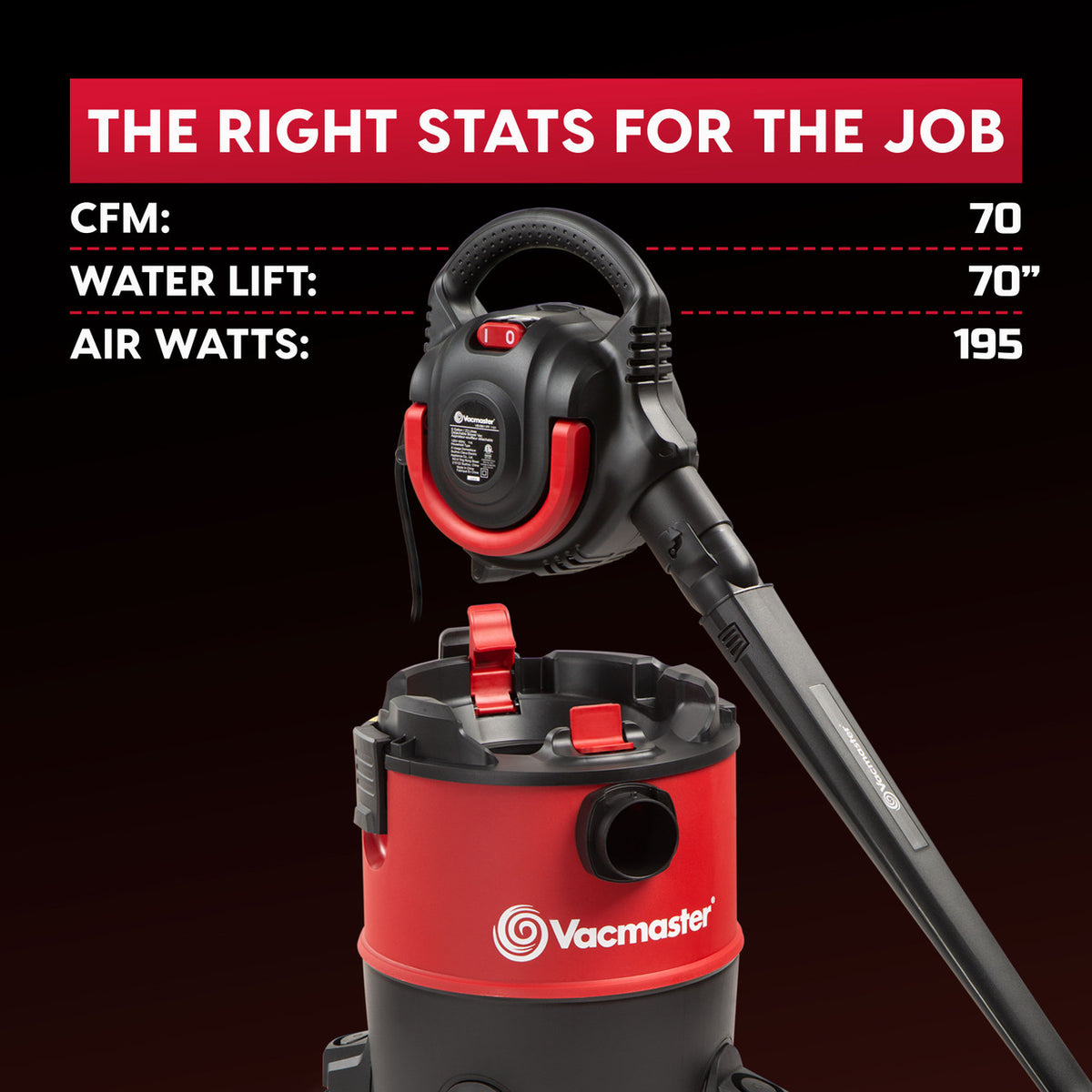
CFM
CFM means cubic feet per minute. It measures airflow. A vacuum needs both good airflow and strong suction to remove dirt well.
When deciding how many air watts is a good vacuum cleaner, air watts can be helpful. Still, compare the number with independent tests, warranty details, cleaning tools, and real user feedback.

What Air Watt Rating Do You Need for Different Floors?
Your flooring should guide your choice more than a single power number.
Hardwood and tile floors
For hard floors, 50 to 100 air watts may be enough for daily dust and crumbs. A soft roller or hard-floor nozzle can matter more than extra suction.
A strong brush roll can sometimes scatter larger debris across smooth floors. Look for a head designed to collect dirt without pushing it forward.
Low-pile carpet
A vacuum with 100 to 150 air watts should handle most low-pile carpet. A motorized brush roll helps lift fine dust and hair from the fibers.
Thick carpet
For thick carpet, consider 150 to 200 air watts or more. Adjustable suction is helpful because the ideal setting depends on carpet density.
Homes with pets
Pet owners should look for at least 100 to 150 air watts in a full-size vacuum. More power can help, but an anti-tangle brush roll and strong filtration are just as important.
Pet hair often wraps around the brush instead of entering the dust bin. A vacuum with easy brush-roll access can save time and frustration.
Stairs and upholstery
Stairs and furniture need a flexible hose, crevice tool, and powered upholstery tool. A compact vacuum with 50 to 100 air watts may work well for these areas.
Other Features That Matter More Than Air Watts
Air watts answer part of the question, “how many air watts is a good vacuum cleaner?” They do not answer everything.
Sealed filtration
A sealed system keeps air from escaping through gaps in the body or filter housing. This helps the vacuum maintain useful suction and reduces the chance of fine dust leaking back into the room.
A vacuum may use a HEPA filter, but the machine also needs a sealed design to make that filter effective.
Brush-roll design
A motorized brush roll agitates carpet and loosens dirt. For hard floors, a soft roller may collect fine dust and larger pieces with less scattering.
For pets, choose a brush roll that resists tangles or can be removed easily.
Filtration
Good filtration helps trap fine particles. This is especially useful for people with allergies, asthma, or sensitivity to dust.
Replace or wash filters as the manual instructs. A clogged filter can reduce airflow and make even a powerful vacuum perform poorly.
Dust-bin capacity
A small dust bin may need frequent emptying. As the bin fills, airflow can drop in some models.
For a large home or several pets, choose a larger bin or a bagged vacuum with a suitable bag size.
Noise
More power can mean more noise, but motor design and insulation also matter. Check independent noise tests if quiet cleaning is important to you.
Usability
Weight, steering, cord length, battery life, and tool storage affect how often you will use the vacuum. The most powerful vacuum is not helpful if it is too heavy to carry upstairs.

How to Test a Vacuum’s Real Cleaning Power
Manufacturers do not always provide air watt data in the same way. You can still judge performance with a practical checklist.
-
Check the air watt rating if the brand provides one.
-
Confirm whether the rating applies to the motor, hose, or floor head.
-
Look for independent testing on carpet and hard floors.
-
Read reviews that mention pet hair, fine dust, and embedded dirt.
-
Check battery runtime in the mode you expect to use.
-
Inspect the brush roll and floor head design.
-
Confirm that filters are washable or easy to replace.
-
Test whether the vacuum is easy to push and steer.
-
Review the return policy before buying.
In my own comparisons, I pay close attention to repeated results rather than one impressive demonstration. A vacuum that picks up a large pile of rice may still struggle with fine dust or hair in carpet.
Also, do not judge a vacuum by a sealed-suction test alone. A machine can show high pressure with its airflow blocked but perform poorly when air must move through a real cleaning head.
Common Mistakes When Choosing Vacuum Power
Many shoppers make the same mistakes when comparing air watts.
Mistake 1: Comparing motor watts with air watts
A 1,200-watt motor is not automatically stronger than a 900-watt motor. Motor watts show energy use, not cleaning results.
Mistake 2: Trusting the largest number
A high air watt rating may represent a short boost mode. Check how long the vacuum can run at that level.
Mistake 3: Ignoring the floor head
The nozzle controls how well the vacuum connects with the floor. A poor seal can waste much of the motor’s power.
Mistake 4: Forgetting maintenance
Full bins, dirty filters, and tangled brush rolls reduce airflow. Regular care can restore much of the vacuum’s performance.
Mistake 5: Buying too much power
A very powerful vacuum may be overkill for a small apartment with hard floors. It may cost more, weigh more, and produce more noise than needed.
How to Maintain Suction Over Time
Even when you buy the right air watt rating, maintenance determines how long the vacuum performs well.
• Empty the dust bin before it reaches the maximum fill line.
• Replace disposable bags before they become packed with dust.
• Wash washable filters only as directed.
• Let filters dry fully before reinstalling them.
• Remove hair from the brush roll often.
• Check the hose for clogs.
• Inspect the floor head for trapped debris.
• Replace worn belts or damaged seals.
A small blockage can act like a kink in a garden hose. The motor may still run, but the airflow cannot move freely.
If suction suddenly drops, check the filter, hose, brush roll, and dust bin before assuming the motor has failed.
How Many Air Watts Is a Good Vacuum Cleaner for You?
Use your home and cleaning habits to choose the right range.
Choose 50 to 100 air watts if:
• You live in a small space
• You mostly clean hard floors
• You need a light cordless or handheld vacuum
• You clean small messes often
Choose 100 to 150 air watts if:
• You need one vacuum for most household cleaning
• You have a mix of hard floors, rugs, and carpet
• You want good everyday power
• You have one small or medium-size pet
Choose 150 to 200 air watts if:
• You have thick carpet
• You own several pets
• Your home has heavy foot traffic
• You need to remove embedded hair and grit
Remember that these figures are a starting point. Floor-head design, filtration, airflow, and ease of use can change the result.
Frequently Asked Questions About How Many Air Watts Is a Good Vacuum Cleaner
Is 100 air watts enough for a vacuum cleaner?
Yes, 100 air watts is enough for many homes, especially those with hard floors, low-pile carpet, and light daily messes. A well-sealed vacuum with a good brush roll can perform very well at this level.
Is 150 air watts good for a cordless vacuum?
Yes, 150 air watts is a strong rating for a cordless stick vacuum. Keep in mind that the vacuum may reach this level only in boost mode, which can reduce battery life.
Are higher air watts better for pet hair?
Higher air watts can help remove pet hair from carpets, but suction alone is not enough. An anti-tangle brush roll, strong airflow, and a useful upholstery tool are also important.
Is air wattage more important than motor wattage?
Air wattage is usually more useful because it reflects airflow and suction together. Motor wattage shows electrical consumption and does not guarantee better cleaning.
How many air watts does a handheld vacuum need?
A handheld vacuum often works well with 15 to 50 air watts. Choose the higher end for car interiors, upholstery, and heavier debris.
Can a low-air-watt vacuum still clean well?
Yes, a low-air-watt vacuum can clean well when it has a close floor seal, efficient airflow, and a suitable brush roll. Air watts should be compared with the vacuum’s design and intended floor type.
Conclusion
For most households, 100 to 150 air watts is a good vacuum cleaner range. Choose 150 to 200 air watts or more for thick carpet, heavy dirt, or several pets. For hard floors and quick cleanups, a lower rating may be perfectly suitable.
Do not shop by air watts alone. Check the floor head, airflow, filtration, battery life, dust-bin size, weight, and maintenance needs. Use these factors together to find a vacuum that fits your home instead of simply choosing the largest number.
Now compare a few models based on your flooring and cleaning routine, and share your experience with which vacuum works best for you.

Liora Pennings is a seasoned chef and kitchen enthusiast with a passion for turning everyday cooking into an effortless experience. With years of hands-on culinary expertise, she specializes in practical techniques, ingredient know-how, and smart kitchen solutions that help home cooks elevate their meals. At KitchFlair.com, Liora shares her best tips, time-saving tricks, and honest product reviews to guide readers toward a more efficient, enjoyable, and inspired cooking routine. Whether you’re a beginner or a seasoned home chef, Liora’s friendly, knowledge-packed insights make every visit to the kitchen a little easier—and a lot more delicious.