How Many Amps Vacuum Cleaner: Choose The Right Power
Most household vacuum cleaners use 5 to 12 amps, while compact models often use less and shop vacuums may use more.
Knowing how many amps a vacuum cleaner uses helps you choose the right model, avoid tripped breakers, and estimate energy use. Amps tell you how much electrical current the motor draws, but they do not tell the whole story about suction, airflow, cleaning power, or quality. This guide explains vacuum cleaner amp ratings in clear terms, with practical ranges, simple formulas, safety tips, and buying advice.
How Many Amps Does a Vacuum Cleaner Use?
Most corded household vacuum cleaners use between 5 and 12 amps when connected to a standard US outlet. The exact figure depends on the vacuum type, motor size, design, and cleaning purpose.
Here are common amp ranges:
• Handheld vacuum cleaners: 2 to 6 amps
• Stick vacuum cleaners: 2 to 8 amps
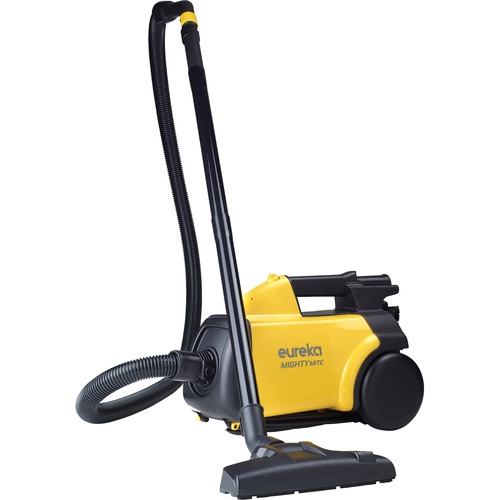
• Canister vacuum cleaners: 5 to 12 amps
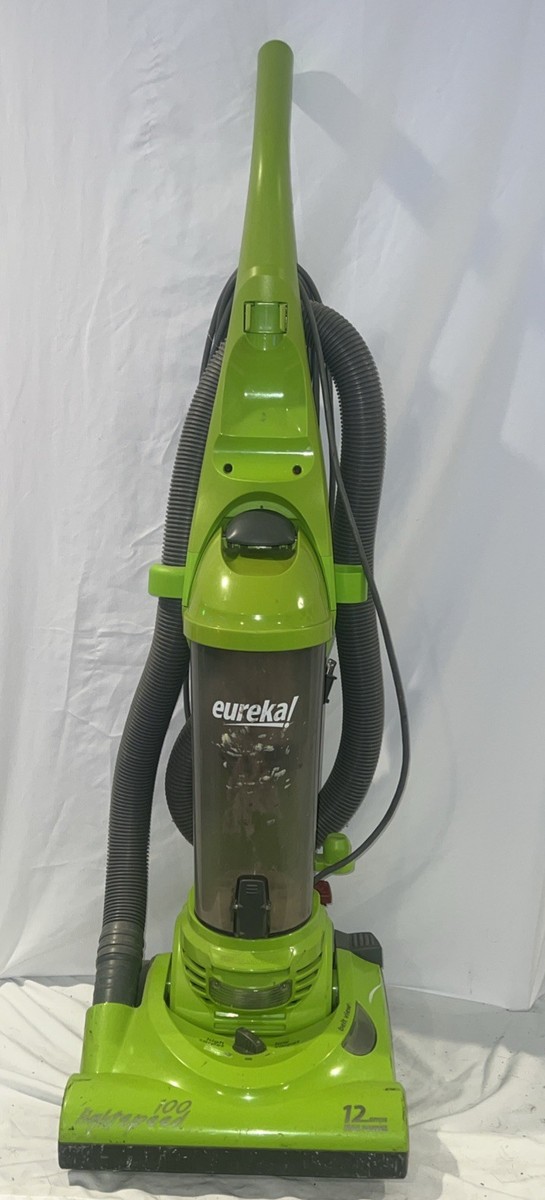
• Upright vacuum cleaners: 7 to 12 amps
• Central vacuum systems: 7 to 13 amps
• Shop vacuums: 5 to 15 amps
• Commercial vacuums: 8 to 15 amps or more
A vacuum listed as 10 amps does not always consume 10 amps every second. The rating usually shows the highest current the motor may draw under normal operating conditions. Actual use can change with the floor type, blocked filters, full bags, hose resistance, and motor load.
When people ask, “how many amps vacuum cleaner models use,” they are often trying to compare power. That comparison is useful, but it should not be the only factor. A well-designed 7-amp vacuum can clean better than a poorly designed 12-amp model.
What Do Amps Mean on a Vacuum Cleaner?
An amp, short for ampere, measures electrical current. In simple terms, it shows how much electricity flows through the vacuum while the motor runs.
Think of electricity like water moving through a hose. Voltage is similar to water pressure, while amps are similar to the amount of water flowing through the hose. A vacuum motor needs both voltage and current to operate.
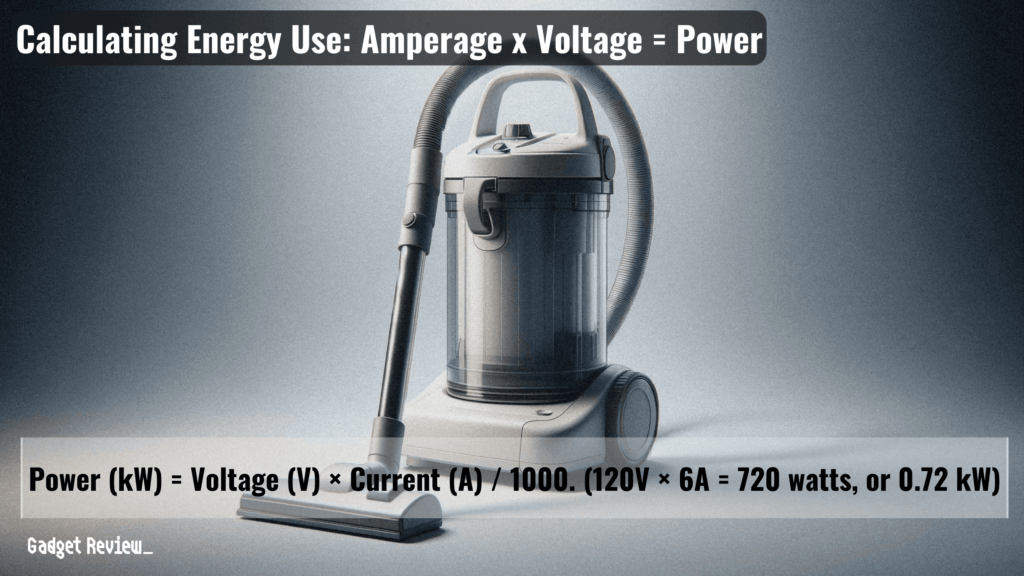
Most US household outlets provide about 120 volts. You can estimate a vacuum’s power in watts with this formula:
Watts = Volts × Amps
For example:
• A 6-amp vacuum at 120 volts uses about 720 watts
• A 10-amp vacuum at 120 volts uses about 1,200 watts
• A 12-amp vacuum at 120 volts uses about 1,440 watts
This estimate does not account for motor efficiency or changes in real-world operation. Still, it gives you a useful way to understand the electrical load.
A higher amp rating usually means the vacuum has a larger motor or draws more current. However, higher amps do not automatically mean stronger suction. Airflow, sealed suction, brush design, filtration, and nozzle construction also affect cleaning results.
Typical Amps by Vacuum Type
Different vacuum styles have different electrical needs. A small cordless stick vacuum may use very little electricity from the wall because its battery powers the motor. A large upright or shop vacuum needs more current because it often has a larger motor and wider air path.
Upright vacuum cleaners
Most corded upright vacuums use 7 to 12 amps. Many household models fall between 8 and 10 amps.
Uprights often have motorized brush rolls. These brushes help lift dirt from carpets, but they also add to the motor’s workload. A 10-amp upright can be a strong choice for homes with wall-to-wall carpet, pets, or heavy foot traffic.
Canister vacuum cleaners
Canister vacuums commonly use 5 to 12 amps. Their motors sit in a separate body, while a hose connects to the cleaning head.
This design can provide strong airflow with good maneuverability. A canister vacuum may clean hard floors well without needing the same motor size as a bulky upright.
Stick vacuum cleaners
Corded stick vacuums usually use 2 to 8 amps. They are light and easy to move, but many have smaller motors and narrower cleaning heads.
Cordless stick vacuums do not normally show their power in household amps. Their labels often list battery voltage, watt-hours, or motor watts instead. A cordless model may be convenient, but its run time and suction can change as the battery loses charge.
Handheld vacuum cleaners
Handheld corded vacuums often use 2 to 6 amps. They work well for crumbs, stairs, cars, furniture, and small spills.
Since these vacuums are designed for short cleaning jobs, they usually do not need a large motor. Their lower amp rating also makes them easier to use with small extension cords, although the manufacturer’s instructions still matter.
Shop vacuums
Shop vacuums often use 5 to 15 amps. Larger wet-dry vacuums can draw close to the limit of a 15-amp household circuit.
A shop vacuum with a 12-amp motor may be useful for sawdust, water, and large debris. Yet it may also create more noise and use more electricity than a standard home vacuum.
Does a Higher Amp Rating Mean Better Suction?
No. A higher amp rating means the motor draws more electrical current. It does not guarantee better suction or better cleaning.
Vacuum performance depends on several parts working together:
• Airflow, which measures the volume of air moving through the system
• Sealed suction, which measures pulling force when airflow is restricted
• Motor efficiency, which affects how well electrical power becomes useful air movement
• Brush roll design, which agitates carpet fibers
• Nozzle and hose design, which guide air and debris
• Filter condition, which affects air resistance
• Bag or dustbin capacity, which can reduce performance when full
A poorly sealed vacuum can waste motor power through air leaks. A vacuum with a clogged filter may have a high amp rating but weak cleaning performance.
This is why professionals often look at airflow and sealed suction, not amps alone. If a product only advertises its amp rating, treat that number as an electrical specification rather than a complete performance score.
A practical buying rule is simple: use amps to check electrical demand, then use airflow, filtration, brush design, warranty, and independent testing to judge cleaning ability.
How Many Amps Does a Vacuum Cleaner Need on a 15-Amp Circuit?
A standard US household circuit often has a 15-amp rating. A vacuum rated at 10 or 12 amps can usually operate on that circuit by itself.
However, the vacuum may share the circuit with lights, a television, a refrigerator, or other appliances. If the total load becomes too high, the circuit breaker may trip.
For example, a 12-amp vacuum and a 1,000-watt appliance can overload a 15-amp circuit. At 120 volts, a 1,000-watt appliance uses about 8.3 amps. Together, the estimated load could exceed the circuit’s safe capacity.
Keep these tips in mind:
• Avoid running a high-amp vacuum with another powerful appliance on the same circuit
• Do not use a damaged outlet, plug, or power cord
• Do not remove or bypass the ground prong
• Unplug the vacuum before clearing a jam or servicing the brush roll
• Stop using the vacuum if the plug or cord becomes hot
• Follow the vacuum maker’s instructions for extension cords
Circuit breakers protect wiring from overheating. If a breaker trips often, do not keep resetting it without finding the cause. The problem may involve an overloaded circuit, a damaged vacuum, or an electrical fault.

How Many Amps Does a Vacuum Cleaner Use in Real Life?
The label shows the vacuum’s rated current, but real-world energy use can vary. A motor may draw more current during startup and less during lighter operation.
A clogged filter, packed dust bag, or blocked hose can also change motor behavior. In some cases, the motor works harder because air cannot move correctly. In other cases, a safety system may reduce power or shut the vacuum off.
A useful estimate comes from the vacuum’s wattage. Suppose you use a 10-amp vacuum at about 120 volts:
10 × 120 = 1,200 watts
If you run it for one hour, it uses about 1.2 kilowatt-hours. Your electricity cost depends on your local utility rate. At 18 cents per kilowatt-hour, one hour would cost about 22 cents.
Most people vacuum for less than one hour at a time, so the energy cost is usually modest. The larger concern is often circuit capacity, noise, heat, and motor wear rather than electricity cost.
For an accurate reading, you can use a plug-in power meter made for household appliances. It can show watts, amps, voltage, and energy use while the vacuum operates.

Factors That Affect Vacuum Amp Draw
The answer to “how many amps vacuum cleaner models use” can change during cleaning. Several conditions affect the current draw.
Motor size
A larger motor often draws more current. It may create stronger airflow, but motor design and efficiency still matter.
Clogged filters
Filters collect dust and protect indoor air quality. When they become clogged, airflow drops and the motor may run under strain.
Full bags or dustbins
A full bag or dustbin can restrict air movement. Empty or replace it when the manufacturer recommends.
Carpet height
Thick carpet creates more resistance than a smooth floor. The vacuum may need more effort to move air through the cleaning head.
Blocked hoses
A toy, sock, hairball, or dust buildup can block the hose. This can reduce cleaning performance and create excess heat.
Motorized brush rolls
Brush rolls use extra power. They are helpful for carpets, but they may not be needed on delicate hard floors.
Extension cords
Long or undersized extension cords can cause voltage drop and heat. Use only a cord rated for the vacuum’s current and approved by the manufacturer.
Regular maintenance can help a vacuum operate closer to its intended design. Empty the bin, clean washable filters, replace disposable filters, and inspect the hose and brush roll.

How to Choose a Vacuum Based on Amps
Start by deciding where and how you will use the vacuum. Amp ratings matter, but the best choice depends on the cleaning job.
For carpeted homes, look for:
• A motorized brush roll
• Adjustable brush height
• Strong sealed suction
• Good airflow
• A sealed filtration system
• A large dustbin or bag
For mostly hard floors, focus on:
• Soft floor tools
• Gentle brush settings
• Strong edge cleaning
• HEPA or high-quality filtration
• Easy movement under furniture
For workshops and garages, consider:
• A suitable wet-dry design
• A durable hose
• A large tank
• A built-in outlet, if needed
• A motor rating that fits your circuit
For apartments or small homes, a 5- to 8-amp vacuum may provide enough power. It can also be lighter, quieter, and easier to store.
Do not buy the highest amp model simply because the number looks impressive. Match the vacuum to your floors, debris, pets, allergies, storage space, and available electrical circuit.

Common Mistakes to Avoid
Many vacuum problems come from simple mistakes rather than a weak motor.
One common mistake is assuming that more amps always mean better cleaning. This can lead to a heavy, noisy vacuum that performs poorly on your specific floors.
Another mistake is ignoring the filter. Even a high-quality vacuum can lose suction when its filter is packed with dust. Check the filter often, especially if you have pets or fine powder in the home.
Avoid using a household vacuum for materials it was not designed to collect. Fine drywall dust, fireplace ash, liquids, and sharp debris can damage the motor or create a safety risk unless the vacuum is specifically rated for that purpose.
It is also wise to avoid cheap, undersized extension cords. I have seen cleaning equipment run hot when users pair a powerful motor with a light-duty cord. The safer approach is to use the shortest suitable cord and follow the product manual.
Amps, Watts, Volts, and Air Watts Explained
These terms are related, but they do not mean the same thing.
• Volts measure electrical pressure
• Amps measure electrical current
• Watts measure electrical power
• Air watts describe useful suction and airflow in some vacuum tests
The basic electrical relationship is:
Watts = Volts × Amps
Air watts are not the same as motor watts. Motor watts show electrical input, while air watts attempt to describe the power transferred into moving air. Testing methods can differ, so compare ratings only when they come from similar measurement standards.
Some brands do not publish airflow or sealed suction data. That does not automatically mean the vacuum is poor, but it makes direct comparisons harder.
Look for independent reviews that test pickup on both carpet and hard floors. Also consider filtration, noise, weight, cord length, maintenance, and warranty. A vacuum is a complete system, not just a motor with an amp number.
Frequently Asked Questions About How Many Amps Vacuum Cleaner
Is 12 amps good for a vacuum cleaner?
Yes, 12 amps is a common rating for a powerful corded household vacuum in the United States. It can offer strong performance, but airflow, suction design, filtration, and brush quality still determine how well it cleans.
How many amps does a small vacuum cleaner use?
A small handheld or stick vacuum often uses about 2 to 8 amps if it is corded. Cordless models usually list battery voltage or watts instead of household amp ratings.
Does a 15-amp vacuum need a special outlet?
A 15-amp vacuum usually works with a standard 120-volt outlet, but it may use nearly the full capacity of a 15-amp circuit. Avoid running other high-power appliances on the same circuit.
Can a higher amp vacuum damage a circuit?
A vacuum does not normally damage a properly installed circuit when used correctly. Problems can occur if the circuit is overloaded, the wiring is faulty, or the vacuum and cord are damaged.
Are more amps better for pet hair?
More amps may support a strong motor, but amps alone do not remove pet hair. A powered brush roll, sealed suction, good airflow, and a tangle-resistant design are often more important.
How many amps does a cordless vacuum cleaner use?
Cordless vacuums do not usually draw power directly from a household outlet while cleaning. Their performance is described with battery voltage, watt-hours, or motor watts, and the charger has its own input rating.
Conclusion
Most corded household vacuum cleaners use 5 to 12 amps, while handheld models may use less and shop vacuums may use more. Amps show electrical current, not total cleaning performance. Airflow, sealed suction, brush design, filtration, and maintenance matter just as much.
Use the amp rating to check circuit demand and energy needs, but do not use it as your only buying guide. Choose a vacuum that fits your floors, debris, home size, and electrical setup. Compare reliable performance data, maintain the filters, and avoid overloading your circuit.
Now that you know how many amps vacuum cleaner models typically use, you can make a safer and more informed purchase. Explore tested vacuum options, compare their key specifications, and share your cleaning experience in the comments.

Liora Pennings is a seasoned chef and kitchen enthusiast with a passion for turning everyday cooking into an effortless experience. With years of hands-on culinary expertise, she specializes in practical techniques, ingredient know-how, and smart kitchen solutions that help home cooks elevate their meals. At KitchFlair.com, Liora shares her best tips, time-saving tricks, and honest product reviews to guide readers toward a more efficient, enjoyable, and inspired cooking routine. Whether you’re a beginner or a seasoned home chef, Liora’s friendly, knowledge-packed insights make every visit to the kitchen a little easier—and a lot more delicious.