How Loud Is A Vacuum Cleaner Db: Noise Guide
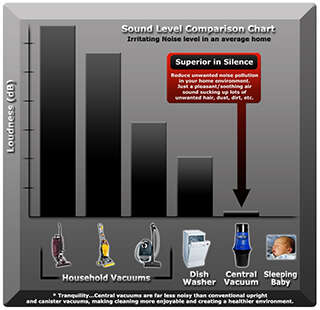
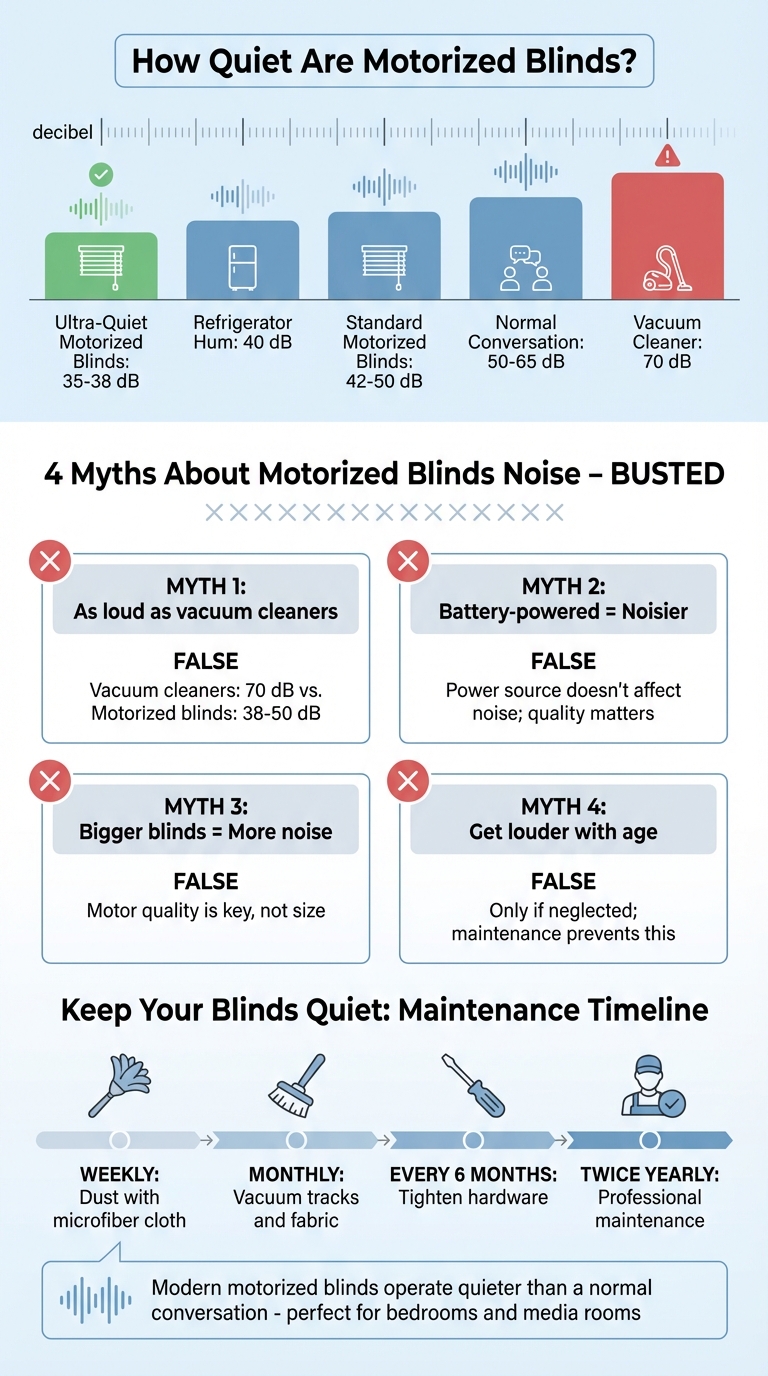
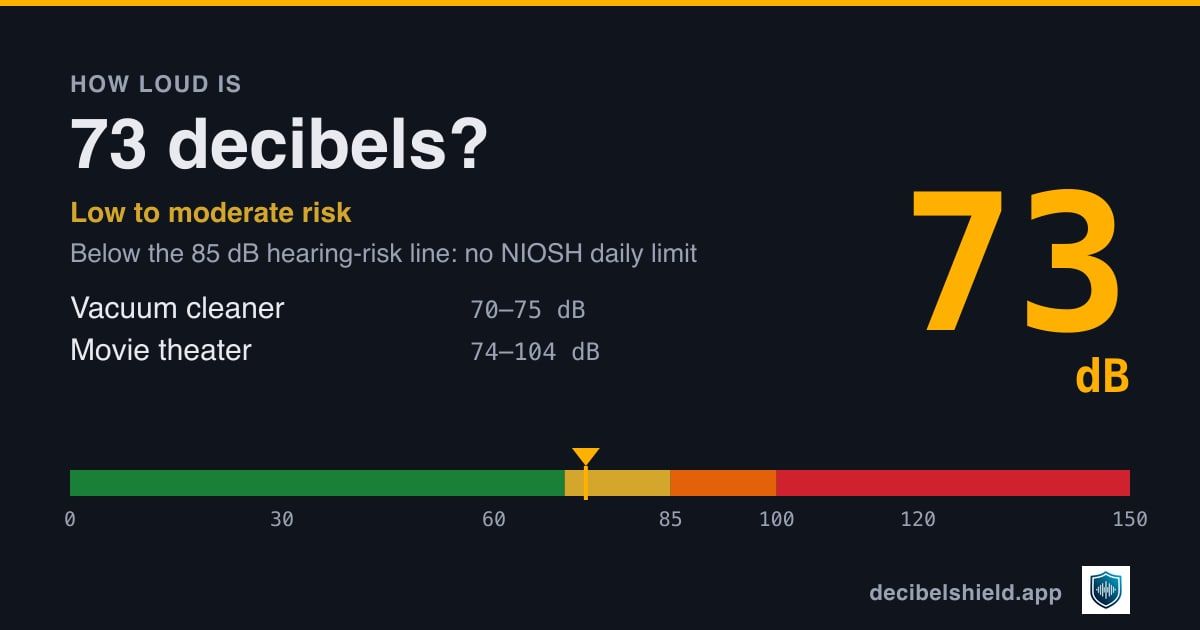
Most vacuum cleaners measure about 70 to 80 decibels, while quiet models can run near 60 to 70 decibels.
If you are asking how loud is a vacuum cleaner db, the answer depends on the motor, floor head, airflow, and test method. A compact handheld vacuum may sound sharper than a full-size canister, even when both show a similar decibel rating. This guide explains typical vacuum noise levels, safe listening limits, and simple ways to choose a quieter machine.
How Loud Is a Vacuum Cleaner in Decibels?
Most household vacuum cleaners produce between 70 and 80 dB(A) during normal use. The “A” means A-weighted decibels, a scale that matches how human ears hear common sounds.
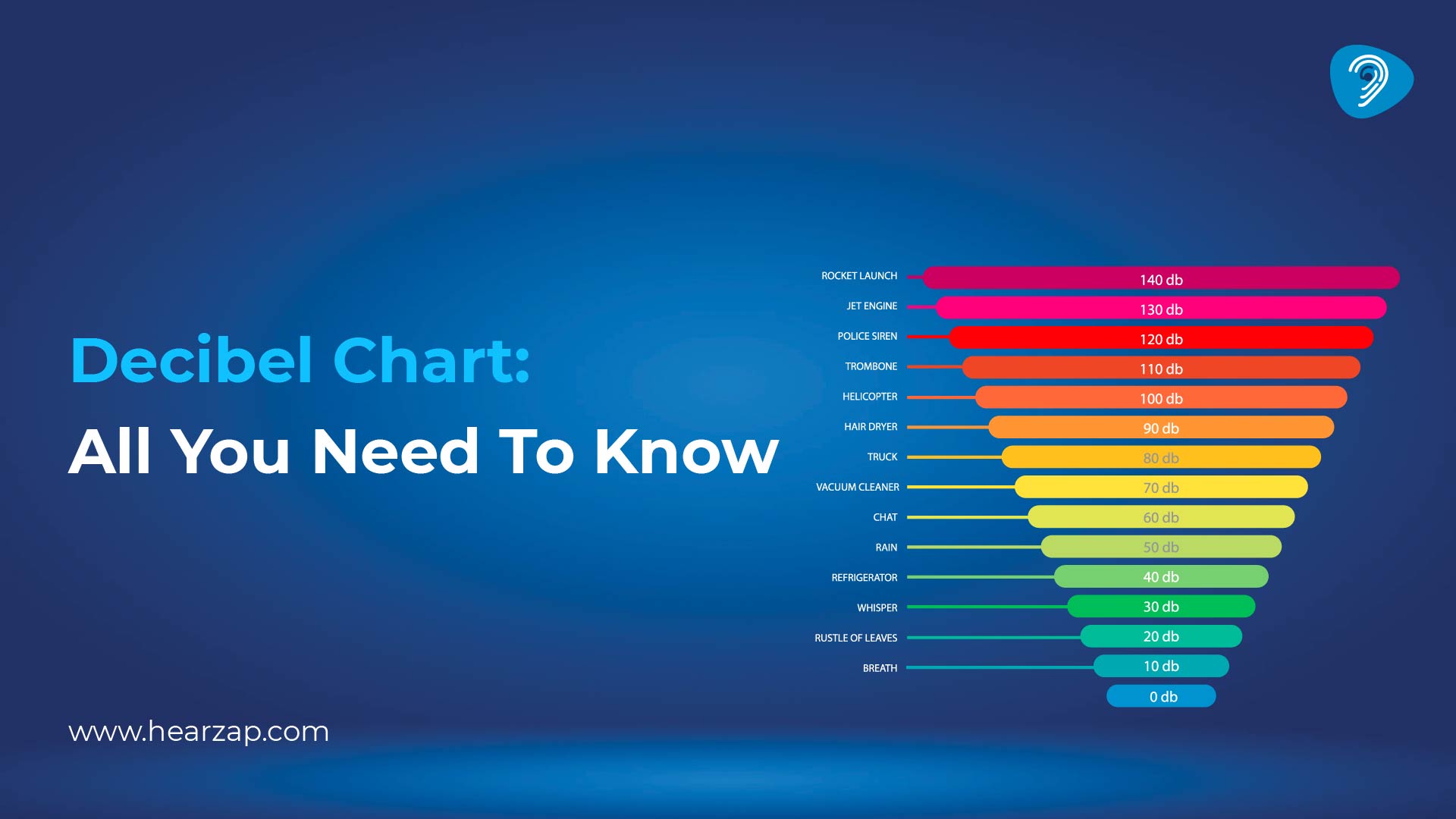
Here is a simple comparison:
| Sound source | Typical sound level |
|---|---|
| Whisper | 30 dB(A) |
| Quiet bedroom | 35 to 40 dB(A) |
| Normal conversation | 55 to 65 dB(A) |
| Quiet vacuum cleaner | 60 to 70 dB(A) |
| Typical vacuum cleaner | 70 to 80 dB(A) |
| Busy city traffic | 75 to 85 dB(A) |
| Lawn mower | 85 to 95 dB(A) |
| Rock concert | 100 to 115 dB(A) |
So, how loud is a vacuum cleaner db in daily life? It is usually about as loud as heavy traffic or a strong hair dryer. The sound may feel more intense indoors because walls and floors reflect the noise.
Some premium vacuums advertise levels below 65 dB(A). These models often use insulated motor housings, improved airflow paths, and softer brush rolls. However, the number may come from a controlled test and may not match the sound you hear on carpet.

What Does dB(A) Mean?
A decibel is a unit used to measure sound pressure. It is not a straight scale, so a small number increase can represent a large rise in sound energy.
For example:
• A 3 dB increase means about twice the sound energy.
• A 10 dB increase represents about ten times the sound energy.
• Most people hear a 10 dB increase as roughly twice as loud.
This explains why an 80 dB vacuum does not sound only slightly louder than a 70 dB model. It can seem nearly twice as loud to your ears.
The “A-weighted” part matters because human hearing is more sensitive to some frequencies than others. A dB(A) rating filters the reading to better represent perceived loudness.
When comparing how loud is a vacuum cleaner db, always look for dB(A), not just dB. A plain dB number may use a different weighting system and may not offer a fair comparison.

Typical Decibel Levels by Vacuum Type
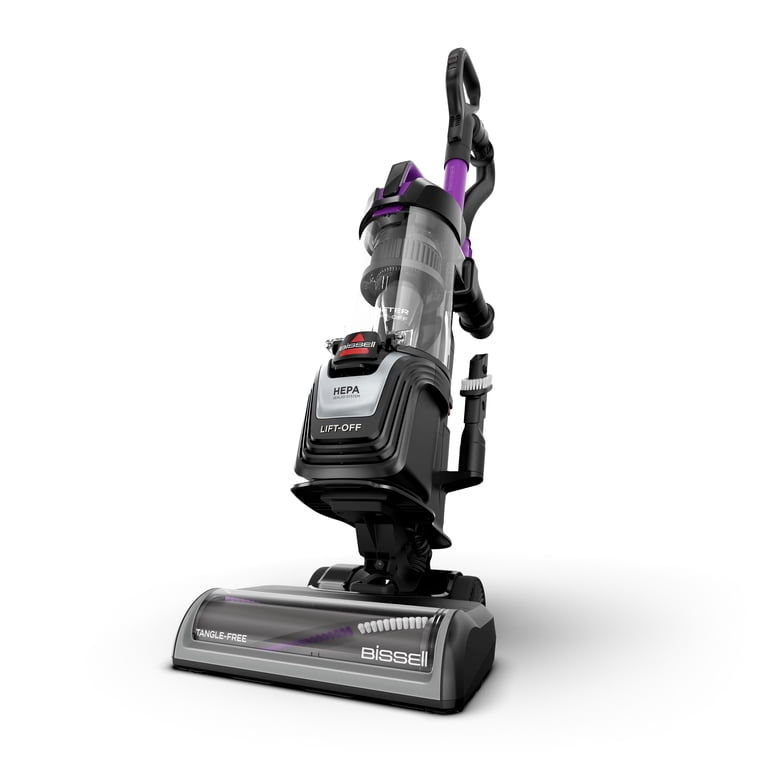
Different vacuum designs create different sound patterns. The motor is important, but airflow, filters, wheels, seals, and brush movement also affect the final noise level.
Upright vacuums
Upright vacuums often measure around 75 to 85 dB(A). Their powered brush rolls can add a rough, buzzing sound, especially on thick carpet.
They may seem louder when the head is close to your feet. The motor and brush sit near the floor, which can direct sound toward hard surfaces.
Canister vacuums
Canister vacuums often fall between 65 and 75 dB(A). The motor sits inside a separate body, and the floor nozzle is connected by a hose.
This design can feel quieter because the motor is farther from your ears. The nozzle may still make noise as it moves across tile or wood.
Stick vacuums
Cordless stick vacuums commonly produce about 65 to 80 dB(A). Their small motors spin at high speed, which can create a high-pitched whine.
The highest power setting is usually much louder than the normal setting. A stick vacuum may also sound louder because the motor sits close to your face.
Handheld vacuums
Handheld models often range from 70 to 85 dB(A). Their compact bodies provide less space for sound insulation.
Because you hold them close to your head, even a small handheld vacuum can feel very loud. Short cleaning sessions are usually more comfortable than long ones.
Robot vacuums
Robot vacuums often run around 55 to 70 dB(A). Their motors are smaller, and many use lower suction than full-size vacuums.
The main advantage is timing. You can schedule a robot vacuum while you are away or in another room. The self-emptying dock, however, may produce a much louder burst for several seconds.
What Makes a Vacuum Cleaner Loud?
A vacuum cleaner does not make one single sound. Several parts work together, and each can raise or lower the final dB(A) level.
Motor speed
A fast motor creates strong suction, but it also produces more vibration and high-frequency noise. Turbo modes are often much louder than standard modes.
Airflow
Air moving through a narrow tube can whistle. A blocked hose, full bag, or dirty filter may change the airflow and create a strained sound.
Brush roll
A powered brush roll can hit the floor, pull at carpet fibers, or collect hair. This creates a rumbling or rattling sound beyond the motor noise.
Filter condition
Dirty filters make the motor work harder. The vacuum may sound louder, heat up faster, and lose suction at the same time.
Floor type
Hard floors can reflect sound like a drum. Carpet absorbs some sound, but thick carpet may make the brush roll work harder.
Loose parts
A cracked wheel, loose cover, or damaged brush bearing can cause a clicking or grinding noise. This is not normal vacuum sound and should be checked.
When people ask how loud is a vacuum cleaner db, they often expect one fixed number. In real homes, the surface and condition of the machine can change the reading by several decibels.
How to Measure Vacuum Cleaner Noise Correctly
You can measure vacuum noise with a sound level meter or a reliable smartphone app. A dedicated meter is usually more accurate, but an app can help with basic comparisons.
Use this method:
- Place the vacuum on the floor in a normal cleaning position.
- Set the meter about 3 feet away from the motor housing.
- Keep the microphone at about ear height.
- Use the A-weighting setting if available.
- Record the reading after the vacuum reaches full speed.
- Test the same surface and power mode for every model.
- Take several readings and use the average.
Do not hold the phone directly against the vacuum. That position exaggerates the result and does not represent normal listening.
Also, avoid comparing a manufacturer’s reading with your home reading as if they were identical. Distance, room size, floor material, power mode, and background noise all affect the result.
In practical tests, I find that the sound character matters almost as much as the number. A steady 75 dB(A) hum may feel easier to tolerate than a 70 dB(A) vacuum with a sharp, high-pitched whine.
Is a Vacuum Cleaner Too Loud for Your Ears?
For most people, vacuuming for a short time is not likely to cause hearing damage. Still, repeated exposure to loud sound can raise the risk, especially when the vacuum runs near your head for long periods.
Noise risk depends on three factors:
• Sound level
• Length of exposure
• Distance from the sound source
Health agencies commonly use 85 dB(A) over an eight-hour workday as a level where hearing protection and exposure control become important. Vacuum use at home is usually far shorter than this, but a loud machine can still cause temporary ringing or discomfort.
Take a break if your ears ring after cleaning. Do not ignore pain, muffled hearing, or repeated ringing. Those symptoms are reasons to reduce exposure and seek medical advice if they continue.
Children, pets, and people with sound sensitivity may react more strongly. Vacuum while pets are in another room, and give children hearing protection if they stay nearby.
How to Make a Vacuum Cleaner Quieter
You may not need to replace your vacuum to reduce its noise. Simple care and small changes can make a noticeable difference.
• Clean or replace the filter as the manual recommends.
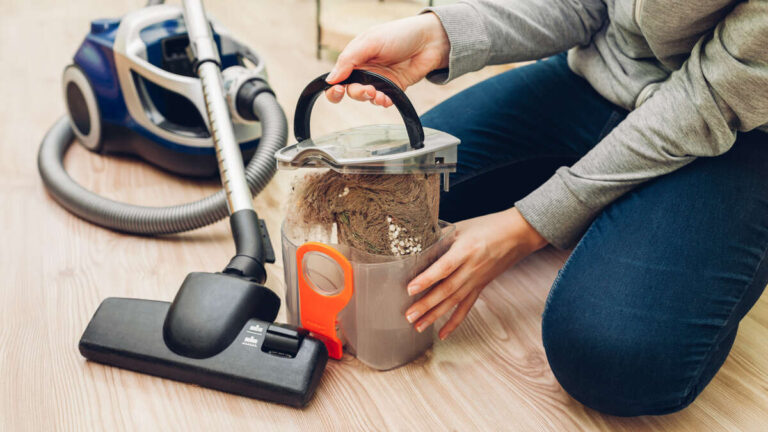
• Empty the dust bin before it becomes packed.
• Remove hair and thread from the brush roll.
• Check the hose for clogs.
• Tighten loose covers, wheels, and attachments.
• Use the normal power mode instead of turbo when possible.
• Vacuum rugs and carpets during the day, when household noise is less disruptive.
• Close doors between the vacuum and sleeping areas.
• Keep the motor housing away from walls and corners when possible.
• Wear comfortable earplugs or earmuffs during long cleaning sessions.
Never cover the motor with a towel or blanket. The vacuum needs airflow to stay cool, and blocking vents may cause overheating or damage.
One common mistake is to keep using a vacuum after its sound changes from a smooth hum to a harsh rattle. That noise often points to a clog, worn bearing, damaged brush, or loose part. Fixing the cause is safer than simply turning the volume down with hearing protection.
How to Choose a Quiet Vacuum Cleaner
If low noise is a priority, do not shop by the word “quiet” alone. Look for a published dB(A) rating and check how the company measured it.
A quieter vacuum usually has:
• A rating near 60 to 70 dB(A)
• A sealed motor compartment
• Multi-layer sound insulation
• A brush roll with soft bristles
• Adjustable suction
• A brushless or electronically controlled motor
• A well-sealed filtration system
• A normal mode that runs below maximum power
A rating below 70 dB(A) is a useful target for many homes. If you need very low noise for a baby, home office, apartment, or sound-sensitive pet, look closer to the low 60s when possible.
Read customer reviews for comments about pitch and vibration. A product can have a good laboratory number but still sound unpleasant in a small room.
Also consider cleaning performance. A very quiet vacuum that leaves dirt behind may force you to make extra passes. The best choice balances noise, suction, filtration, weight, battery life, and repair support.
Vacuum Noise in Apartments and Shared Homes
Noise becomes more important in an apartment because sound can travel through floors, walls, and doors. Low-frequency motor vibration may bother a neighbor even when the vacuum does not seem extremely loud inside your home.
To reduce disruption:
- Vacuum during reasonable daytime hours.
- Use lower suction on hard floors.
- Avoid dragging the machine across thresholds.
- Lift the vacuum over steps and raised edges.
- Check whether wheels or brush rolls are rattling.
- Place the dock on a stable surface.
- Schedule robot cleaning when neighbors are least likely to be disturbed.
A rug can soften vibration, but do not place a running vacuum on a thick mat that blocks its air intake. Good maintenance is often the best noise control.
For shared homes, communication helps. Let housemates know when you plan to clean, especially if the vacuum is an older model that measures near 80 dB(A).
Vacuum Cleaner Noise and Pets
Many dogs and cats hear higher frequencies better than humans. A vacuum cleaner can therefore seem much louder or more threatening to a pet than its dB(A) rating suggests.
Start by letting your pet hear the vacuum from another room. Reward calm behavior, then slowly reduce the distance over several sessions.
Helpful steps include:
• Give your pet a quiet escape area.
• Avoid chasing or cornering an animal with the vacuum.
• Use a lower power mode at first.
• Keep the brush roll away from food and sleeping areas.
• Vacuum when the pet is outdoors or with a trusted caregiver.
A pet that trembles, hides, pants, or tries to escape may be stressed. Stop the session and give the animal space. Noise training should be gradual, not forced.
Common Mistakes When Comparing Vacuum Decibels
Several shopping mistakes can make vacuum noise comparisons misleading.
Comparing different distances
A reading taken 1 foot away will be higher than one taken 3 feet away. Always check the distance used in the test.
Ignoring the power setting
A vacuum may be quiet in eco mode but loud in boost mode. Check the rating for the setting you expect to use most.
Trusting a single number
Numbers do not describe pitch, vibration, or rattling. Read reviews and, if possible, test the machine in a store.
Forgetting the floor head
The motor may be quiet while the brush roll makes a loud scraping sound. Test the complete vacuum, not just the motor.
Overlooking maintenance
A clogged or poorly maintained machine can be louder than its original rating. Good care protects both performance and noise levels.
These details matter when deciding how loud is a vacuum cleaner db in your own home. A published rating is a starting point, not a promise of the exact sound in every room.
Frequently Asked Questions About How Loud Is a Vacuum Cleaner dB
How loud is a normal vacuum cleaner in dB?
A normal household vacuum cleaner usually measures about 70 to 80 dB(A). Older or powerful upright models may reach 85 dB(A) or more, while quiet models may stay near 60 to 70 dB(A).
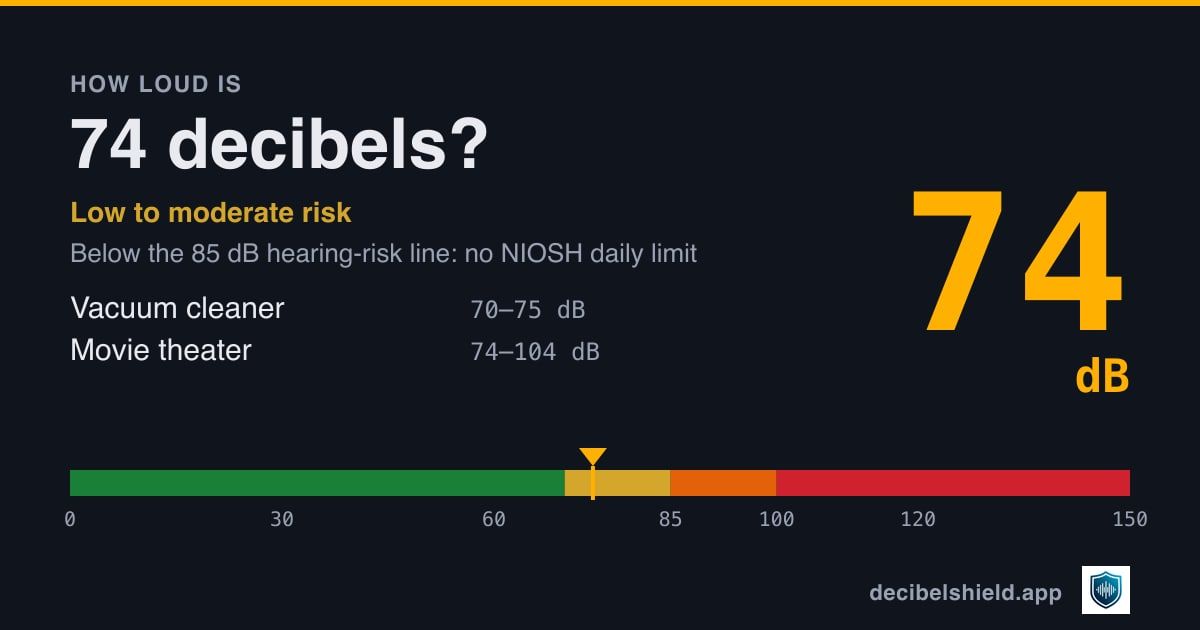
Is 70 dB loud for a vacuum cleaner?
A 70 dB(A) vacuum is fairly quiet compared with many standard models. It can still sound strong in a small room, but it is generally more comfortable than an 80 to 85 dB(A) machine.
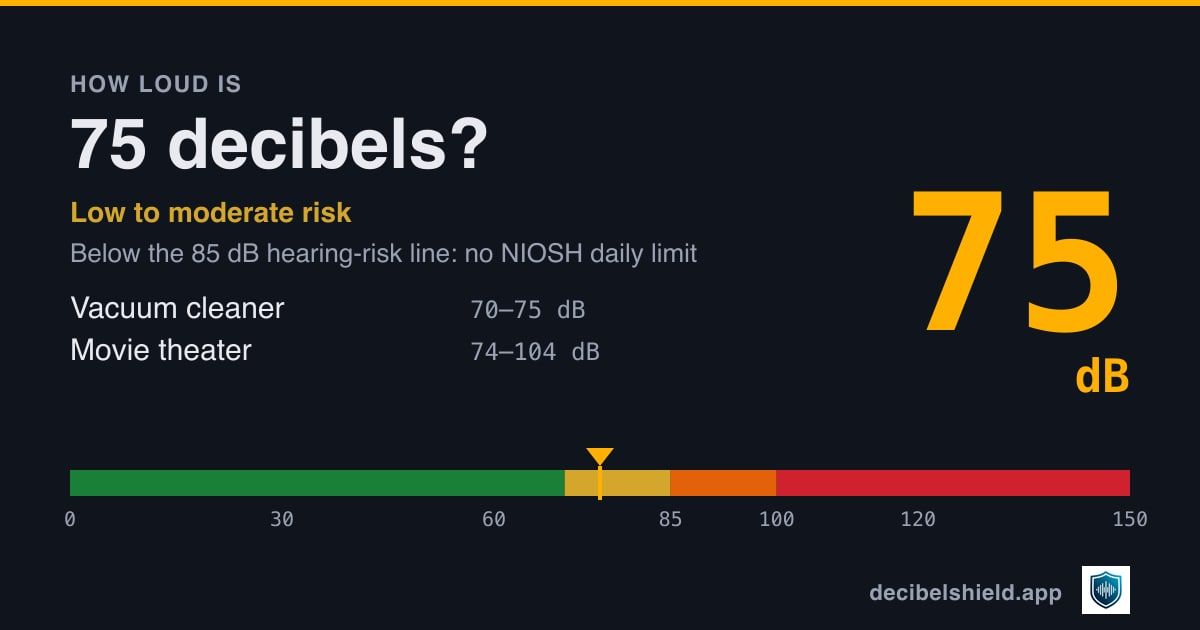
Is a 75 dB vacuum safe?
Short periods of use at 75 dB(A) are generally not considered hazardous for most adults. Still, limit long exposure, take breaks, and use hearing protection if the sound causes discomfort or ringing.
What is the quietest type of vacuum cleaner?
Canister and robot vacuums are often quieter than traditional uprights, but design matters more than type alone. Look for a tested rating near 60 to 70 dB(A), sealed insulation, and adjustable suction.
How can I measure how loud my vacuum cleaner is?
Use a sound level meter or a reputable phone app set to A-weighting. Measure from about 3 feet away, use the same power mode each time, and repeat the test on the floor where you normally vacuum.
Why is my vacuum suddenly louder?
A sudden increase in noise may come from a full bin, blocked hose, dirty filter, tangled brush, loose part, or worn bearing. Turn off the vacuum and inspect it before continued use, especially if you hear grinding or burning smells.
Conclusion
Most vacuum cleaners produce 70 to 80 dB(A), while quieter models can run near 60 to 70 dB(A). The actual sound depends on the motor, suction setting, brush roll, filter, floor type, room, and measurement distance.
For a quieter home, compare A-weighted ratings, keep filters and brush rolls clean, and avoid using maximum power unless you need it. Pay attention to sound quality as well as the number, since a sharp whine can feel worse than a steady hum.
Use these tips the next time you shop or test your vacuum cleaner. Compare models carefully, protect your ears during long cleaning sessions, and share your experience or questions in the comments.

Liora Pennings is a seasoned chef and kitchen enthusiast with a passion for turning everyday cooking into an effortless experience. With years of hands-on culinary expertise, she specializes in practical techniques, ingredient know-how, and smart kitchen solutions that help home cooks elevate their meals. At KitchFlair.com, Liora shares her best tips, time-saving tricks, and honest product reviews to guide readers toward a more efficient, enjoyable, and inspired cooking routine. Whether you’re a beginner or a seasoned home chef, Liora’s friendly, knowledge-packed insights make every visit to the kitchen a little easier—and a lot more delicious.