Can A Vacuum Cleaner Explode: Risks And Safety Tips
Yes, a vacuum cleaner can explode, but normal household use makes a true explosion very unlikely.
Most vacuum cleaners are safe when used as directed, yet certain fuels, fine dusts, damaged batteries, blocked airflow, and electrical faults can create serious risks. Understanding how these hazards work can help you prevent a fire, burst canister, or dust explosion before it starts.
Can a Vacuum Cleaner Explode?
Yes, a vacuum cleaner can explode under unusual conditions. However, a typical home vacuum does not usually explode during normal cleaning. The more common danger is an electrical fire, overheating, or a burning smell.
A real explosion needs three things:
• A fuel, such as gasoline vapor, propane, flour dust, or sawdust
• Oxygen in the air
• An ignition source, such as a spark, hot motor, static discharge, or damaged battery
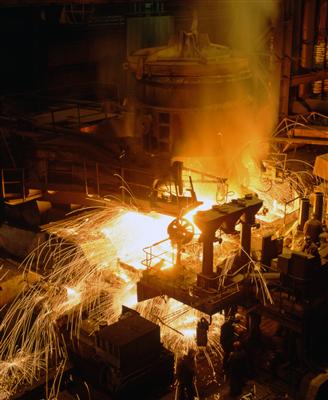
This is often called the “fire triangle.” A vacuum motor can produce heat and tiny electrical sparks inside its housing. That design is safe in ordinary air, but it may become dangerous when the machine pulls in flammable vapor or a cloud of fine combustible dust.
In most household cases, the vacuum cleaner itself does not suddenly burst apart. Instead, the motor may ignite fumes, a battery may fail, or dust inside a container may burn very rapidly. That rapid burning can create a pressure wave that looks and feels like an explosion.
What Can Cause a Vacuum Cleaner to Explode?
The question “can a vacuum cleaner explode” usually comes down to what the machine is collecting. Dry household dirt is not the same as gasoline vapor or fine industrial dust.
Flammable liquids and vapors
Never use a standard vacuum cleaner to pick up gasoline, paint thinner, lighter fluid, alcohol, acetone, or other flammable liquids. Even after a spill seems dry, vapor may remain in the room or inside the vacuum.
A motor, switch, plug, or static spark can ignite that vapor. The result may be a flash fire or explosion. This is one of the clearest ways a vacuum cleaner can explode.
Use absorbent material and follow the product’s spill instructions instead. For larger spills, leave the area and contact trained emergency or hazardous-material professionals.
Fine combustible dust
Very fine dust can burn quickly when it floats in the air. Examples include:
• Flour and powdered sugar
• Cornstarch
• Coal dust
• Fine sawdust
• Aluminum or magnesium dust
• Some plastics and powdered chemicals
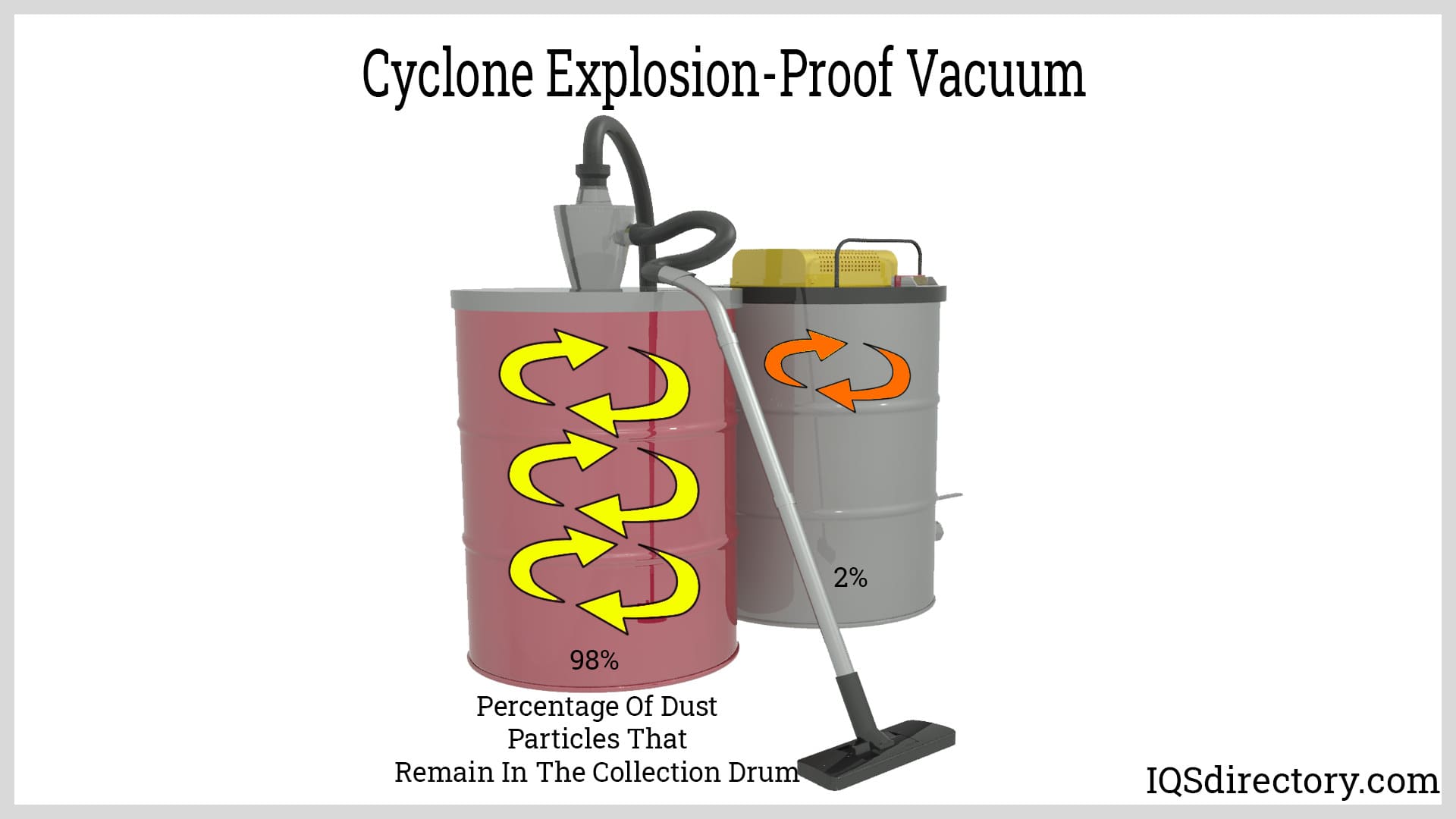
A household vacuum may collect small amounts of ordinary dust without trouble. The risk rises when the dust is extremely fine, dry, and suspended in a dense cloud. Industrial dust collectors use grounding, special motors, vents, filters, and explosion-control systems for this reason.
Lithium-ion battery failure
Cordless vacuums often use lithium-ion battery packs. These batteries can overheat or enter a condition known as thermal runaway after severe damage, overcharging, manufacturing defects, or exposure to high heat.
Thermal runaway can cause smoke, fire, popping sounds, and sometimes a violent rupture. It is not the same as a dust explosion, but people may describe the event as a vacuum cleaner exploding.
Warning signs include:
• A swollen battery
• A cracked battery case
• Unusual heat during charging
• A chemical smell
• Hissing, popping, or smoke
Stop using the vacuum if you notice these signs. Move away from the device if it is smoking or burning, and call emergency services when needed. Do not puncture, open, or place a damaged battery in household trash.
Blocked airflow and overheating
A full bag, clogged filter, tangled brush, or blocked hose can restrict airflow. The motor then works harder and may become dangerously hot.
Overheating usually causes a shutdown, melted plastic, smoke, or an electrical fire rather than an explosion. Still, severe heat can damage internal parts and create a sudden failure.
Damaged cords, plugs, or switches
Frayed cords and loose plugs can cause arcing. An arc is an electrical discharge that produces intense heat and can ignite nearby materials or vapors.
Do not tape over major cord damage and keep using the vacuum. Replace the cord through a qualified repair service or replace the machine.
Pressurized or sealed containers
Some vacuums use sealed dust containers. If heat builds up inside, pressure can rise. Most household machines have enough openings, filters, and safety controls to prevent a dangerous pressure buildup.
A damaged, modified, or blocked machine may behave differently. Do not drill, seal, remove safety parts, or use a replacement filter that does not fit the model.
Can a Vacuum Cleaner Explode From Water?
Water alone will not normally make a vacuum cleaner explode, but it can create a serious electrical hazard. A standard dry vacuum is not designed to collect water or wet debris.
Liquid may reach the motor, wiring, or circuit board. This can cause a short circuit, electric shock, smoke, or fire. In a cordless model, liquid can also damage the battery and charging system.
Use a wet-dry vacuum only when the manufacturer says it is suitable for liquid pickup. These machines have different airflow paths, insulation, tanks, and filters.
If you accidentally vacuum water with a dry vacuum:
-
Turn it off immediately.
-
Unplug it without touching wet areas.
-
Do not turn it back on to “test” it.
-
Let a qualified technician inspect it.
-
Replace the filter if the manual requires it.
This is another reason people ask, “can a vacuum cleaner explode?” Water may not cause an explosion directly, but it can turn a safe appliance into a shock and fire risk.
Can a Vacuum Cleaner Explode While Vacuuming Dust?
Ordinary house dust rarely causes a vacuum cleaner explosion. Household dirt usually contains too much moisture and too many larger particles to form a powerful dust cloud.
The risk is different with fine, dry, combustible dust. A vacuum can pull these particles into the air, where they may mix with oxygen. If the machine provides an ignition source, the dust can burn very fast.
Never use a regular household vacuum for:
• Woodworking dust from a large cutting or sanding job
• Metal dust
• Ash that is still warm
• Flour or powdered food spills in large amounts
• Chemical powders
• Dust from grain, coal, or industrial materials
Use equipment made for that hazard. Certified industrial vacuums may include antistatic hoses, conductive parts, explosion-proof construction, and special filtration. The exact label and certification matter; a standard shop vacuum is not automatically safe for every type of dust.
Can a Vacuum Cleaner Explode From Ashes?
Yes, a vacuum cleaner can ignite ashes if they contain hidden embers. Ash may look cold on the surface while a small coal remains hot underneath.
When the vacuum pulls in that ember, airflow can feed the fire. The filter or bag may then ignite, sending smoke and flames through the machine. A sealed container can also heat up quickly.
Never vacuum fireplace, grill, or wood-stove ashes with a normal vacuum. Wait until the ashes are fully cold, often for at least several days, and place them in a metal container with a tight lid. Keep the container outdoors and away from buildings or combustible materials.
Some purpose-built ash vacuums include heat-resistant parts and metal tanks. Even then, follow the instructions carefully and never collect glowing material.
Are Cordless Vacuums More Likely to Explode?
Cordless vacuums have a different risk profile because they contain rechargeable battery cells. A corded vacuum can suffer electrical faults, but it does not carry the same lithium-ion battery hazard.
A cordless vacuum is more likely to experience a battery fire when the battery is:
• Crushed or dropped hard
• Exposed to water
• Charged with the wrong adapter
• Left in a hot car
• Replaced with a low-quality, incompatible pack
• Used after swelling or physical damage
This does not mean cordless vacuums are unsafe. Modern battery packs often include controls that monitor temperature, voltage, and current. The safest approach is to use the original charger, keep the battery cool and dry, and follow the care instructions.
Do not charge a damaged vacuum battery on a bed, couch, or pile of clothing. Charge it on a hard, clear surface where heat can escape.
How to Prevent a Vacuum Cleaner Explosion
Good maintenance greatly reduces the chance of a vacuum fire or explosion. I have seen many appliance problems begin with a simple ignored warning, such as a hot smell, a weak motor, or a filter that was never changed.
Use these habits:
• Read the owner’s manual before collecting unfamiliar material.
• Do not vacuum gasoline, solvents, propane, alcohol, or other flammable substances.
• Use a wet-dry vacuum for liquids.
• Never vacuum hot ashes, embers, or burning materials.
• Empty the dust bin before it becomes packed.
• Replace filters at the recommended interval.
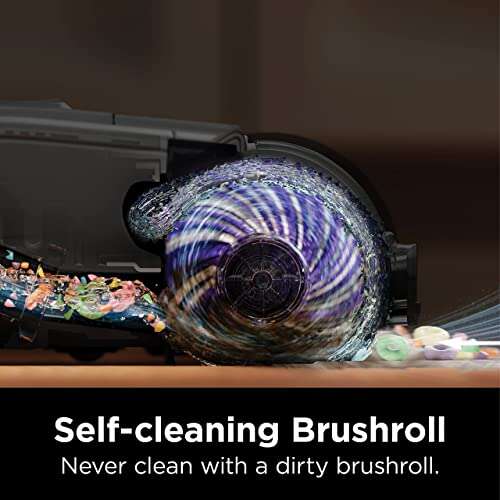
• Clear hair and threads from the brush roll.
• Stop using the machine if it smells like burning plastic.
• Inspect cords, plugs, hoses, and battery packs.
• Keep air vents clear.
• Use only approved bags, filters, chargers, and batteries.
• Keep children away from a hot or damaged vacuum.