When Was The First Electric Vacuum Cleaner Invented: History
James Murray Spangler invented the first practical portable electric vacuum cleaner in 1907; Hubert Booth pioneered powered suction in 1901.
The question “when was the first electric vacuum cleaner invented” has a more interesting answer than one date alone. Early machines used petrol engines, hand power, or large motors before electric suction became practical for homes. This guide separates those milestones and explains how James Spangler’s invention led to the modern vacuum cleaner.
When Was the First Electric Vacuum Cleaner Invented?
The first practical portable electric vacuum cleaner was invented in 1907 by James Murray Spangler, a janitor and inventor from Canton, Ohio. Spangler created a lightweight machine with an electric motor, a rotating brush, a dust bag, and a long handle.
His design was important because it solved a major problem with earlier vacuum machines: they were large, costly, and difficult to move. Spangler’s cleaner could be pushed around a room by one person, much like the upright vacuums used today.
To answer when was the first electric vacuum cleaner invented, 1907 is the most useful date for a portable electric household model. However, several earlier inventions helped create the technology.

The Difference Between the First Vacuum and the First Electric Vacuum
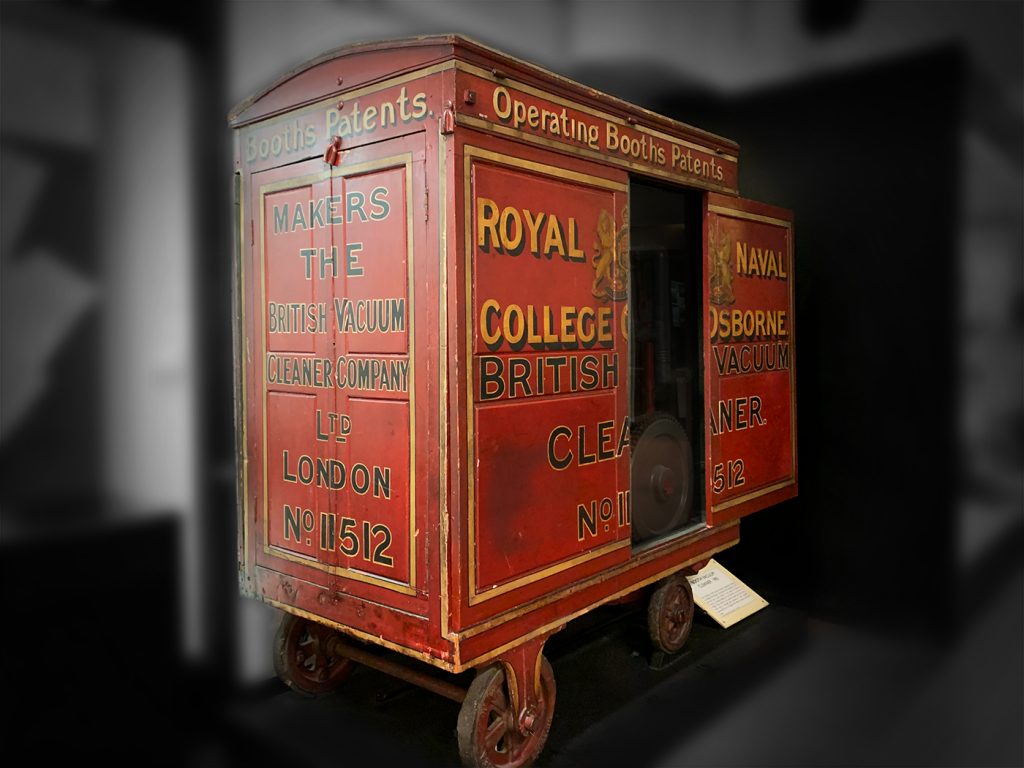
The first vacuum cleaner was not electric. In 1901, British engineer Hubert Cecil Booth demonstrated a large powered suction machine called the “Puffing Billy.”
Booth’s machine used a petrol engine. It was mounted on a horse-drawn wagon and parked outside a building. Long hoses ran through windows and doors to remove dust from carpets.
This answers part of the question about when was the first electric vacuum cleaner invented. Booth created one of the first powered vacuum systems, but his machine was not an electric household vacuum.
Earlier carpet-cleaning devices also existed. Some used bellows, brushes, or hand-operated air pumps. These tools could remove surface dirt, but they did not create the strong, steady suction produced by a motor.
The key terms are:
• First mechanical carpet cleaner: Early 19th-century devices used brushes and manual force.
• First powered vacuum cleaner: Hubert Booth’s petrol-powered machine appeared in 1901.
• First portable electric vacuum cleaner: James Spangler developed his design in 1907.
• First widely successful electric vacuum brand: William Hoover commercialized Spangler’s design beginning in 1908.
A Timeline of Early Vacuum Cleaner Inventions
Understanding when was the first electric vacuum cleaner invented is easier when the major steps are viewed as a timeline.
1860s: Early Manual Vacuum Devices
In the 1860s, inventors developed hand-powered carpet sweepers and vacuum-style machines. These devices often used rotating brushes and simple air pumps.
They were not electric, but they introduced a useful idea: dirt could be lifted from fabric and collected instead of simply being beaten out by hand.
1901: Hubert Cecil Booth’s Powered Vacuum
Hubert Booth introduced a powerful vacuum system in England in 1901. His machine was so large that it could not be carried into a home.
The “Puffing Billy” used hoses to clean carpets inside buildings. Wealthy homes, hotels, and public buildings could hire the service, but ordinary families could not easily own the equipment.
1905: Walter Griffiths’ Portable Cleaner
In 1905, Walter Griffiths patented a portable vacuum cleaner in Britain. His design was smaller than Booth’s machine and aimed at household use.
However, it was manually operated rather than powered by an electric motor. This makes it an important step in vacuum history, but not the final answer to when was the first electric vacuum cleaner invented.
1907: James Spangler’s Electric Cleaner
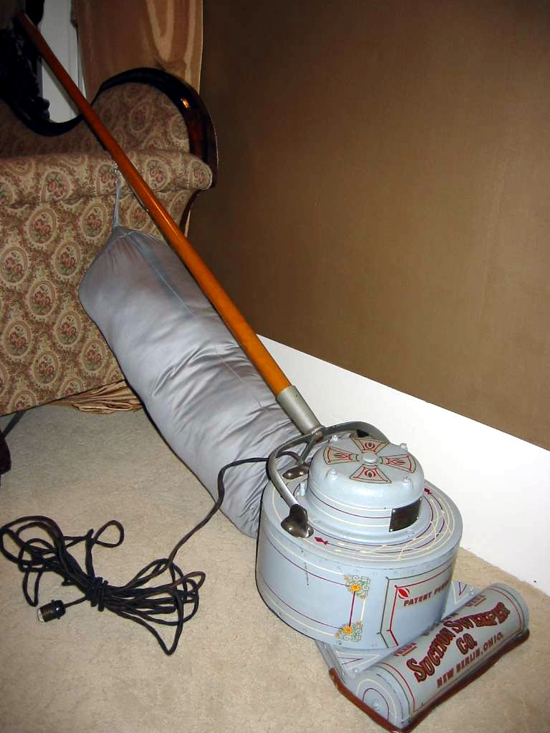
James Spangler developed his portable electric vacuum cleaner in 1907. He combined suction with a rotating brush and a cloth dust bag.
Spangler’s machine was practical because it could be pushed across the floor. It also placed the motor and collection system in a compact body.
1908: The Hoover Model O
Spangler sold the patent rights to William H. Hoover in 1908. Hoover improved the design and began selling the Electric Suction Sweeper, later known as the Hoover Model O.
Hoover’s marketing, sales network, and product improvements helped make electric vacuum cleaners familiar in American homes.

Why James Spangler’s 1907 Design Mattered
The answer to when was the first electric vacuum cleaner invented often focuses on James Spangler because his invention brought several useful features together.
Spangler’s machine included a motor-driven fan that created suction. A rotating brush helped loosen dust from carpets, while a cloth bag trapped the collected dirt.
His design also addressed comfort. Spangler worked as a janitor and reportedly struggled with dust because of asthma. His personal need led him to build a machine that reduced the amount of dust released into the air during cleaning.
The main features were:
• An electric motor for continuous suction
• A rotating brush to lift dirt from carpet fibers
• A dust bag for collecting debris
• An upright body that was easier to move
• A handle that allowed the user to clean while standing
This combination became the basic pattern for many upright vacuum cleaners during the 20th century.

How Early Electric Vacuum Cleaners Worked
Early electric vacuums were simple compared with modern machines, but the basic principle remains familiar.
An electric motor turned a fan. The fan lowered air pressure inside the machine. Higher air pressure outside the machine then pushed air, dust, and small particles through the cleaning head.
The airflow carried the dirt into a bag or container. The cleaner released filtered air back into the room.
A simplified cleaning cycle looked like this:
-
The brush touched the carpet.
-
The motor turned the fan.
-
The fan created suction.
-
Air carried dust into the machine.
-
The bag trapped the dirt.
-
A filter helped limit the dust sent back into the room.
Modern vacuums use stronger motors, sealed systems, HEPA filters, cyclonic separation, and electronic controls. Still, the basic air movement system is closely related to the one used in Spangler’s 1907 design.

Why Electric Vacuums Took Time to Become Common
Knowing when was the first electric vacuum cleaner invented does not mean electric vacuums became common immediately. Several barriers slowed adoption.
Early motors were expensive. Many homes also lacked reliable electrical service, especially outside major cities. A household appliance that cost a large part of a worker’s yearly income was not an easy purchase.
The machines were also noisy and heavy. Early electric vacuums could weigh far more than modern models, and their cloth bags required regular cleaning.
Marketing played a major role. Manufacturers had to teach people why vacuuming was better than beating rugs outdoors or using a carpet sweeper.
Over time, three changes increased demand:
• Electric power became more widely available.
• Manufacturing reduced the cost of motors and parts.
• Companies improved product design and promoted indoor cleaning as part of healthy home care.
These changes turned the electric vacuum from a novelty into a normal household appliance.
The Role of William Hoover
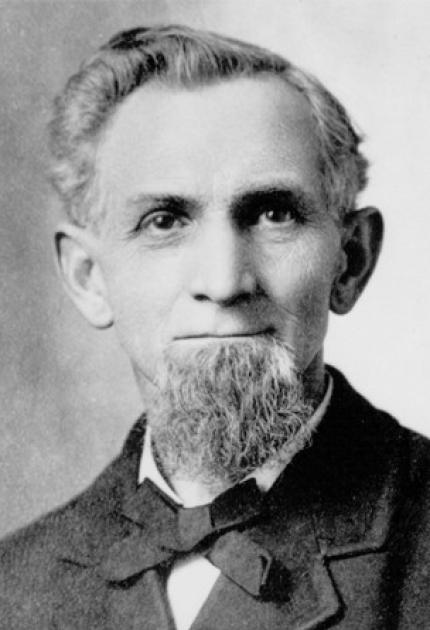
James Spangler created the key invention, but William Hoover helped make it commercially successful. Hoover purchased the rights to Spangler’s patent in 1908 and formed a company around the improved product.
The company used direct sales and demonstrations. Salespeople showed families how much dust a vacuum could remove from a carpet that appeared clean.
This approach was effective because vacuuming was still new to many households. People could see the collected dirt for themselves.
When researchers ask when was the first electric vacuum cleaner invented, they may find 1907 for Spangler’s invention or 1908 for Hoover’s commercial launch. Both dates can appear in historical discussions, but they describe different events.
• 1907: Spangler developed the portable electric vacuum cleaner.
• 1908: Hoover began commercializing the design.
Was the First Electric Vacuum Cleaner Safe and Efficient?
Early electric vacuum cleaners were useful, but they had clear limits. Their motors were less efficient than modern motors, and insulation standards were still developing.
Users had to keep cords, plugs, and motor housings away from water. Dust bags also needed careful handling because fine dust could escape during emptying.
Early machines were not designed for every floor type. A strong rotating brush could be too harsh for delicate rugs, loose fibers, or polished surfaces.
Modern safety and performance improvements include:
• Better electrical insulation
• Thermal protection against overheating
• Sealed airflow paths
• Washable or replaceable filters
• Automatic cord systems
• Floor-height adjustment
• Brush shutoff for hard floors
The first electric vacuum cleaner established the core idea, but later engineering made vacuuming safer, quieter, and more efficient.
What the Invention Changed at Home
The electric vacuum cleaner changed daily household work. Before powered vacuums, people often cleaned rugs by sweeping, shaking, beating, or scrubbing them.
Those methods took time and could send dust into the air. A vacuum cleaner offered a faster way to collect dirt indoors.
The invention also changed ideas about hygiene. As people learned more about dust, allergens, and microbes, regular floor cleaning became more closely linked with health.
It is important not to overstate the early machines. A 1907 vacuum could not match the filtration or suction control of a modern model. Still, it made routine carpet care easier and helped shape expectations for household appliances.
Lessons From Studying Early Vacuum Cleaner Design
One lesson from studying when was the first electric vacuum cleaner invented is that useful inventions often come from practical problems. Spangler did not begin with a plan to transform the appliance industry. He wanted a cleaner that removed dust without worsening his breathing trouble.
Another lesson is that invention and adoption are different things. A clever design may need better manufacturing, lower prices, clear instructions, and strong distribution before it reaches everyday users.
A common mistake is to treat every early vacuum date as interchangeable. Researchers should ask what each date represents:
• The first suction machine
• The first powered machine
• The first electric machine
• The first portable machine
• The first mass-market product
This simple distinction prevents most confusion about when was the first electric vacuum cleaner invented.
Electric Vacuum Cleaner History Compared With Modern Models
The first electric vacuum cleaner was designed mainly for carpets and basic dust removal. Today’s machines are made for many surfaces and cleaning needs.
Modern upright vacuums often offer strong brush action and large dust capacity. Canister vacuums provide flexible hoses and tools. Stick vacuums focus on light weight and quick cleaning. Robot vacuums use sensors, software, and rechargeable batteries.
Even with these differences, the family connection is clear. The modern vacuum still depends on airflow, pressure changes, a cleaning head, and a method of collecting dust.
The biggest advances include:
• Battery power
• Cyclonic dirt separation
• High-efficiency filtration
• Smart navigation
• Automatic suction adjustment
• Low-noise motor design
• Specialized tools for upholstery, pets, and hard floors
The technology has improved greatly, but its roots remain in the early 20th-century search for practical powered suction.
Frequently Asked Questions About When Was the First Electric Vacuum Cleaner Invented
When was the first electric vacuum cleaner invented?
The first practical portable electric vacuum cleaner was invented by James Murray Spangler in 1907. His design used an electric motor, a rotating brush, and a dust bag.
Who invented the first electric vacuum cleaner?
James Murray Spangler is widely credited with inventing the first practical portable electric vacuum cleaner. William Hoover later acquired the rights and helped turn the design into a successful commercial product.
Was Hubert Cecil Booth’s 1901 vacuum cleaner electric?
No. Hubert Cecil Booth’s 1901 “Puffing Billy” used a petrol engine rather than an electric motor. It was an important powered vacuum system, but it was too large for ordinary household use.
What was the first commercial electric vacuum cleaner?
The Hoover Model O, introduced after Hoover acquired Spangler’s design in 1908, became one of the first commercially successful electric vacuum cleaners. It helped bring portable electric cleaning into American homes.
When did vacuum cleaners become common in homes?
Electric vacuum cleaners became more common during the early 20th century as home electricity expanded and manufacturers lowered prices. Wider sales, product demonstrations, and improved designs also helped increase household adoption.
How did the first electric vacuum cleaner work?
The motor turned a fan that created lower air pressure inside the machine. Air carrying dust moved through the cleaning head and into a cloth bag, where the debris was collected.
Conclusion
The clearest answer to when was the first electric vacuum cleaner invented is 1907, when James Murray Spangler created a practical portable electric model. Hubert Cecil Booth’s 1901 petrol-powered machine came earlier, while William Hoover’s 1908 improvements helped make the technology commercially successful.
The story shows how modern appliances often develop through several linked breakthroughs. If you are researching appliance history, compare the invention date, patent date, and commercial launch date rather than relying on one vague claim. Explore museum collections and patent records to learn more about how this everyday tool moved from a large novelty machine to the compact vacuum cleaners used today.

Liora Pennings is a seasoned chef and kitchen enthusiast with a passion for turning everyday cooking into an effortless experience. With years of hands-on culinary expertise, she specializes in practical techniques, ingredient know-how, and smart kitchen solutions that help home cooks elevate their meals. At KitchFlair.com, Liora shares her best tips, time-saving tricks, and honest product reviews to guide readers toward a more efficient, enjoyable, and inspired cooking routine. Whether you’re a beginner or a seasoned home chef, Liora’s friendly, knowledge-packed insights make every visit to the kitchen a little easier—and a lot more delicious.