How To Make A Popcorn Kernel: Easy Method
To make a popcorn kernel, dry mature popcorn corn until its moisture stays near 13%, then store it in an airtight container.
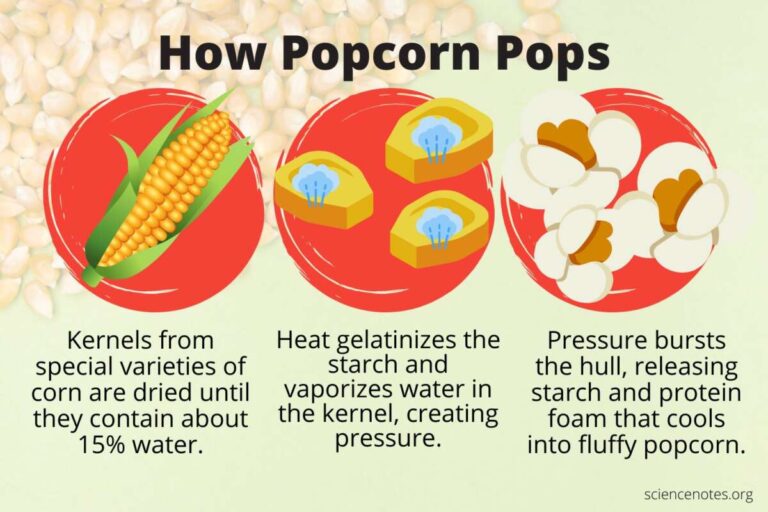
Many people asking how to make a popcorn kernel really want to know how to make popcorn from dried corn. The key is moisture: a hard hull traps a small amount of water inside the kernel, and heat turns that water into steam. This guide explains the full process, from growing or drying corn to popping it safely at home.
What Is a Popcorn Kernel?
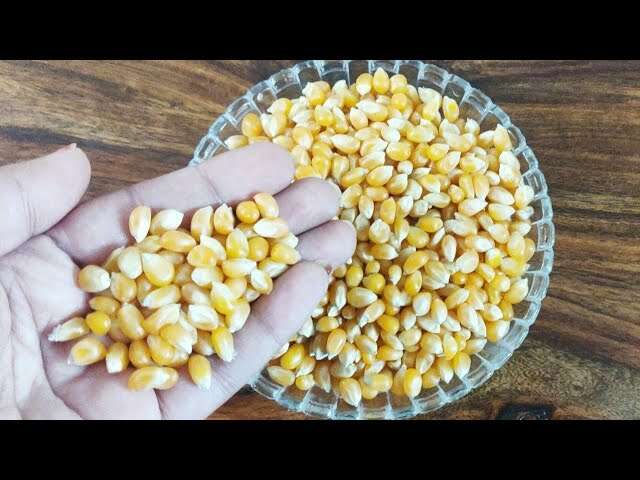
A popcorn kernel is a special type of whole corn seed. Unlike sweet corn or field corn, popcorn has a strong outer shell and a starchy center that holds a small amount of water.
When the kernel heats up, the water becomes steam. Pressure builds inside the shell until the hull breaks open and turns the soft starch into the familiar white popcorn shape.
If you want to understand how to make a popcorn kernel, focus on these three parts:
• A hard, sealed outer hull
• A starchy interior called the endosperm
• About 13% to 14% moisture inside the kernel
The moisture level matters most. A kernel that is too dry may stay hard and fail to pop. A kernel with too much water may pop poorly, burn, or become tough.
Popcorn is not made by coating regular corn with oil or drying fresh corn for a day. It comes from a specific corn variety, such as mushroom popcorn or butterfly popcorn. Other corn types usually do not have the right hull and moisture balance.

How to Make a Popcorn Kernel From Corn
Learning how to make a popcorn kernel from corn takes time because the corn must mature fully and dry slowly. You cannot turn fresh corn on the cob into a good popping kernel right away.
Use a popcorn variety if you plan to grow your own. Planting sweet corn will give you sweet corn, not reliable popcorn. Seed packets often label the variety clearly as popcorn.
Follow these steps:
-
Let the corn mature on the plant. The kernels should become hard and glossy.
-
Allow the ears to dry on the stalk if the weather is dry and safe.
-
Harvest the ears when the husks are brown and the kernels feel firm.
-
Remove the husks and check for mold, insects, or damaged kernels.
-
Hang the ears in a dry, well-ventilated place.
-
Let the corn dry for several weeks.
-
Remove the kernels by rubbing two ears together or using a corn sheller.
-
Store the kernels in a clean, airtight container.
When learning how to make a popcorn kernel, patience is more important than speed. Freshly harvested corn often contains too much water. Slow drying helps the kernel keep its strong hull while reducing excess moisture.
Never dry corn in a damp basement, sealed plastic bag, or poorly ventilated room. Moisture can encourage mold growth. Discard any kernels with a musty smell, visible mold, or unusual color.
How to Dry Popcorn Kernels Correctly
Drying is the most important stage in how to make a popcorn kernel at home. The goal is not to remove all moisture. Popcorn needs a small amount of water to create steam.
Spread shelled kernels in a thin layer on a clean tray. Keep the tray in a warm, dry room away from direct moisture. Stir the kernels every day so air can reach all sides.
A food dehydrator can help, but use a low setting. Excessive heat may dry the center too quickly or damage the kernel. Drying at a moderate temperature is safer than trying to finish the process in an oven.
Good signs include:
• Hard, dry kernels
• No soft spots
• No visible mold
• A clean, mild corn smell
• A firm outer shell
For the best results, test a small batch after drying. Heat two tablespoons of kernels in a covered pot with a little oil. If most kernels pop and the popcorn feels crisp, the moisture level is likely close to correct.
If many kernels remain unpopped, the corn may be too dry, too moist, or simply the wrong variety. The moisture target used in commercial popcorn production is often close to 13% to 14%, but home growers may not have a moisture meter. A small test batch is a practical guide.
:max_bytes(150000):strip_icc()/__opt__aboutcom__coeus__resources__content_migration__simply_recipes__uploads__2015__01__perfect-popcorn-method-3-8a1253234a1f4e70880745127ea08fd5.jpg)
How to Make a Popcorn Kernel Pop on the Stove
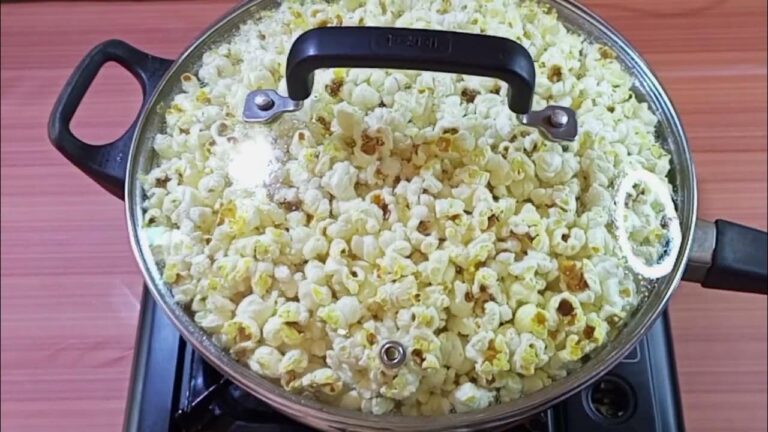
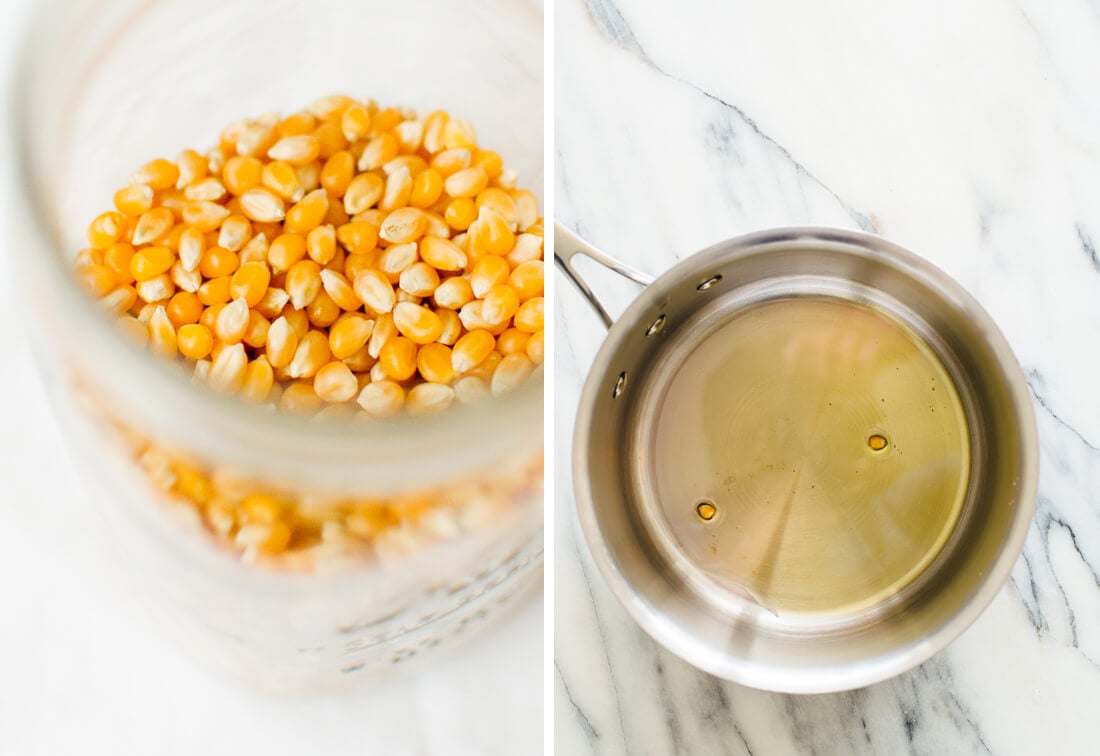
Once you have suitable kernels, how to make a popcorn kernel pop is simple. Use a heavy pot with a lid, a neutral cooking oil, and medium heat.
Ingredients and tools
• One-third cup popcorn kernels
• Two tablespoons canola, avocado, coconut, or vegetable oil
• A large pot with a lid
• Salt or other seasoning
Cooking steps
-
Pour the oil into the pot.
-
Add two or three kernels and cover the pot.
-
Heat the pot over medium heat.
-
Wait for the test kernels to pop.
-
Add the remaining kernels and cover the pot again.
-
Lift the pot from the heat for about 30 seconds.
-
Return it to the burner.
-
Gently shake the pot every few seconds.
-
Remove the pot when the popping slows to about one pop every two seconds.
-
Pour the popcorn into a bowl right away.
The short pause before the main popping helps warm the kernels evenly. This small step often produces more popped corn and fewer hard pieces.
Do not fill the pot too much. Kernels need room to move, and popped corn expands several times beyond its original volume. Keep the lid slightly tilted if your pot allows steam to escape, but make sure hot oil cannot splatter through the opening.
In practical kitchen testing, the most common mistake is using high heat. High heat may pop the first kernels quickly, but it can burn the oil and leave the remaining kernels unpopped. Medium heat gives the center time to heat before the hull bursts.

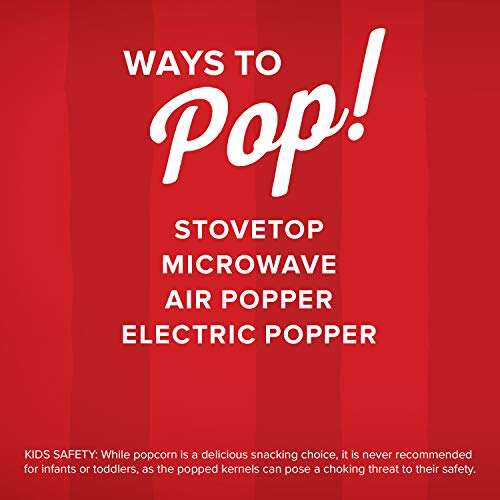
How to Make a Popcorn Kernel in an Air Popper
An air popper uses hot air instead of cooking oil. It is a useful option if you want light popcorn or prefer to add oil after popping.
To learn how to make a popcorn kernel in an air popper, place the recommended amount of kernels in the popping chamber. Put a large bowl under the chute, then turn on the machine.
Follow the manufacturer’s instructions. Most air poppers work best with clean, dry kernels and plenty of space for the popped corn to move.
Air-popped popcorn may taste less rich because it has no oil during cooking. You can improve the flavor by adding:
• Olive oil
• Nutritional yeast
• Fine salt
• Paprika
• Garlic powder
• Cinnamon and a small amount of sugar
Do not add oil, butter, or seasoning to the popping chamber unless the appliance instructions specifically allow it. Liquids can damage the machine and create a safety risk.
:max_bytes(150000):strip_icc()/__opt__aboutcom__coeus__resources__content_migration__serious_eats__seriouseats.com__images__2013__02__20130307-242517-diycornmeal-featured-4aaeebb1e663429099efbc743d882e9d.jpg)
How to Make a Popcorn Kernel in the Microwave
Microwave popping works because the microwave heats water inside the kernel. You can use a microwave-safe glass bowl with a vented cover, or a reusable microwave popcorn popper.
Place a small amount of kernels in the bowl. Cover it with a microwave-safe lid that allows steam to escape. Cook on high until the popping slows.
Do not use a sealed container. Steam pressure can build up and cause the lid or container to break. Avoid ordinary paper bags, plastic containers not labeled for microwave use, and any material with metal.
Microwave power varies. A batch may take two to four minutes, but the sound of popping is a better guide than the clock. Stop the microwave when the pops become several seconds apart.
This method shows how to make a popcorn kernel without a stovetop, but it may produce more unpopped kernels than a covered pot. Monitor the bowl closely because popcorn can burn quickly after the popping slows.

Why Some Popcorn Kernels Do Not Pop
If you are researching how to make a popcorn kernel, it helps to understand why kernels fail. A good kernel needs the right combination of moisture, heat, and hull strength.
Common causes include:
• The kernel is too dry. It cannot create enough steam pressure.
• The kernel is too wet. It may become tough or split without popping well.
• The hull is cracked. Steam escapes before pressure builds.
• The heat is too low. The kernel never reaches the popping point.
• The heat is too high. The outside may burn before the inside heats evenly.
• The corn is not a popcorn variety. Regular corn often lacks the right structure.
• The kernels are old. Long storage can change their moisture level.
You may be able to restore overly dry kernels. Place them in a sealed jar with a teaspoon of water for every quart of kernels. Shake the jar and wait one to three days, shaking it once or twice each day.
Do not pour water directly onto the kernels and cook them immediately. They need time to absorb moisture evenly. Test a small batch before adjusting the whole supply.
If the kernels smell sour, show mold, or remain poor after moisture adjustment, discard them. Food safety matters more than saving a small amount of corn.
:max_bytes(150000):strip_icc()/20240924-SEA-KettleCorn-MorganHuntGlaze-Step2Collage-58-45e015980aa2493e8e93e30f50652883.jpg)
How to Store Homemade Popcorn Kernels
Proper storage protects the moisture balance you worked to create. Keep kernels in an airtight glass jar or food-safe container with a tight lid.
Store the container in a cool, dry cupboard. Avoid the refrigerator unless the kernels are sealed well, because repeated temperature changes can create condensation.
For the best quality:
• Keep kernels away from sunlight.
• Do not store them near a stove or dishwasher.
• Use clean, dry tools when measuring.
• Label the container with the harvest or purchase date.
• Check the kernels for odor or mold before use.
When people ask how to make a popcorn kernel last longer, the answer is stable storage. An airtight container helps prevent both moisture loss and moisture absorption.
Do not store popcorn kernels in an open bowl. Dry indoor air can slowly remove the water needed for popping. Humid air can add too much water and soften the hull.

How to Make a Popcorn Kernel Taste Better
The kernel itself has a mild, warm flavor. Seasoning makes the biggest difference after popping.
Add melted butter or oil first so dry seasonings stick to the popcorn. Sprinkle a little at a time, then toss the bowl. This gives you better control than adding a large amount at once.
Try these combinations:
• Butter, fine salt, and black pepper
• Olive oil, garlic powder, and Parmesan
• Coconut oil, cinnamon, and a little brown sugar
• Nutritional yeast, smoked paprika, and salt
• Lime zest, chili powder, and a small amount of salt
Avoid adding wet sauces directly to a large batch. They can make the popcorn soggy. Add them just before serving, or use a light coating and eat the popcorn promptly.
The type of popcorn also affects texture. Butterfly popcorn creates thin wings that hold seasoning well. Mushroom popcorn forms round, sturdy pieces that work nicely for caramel popcorn.
Health and Safety Tips for Homemade Popcorn
Plain popcorn is a whole grain and can fit into many balanced eating plans. Its nutrition changes when you add large amounts of butter, sugar, or salt.
Use these safety habits:
• Keep children away from hot oil and steam.
• Use oven mitts when handling the pot.
• Do not shake a sealed pot aggressively.
• Keep the lid on while kernels are popping.
• Check for hard, unpopped kernels before serving young children.
• Eat popcorn fresh for the best texture.
Burned popcorn can produce smoke and an unpleasant smell. If the oil begins smoking heavily, turn off the heat and move the pot away from the burner if it is safe to do so.
People with dental problems should take care with unpopped kernels. The hard pieces can damage teeth. Always remove them before serving.
Frequently Asked Questions About How to Make a Popcorn Kernel
Can you make a popcorn kernel from regular corn?
Usually, no. Popcorn comes from a special corn variety with a strong hull and the right starch structure, while sweet corn and most field corn do not pop well.
How long does it take to make a popcorn kernel?
If you grow the corn, it may take several months to mature, followed by several weeks of drying. If you start with mature popcorn corn, you only need to store it correctly before popping.
What moisture level makes popcorn pop best?
Popcorn usually pops best when the kernel contains about 13% to 14% moisture. Home cooks may not measure this precisely, so testing a small batch is a useful alternative.
Why do my popcorn kernels stay hard?
The kernels may be too dry, too wet, too old, or from the wrong corn variety. Cracked hulls, weak heat, and poor storage can also cause unpopped kernels.
Can you dry fresh corn and use it as popcorn?
Only if the fresh corn is a popcorn variety. It must mature fully and dry slowly until the kernels become hard before you try popping them.
Is it better to pop kernels with oil or air?
Both methods work. Oil can improve flavor and heat transfer, while air popping uses less added fat and creates a lighter texture.
Conclusion
Learning how to make a popcorn kernel starts with the right corn variety, careful drying, and proper storage. A successful kernel needs a strong hull and enough moisture to create steam. Once the kernels are ready, a covered pot, air popper, or microwave can turn them into crisp popcorn.
Start with a small batch and adjust the heat or moisture if needed. With a little practice, you can grow, dry, store, and pop your own kernels with reliable results. Try the method that suits your kitchen, then share your favorite seasoning or popcorn tip in the comments.

Liora Pennings is a seasoned chef and kitchen enthusiast with a passion for turning everyday cooking into an effortless experience. With years of hands-on culinary expertise, she specializes in practical techniques, ingredient know-how, and smart kitchen solutions that help home cooks elevate their meals. At KitchFlair.com, Liora shares her best tips, time-saving tricks, and honest product reviews to guide readers toward a more efficient, enjoyable, and inspired cooking routine. Whether you’re a beginner or a seasoned home chef, Liora’s friendly, knowledge-packed insights make every visit to the kitchen a little easier—and a lot more delicious.