How To Make Theatre Popcorn: Movie-Style At Home
Make theatre popcorn at home with coconut oil, refined butter flavor, yellow kernels, and plenty of fine salt.
Learning how to make theatre popcorn is less about buying a special machine and more about using the right fat, heat, salt, and serving method. After testing several stovetop batches, I found that a wide pot, fresh kernels, and finely ground popcorn salt create the closest cinema-style result. This guide covers the full process, common mistakes, healthier options, and easy ways to make each batch crisp and flavorful.
What Makes Theatre Popcorn Taste Different?
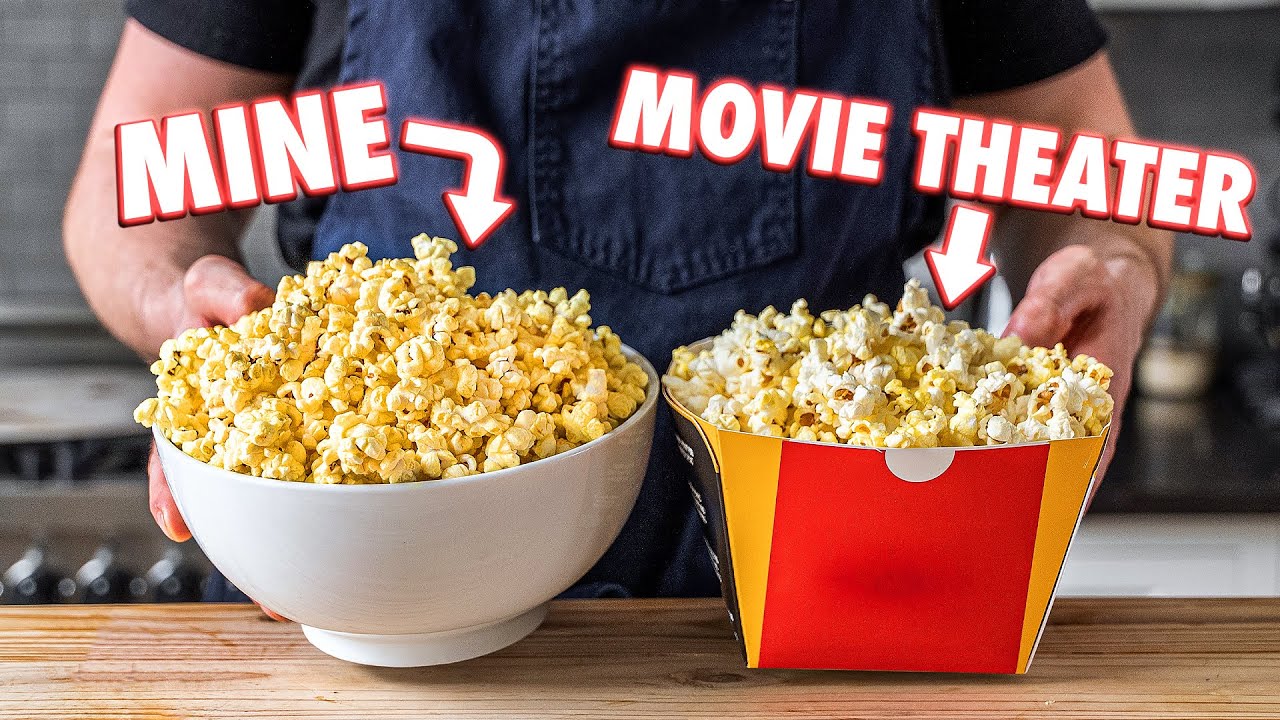
Theatre popcorn has a bold taste that is hard to copy with plain melted butter. Cinemas often use coconut oil or another popcorn oil, yellow corn kernels, fine popcorn salt, and a butter-flavored topping.
The main difference is the balance of fat and salt. Movie theatre popcorn is coated while it pops, so each kernel gets a light layer of flavor. The oil also helps transfer heat evenly and keeps the popcorn crisp.
When learning how to make theatre popcorn, remember these key traits:
• Light, even coating of oil
• Strong butter flavor
• Very fine salt that sticks to the kernels
• Fresh, crisp popcorn
• A warm serving bowl that holds heat
In my kitchen tests, regular table salt often fell to the bottom of the bowl. Finely ground popcorn salt worked much better because it clung to the oil. This small change made a bigger difference than using extra butter.
Ingredients for Theatre Popcorn
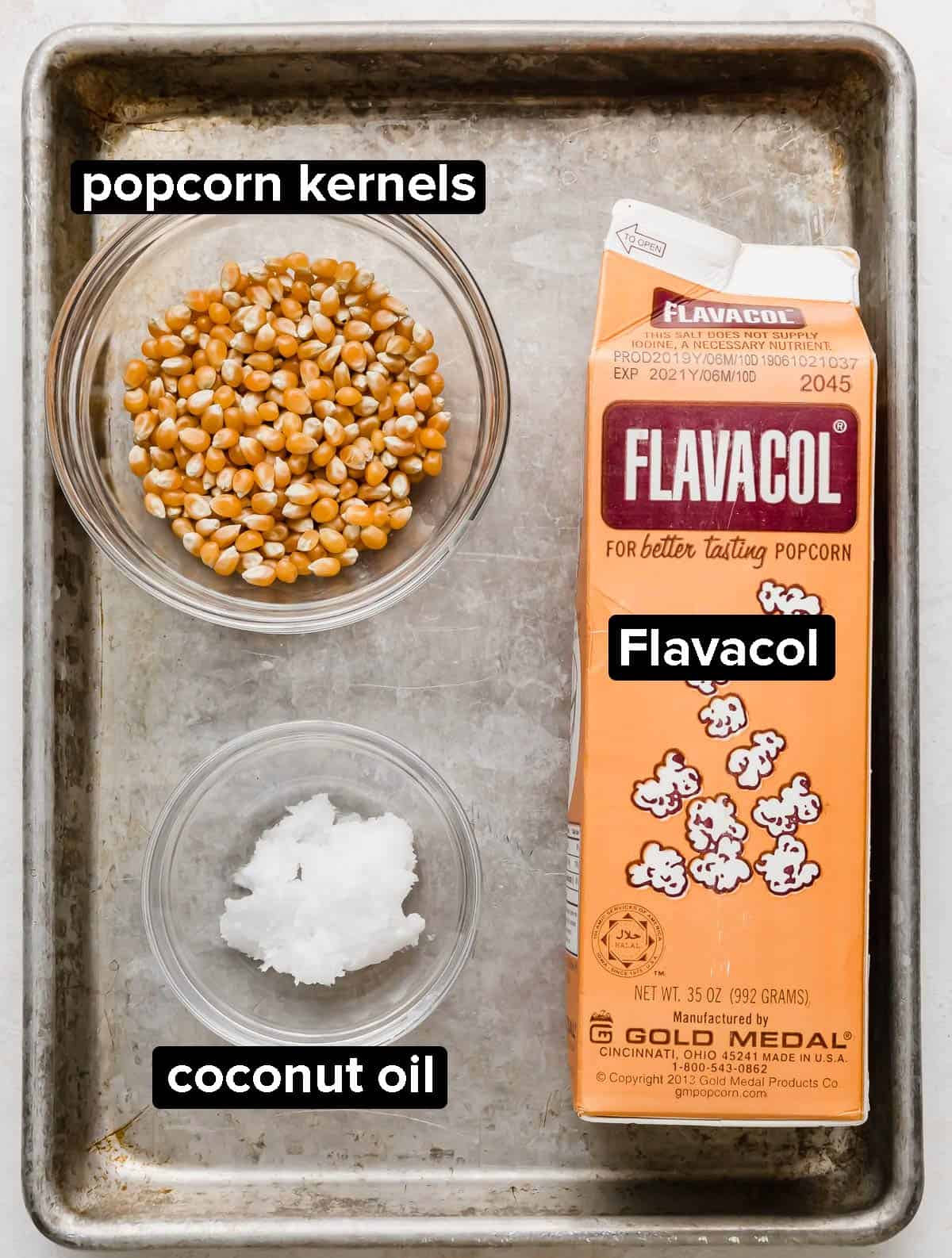
You only need a few ingredients to make theatre popcorn. The quality and type of each ingredient still matter.
Core ingredients
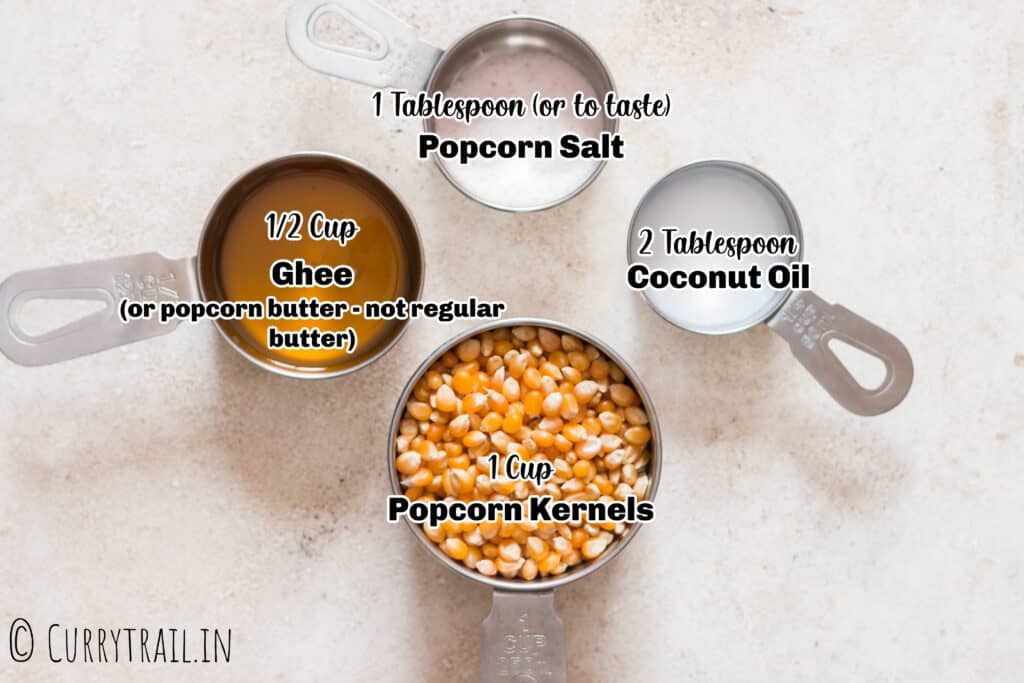
For about 8 cups of popped popcorn, use:
• ½ cup yellow popcorn kernels
• 3 tablespoons coconut oil or canola oil
• ½ teaspoon fine popcorn salt, plus more to taste
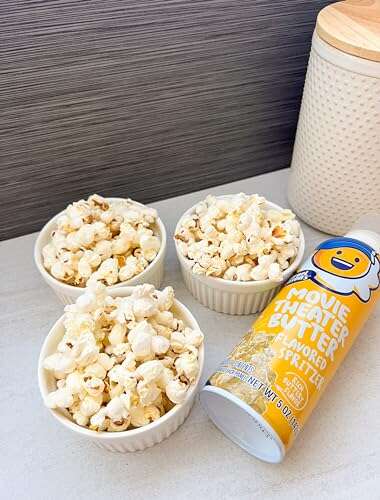
• 2 to 3 tablespoons butter-flavored popcorn topping
You can use refined coconut oil if you want a mild taste. Unrefined coconut oil has a stronger coconut flavor, which may not taste like cinema popcorn.
Yellow kernels are a popular choice because they usually produce large, bright pieces. White kernels also work, but the popped pieces are often smaller and more delicate.
Choosing the right salt
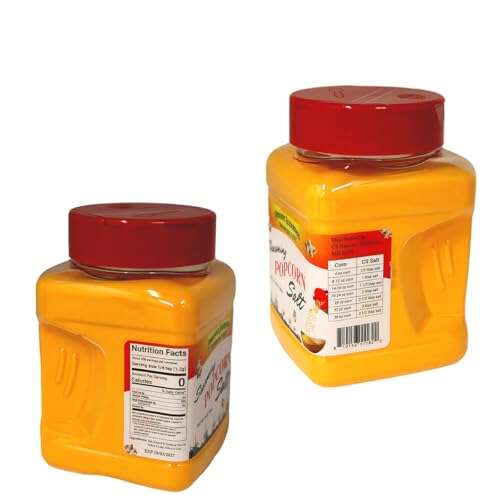
Popcorn salt is finer than standard table salt. Its small grains spread well and stick to the oil-coated popcorn.
If you only have regular salt, grind it in a spice grinder for a few seconds. Do not grind it into a powder that can float into the air. A very fine texture is useful, but it should still be easy to handle.
Choosing butter
Real butter tastes rich, but it contains water. That water can make popcorn softer if you pour on too much.
For the closest theatre flavor, use a butter-flavored popcorn topping. For a more natural version, use clarified butter or ghee. These contain less water than regular butter and help keep the popcorn crisp.
Equipment You Need
The right tools make how to make theatre popcorn easier and more reliable.
Use a heavy pot or Dutch oven with a lid. A thick base spreads heat well and reduces the chance of burnt kernels. The pot should be large enough to hold the popped corn without forcing it out through the lid.
You will also need:
• Large pot with a lid
• Measuring spoons
• Large serving bowl
• Heatproof spoon or kitchen towel
• Small saucepan or microwave-safe bowl for the topping
A bowl with high sides helps you toss the popcorn without sending pieces across the kitchen. If you make popcorn often, a hand-crank popper can also improve airflow and reduce unpopped kernels.
Avoid using a very small saucepan. Popcorn expands quickly, and crowded kernels may steam instead of turning crisp.
How to Make Theatre Popcorn on the Stove
This is the most dependable method for homemade theatre popcorn. It gives you control over the heat and lets you season the kernels as they pop.
Step 1: Warm the oil
Place the pot over medium heat. Add the oil and two or three popcorn kernels.
Cover the pot and wait for the test kernels to pop. This tells you the oil is hot enough for the remaining kernels. If the oil starts smoking, reduce the heat at once.
Step 2: Add the kernels
Remove the pot from the heat for about 30 seconds. Add the rest of the kernels and spread them into one layer.
This short pause helps the kernels heat more evenly. It also lowers the chance that the first kernels will burn while the others are still warming.
Step 3: Start popping
Put the covered pot back on the burner over medium heat. Hold the lid with a towel and shake the pot gently every few seconds.
Leave a small gap for steam to escape if your lid allows it. Steam is the enemy of crisp popcorn. Be careful because hot oil and steam can burn skin.
Step 4: Listen for the final pops
When the popping slows to one pop every two or three seconds, remove the pot from the heat. Do not wait until every kernel pops. The last few kernels are often joined by burnt popcorn.
Let the pot rest for 15 seconds with the lid slightly open. Then pour the popcorn into a large bowl.
Step 5: Add salt and topping
Melt the topping if needed. Drizzle it over the popcorn in a thin stream while tossing the bowl.
Add a small amount of salt, toss again, and taste. Repeat until the flavor is right. Adding salt in layers gives better coverage than dumping it all on top.
This method is the heart of how to make theatre popcorn. The heat should be steady, the kernels should have room to move, and the seasoning should go on while the popcorn is still warm.

How to Add Theatre-Style Butter Flavor
Butter flavor is one of the most important parts of how to make theatre popcorn. It also causes many home batches to become greasy or soft.
For the best texture, use a thin butter-flavored topping. Warm it just enough to pour. Hot topping can make the popcorn soggy, while a thick topping creates heavy spots.
Try this layering method:
-
Pour one-third of the popcorn into the bowl.
-
Drizzle on a small amount of topping.
-
Sprinkle lightly with popcorn salt.
-
Add another third of the popcorn.
-
Repeat the topping and salt.
-
Add the final popcorn and toss gently.
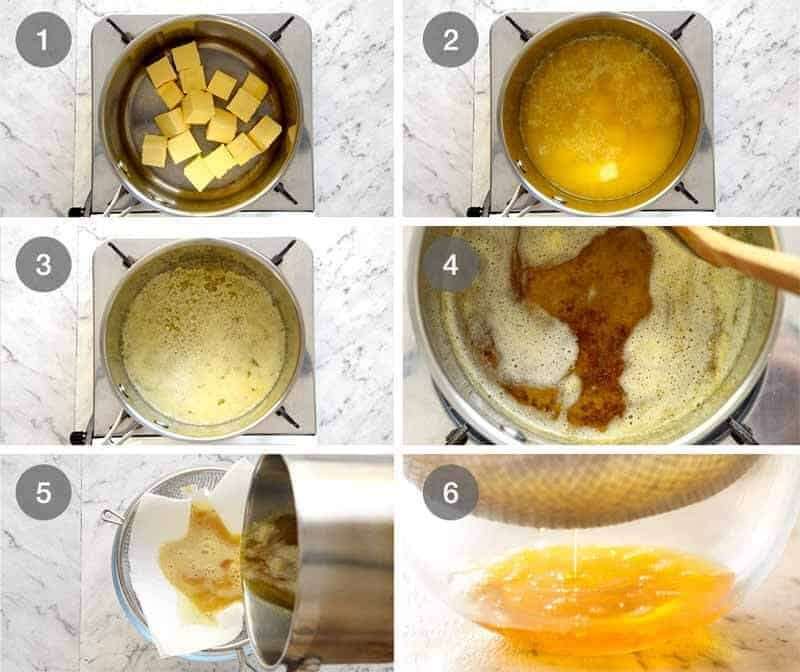
If you use regular butter, melt it and let it sit for a minute. Pour off the clear golden fat, leaving the cloudy milk solids and water behind. This simple step creates a closer texture to theatre popcorn.
A little topping goes a long way. In my tests, adding more butter did not create a better result. It mostly made the popcorn heavy and left wet spots at the bottom of the bowl.

How to Make Theatre Popcorn in an Air Popper
An air popper can make light popcorn with almost no cooking oil. It is useful if you want to reduce fat, but the result will not taste exactly like traditional theatre popcorn until you add the flavor afterward.
Pop ½ cup of kernels according to the machine instructions. Transfer the popcorn to a large bowl while it is still warm.
Then add:
• 2 tablespoons melted clarified butter or popcorn topping
• ½ teaspoon fine popcorn salt
Toss the popcorn as you drizzle. Air-popped kernels have a dry surface, so the topping helps the salt stick.
This version is lighter, but it may taste less rich than stovetop popcorn. It is a good choice for people who want control over the oil while keeping the classic popcorn experience.

How to Make Theatre Popcorn in a Microwave
Microwave popcorn is convenient, but plain kernels in a paper bag often produce uneven results. A microwave popcorn bowl with a vented lid gives you better control.
Add ¼ cup of kernels to a microwave-safe popper. Cook on high until the pops slow to about two seconds apart. Cooking time varies by microwave, so stay nearby and listen.
Add the butter topping and fine salt after popping. Do not add oil to a sealed container because pressure can build up.
Microwave popcorn can be a fast way to practice how to make theatre popcorn. Still, the stovetop method usually gives a deeper toasted flavor and more control over the popping process.

Common Mistakes to Avoid
Small mistakes can change the flavor and texture of your popcorn. These are the problems I see most often when testing homemade batches.
Using too much heat
High heat pops the kernels quickly but can burn the oil and popcorn. Medium heat gives the kernels time to warm through.
Filling the pot too much
Kernels need room to expand. A crowded pot traps steam and makes the popcorn less crisp.
Using wet butter
Regular butter contains water. A heavy pour can soften the popcorn within minutes.
Adding salt only at the end
Salt added to the top does not spread well. Add it in layers while tossing the warm popcorn.
Keeping the lid sealed
A fully sealed lid traps steam. If your pot design allows it, leave a tiny vent while shaking.
Waiting for every kernel to pop
The final kernels often burn before they pop. Remove the pot when the popping slows down.
Storing popcorn while it is warm
Warm popcorn releases steam into the container. Let it cool before storing it in an airtight bag or container.
Tips for Better Popcorn Every Time
Fresh kernels matter. Old kernels lose moisture, and that moisture helps create the pressure needed for popping. Store kernels in a sealed container in a cool, dry place.
Use a wide pot when possible. A broad base keeps the kernels in one layer and helps them heat evenly.
For a more even coating, toss the popcorn from a height of a few inches above the bowl. This gives the topping more chances to spread across the pieces.
You can also improve the flavor with these adjustments:
• Add a pinch of sugar for a sweet and salty style.
• Mix fine salt with a small amount of powdered cheese for a savory snack.
• Use ghee for a rich, natural butter taste.
• Add a little smoked paprika for a warm, savory note.
• Serve the popcorn within 10 to 15 minutes for the best crunch.
The goal of how to make theatre popcorn is not to drown the kernels in topping. It is to create a thin, even coat that supports the toasted corn flavor.

Is Theatre Popcorn Healthy?
Popcorn itself is a whole grain and can fit into a balanced diet. The calorie count rises when you add large amounts of oil, butter topping, or salt.
A homemade batch lets you control every ingredient. You can use less topping, reduce salt, or choose air-popped kernels.
A typical serving can vary widely based on the amount of oil and topping used. For accurate nutrition information, check the label on your specific oil or topping and measure the amount you add.
Keep these safety points in mind:
• Never leave hot oil unattended.
• Keep children away from the stove and hot pot.
• Open the lid away from your face.
• Use heatproof gloves or a towel when shaking the pot.
• Do not give whole popcorn kernels to children under four because they can be a choking hazard.
People with food allergies should check the ingredient label on butter-flavored toppings. Some products may contain milk ingredients, artificial colors, or other additives.
How to Store Leftover Popcorn
Fresh popcorn tastes best right away, but you can store leftovers. Let the popcorn cool fully before sealing it.
Use an airtight container or resealable food bag. Keep it at room temperature and eat it within one or two days for the best texture.
Do not refrigerate popcorn. The cool, damp air can make it chewy.
If the popcorn softens, spread it on a baking sheet and warm it in a low oven for a few minutes. Watch it closely because the topping can scorch.
Avoid storing popcorn with toppings such as caramel or chocolate unless the recipe is designed for storage. Moist toppings can change the texture quickly.
Frequently Asked Questions About How to Make Theatre Popcorn
What oil is best for theatre popcorn?
Refined coconut oil gives a classic cinema-style flavor and handles popcorn heat well. Canola oil, sunflower oil, and avocado oil can also work, but the taste may be more neutral.
What salt do movie theaters use on popcorn?
Many theatres use very fine popcorn salt because it sticks to the oil and spreads evenly. You can make regular salt finer with a spice grinder.
Can I use real butter to make theatre popcorn?
Yes, but regular butter contains water and may soften the popcorn. Clarified butter, ghee, or a butter-flavored popcorn topping usually gives a crisper result.
Why is my homemade popcorn not crispy?
Excess steam is the most common cause. Vent the pot slightly, avoid overcrowding, and serve the popcorn soon after adding the topping.
How do I stop popcorn from burning?
Use medium heat, shake the pot often, and remove it when the pops slow to one every two or three seconds. Do not wait for every kernel to pop.
Can I make theatre popcorn without coconut oil?
Yes. Canola, sunflower, peanut, or avocado oil can pop kernels successfully. Choose an oil with a mild flavor and a suitable heat tolerance.
How much popcorn should I make per person?
Plan on about ¼ cup of kernels per person for a snack-sized serving. One-half cup of kernels usually makes around 8 cups of popped popcorn, depending on the kernel variety.
Conclusion
The best way to make theatre popcorn at home is to use fresh kernels, medium heat, a wide heavy pot, fine salt, and a light butter-flavored topping. Add the seasoning in layers, release steam while popping, and stop cooking when the pops slow down.
Once you learn how to make theatre popcorn, you can adjust the oil, salt, and topping to fit your taste. Try the stovetop method first, then experiment with clarified butter, air popping, or savory seasonings. Make a batch for your next movie night, and share your favorite topping combination in the comments.

Liora Pennings is a seasoned chef and kitchen enthusiast with a passion for turning everyday cooking into an effortless experience. With years of hands-on culinary expertise, she specializes in practical techniques, ingredient know-how, and smart kitchen solutions that help home cooks elevate their meals. At KitchFlair.com, Liora shares her best tips, time-saving tricks, and honest product reviews to guide readers toward a more efficient, enjoyable, and inspired cooking routine. Whether you’re a beginner or a seasoned home chef, Liora’s friendly, knowledge-packed insights make every visit to the kitchen a little easier—and a lot more delicious.