How Do You Make Popcorn With Coconut Oil: Easy Guide
Use coconut oil, popcorn kernels, and medium heat to make crisp, flavorful stovetop popcorn in minutes.
Learning how do you make popcorn with coconut oil is simple, but small details matter. The right heat, pan, oil amount, and timing can turn plain kernels into light, crunchy popcorn without burnt spots or greasy bites. This guide shares a tested stovetop method, useful tips, common mistakes, topping ideas, and safe storage advice.
Why Make Popcorn With Coconut Oil?
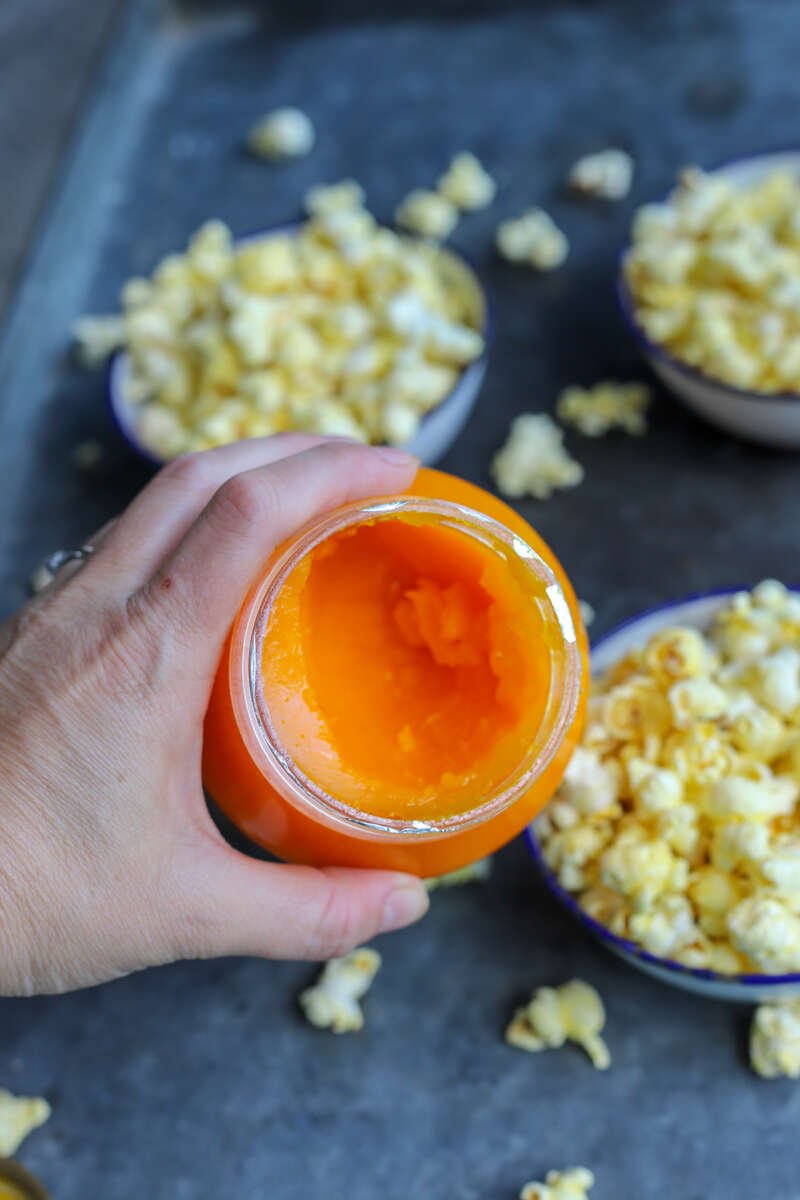
Coconut oil gives popcorn a mild, pleasant flavor and helps the kernels cook evenly. Refined coconut oil has a neutral taste, while virgin coconut oil adds a light coconut scent and flavor.
It also works well for high-heat cooking. Refined coconut oil usually has a higher smoke point than virgin coconut oil, so it is often the better choice for popcorn. Still, keep the heat at medium rather than high.
Popcorn itself is a whole grain. Air-popped popcorn can be a light snack, but oil and toppings add calories. Coconut oil is also high in saturated fat, so enjoy coconut oil popcorn as part of a balanced diet.
In my kitchen tests, the best results came from using enough oil to coat the bottom of the pan, but not enough to make the finished popcorn heavy. A heavy pot with a lid also made a clear difference.

Ingredients and Equipment You Need
You only need a few basic items to make coconut oil popcorn. Good tools matter because they help spread heat and prevent scorching.
Ingredients
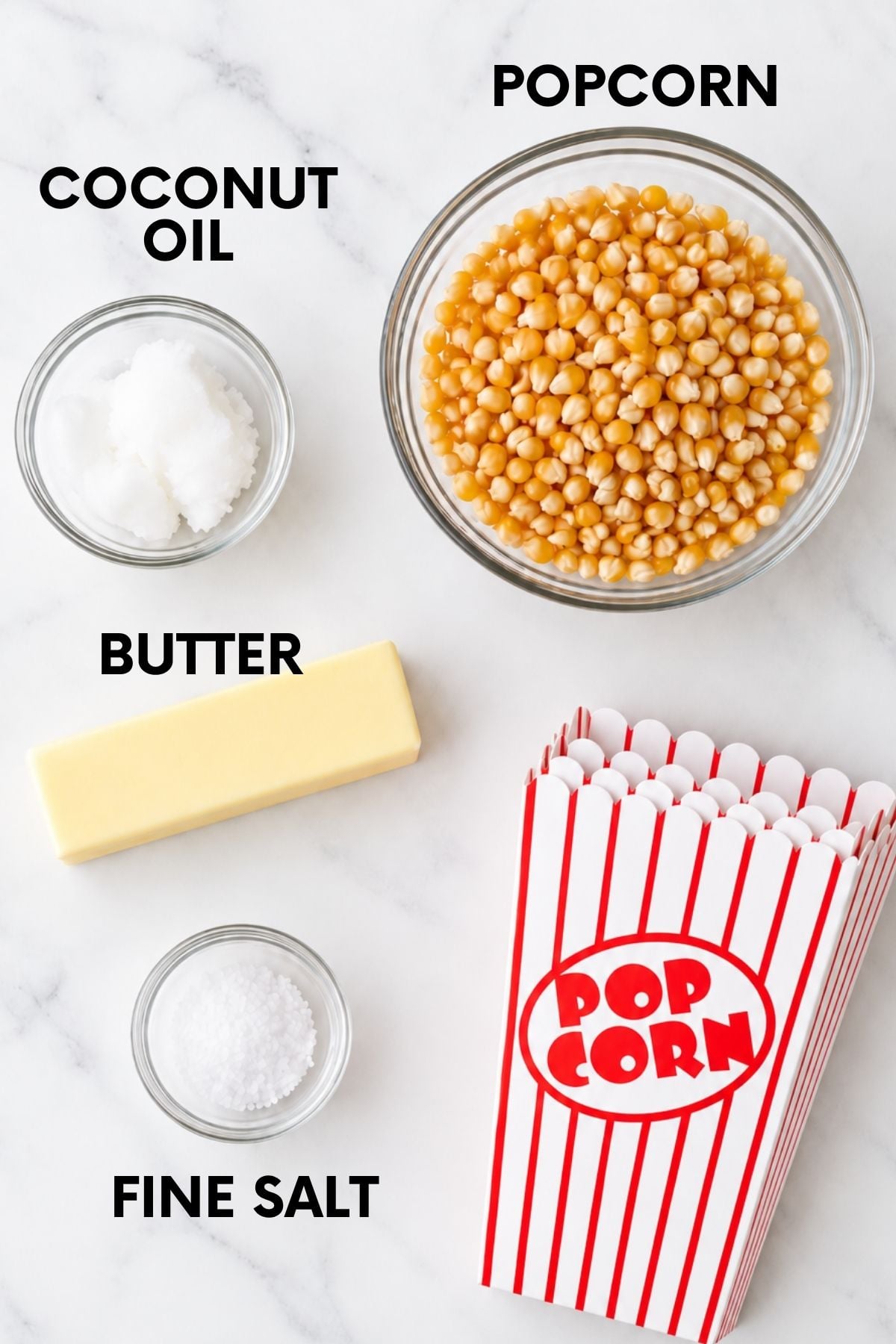
For about 8 cups of popped popcorn, use:
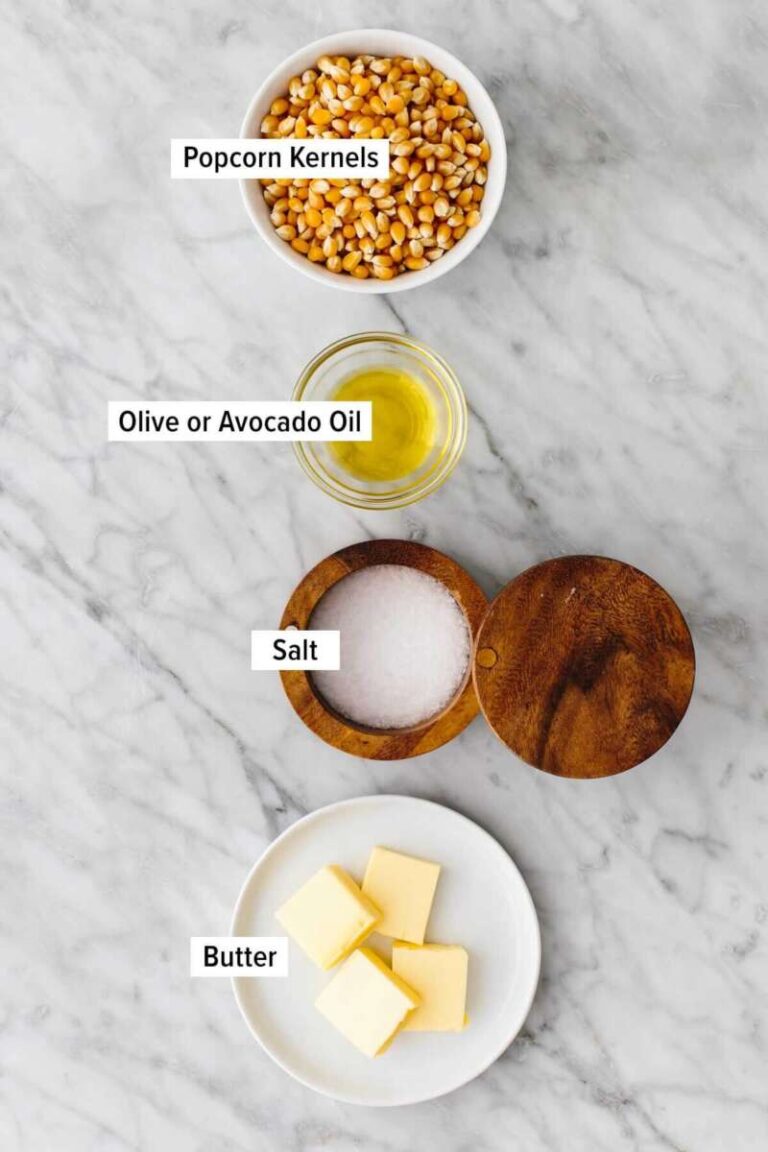
- ½ cup popcorn kernels
- 2 tablespoons coconut oil
- ¼ to ½ teaspoon fine salt, or salt to taste
- Optional toppings, such as melted butter, cinnamon, nutritional yeast, or grated Parmesan
Equipment
Choose:
- A large, heavy-bottomed pot with a lid
- A heat-safe spoon or spatula
- A large bowl
- Oven mitts
- A small bowl for toppings
A clear glass lid is helpful because you can watch the kernels. However, a vented lid is even better. It lets steam escape, which helps keep the popcorn crisp.
Avoid filling the pot too much. Popcorn kernels expand to many times their original size. A large pot gives each kernel room to pop and reduces the chance of uneven cooking.

How Do You Make Popcorn With Coconut Oil?
This stovetop method is reliable, quick, and easy to adjust. The key is to heat the oil gradually and remove the pot as soon as the popping slows.
Step-by-step method
-
Place a large, heavy pot on the stove.
-
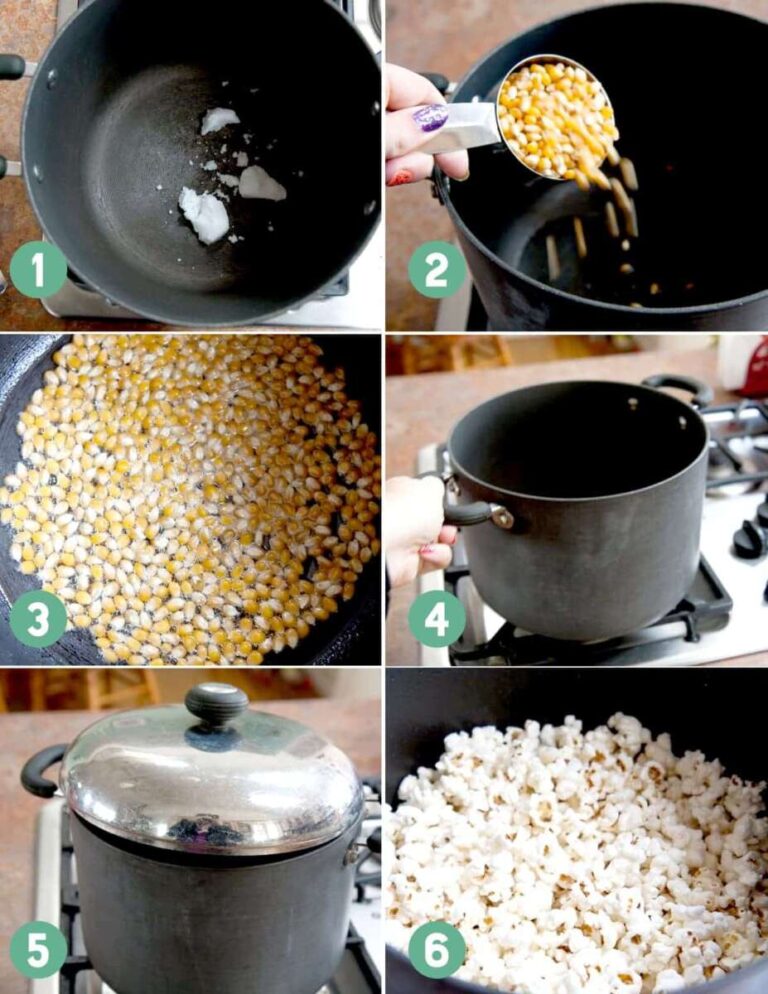
Add 2 tablespoons of coconut oil and set the burner to medium heat. Let the oil melt fully.
-
Add three popcorn kernels to the oil. Cover the pot and wait until all three kernels pop.
-
Remove the pot from the heat for about 30 seconds. This short pause lets the remaining kernels warm up evenly.
-
Add the rest of the kernels. Spread them into one layer by gently shaking the pot.
-
Put the lid back on and return the pot to medium heat.
-
Hold the pot handle with an oven mitt and gently shake it every few seconds. Keep the lid slightly tilted if it is safe to do so, allowing steam to escape.
-
Listen to the popping. When the time between pops reaches about two seconds, remove the pot from the burner.
-
Keep the lid on for a few more seconds. This allows late kernels to pop without sending pieces across the kitchen.
-
Pour the popcorn into a large bowl. Add salt and other toppings while the popcorn is still warm.
This answers how do you make popcorn with coconut oil in the most practical way: warm the oil, test the heat, add the kernels, shake the pot, and stop cooking before the pops become too slow.
Do not wait until every kernel pops. A few unpopped kernels are normal. Waiting for total popping often leads to burnt popcorn.

How Much Coconut Oil Should You Use?
A good starting point is 2 tablespoons of coconut oil for ½ cup of kernels. This amount coats the pan and helps transfer heat to the kernels without making the snack overly oily.
You can adjust the amount based on your preference:
- Use 1½ tablespoons for a lighter batch.
- Use 2 tablespoons for balanced flavor and texture.
- Use 2½ to 3 tablespoons for richer popcorn or heavier toppings.
Too little oil can cause uneven heating. Some kernels may burn before others pop. Too much oil can make the popcorn feel greasy and may soften its texture.
The pan size matters, too. The kernels should sit in a mostly single layer. If they pile up deeply, the lower kernels can burn while the upper kernels remain unpopped.
When people ask how do you make popcorn with coconut oil without making it greasy, the answer is simple: measure the oil instead of pouring it freely. Start with less, then add more in your next batch if needed.

Choosing the Best Coconut Oil
Both refined and virgin coconut oil can pop kernels well. Your choice depends mostly on taste and heat control.
Refined coconut oil
Refined coconut oil has a mild or nearly neutral flavor. It is a good choice if you want the popcorn to taste like classic movie theater popcorn with a clean oil base.
It usually handles higher heat better than virgin coconut oil. Even so, medium heat is enough for stovetop popcorn.
Virgin coconut oil
Virgin coconut oil has a stronger coconut aroma. It pairs well with sweet toppings, cinnamon, maple flavor, or toasted nuts.
Its smoke point can vary by product and processing method. Use medium or medium-low heat, and remove the pot quickly if the oil begins to smoke.
What if the oil smells burnt?
Stop cooking if the oil smokes or smells sharp. Let the pot cool, discard the oil and kernels, and start again with lower heat.
Smoke is a sign that the oil is breaking down from excess heat. The United States Department of Agriculture advises avoiding foods cooked in visibly overheated or burnt oil.

Tips for Light, Crisp Popcorn
The best coconut oil popcorn is crisp, not chewy. Steam is usually the main reason homemade popcorn loses its crunch.
Use these practical tips:
- Shake the pot gently while the kernels pop. This spreads the oil and moves popped pieces away from the hot base.
- Keep the heat at medium. High heat saves little time and increases the risk of burnt oil.
- Vent the lid slightly so steam can escape.
- Pour the popcorn into a wide bowl right away.
- Add wet toppings sparingly. Too much melted butter or syrup can soften the popcorn.
- Use fine salt because it sticks better than coarse salt.
- Toss the popcorn from the bottom of the bowl so the oil and seasoning spread evenly.
One mistake I learned to avoid is leaving the finished popcorn in the hot pot. Even after the burner is off, the pot stays hot and can scorch the pieces at the bottom.
Another lesson is to season in layers. Add a little salt, toss, taste, and then add more. This gives you better control than adding all the salt at once.

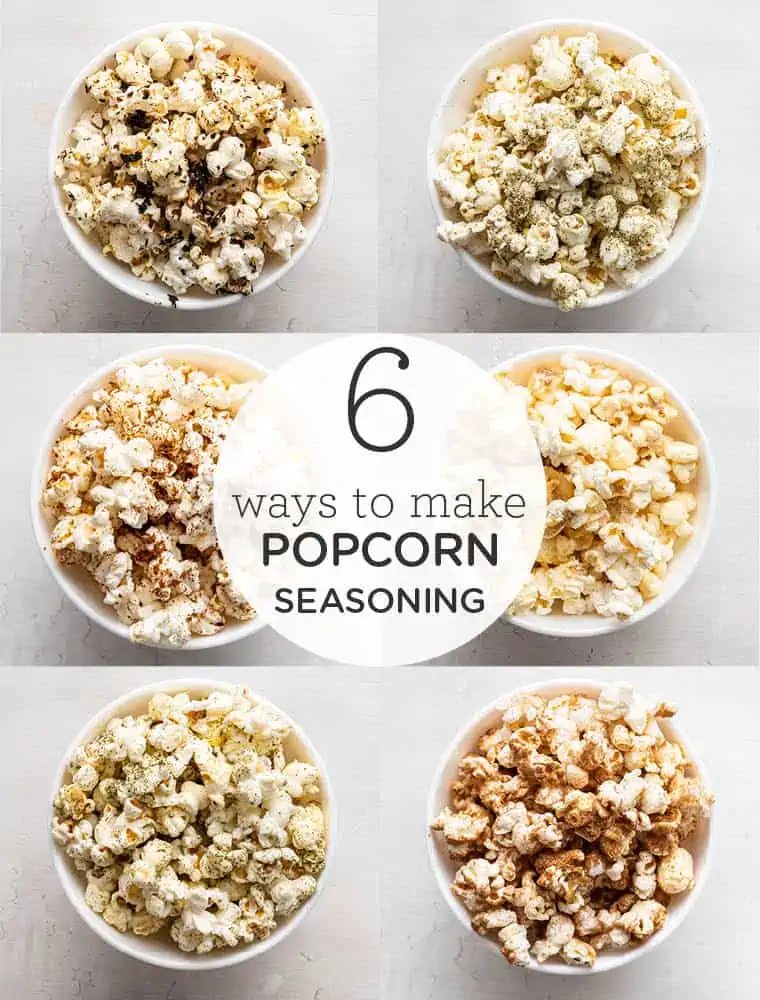
Flavor Ideas for Coconut Oil Popcorn
Coconut oil creates a flexible base for both sweet and savory popcorn. Try one of these combinations after popping.
Classic salted popcorn
Toss warm popcorn with fine salt. Add a small amount of melted butter if you want a richer flavor.
Cinnamon coconut popcorn
Mix a little cinnamon with sugar and sprinkle it over warm popcorn. For better coverage, mist the popcorn lightly with melted coconut oil before adding the mixture.
Savory herb popcorn
Add dried oregano, garlic powder, black pepper, and a small amount of grated Parmesan. Use less salt because Parmesan already adds a salty taste.
Nutritional yeast popcorn
Nutritional yeast gives popcorn a savory, cheese-like flavor. It works well with black pepper and smoked paprika.
Sweet and salty popcorn
Combine a pinch of salt with a little maple sugar or brown sugar. Add the sugar after cooking so it does not burn in the pot.
Avoid adding honey, chocolate sauce, or thick syrup directly to hot popcorn unless you plan to eat it at once. These toppings add moisture and can make the texture sticky.

Common Mistakes to Avoid
Knowing how do you make popcorn with coconut oil also means knowing what can go wrong. Most problems come from too much heat, too much moisture, or poor timing.
Using high heat
High heat may pop the kernels quickly, but it can burn the oil and the popcorn. Medium heat gives the kernels time to heat from the center and pop more evenly.
Filling the pot too deeply
A crowded pot traps heat and makes it hard to move the kernels. Use a larger pot or reduce the kernel amount.
Removing the lid completely
Popping kernels can jump out with force. Keep the lid on and vent it only slightly if needed.
Adding salt too early
Salt added before popping may settle at the bottom or affect how the kernels move. Season the finished popcorn for more even flavor.
Cooking until every kernel pops
This is one of the most common causes of burnt popcorn. Stop when the popping slows to one pop every two seconds.
Using old kernels
Popcorn kernels need a small amount of internal moisture to create steam. Very old or poorly stored kernels may pop poorly and leave many hard pieces.
Is Popcorn With Coconut Oil Healthy?
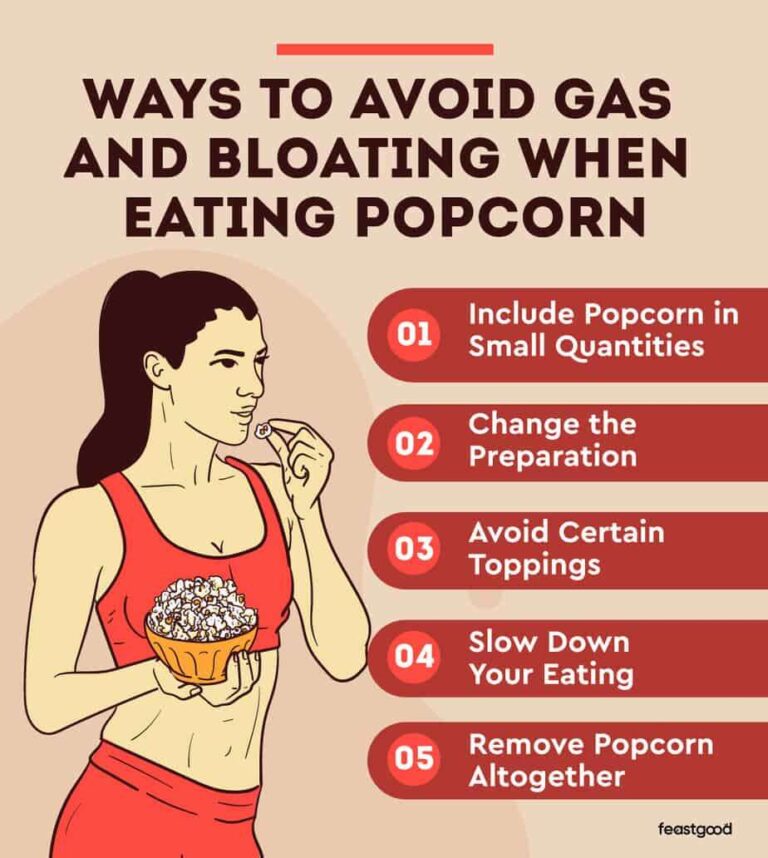
Coconut oil popcorn can fit into a balanced eating pattern, but it is not automatically healthier than every other type of popcorn. The nutritional value depends on the amount of oil, salt, sugar, and butter you add.
Popcorn is naturally a whole-grain food. The fiber remains mostly in the hull, which is the thin outer layer that can stick to your teeth. Coconut oil adds fat, which helps with flavor and mouthfeel but also increases the calorie content.
The American Heart Association recommends limiting saturated fat and choosing unsaturated fats more often. Coconut oil contains a high share of saturated fat, so moderate portions are sensible.
For a lighter snack:
- Use 1½ tablespoons of coconut oil.
- Add herbs, pepper, or nutritional yeast for flavor.
- Limit butter and sugary toppings.
- Serve a measured bowl instead of eating from the pot.
People with allergies, digestive concerns, or specific dietary needs should consider their own health advice. The basic recipe is simple, but personal nutrition goals may call for different oil or topping choices.

How to Store Homemade Popcorn
Fresh popcorn tastes best within a few hours, but you can store leftovers. Let the popcorn cool fully before placing it in an airtight container.
A sealed glass jar or food storage container works well. Keep it at room temperature in a cool, dry place. Do not refrigerate it because moisture from the refrigerator can make the popcorn chewy.
Plain popcorn usually keeps its texture better than popcorn covered with butter, syrup, or other wet toppings. If you plan to save some, store it plain and season each serving later.
Discard popcorn if it develops an unusual smell, visible mold, or a stale, oily taste. Coconut oil may stay solid in a cool room, but this does not mean the popcorn has spoiled.
Frequently Asked Questions About How Do You Make Popcorn With Coconut Oil
Can you use virgin coconut oil to make popcorn?
Yes, virgin coconut oil works well for popcorn and gives it a clear coconut flavor. Use medium heat because smoke points vary, and stop cooking if the oil begins to smoke.
Is coconut oil better than butter for popping popcorn?
Coconut oil is better for popping than regular butter because butter contains water and milk solids that can burn. Add melted butter after popping if you want its flavor.