Does Vacuum Cleaner Kill Bed Bugs: What Really Works
No, a vacuum cleaner rarely kills bed bugs, but it can remove many bugs, eggs, and shed skins.
If you are dealing with bed bugs, vacuuming is a useful first step, not a complete cure. This guide explains exactly how vacuuming affects bed bugs, which vacuum works best, how to clean it safely, and what treatments you need to stop an infestation from returning.
Does vacuum cleaner kill bed bugs?
The short answer is no. A vacuum cleaner may kill some bed bugs through suction, crushing, or contact with moving parts, but it cannot reliably kill every bug or egg it reaches.
Bed bugs are small, flat insects that hide in seams, cracks, bed frames, baseboards, and furniture joints. A vacuum may remove them from these areas, but it cannot reach every hiding place. Eggs can also remain attached to rough surfaces or tucked deep inside fabric.
So, does vacuum cleaner kill bed bugs in a reliable way? Not by itself. Vacuuming works best as part of a larger bed bug control plan.
A vacuum can help by:
• Removing live bed bugs from exposed areas
• Collecting loose eggs and shed skins
• Reducing the number of bugs before treatment
• Cleaning cracks, seams, carpets, and furniture edges
• Helping you monitor whether activity is decreasing
Think of vacuuming as lowering the population, not ending the infestation. It is like sweeping water from a floor while a pipe is still leaking. The cleanup matters, but you must also stop the source.

How vacuuming affects bed bugs
Vacuum suction can pull bed bugs from mattresses, carpets, cracks, and furniture. Some bugs may die inside the vacuum because of impact, dehydration, or being trapped in dust and debris.
However, survival can vary. Bed bugs are tough insects. Some may survive inside the vacuum chamber or bag for a period of time. This is why safe disposal is just as important as the vacuuming itself.
A vacuum also has limits. It may not remove eggs that are glued to a surface. It may miss bugs hidden behind wallpaper, inside walls, under carpet edges, or deep within a box spring.
When people ask, “Does vacuum cleaner kill bed bugs?” they often mean, “Will vacuuming solve my problem?” The answer is usually no. Vacuuming can reduce visible activity, but it rarely reaches the entire population.
What a vacuum may remove
A careful vacuuming session may collect:
• Adult bed bugs
• Young bed bugs, called nymphs
• Loose eggs
• Shed skins
• Droppings and dark fecal spots
• Hiding debris
The result depends on the vacuum type, the nozzle, the surface, and how carefully you work.

The best vacuum for bed bugs
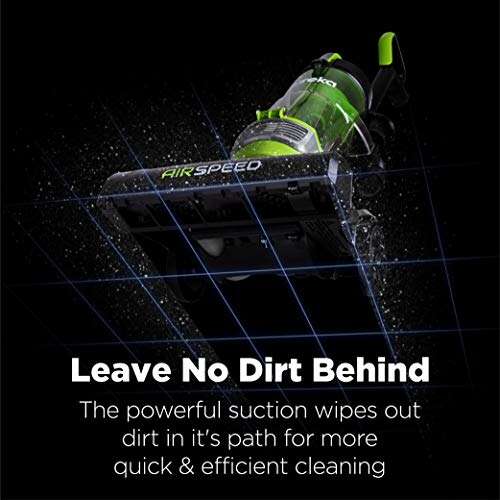
A vacuum with strong suction and useful attachments is the most practical choice. You do not need the most expensive model, but you need one that lets you clean seams and narrow spaces.
Canister vacuums
Canister vacuums are often useful because they have flexible hoses and narrow attachments. They make it easier to reach bed frames, baseboards, furniture joints, and mattress seams.
Bagged vacuums
A bagged vacuum can make disposal simpler. You can remove the bag, seal it, and place it outdoors without opening a dust container inside your home.
Bagless vacuums
A bagless model can work, but it requires extra care. Emptying the dust cup indoors may release bed bugs or eggs back into the room.
Handheld vacuums
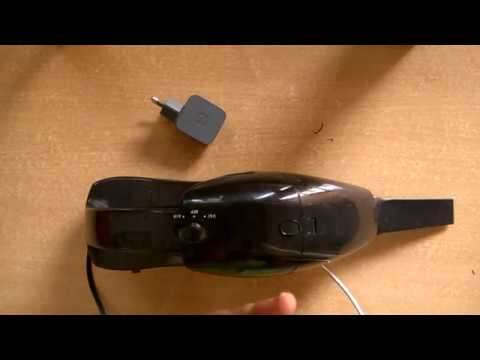
Handheld vacuums are convenient for quick work. They are useful for mattress seams, couch folds, and small cracks, but their smaller motors may provide less suction.
Vacuums with HEPA filters
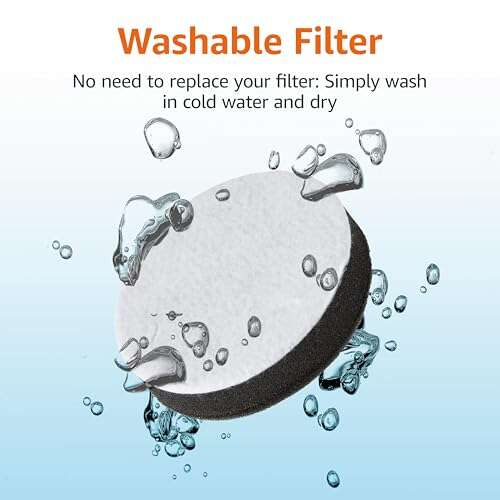
A HEPA filter can help trap fine dust and allergens. It may improve air quality, but a HEPA filter does not automatically make a vacuum a bed bug treatment.
The most important features are:
• Strong suction
• A crevice tool
• A brush attachment
• A sealed bag or dust container
• Easy and safe disposal

How to vacuum bed bugs safely
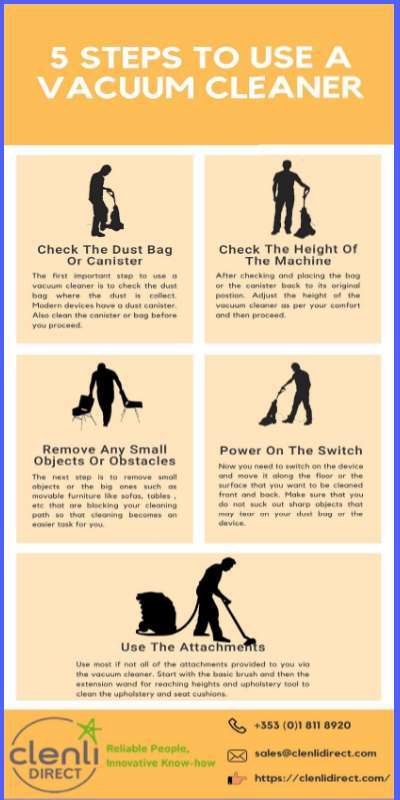
Vacuuming must be done slowly. Moving too fast may leave bugs behind, especially in seams and corners.
Follow these steps:
-
Remove clutter from the floor and around the bed.
-
Use a flashlight to inspect seams, cracks, and dark edges.
-
Start with the mattress seams and the area around the bed.
-
Move the crevice tool slowly along seams and folds.
-
Vacuum the box spring, bed frame, headboard, and nearby furniture.
-
Clean carpet edges, baseboards, cracks, and floor joints.
-
Vacuum couches and chairs if people rest there.
-
Keep the vacuum nozzle close to the surface.
-
Work in a pattern so you do not miss sections.
-
Stop and dispose of the contents as soon as possible.
Do not press hard enough to damage the mattress. Instead, make slow passes over each seam. Bed bugs often hide where fabric meets wood, metal, or plastic.
Pay special attention to:
• Mattress piping
• Box spring folds
• Screw holes in bed frames
• Gaps near headboards
• Carpet edges
• Cracks in baseboards
• Drawer joints
• Sofa seams
• Gaps beneath furniture

How to dispose of bed bugs after vacuuming
Safe disposal is a key part of the process. If you remove bed bugs but leave them alive in the vacuum, they may escape later.
For a bagged vacuum:
• Turn off the vacuum outdoors if possible.
• Remove the bag carefully.
• Place it inside a plastic trash bag.
• Seal the bag tightly.
• Place it in an outdoor trash container.
For a bagless vacuum:
• Take the vacuum outside before emptying it.
• Wear disposable gloves.
• Empty the dust cup into a plastic bag.
• Seal the bag immediately.