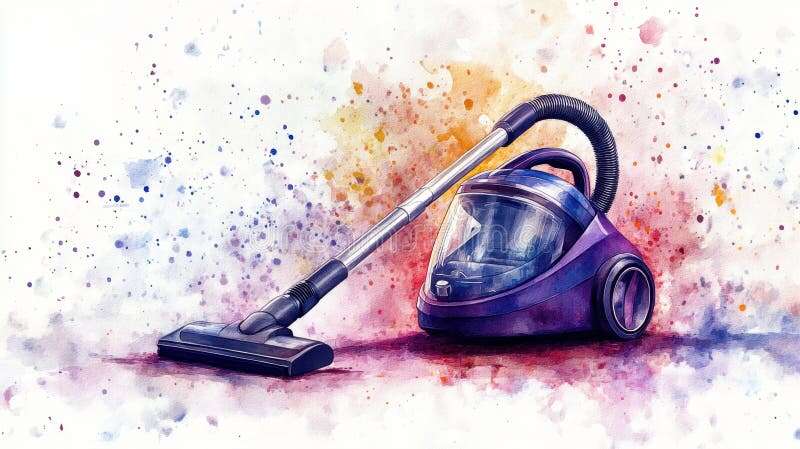
Does A Vacuum Cleaner Create A Vacuum: How It Works
A vacuum cleaner creates a low-pressure airflow, not a perfect vacuum like empty space.
The question “does a vacuum cleaner create a vacuum” has a simple answer, but the science behind it is worth understanding. A vacuum cleaner uses a motor, fan, pressure difference, and airflow to lift dirt from surfaces. Knowing how these parts work helps you choose the right machine, fix weak suction, and use your cleaner more safely.

What does a vacuum cleaner actually create?
A vacuum cleaner does not create a complete vacuum. Instead, it creates a small area of lower air pressure inside and near its cleaning head. Higher air pressure outside the machine then pushes air, dust, hair, and small debris toward the lower-pressure area.
This is similar to drinking through a straw. When you pull air from the straw, the pressure inside it drops. The higher pressure around the drink pushes liquid up the straw. A vacuum cleaner uses the same basic idea, but it moves air instead of pulling up a drink.
So, does a vacuum cleaner create a vacuum? Yes, but only in the everyday sense of creating suction. It does not remove every air molecule from a space.
The term “vacuum” can mean different things:
• A perfect vacuum contains no matter at all.
• A low-pressure area contains less air pressure than the surrounding space.
• A household vacuum cleaner creates only a small low-pressure area.
The pressure difference may seem small, but it is strong enough to move loose dirt through a hose or cleaning head.
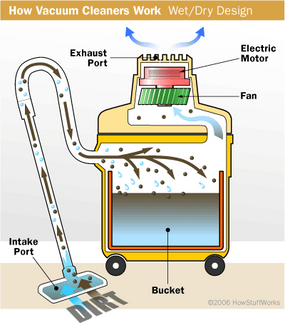
How does a vacuum cleaner create suction?
A vacuum cleaner creates suction through a fast-spinning electric motor and fan. The motor turns the fan blades, which push air out of the machine. This lowers the air pressure inside the vacuum cleaner and its connected hose.
Air from the room then rushes into the cleaner through the nozzle. Dirt travels with that moving air. The air passes through filters or a dust container, while the collected debris stays inside the machine.
The process usually follows these steps:
-
The motor powers the fan.
-
The fan moves air away from the intake area.
-
Air pressure drops near the nozzle.
-
Higher-pressure room air pushes into the nozzle.
-
Moving air carries dirt into the vacuum.
-
Filters or a dust bin separate debris from the airflow.
The fan does not pull objects in like a magnet. Air pressure and moving air do the work. This is why a vacuum cleaner may pick up dust easily but struggle with a heavy coin or a large object that blocks the nozzle.
Airflow and suction are not the same
People often use “suction” and “airflow” as if they mean the same thing. They are related, but they describe different parts of cleaning performance.
Suction refers to the pressure difference created by the machine. Airflow refers to the volume of air moving through the cleaner over time. A strong vacuum needs a useful balance of both.
A cleaner with high suction but poor airflow may lift dirt at the nozzle but fail to carry it through a long hose. A cleaner with high airflow but weak suction may move air well but struggle to lift dirt from carpet fibers.
This explains why does a vacuum cleaner create a vacuum is not the only question that matters. The design of the nozzle, hose, brush roll, filter, and dust container also affects cleaning power.

Is the vacuum inside a cleaner a real vacuum?
A household vacuum cleaner creates a partial vacuum, also called a low-pressure region. It does not create the near-empty space used in laboratories, manufacturing, or space research.
A perfect vacuum is impossible to achieve in most practical settings. Even advanced vacuum chambers contain a tiny number of gas molecules. Household cleaners operate at a much higher pressure because they need a steady stream of air to carry dirt.
This difference is important:
• A vacuum chamber tries to remove almost all gas from a sealed space.
• A vacuum cleaner keeps air moving through an open system.
• A vacuum cleaner must allow air to enter through the nozzle.
• A vacuum chamber is sealed, while a vacuum cleaner is designed for continuous airflow.
If you sealed the nozzle completely, the machine might show strong suction at first. However, almost no air would move. The motor could also overheat because the cooling airflow becomes restricted.
That is why does a vacuum cleaner create a vacuum is best answered with “a partial vacuum.” The cleaner creates lower pressure, but it does not remove all air.

What affects a vacuum cleaner’s suction power?
Many parts affect how well a vacuum cleaner lifts and transports dirt. Motor size matters, but it does not tell the whole story.
The motor and fan
The motor drives the fan. A well-designed fan can create useful pressure and airflow without wasting much energy. A higher wattage does not always mean better cleaning, because efficiency and airflow design matter too.
The nozzle
The nozzle controls how air enters the machine. A nozzle that seals well against a smooth floor can create strong local suction. On thick carpet, a nozzle that seals too tightly may restrict airflow and make the cleaner harder to move.
The hose
A long, narrow, or bent hose increases resistance. Cracks and loose connections allow air to leak before it reaches the dust. Even a powerful vacuum can perform poorly when its hose is damaged.
The filter
Filters protect the motor and improve indoor air quality. When a filter becomes clogged, less air can pass through it. The motor may still run, but the cleaner can lose noticeable performance.
The dust container
A full bag or dust bin reduces available airflow. Some bagless designs also lose performance when fine dust covers the filter. Emptying the bin and cleaning the filter can restore normal operation.
The brush roll
On carpet, the brush roll loosens dirt trapped between fibers. This action works with suction rather than replacing it. A brush roll wrapped in hair may spin slowly and reduce cleaning performance.
Why does a vacuum cleaner lose suction?
When a vacuum cleaner feels weak, the problem is often simple. Check the machine in a logical order before replacing expensive parts.
Use these steps:
-
Turn off and unplug the cleaner.
-
Empty the dust bin or replace the bag.
-
Check the floor nozzle for coins, hair, and compacted debris.
-
Inspect the hose for blockages and cracks.
-
Clean or replace washable and disposable filters as directed.
-
Check that every connection is fitted tightly.
-
Inspect the brush roll and remove wrapped hair.
-
Test the cleaner again on a clear surface.
Never wash a filter unless the manufacturer says it is washable. Some filters must stay dry, while others need complete drying before use. Running a vacuum with a wet filter can damage the motor and encourage mold growth.
A practical lesson from troubleshooting many common cleaner problems is to check airflow first. People often blame the motor, but a blocked hose or dirty filter is much more common.
Also avoid operating the machine without its required filters. Dust can reach the motor, damage internal parts, and return to the room through the exhaust.

Do different types of vacuum cleaners create different vacuums?
Most vacuum cleaners use the same basic principle: a fan creates a pressure difference and moving air carries away debris. Their designs differ mainly in airflow path, filtration, cleaning tools, and movement.
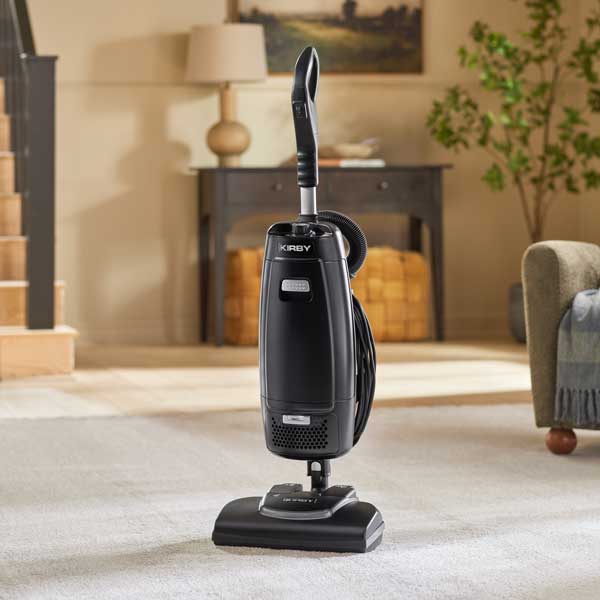
Upright vacuum cleaners
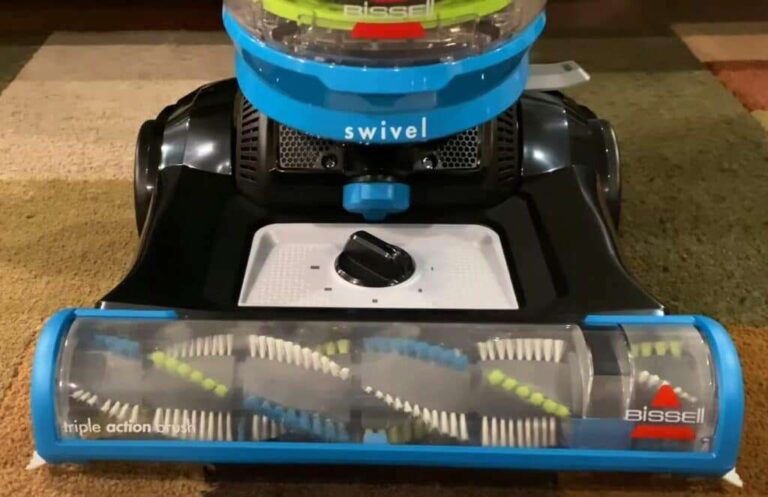
Uprights often work well on carpet because they combine a powered brush roll with a wide cleaning head. Their short airflow path can support strong cleaning performance.
Canister vacuum cleaners
Canister models use a separate body and hose. They are often easy to use on stairs, hard floors, and under furniture. A long hose may add airflow resistance, but good design can reduce that effect.
Stick vacuum cleaners
Stick vacuums are light and convenient. Cordless models may use smaller motors and batteries, so their highest power setting can reduce battery life.
Handheld vacuum cleaners
Handheld models are useful for crumbs, furniture, cars, and small spills. Their small bins and filters may fill quickly, which can cause a fast drop in airflow.
Robot vacuum cleaners
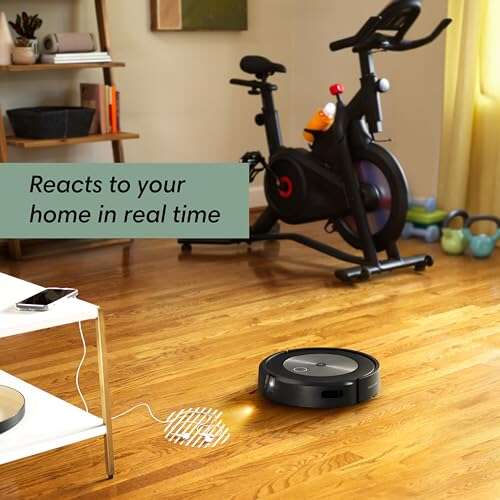
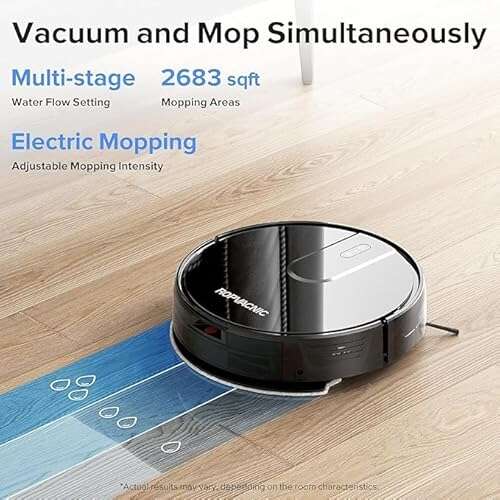
Robot vacuums use low-profile cleaning heads and automated navigation. They may not match a large upright on thick carpet, but they can remove daily dust and crumbs with regular use.
Central vacuum systems
Central systems place the motor and collection container in a fixed location. Tubing runs through the home to wall inlets. They can offer quiet operation in living areas, but installation costs more than a portable machine.
Regardless of type, does a vacuum cleaner create a vacuum through the same core process. The fan creates lower pressure, and room air moves toward the intake.
Can a vacuum cleaner pick up anything?
No. A vacuum cleaner works best when the object is light enough for the airflow to move and small enough to pass safely through the nozzle and hose.
Most household cleaners can handle:
• Dust
• Crumbs
• Pet hair
• Small paper pieces
• Dry dirt