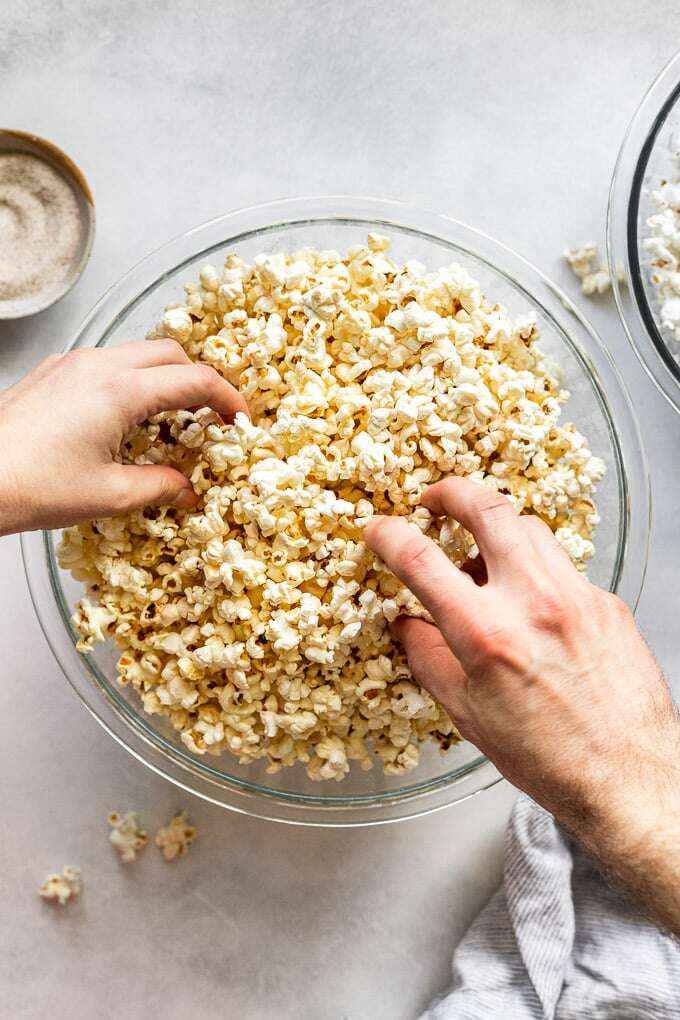
How To Make Popcorn From Scratch: Easy Stovetop Guide
To make popcorn from scratch, heat kernels in oil, cover the pot, and season the fresh, crisp pops.
Learning how to make popcorn from scratch is simple, affordable, and far better than many packaged options. With the right heat, a heavy pot, and a few useful tricks, you can make fluffy popcorn that tastes fresh, not flat or stale. This guide shares a tested stovetop method, common mistakes, seasoning ideas, and safe storage tips.
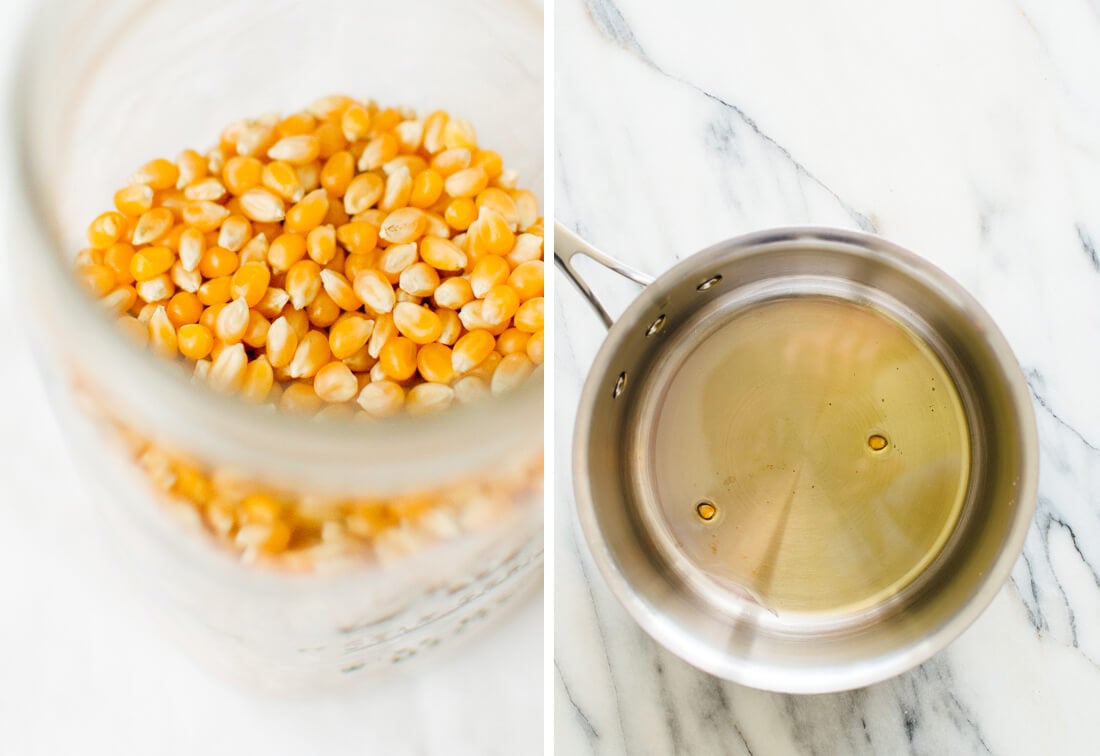
What You Need to Make Popcorn From Scratch
The best popcorn starts with a short list of basic ingredients. You do not need a special popcorn maker or fancy tools.
For about 8 cups of popped popcorn, gather:
• ½ cup popcorn kernels
• 2 tablespoons neutral cooking oil, such as canola, avocado, vegetable, or grapeseed oil
• ½ teaspoon fine salt, plus more to taste
• 1 to 2 tablespoons melted butter, optional
• A large, heavy-bottomed pot with a lid
• A large bowl
• Oven mitts or a dry kitchen towel
Popcorn kernels contain a small amount of water inside their hard shell. When heated, that water turns into steam. Pressure builds until the shell breaks open and turns the soft inside into the white, airy snack you know as popcorn.
Fresh kernels usually pop better than old, dry kernels. Still, even good kernels can leave a few unpopped pieces if the heat is too low, the pot is crowded, or the lid traps too much moisture.

How to Make Popcorn From Scratch on the Stove
This stovetop method gives you control over heat and seasoning. It also makes enough popcorn for movie night, a school snack, or a quick afternoon treat.
Step 1: Check the kernels and prepare the pot
Measure the kernels before you begin. Remove any bits of cob, damaged kernels, or loose debris.
Choose a pot that leaves room for the popcorn to expand. A 3-quart pot works well for ½ cup of kernels, but a larger pot is safer if you are new to making popcorn. The popped corn can take up more than 20 times the space of the original kernels.
Step 2: Warm the oil
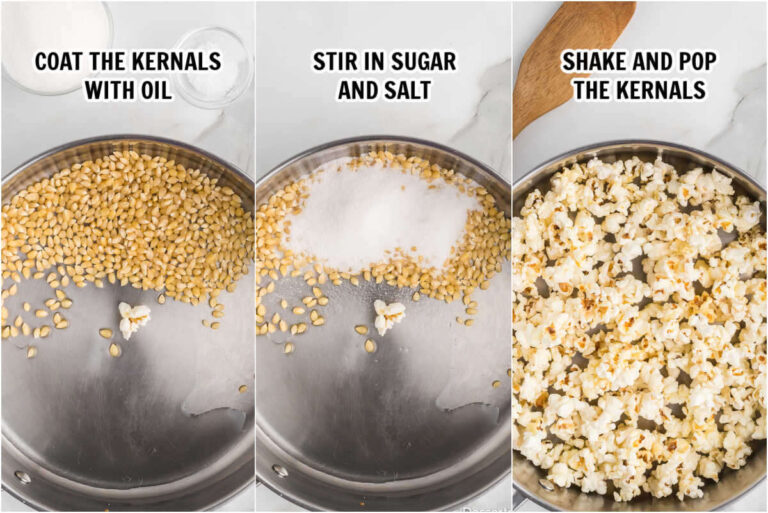
Pour the oil into the pot and place it over medium heat. Add two or three popcorn kernels and cover the pot.
Wait until those test kernels pop. This small step shows that the oil is hot enough before you add the rest. It also helps the popcorn cook more evenly.
Step 3: Add the remaining kernels
Remove the pot from the heat for about 30 seconds. Carefully add the remaining kernels, spread them into one layer, and replace the lid.
Taking the pot off the heat for a short time helps the kernels warm gradually. This is one of the most useful steps in learning how to make popcorn from scratch because it reduces the chance of burnt oil and uneven popping.
Step 4: Return the pot to the stove
Place the covered pot back over medium heat. Gently shake it every few seconds while holding the lid in place.
Shaking spreads the kernels across the hot surface. It also helps prevent the first popped pieces from sitting in one spot and burning.
Step 5: Listen for the popping to slow
as the popcorn pops, steam will escape through small gaps around the lid. Keep the lid slightly ajar if your pot allows it, but do not leave a large opening.
When the popping slows to about two seconds between pops, remove the pot from the heat. Do not wait until every kernel pops. The last few kernels are not worth burning the rest.
Step 6: Season the popcorn
Pour the popcorn into a large bowl. Add melted butter and salt in small amounts, then toss well.
Fine salt sticks better than coarse salt. For even coverage, sprinkle while tossing instead of dumping all the salt in one place. Taste before adding more.
This basic process is the heart of how to make popcorn from scratch. Once you understand the heat and timing, you can adjust the oil, seasoning, and batch size with confidence.
How to Prevent Burnt or Unpopped Popcorn
Burnt popcorn often comes from high heat, while many unpopped kernels come from poor heat contact or old kernels. A few small changes can improve your results.
Use medium heat
High heat may make the first kernels pop fast, but it can also scorch the oil and popped corn. Medium heat gives the kernels time to heat through.
If the popping is very slow after the first kernel pops, raise the heat slightly. If the popcorn smells bitter or turns dark before the popping slows, lower the heat.
Do not fill the pot too much
Kernels need space to move. A crowded pot holds steam and makes it harder for each kernel to touch the hot surface.
As a general guide, use no more than ½ cup of kernels in a 3-quart pot. Use a larger pot for bigger batches.
Shake gently and often
A gentle shake helps spread heat. You do not need to lift the pot high or make sharp movements.
I once rushed a batch by leaving the pot still while answering a phone call. The top looked fine, but the kernels at the bottom burned. Now I keep one hand on the handle and give the pot a light shake every few seconds.
Keep moisture away
Water is the enemy of crisp popcorn. A wet lid can drip steam back into the pot and make the popcorn chewy.
A vented lid or a lid held slightly ajar lets steam escape. Add butter only after popping so the finished popcorn stays light and crisp.
Use fresh kernels
Old kernels may have lost too much moisture to pop well. Store popcorn kernels in a tightly sealed container at room temperature.
Do not store them in the refrigerator or freezer unless you can protect them well from condensation. Sudden moisture changes can affect their texture.
Choosing the Best Oil for Homemade Popcorn
Oil carries heat from the pot to the kernels. It also adds flavor, so the choice matters.
Good options include:
• Canola oil for a mild taste and budget-friendly price
• Vegetable oil for an easy, neutral option
• Avocado oil for a high-heat oil with a light flavor
• Grapeseed oil for a clean taste
• Coconut oil for a classic movie-theater style flavor
Avoid using extra-virgin olive oil over very high heat. It can work at moderate heat, but its strong flavor and lower smoke point may not suit every batch.
Butter is delicious but not ideal for popping regular butter because it contains water and milk solids. Those solids can burn. Pop the kernels in oil, then drizzle melted butter over the finished popcorn.
Clarified butter, also called ghee, contains less water and can be used for popping. It gives popcorn a rich, buttery flavor without the same risk of burning.
Understanding oil is an important part of how to make popcorn from scratch. The goal is to use enough oil to coat the pot and kernels without making the snack greasy.

Flavor Ideas for Homemade Popcorn
Plain popcorn is a blank canvas. Once you know how to make popcorn from scratch, you can create sweet, spicy, savory, or cheesy versions at home.
Classic butter and salt
Start with melted butter and fine salt. Add the butter in two or three rounds, tossing after each addition.
This method spreads the butter more evenly and keeps the bottom of the bowl from becoming soggy.
Garlic and herb popcorn
Mix melted butter with a small amount of garlic powder and dried parsley. Add black pepper for extra flavor.
Avoid fresh garlic unless you plan to eat the popcorn right away. Fresh garlic adds moisture and can reduce crispness.
Parmesan popcorn
Toss warm popcorn with finely grated Parmesan, black pepper, and a little olive oil or melted butter. The cheese should be finely grated so it clings to the popcorn.
For a dairy-free option, try nutritional yeast with garlic powder and paprika.
Spicy popcorn
Add smoked paprika, chili powder, cayenne, or a pinch of ground chipotle. Start with a small amount because heat builds quickly in a large bowl.
A little lime zest can brighten spicy popcorn. Add the zest after cooking so its fresh flavor remains noticeable.
Cinnamon sugar popcorn
For a sweet snack, mix sugar with cinnamon and a tiny pinch of salt. Toss it with lightly buttered popcorn.
Sugar can burn quickly in a hot pot, so add it after popping rather than cooking it with the kernels.
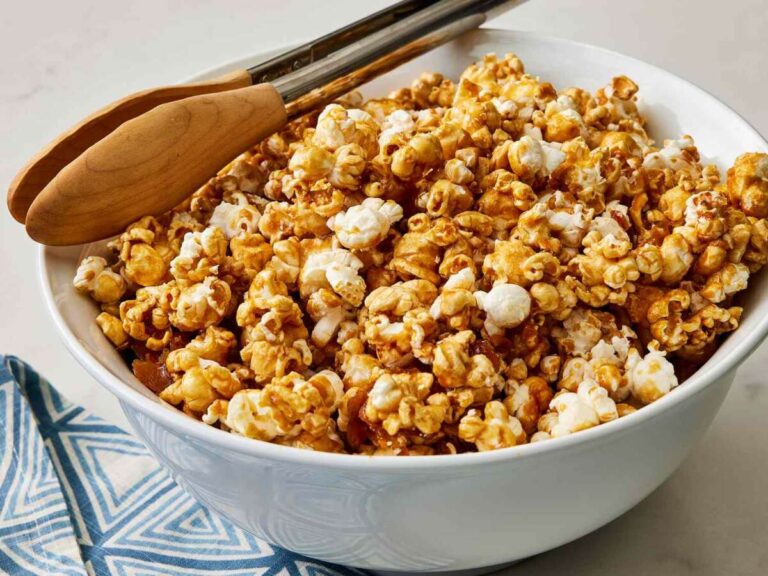
Caramel popcorn
Caramel popcorn requires a separate sugar syrup. Cook sugar, butter, and corn syrup until smooth, then coat the popped corn and bake it briefly to set the coating.
Use care with hot caramel. It can cause serious burns and stays hot longer than it looks.

Common Mistakes When Making Popcorn From Scratch
Even a simple recipe can fail when a few details go wrong. These are the problems I see most often when testing popcorn methods at home.
Adding all the kernels before the oil is hot
Cold oil can make the kernels heat unevenly. Some may pop while others remain hard.
Use test kernels first. Once they pop, the oil is ready for the main batch.
Using too much oil
Extra oil does not guarantee more popped kernels. It can make the finished popcorn heavy and greasy.
Use about 2 tablespoons of oil for ½ cup of kernels. You can use slightly less in a well-seasoned pot, but the kernels should still have a thin coating.
Turning the heat too high
High heat may seem faster, but it increases the chance of burnt popcorn. The outside of a kernel can scorch before its inner moisture builds enough pressure.
Medium heat is slower but more reliable.
Opening the lid too often
Each time you lift the lid, hot air and steam escape. You may also send popped kernels flying across the kitchen.
Keep the lid on and use the sound of the popping to judge when the batch is ready.
Adding salt too late
Salt added after the popcorn cools may fall to the bottom of the bowl. Warm popcorn has a slight surface sheen that helps seasonings stick.
Toss the popcorn while it is still warm.
Leaving the pot on the burner
The pot remains hot after you turn off the heat. Move it to a cool burner or heat-safe surface when the popping slows.
This simple habit can prevent the final few pops from turning an otherwise perfect batch bitter.

Is Homemade Popcorn Healthy?
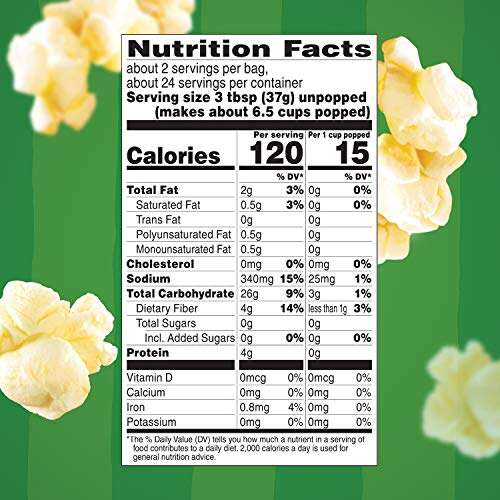
Popcorn itself is a whole-grain food. Air-popped or lightly oiled popcorn can provide fiber while remaining relatively low in calories.
The final nutrition depends on the oil, butter, sugar, cheese, and portion size. A large amount of butter or caramel changes the calorie, saturated fat, sugar, and sodium content.
For a lighter snack: