What Is A French Press Coffee Maker: Easy Guide
A French press coffee maker is a simple brewing device that steeps ground coffee in hot water, then filters it.
Unlike a drip machine, a French press coffee maker gives you direct control over water, time, grind size, and strength. After years of studying and testing coffee brewing methods, I find the French press especially rewarding because it turns a few basic ingredients into a rich, full-bodied cup without pods, paper filters, or complex settings. This guide explains how it works, how to use it well, and how to avoid the mistakes that make French press coffee taste bitter or gritty.

What Is a French Press Coffee Maker?
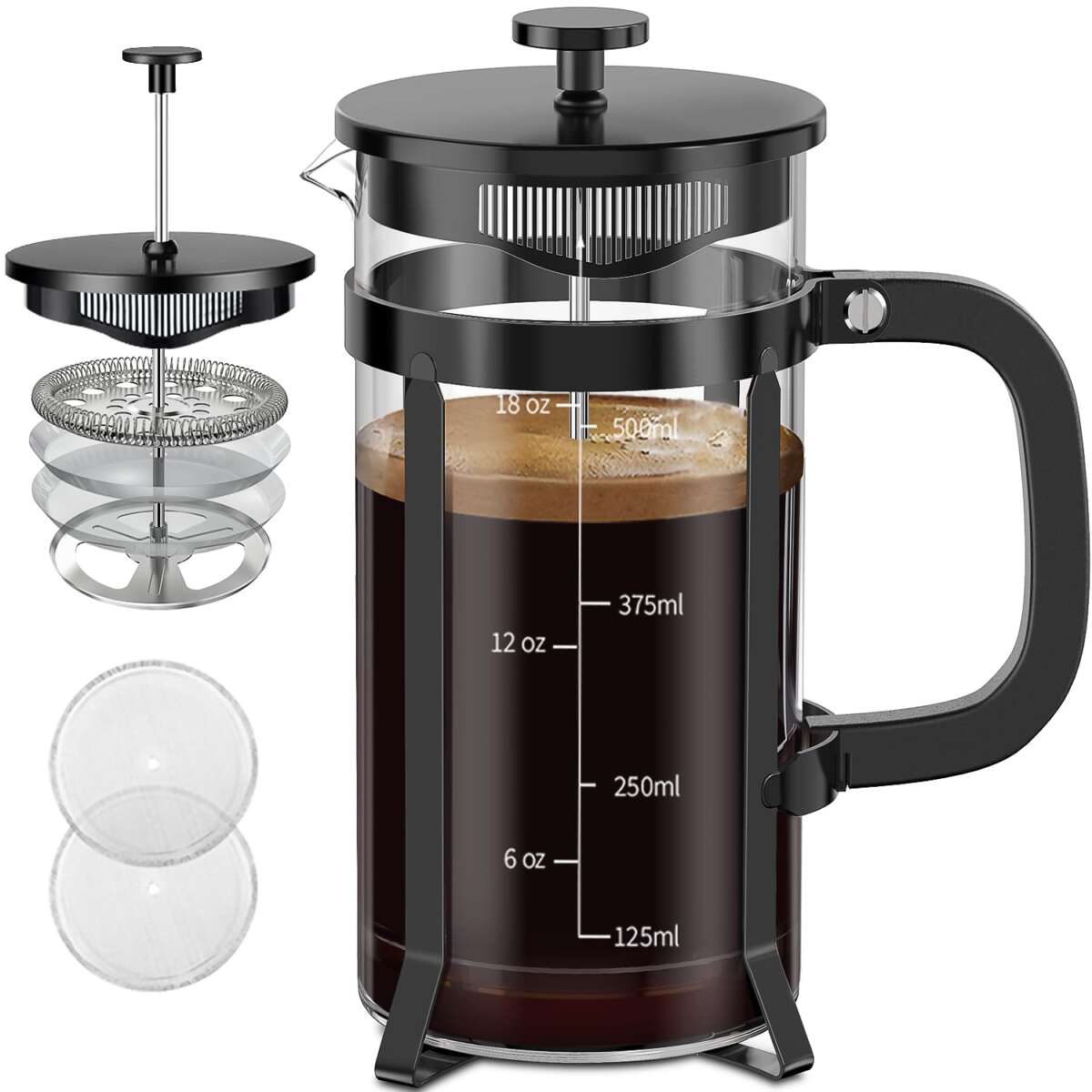
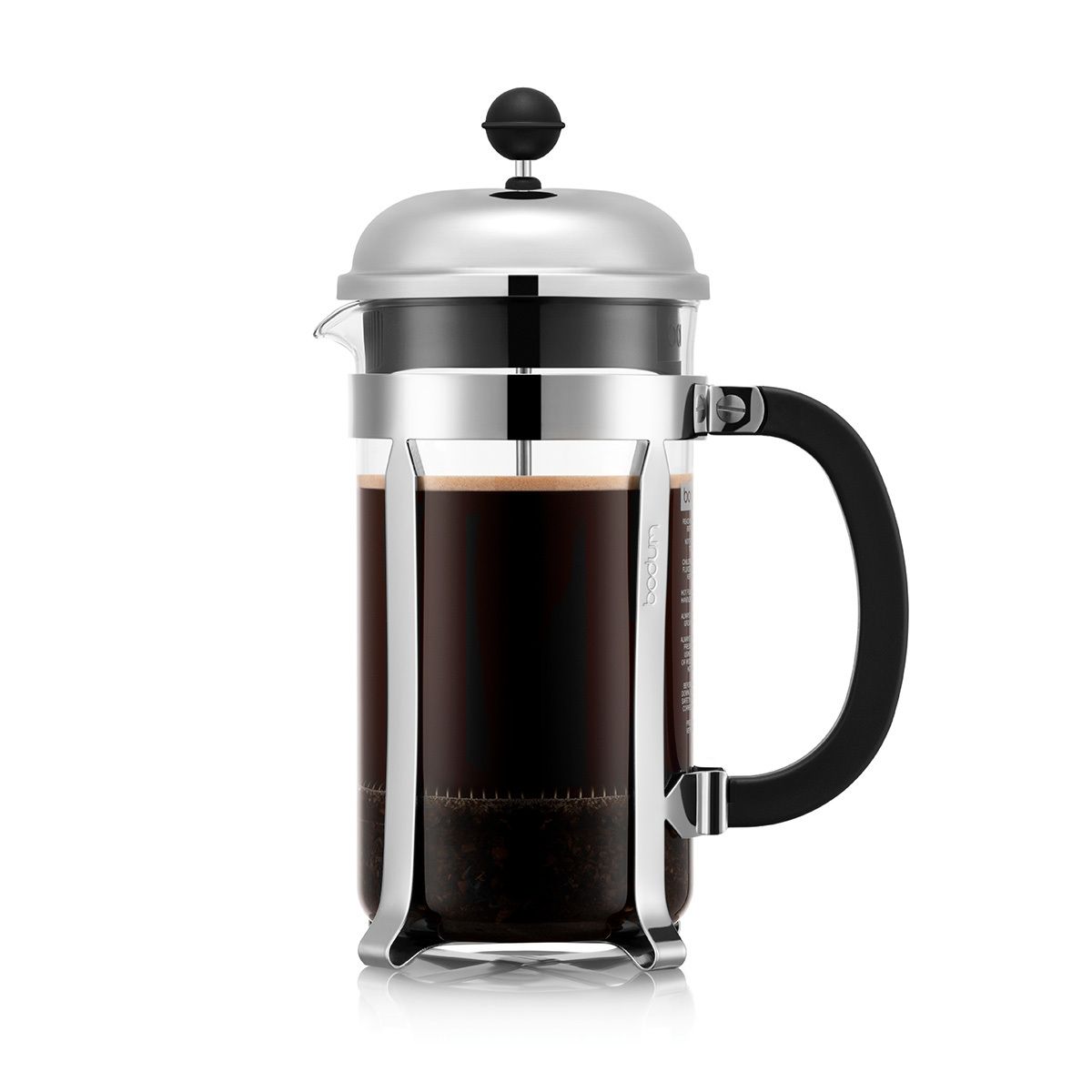
A French press coffee maker is a manual coffee brewer made from a cylindrical carafe, a lid, and a plunger with a metal mesh filter. You place coarse coffee grounds in the carafe, add hot water, let the mixture steep, and press the plunger down to separate the brewed coffee from the grounds.
The coffee grounds stay in contact with the water during the entire brew. This method is called immersion brewing. It is similar to steeping tea, but the plunger and filter make it easy to separate the liquid from the grounds.
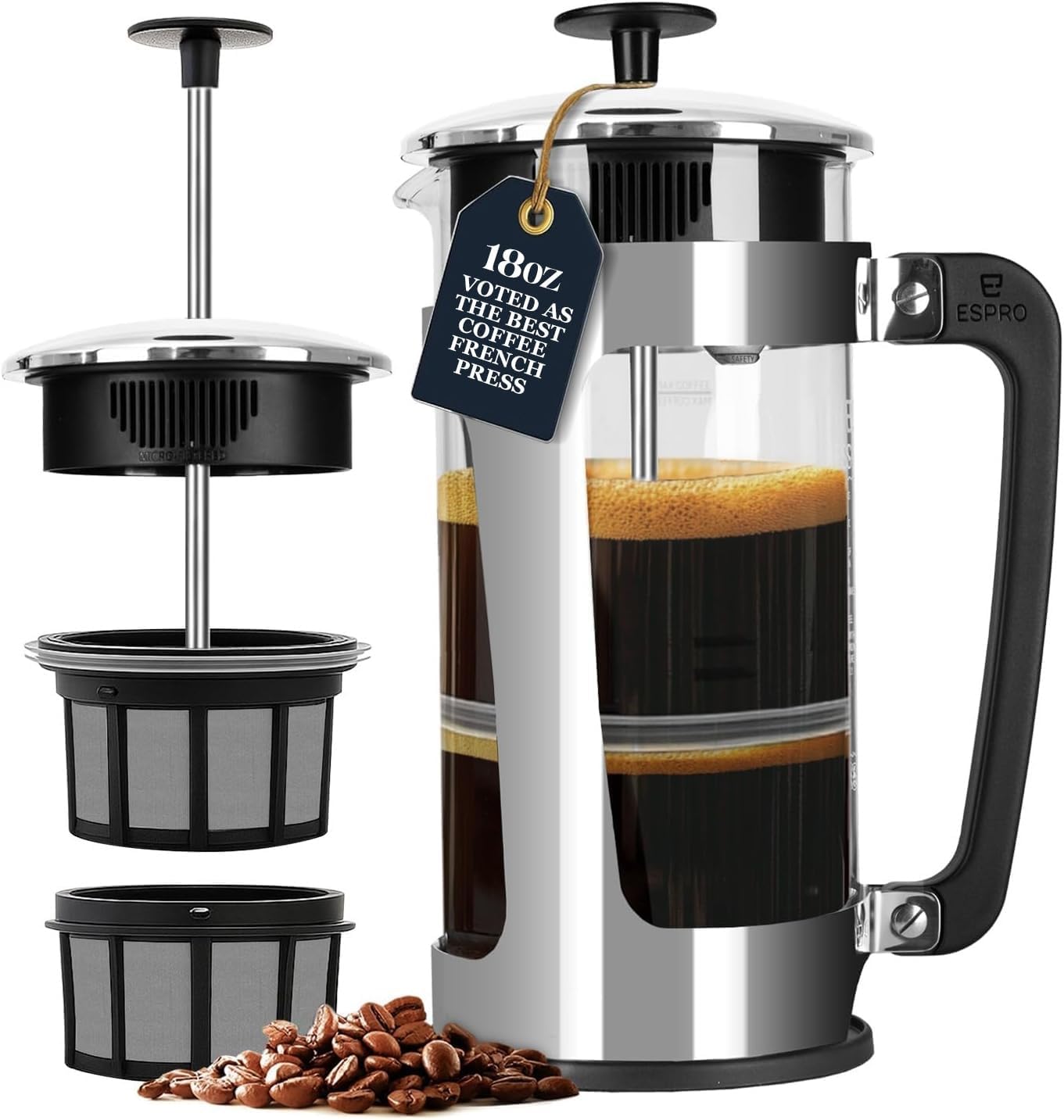
A typical French press coffee maker has four main parts:
• Carafe: The container that holds the coffee and water. It may be made from glass, stainless steel, or plastic.
• Plunger rod: The long rod attached to the handle on top.
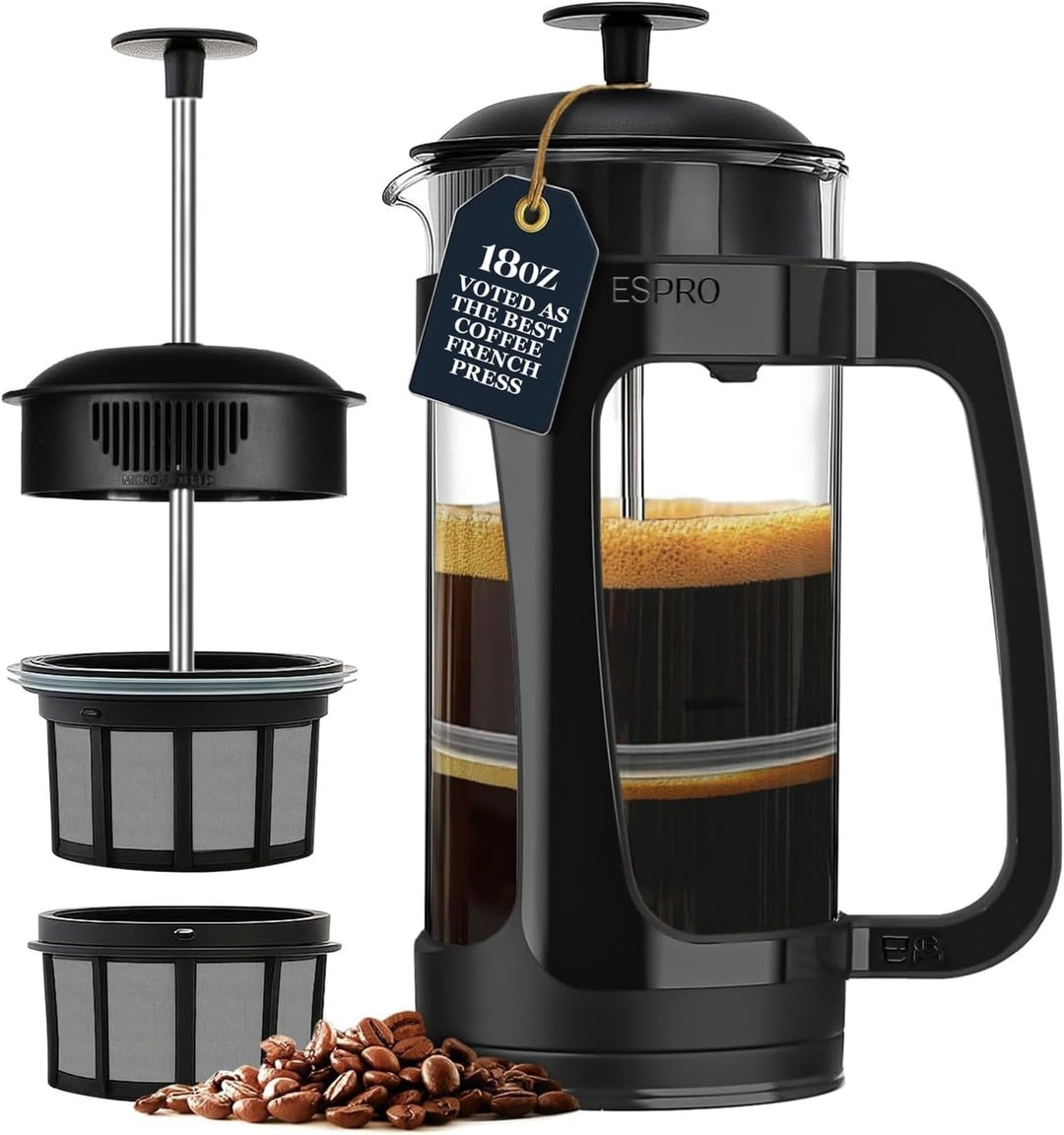
• Mesh filter: The fine metal screen that traps most coffee grounds while allowing natural oils to pass through.
• Lid and frame: These parts help keep heat inside and guide the plunger.
The metal filter is important. Paper filters remove more oils and tiny particles, while the mesh filter in a French press coffee maker allows more of them into your cup. That is why French press coffee often tastes heavier, smoother, and more textured than drip coffee.
How Does a French Press Coffee Maker Work?
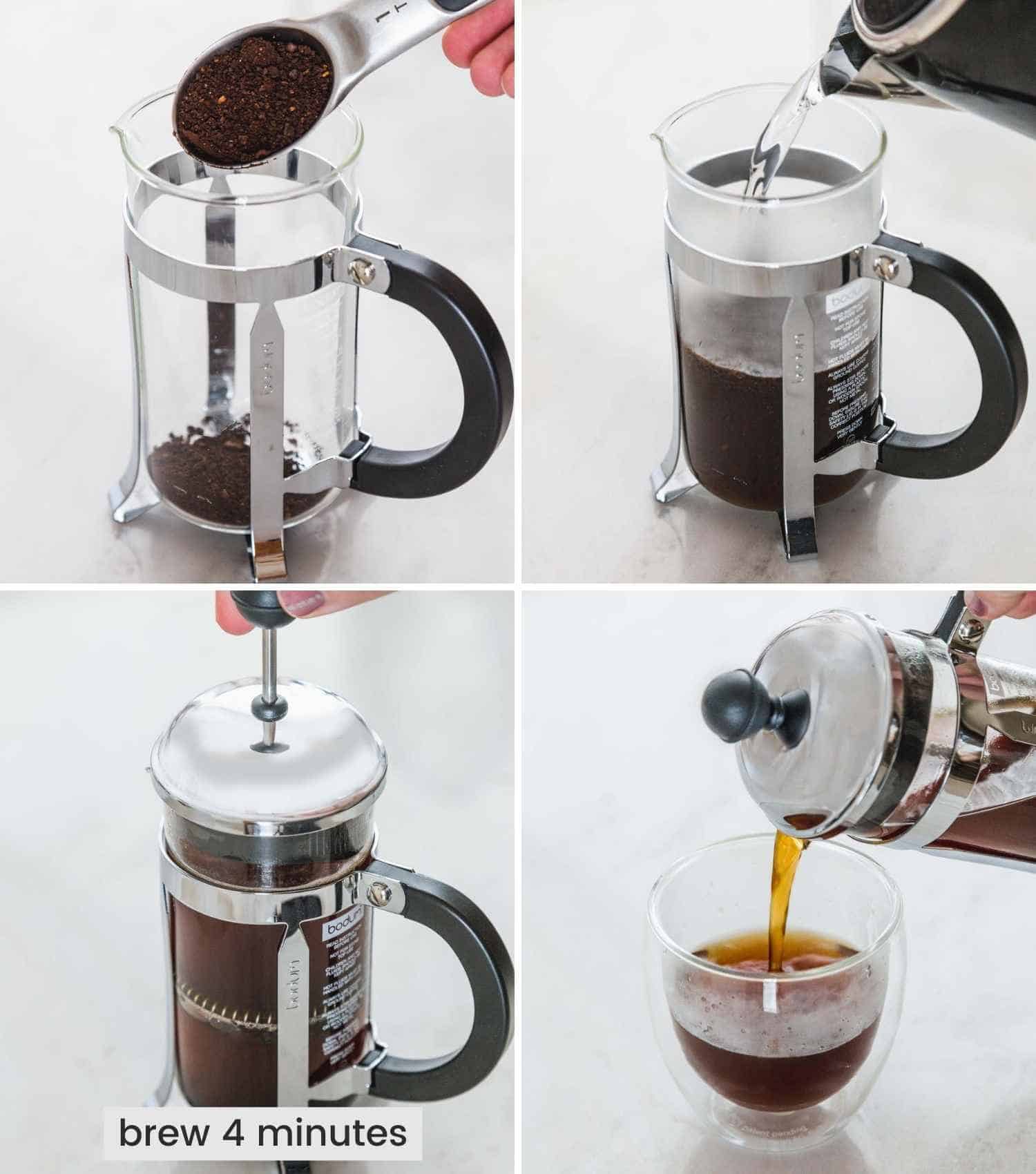
A French press coffee maker uses four basic steps: add coffee, add water, steep, and press. The process is simple, but each step affects the final taste.
When hot water touches the grounds, it extracts soluble flavor compounds. Early extraction brings out bright and acidic notes. More time extracts deeper flavors and body. If the coffee steeps too long, it may become bitter, dry, or harsh.
The plunger does not brew the coffee. It only separates the grounds from the liquid after steeping. This distinction matters because pressing harder or faster cannot fix coffee that was over-extracted during a long brew.
A simple brewing process looks like this:
-
Heat fresh water until it is hot but not violently boiling.
-
Add coarse coffee grounds to the carafe.
-
Pour in the water and gently stir to wet all the grounds.
-
Place the lid on top without pressing the plunger.
-
Let the coffee steep for about four minutes.
-
Press the plunger slowly and evenly.
-
Pour the coffee into a separate mug or serving pot.
A common starting ratio is 1 gram of coffee for every 15 to 17 grams of water. For a 12-ounce serving, try about 24 to 28 grams of coffee with 400 to 450 grams of water. A kitchen scale gives more consistent results than measuring spoons.

What Does French Press Coffee Taste Like?
French press coffee usually has a rich body, noticeable aroma, and full mouthfeel. The metal mesh filter lets coffee oils and very fine particles pass through, so the drink feels thicker than coffee made with a paper filter.
The flavor depends on the beans and the brewing method. Medium and dark roasts often produce notes of chocolate, nuts, caramel, and spice. Light roasts can taste bright and fruity, but they may need careful control of water temperature, grind size, and steeping time.
You may notice a small layer of sediment at the bottom of the mug. This is normal. If the cup feels very muddy, the coffee may be ground too fine, the filter may be damaged, or the plunger may have been pressed too forcefully.
In practical brewing, I would describe French press coffee as closer to a rich soup than a clear tea. It carries more of the bean’s natural oils, which can make a good coffee feel comforting and bold.
How to Use a French Press Coffee Maker
Learning how to use a French press coffee maker takes only a few minutes. The key is to control the variables instead of changing everything at once.
Step 1: Choose fresh coffee
Use whole coffee beans when possible. Grind them just before brewing to preserve aroma and flavor. Older pre-ground coffee can still work, but it may taste flat because coffee loses fragrance soon after grinding.
Step 2: Use a coarse grind
The grounds should look similar to coarse sea salt. Fine grounds can pass through the mesh filter and create a bitter, muddy cup.
If your coffee tastes weak and sour, try a slightly finer grind or a longer steep. If it tastes bitter and dry, try a coarser grind or a shorter steep.
Step 3: Heat the water
A useful water range is about 195 to 205°F. If you do not have a thermometer, bring the water to a boil, then let it rest for about 30 seconds.
Water that is too cool may produce weak coffee. Water that is too hot can increase harsh flavors, especially with dark-roasted beans.
Step 4: Add the coffee and water
Put the grounds into the carafe. Pour the water in a slow circle so all the grounds become wet.
Give the mixture one gentle stir. Do not whip it or stir aggressively, since this can increase agitation and lead to uneven extraction.
Step 5: Steep for four minutes
Place the lid on the carafe and keep the plunger above the coffee. Start a timer and allow the coffee to steep for around four minutes.
Some people prefer three minutes for a lighter cup, while others enjoy five minutes for more body. Change only one factor at a time so you know what improved the flavor.
Step 6: Press slowly
Push the plunger down with steady, gentle pressure. If it becomes difficult to press, stop and lift it slightly before trying again.
A hard press can force fine grounds through the filter. It can also disturb the sediment and make the coffee feel gritty.
Step 7: Serve right away
Pour all the coffee into mugs or another container after pressing. Leaving it in the French press coffee maker allows the grounds to continue extracting, which can make the last cup bitter.

Best Coffee-to-Water Ratio for a French Press Coffee Maker
The best ratio depends on your taste, coffee roast, and serving size. Still, a reliable starting point is 1:16, meaning one part coffee to 16 parts water by weight.
Here are useful starting measurements:
• 8-ounce cup: 15 grams of coffee and 240 grams of water
• 12-ounce cup: 23 grams of coffee and 370 grams of water
• 32-ounce press: 55 grams of coffee and 880 grams of water
Use more coffee for a stronger drink. Use less coffee for a lighter drink. Avoid adding random amounts of coffee each time, because inconsistent measurements make it hard to learn what works.
The ratio is not a strict rule. It is a starting map. Once you find a cup you enjoy, write down the coffee weight, water weight, grind setting, and steep time.
Benefits of a French Press Coffee Maker
A French press coffee maker has several advantages over automatic brewers and single-serve machines.
• Simple design: It has no electronics, pumps, capsules, or complicated controls.
• Low cost: A good model can brew coffee for years with basic care.
• Full flavor: The metal filter preserves natural oils and body.
• Easy control: You can adjust the grind, water, time, and coffee ratio.
• No paper filters: You do not need to keep buying disposable filters.
• Portable brewing: It works in kitchens, offices, cabins, and many travel settings.
• Low energy use: You only heat the amount of water you need.
• Easy batch brewing: Larger models can make several cups at once.
A French press coffee maker is also useful for people who enjoy learning through taste. Small changes are easy to notice, so the brewer teaches you how coffee extraction works.

Limitations of a French Press Coffee Maker
A French press coffee maker is not perfect for every drinker. Its strengths also create a few limitations.
The metal filter allows more sediment into the cup. People who prefer clean, bright coffee may like a pour-over brewer better. French press coffee also contains more visible oils than paper-filtered coffee.
Cleanup takes more effort than throwing away a paper filter. You must remove the grounds, rinse the filter, and wash the carafe. Never push coffee grounds down a sink drain, because they can collect and cause blockages.
Glass models can break if they are dropped or exposed to sudden temperature changes. Stainless steel models are stronger and hold heat well, but they do not let you watch the brew and may cost more.
A French press coffee maker also does not keep coffee from over-extracting. Once the coffee is ready, pour it out. Do not let it sit on the grounds for a long time.
French Press vs. Drip Coffee Maker
The main difference is how the coffee and water interact. A French press coffee maker uses immersion, while a drip machine pours water through a bed of grounds and usually uses a paper filter.
French press coffee tends to have more body and oil. Drip coffee is often cleaner and lighter, with less sediment. A drip machine may also be more convenient when you want coffee ready at a set time.
Choose a French press if you want:
• Rich texture
• Manual control
• Small-batch brewing
• A simple, quiet process
Choose a drip machine if you want:
• Hands-free brewing
• A cleaner cup
• Larger automatic batches
• Easy scheduling
Neither method is automatically better. The best choice depends on your taste, time, budget, and cleaning habits.
How to Choose the Best French Press Coffee Maker
When buying a French press coffee maker, focus on material, size, filter quality, and ease of cleaning.
Material
Glass is affordable and lets you see the brewing process. It can lose heat faster and may break if handled roughly.
Stainless steel is durable and retains heat well. It is a strong choice for busy kitchens, camping, or homes with children.
Plastic is lightweight and travel-friendly. Look for heat-resistant, food-safe materials that do not retain strong odors.
Size
Remember that a French press “cup” often means a small 4-ounce serving, not a standard 8-ounce American cup.
Common sizes include:
• 12 ounces for one small serving
• 20 to 24 ounces for one or two people
• 32 to JavaScript? ounces for a small group
Choose a size that matches your normal routine. A large press can make too much coffee, while a small one may require multiple brews.
Filter design
The filter should fit closely against the inside wall of the carafe. A loose or bent filter can allow too many grounds into the cup.
Look for a model with replaceable filter screens. This makes the brewer more useful over time and reduces waste.
Common French Press Mistakes and How to Fix Them
Even an easy brewer can produce poor coffee when a few small details go wrong.
Using a fine grind
Fine grounds over-extract quickly and can slip through the mesh. Use a coarse grind and adjust gradually.
Boiling the coffee water too aggressively
Water at a rolling boil may taste harsh with some beans. Let it cool briefly before pouring.
Skipping the timer
Steeping “until it looks right” leads to inconsistent results. Use a timer, especially while learning.
Pressing too fast
Fast plunging stirs up sediment and can create a bitter taste. Press slowly with light pressure.
Leaving coffee in the carafe
The coffee continues to sit with the grounds after brewing. Pour it out as soon as you finish pressing.
Ignoring water quality
Coffee is mostly water, so tap water with a strong chlorine taste can affect the cup. Filtered water often gives a cleaner result.
One lesson worth remembering is that the biggest improvement usually comes from grinding correctly. People often buy expensive equipment first, but a coarse, fresh grind and a basic scale can make a larger difference.
How to Clean a French Press Coffee Maker
Clean the brewer after every use. Old coffee oils can turn rancid and make fresh coffee taste stale.
-
Let the grounds cool before removing them.
-
Scoop the grounds into a compost bin or trash can.
-
Rinse the carafe with warm water.
-
Remove the filter from the plunger if the design allows it.
-
Wash the screen, rod, lid, and carafe with mild dish soap.
-
Rinse well and let every part dry fully.
For stubborn oil buildup, soak the parts in warm water with a small amount of dish soap. Check the manufacturer’s instructions before placing any part in a dishwasher.
Do not use abrasive pads on glass or polished metal. Scratches can weaken glass and make the surface harder to clean.
Is French Press Coffee Healthy?
Coffee can be part of a healthy diet for many adults, but individual responses vary. It contains caffeine and natural compounds that may affect sleep, heart rate, digestion, or anxiety.
Because a French press coffee maker uses a metal filter, more coffee oils pass into the cup than with paper-filtered coffee. Some of these oils contain cafestol and kahweol. Research has linked high intake of unfiltered coffee with changes in blood cholesterol, so people managing cholesterol should ask a health professional whether filtered coffee is a better choice.
Caffeine content also depends on the bean, roast, serving size, and brewing time. Avoid assuming that darker coffee always contains much more caffeine. If caffeine affects your sleep, drink less coffee or choose a decaffeinated option.
Frequently Asked Questions About What Is a French Press Coffee Maker
What is a French press coffee maker used for?
A French press coffee maker is used to brew coffee by steeping coarse grounds in hot water. A plunger with a metal mesh filter then separates the grounds from the finished coffee.
How long should coffee steep in a French press?
About four minutes is a good starting point for most recipes. You can shorten the time for a lighter cup or extend it slightly for more body, but very long brewing may create bitter flavors.
What grind is best for a French press coffee maker?
A coarse grind is best because it reduces sediment and slows extraction. Fine grounds can make the coffee bitter, cloudy, and difficult to press.
Can you use regular ground coffee in a French press?
You can, but regular pre-ground coffee may be too fine for the best results. If it is all you have, shorten the brew time and press gently to reduce bitterness and sediment.
Is a French press better than a coffee maker?
Neither is best for everyone. A French press coffee maker offers more control and a richer cup, while an automatic drip machine is often faster, cleaner, and easier for larger batches.
How much coffee should I use in a French press?
Start with a 1:16 coffee-to-water ratio by weight. For example, use about 25 grams of coffee with 400 grams of water, then adjust the amount to match your preferred strength.
Why does my French press coffee taste bitter?
Bitter coffee often comes from a grind that is too fine, water that is too hot, or a brew time that is too long. Try a coarser grind, slightly cooler water, or a shorter steep.
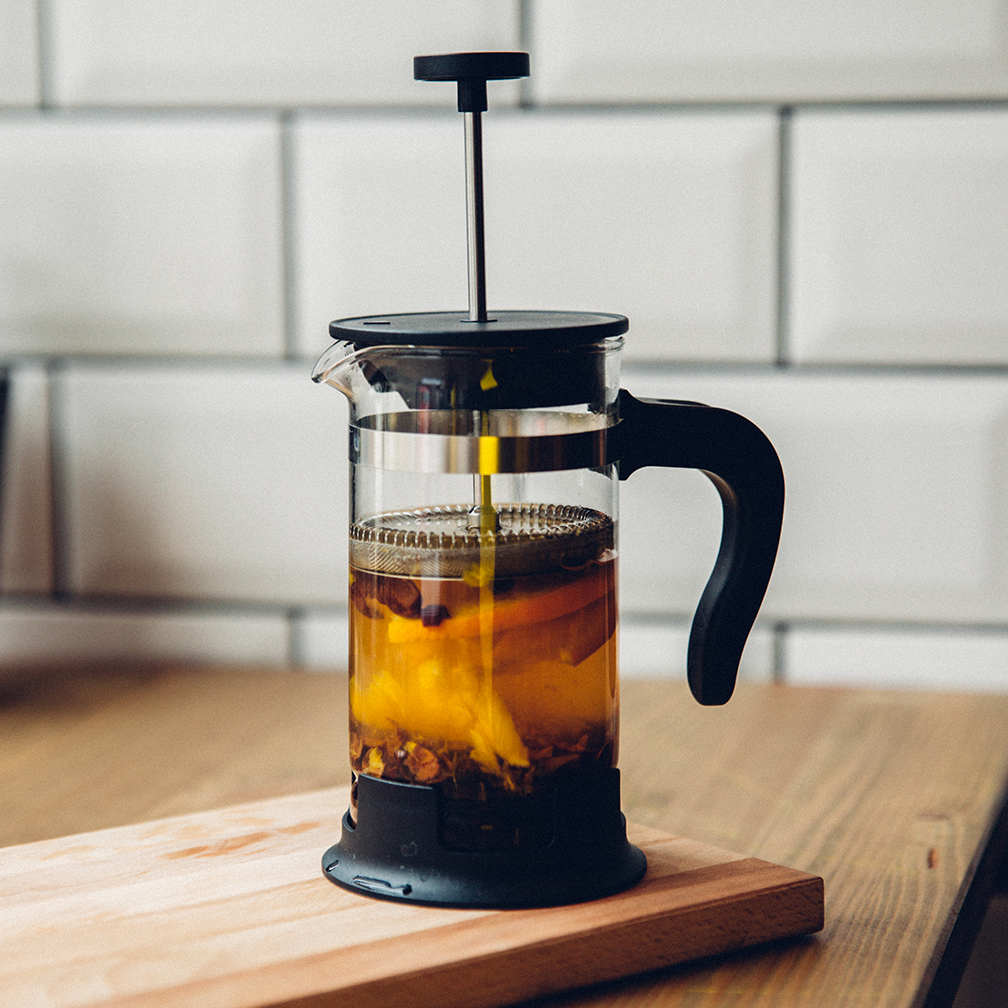
Can I make tea in a French press coffee maker?
Yes. A French press can steep loose-leaf tea and separate the leaves from the drink. Clean it well first, since coffee oils can affect the tea’s flavor.
Conclusion
A French press coffee maker is a simple immersion brewer that combines coarse coffee grounds, hot water, and a metal mesh filter. It produces a rich, full-bodied cup and gives you control over the grind, ratio, temperature, and brew time.
For a dependable first recipe, use fresh coarse coffee, a 1:16 ratio, water around 195 to 205°F, and a four-minute steep. Press slowly, pour the coffee out at once, and clean the brewer after each use.
Start with this method, then make one small change at a time until the cup tastes right to you. Explore more brewing guides, try different beans, and share your favorite French press recipe in the comments.

Liora Pennings is a seasoned chef and kitchen enthusiast with a passion for turning everyday cooking into an effortless experience. With years of hands-on culinary expertise, she specializes in practical techniques, ingredient know-how, and smart kitchen solutions that help home cooks elevate their meals. At KitchFlair.com, Liora shares her best tips, time-saving tricks, and honest product reviews to guide readers toward a more efficient, enjoyable, and inspired cooking routine. Whether you’re a beginner or a seasoned home chef, Liora’s friendly, knowledge-packed insights make every visit to the kitchen a little easier—and a lot more delicious.