What Is The Best Pool Vacuum Cleaner: Top Picks
The best pool vacuum cleaner is usually a robotic model that matches your pool size, surface, debris, and cleaning needs.
Choosing the best pool vacuum cleaner is less about finding the most expensive machine and more about finding the right match. After comparing robotic, suction-side, and pressure-side cleaners, the clear lesson is simple: each type solves a different pool-care problem. This guide will help you compare features, costs, limits, and real-world performance so you can buy with confidence.
What Is the Best Pool Vacuum Cleaner?
For most pool owners, a robotic pool vacuum cleaner is the best overall choice. It runs on its own motor, filters debris inside the unit, and does not depend on your pool pump or filter system.
The Dolphin Nautilus CC Plus is a strong choice for many in-ground pools. It offers automatic cleaning, wall climbing, a simple filter system, and low daily effort. However, the best pool vacuum cleaner for you may be different if you own an above-ground pool, have large leaves, or want a lower upfront price.
A good choice depends on these factors:
• Pool type: Above-ground and in-ground pools need different cleaning designs.
• Pool surface: Plaster, vinyl, fiberglass, and tile can affect grip and brush performance.
• Pool shape: Steps, slopes, drains, and sharp corners can challenge some cleaners.
• Debris: Fine dust needs strong filtration, while leaves need a large debris basket.
• Budget: Robotic cleaners cost more at first but often reduce pump use and hands-on work.
• Cleaning frequency: Daily users may value automation more than occasional pool owners.

Robotic Pool Cleaners: Best for Most Pool Owners
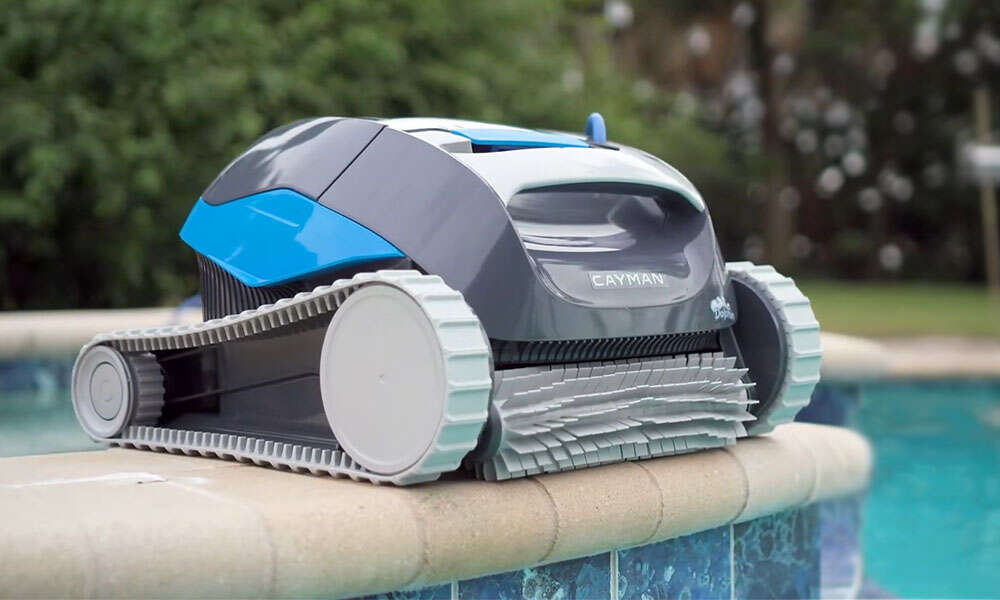
A robotic pool vacuum cleaner is a self-contained device. It has its own motor, brushes, sensors, and filter basket or cartridge. You place it in the pool, connect it to a control unit, and let it clean.
This design has a major benefit. The robot does not force dirt through your pool’s main filter. It collects dirt in its own basket, which can help reduce pressure on the pool filtration system.
Main benefits of robotic cleaners
• Independent operation: The cleaner has its own motor and does not rely on the pool pump.
• Strong cleaning: Rotating brushes scrub dirt from the floor and, in many models, the walls.
• Easy scheduling: Many models support automatic cleaning cycles.
• Better fine-particle control: Some filters catch sand, pollen, and small dust.
• Lower daily effort: You place the unit in the water, start it, and remove it later.
Main limitations
• Higher purchase price: A good robotic pool vacuum cleaner often costs more than a basic suction cleaner.
• Cord management: Corded models need a power supply and careful cord storage.
• Filter cleaning: You must empty and rinse the basket or cartridge after use.
• Battery limits: Cordless models need charging and may have shorter cleaning cycles.
In my experience, the biggest mistake is judging a robot only by its price. A cheap model may clean the floor well but struggle with walls, fine dust, or large leaves. A slightly better filter and brush system can save hours of manual cleaning over a season.

Suction-Side Pool Vacuums
A suction-side pool vacuum cleaner connects to the suction port or skimmer. Your pool pump creates the suction that pulls water and debris through the cleaner.
These units are often affordable and simple. They can work well for pools that collect light dirt, sand, and small leaves. They are also easy to replace because many models use common hoses and parts.
However, a suction cleaner uses your pool pump while it operates. That can increase energy use and place extra demand on the pump and filter. It may also send debris into the pool filter instead of collecting it in a separate basket.
A suction-side cleaner may be right for you if:
• You want a lower purchase price.
• Your pool has light to moderate debris.
• You already run the pump for long periods.
• You do not need advanced wall or waterline cleaning.
• You are comfortable checking hoses and suction flow.
The best pool vacuum cleaner for a small budget may be a suction-side model. Still, check the manufacturer’s flow requirements first. Weak suction can cause poor movement, while too much suction can make the cleaner stick or move poorly.
Pressure-Side Pool Vacuums
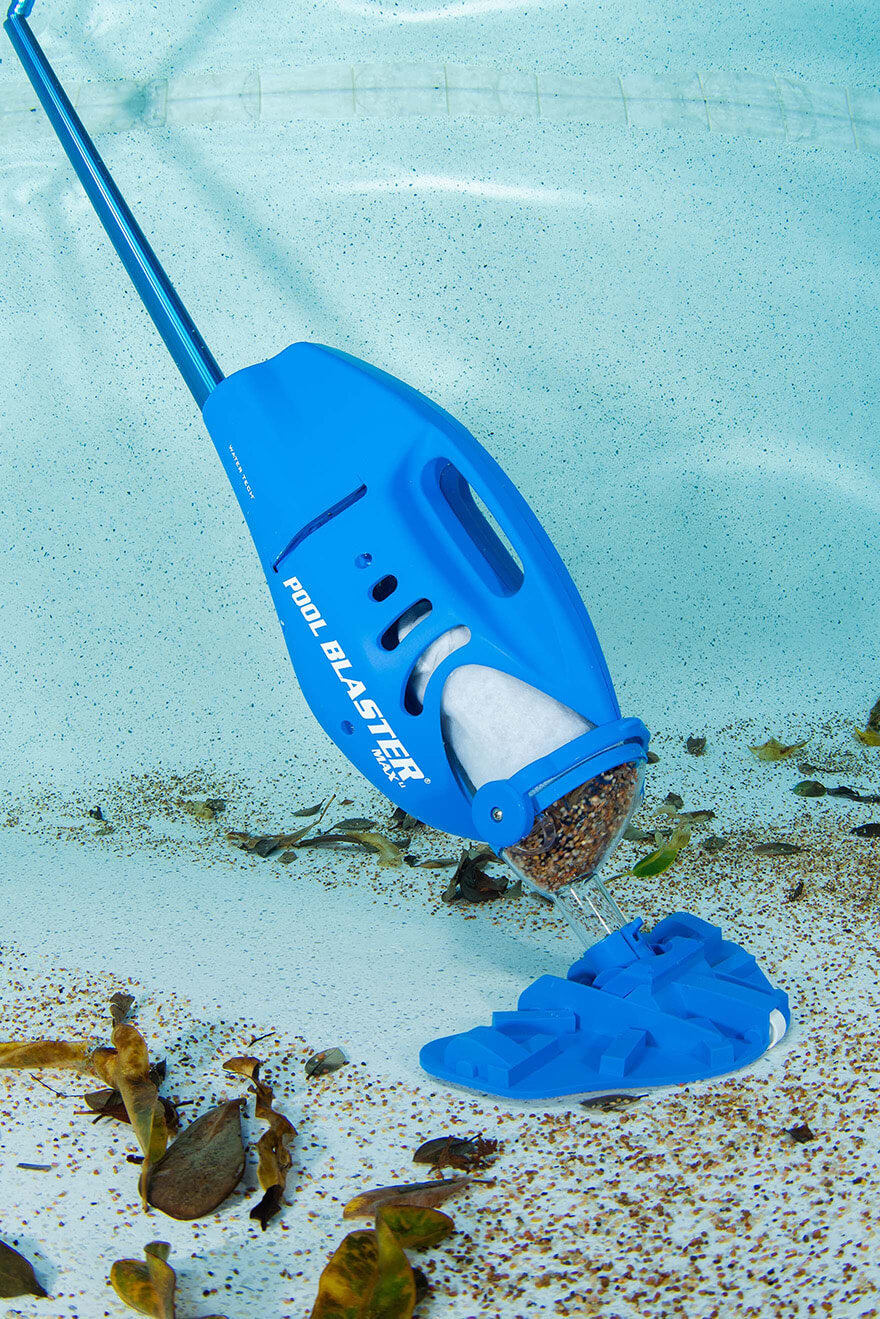
A pressure-side pool vacuum cleaner uses water pressure from a dedicated return line or booster pump. The cleaner pushes debris into its own bag instead of sending everything to the main pool filter.
This design is useful for pools with many leaves and larger debris. The bag is easy to remove and empty. It also keeps much of the debris away from the pool filter.
Pressure-side cleaners can provide strong coverage, but they may need extra plumbing or a booster pump. That adds installation cost and may increase energy use. They also may not scrub fine dust as well as a high-quality robotic cleaner.
Choose a pressure-side cleaner when:
• Your pool sits near trees.
• Large leaves are a constant problem.
• You already have a compatible pressure line.
• You want to protect the main filter from heavy debris.
• You prefer a cleaner with a separate debris bag.
The best pool vacuum cleaner for a leafy pool is not always the best cleaner for a dusty pool. Large debris and fine debris require different filter and collection designs.

Manual Pool Vacuums
A manual pool vacuum connects to a telescoping pole and hose. You move it across the pool floor by hand while the pump pulls dirt through the system.
Manual vacuums are inexpensive and reliable. They have few moving parts, so there is less to repair. They are also useful for steps, corners, and areas that automatic cleaners miss.
The trade-off is time. You must brush, vacuum, and inspect the pool yourself. For a small pool, this may take only a few minutes. For a large pool, the task can feel like mowing a lawn with scissors.
A manual vacuum makes sense when:
• You clean the pool only once in a while.
• You have a small or simple pool.
• You need a backup cleaner.
• Your pool has difficult steps or tight corners.
• You want the lowest possible purchase cost.
Even owners of an automatic pool vacuum cleaner should keep a manual vacuum nearby. No automatic machine reaches every unusual corner perfectly.
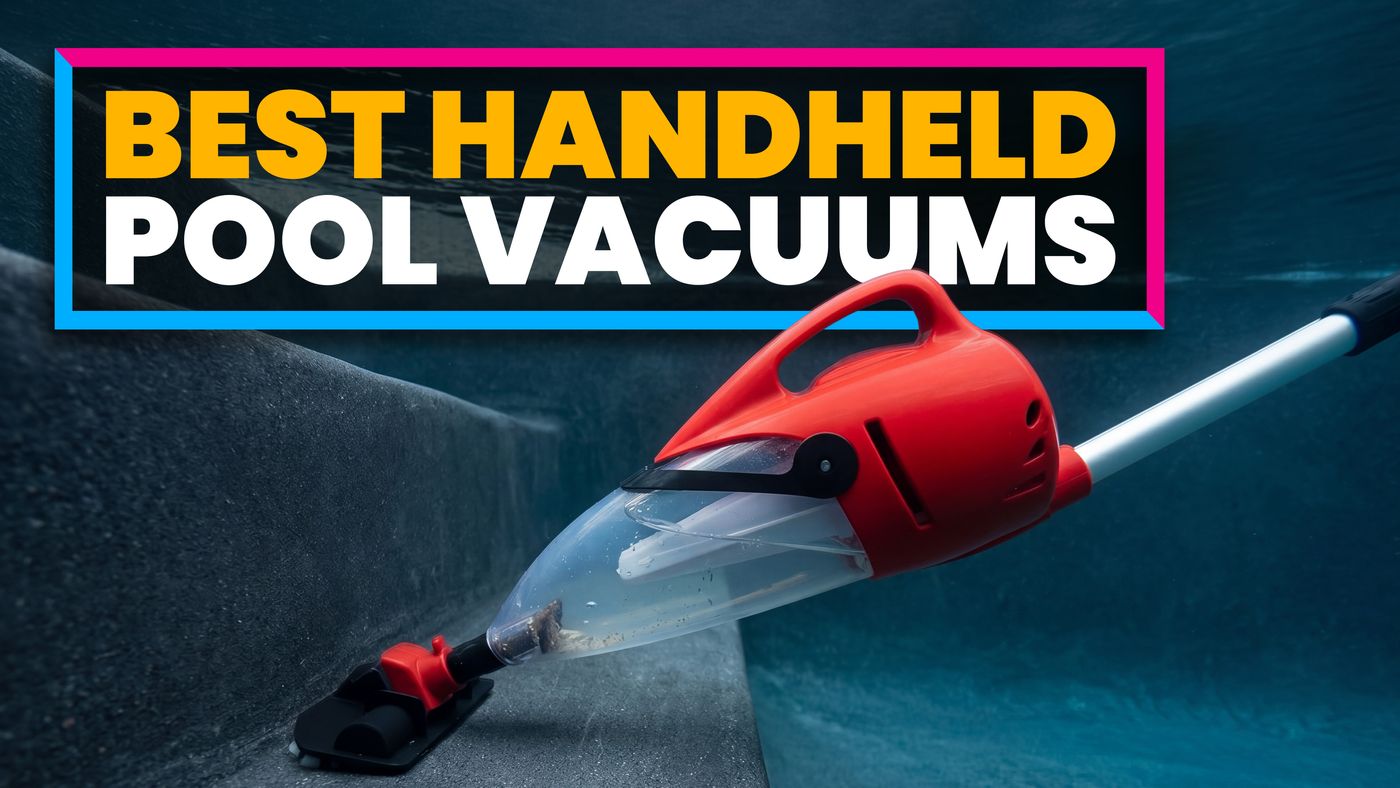
The Best Pool Vacuum Cleaner by Pool Type
The best pool vacuum cleaner depends heavily on whether your pool is above ground or in ground.
Best for in-ground pools
For many in-ground pools, a robotic cleaner with floor and wall cleaning is the most practical option. Look for active brushes, a large filter basket, and a cable that suits the pool length.
The Dolphin Nautilus CC Plus is often considered a solid general-purpose option for in-ground pools. Other brands, including Polaris, Hayward, and Aiper, offer models with different features and price points. Always confirm current specifications before buying because product packages can change.
Best for above-ground pools
Above-ground pools often need a lighter and simpler cleaner. The Dolphin E10 is a well-known example for some above-ground pools, while cordless models can offer convenient use without a long cable.
Check the pool wall shape before purchase. Some above-ground pools have soft sides, curved bottoms, or limited water depth. A cleaner designed for a flat-bottom pool may not work well on steep slopes.
Best for pools with large leaves
Choose a pressure-side cleaner or robotic model with a large debris basket. A small fine-filter cartridge may clog quickly when the pool collects large leaves.
Use a leaf net before running the cleaner. This simple step protects the machine and reduces cleaning time.
Best for fine dust and sand
A robotic cleaner with a fine filter is usually the better choice. Fine dirt can pass through basic mesh bags and return to the pool.
Rinse the filter after each cycle. A clogged filter reduces water flow and can make the cleaner move slowly or stop before finishing.
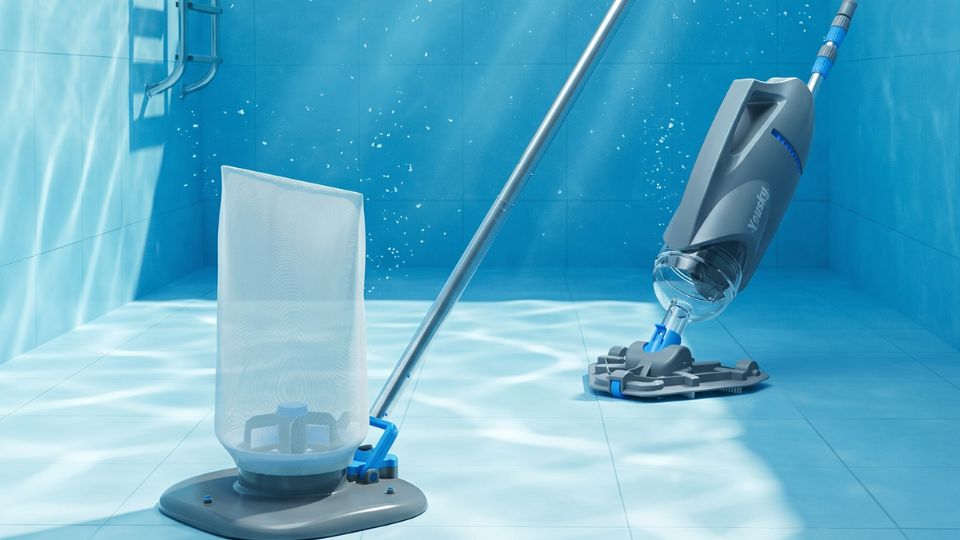
How to Choose the Best Pool Vacuum Cleaner
Use this checklist before you buy the best pool vacuum cleaner for your home.
1. Check pool size and cable length
A corded robotic cleaner needs enough cable to reach the far end of the pool. A short cable can limit coverage, while a very long cable can twist and tangle.
Measure the pool length and add enough distance for the power supply to sit safely away from the water. Never use an outdoor extension cord unless the product instructions specifically allow it.
2. Look at cleaning coverage
Some cleaners handle only the pool floor. Others climb walls and scrub the waterline.
Floor-only cleaning can be enough for a flat above-ground pool. In-ground pools with deep ends usually benefit from wall climbing.
3. Compare filter types
A large basket is useful for leaves. A fine cartridge is better for dust and pollen. Some cleaners include more than one filter option.
Ask yourself what you remove from the pool most often. The answer should guide your filter choice.