Can You Put Instant Coffee In A Coffee Maker: Safe Tips
No, instant coffee should not go inside a coffee maker because it can clog the filter and leave a sticky mess.
The answer to “can you put instant coffee in a coffee maker” depends on where you put it. Instant coffee is already brewed, dried coffee. A drip coffee maker is designed to extract flavor from ground beans, so using both together is usually wasteful and may harm the machine. This guide explains what happens, what is safe, and the best way to make a fast cup.
Can you put instant coffee in a coffee maker?
You can place instant coffee in a cup or mug and add hot water. However, you should not put instant coffee powder in the filter basket, brew chamber, or water tank of a standard coffee maker.
Instant coffee dissolves in water. Ground coffee does not. A coffee maker slowly pours hot water over ground beans so it can draw out oils, acids, and flavor compounds. Instant coffee has already gone through that brewing process.
When people ask, “can you put instant coffee in a coffee maker,” they often mean adding it where ground coffee normally goes. That is the wrong place for it.
Here is the simple rule:
• Put ground coffee in the filter basket.
• Put clean water in the reservoir.
• Put instant coffee in your mug.
Adding instant coffee to the carafe after brewing is technically possible, since it will dissolve in the hot coffee. Yet this gives you a stronger cup of coffee rather than a normal instant coffee brew. It can also taste harsh because the coffee is already concentrated.

Why instant coffee does not belong in a coffee maker
Instant coffee and ground coffee may look similar, but they behave in very different ways. Understanding this difference makes the answer much clearer.
Instant coffee is already brewed
Manufacturers brew coffee, remove the water, and turn the liquid into dry crystals or powder. When hot water touches the crystals, they dissolve and recreate a cup of coffee.
Because of this, instant coffee does not need a filter or extraction time. The water only needs to dissolve it.
A coffee maker extracts ground coffee
A drip coffee maker uses hot water to pull soluble compounds from ground beans. The filter then keeps the coffee particles out of your cup.
The machine expects a bed of ground coffee that lets water flow at a steady rate. Instant coffee does not create that structure. It can move through the filter, collect in wet clumps, or stick to the basket.
The machine may become dirty
If you put instant coffee in a coffee maker, the powder can spread into places that are hard to reach. Some of it may stick to the filter holder or drip outlet.
Sugar, creamer, flavored powder, or instant coffee mixes are even worse. They may leave a thick film and can attract odors or mold if the machine is not cleaned well.

What happens if you put instant coffee in the filter?
The result depends on the machine, filter, and amount of powder. Still, the common problems are easy to predict.
• The powder may pass through the filter and settle in the coffee.
• It may form a paste when wet and slow the water flow.
• The coffee may taste bitter, flat, or unusually strong.
• Residue may remain in the filter basket and drip area.
• The machine may need extra cleaning.
• Repeated use can affect the machine’s flow and performance.
A small amount used once will not usually destroy a coffee maker. Do not panic if you made this mistake. Turn off the machine, unplug it, remove the filter, and rinse every removable part with warm water.
Do not run instant coffee through the water tank to “flush” the machine. That can spread the powder farther inside.
What to do after the mistake
Follow these steps:
-
Unplug the coffee maker and let it cool.
-
Throw away the wet filter and coffee mixture.
-
Wash the filter basket and carafe with warm, soapy water.
-
Wipe the spray head and drip area with a damp cloth.
-
Run one or two brewing cycles with clean water.
-
Use the cleaning method listed in the machine’s manual if an odor remains.
If the machine still drips slowly, makes strange sounds, or leaves powder in the water, stop using it until you inspect it or contact the manufacturer.
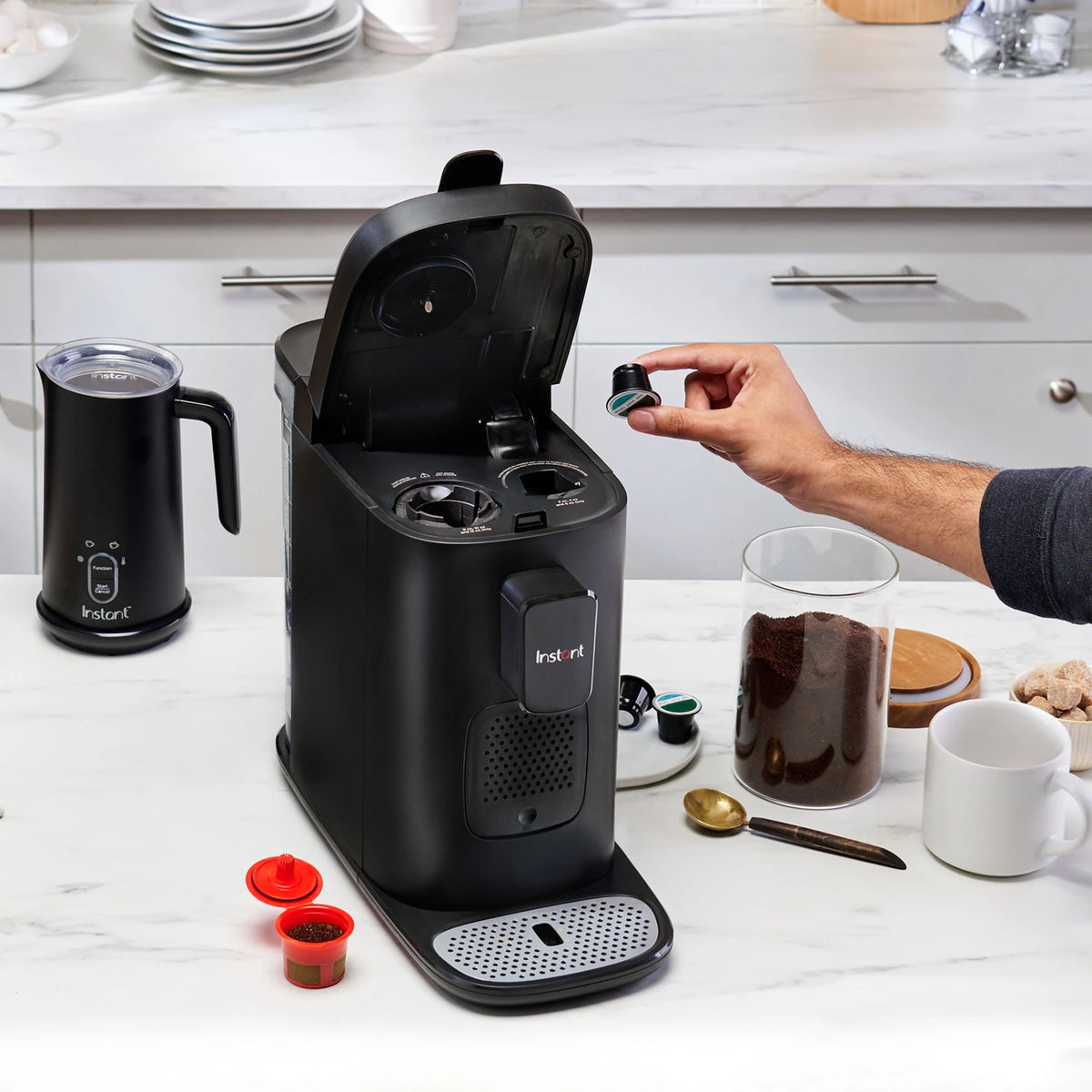
Can you put instant coffee in the water reservoir?
No. The water reservoir should contain water only. Instant coffee can dissolve partly, but it may also leave residue on the reservoir walls, intake tube, heating area, and internal passages.
A coffee maker’s water path is not designed for coffee, milk, sugar, cocoa, or flavored drink powders. These ingredients can create buildup and may be difficult to remove from enclosed parts.
This is one of the most important answers to “can you put instant coffee in a coffee maker.” Never treat the water tank like a mixing cup.
Use the reservoir only for:
• Cold, clean drinking water.
• The amount of water needed for the brew.
• A manufacturer-approved cleaning solution during descaling.
If you want instant coffee, heat water separately. A kettle, microwave-safe mug, or hot-water dispenser is a better choice.

Can you add instant coffee to brewed coffee?
Yes, you can add instant coffee to brewed coffee in your mug or carafe. This is safe for the drink, but it changes the flavor and caffeine level.
Start with a small amount, such as one-quarter teaspoon. Stir it into hot coffee, taste it, and add more if needed. This method can rescue weak coffee when you do not have enough grounds.
Still, it is not the same as using instant coffee in a coffee maker. The machine brews the ground coffee first, and the instant coffee is added later.
Keep these points in mind:
• Instant coffee dissolves best in hot liquid.
• It may add bitterness if the brewed coffee is already strong.
• Flavored instant mixes may contain sugar or powdered creamer.
• Caffeine amounts vary by brand and serving size.
For a smoother cup, use less water when brewing ground coffee rather than adding a large amount of instant powder afterward.
Better ways to make instant coffee
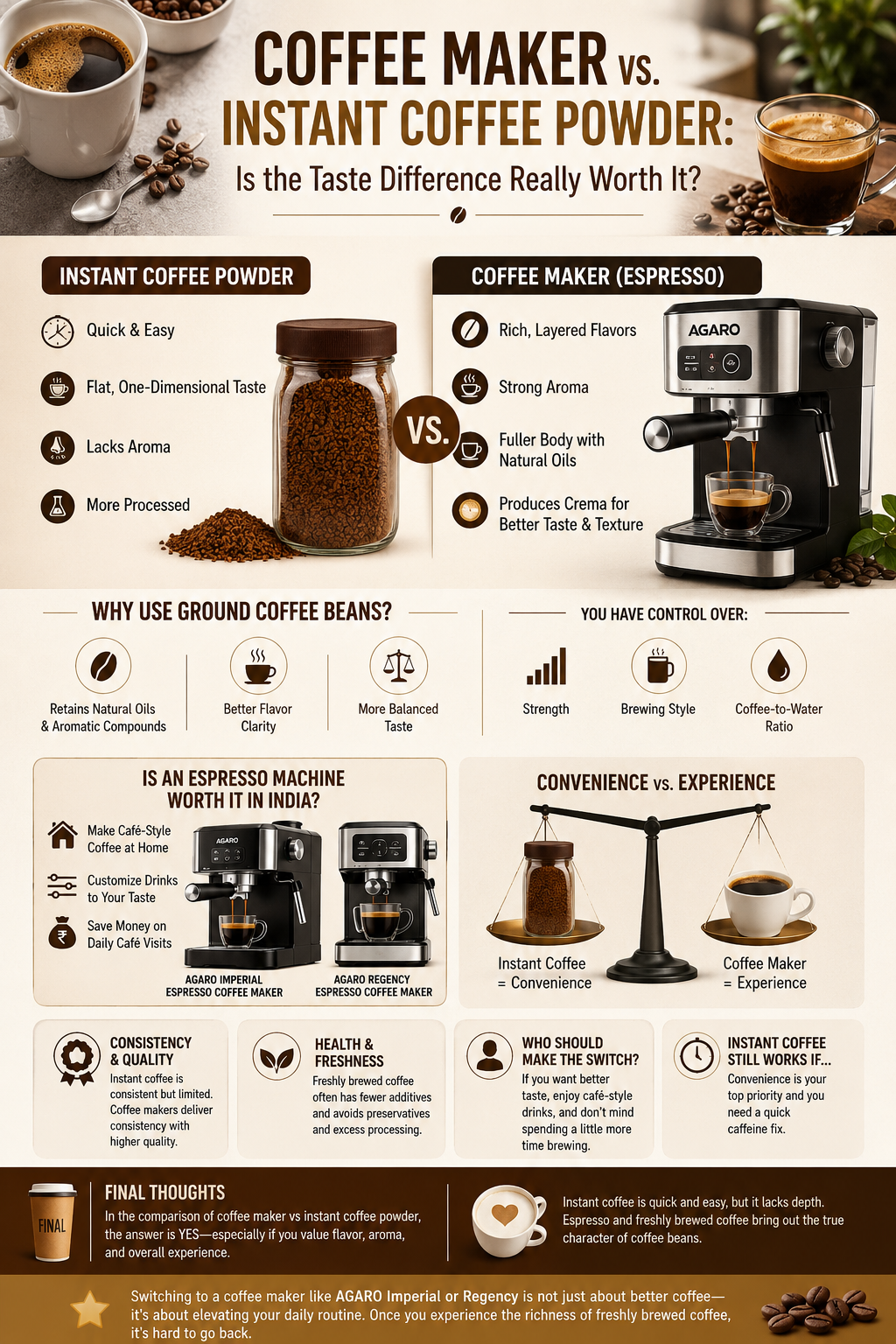
If speed is your main goal, instant coffee is often more convenient than a coffee maker. It needs no filter, measuring scoop, or brewing cycle.
The basic method
-
Add one to two teaspoons of instant coffee to a mug.
-
Pour in about 6 to 8 ounces of hot water.
-
Stir until the crystals dissolve.
-
Add milk, cream, sugar, or a sweetener if you like.
Use water that is hot but not violently boiling for a smoother taste. Very high heat can make some instant coffee taste sharper or more bitter.
The cold method
To make iced instant coffee, dissolve the powder in a small amount of warm water first. Add cold water, milk, and ice afterward.
This works better than dropping dry crystals into a glass of cold water. Cold water dissolves instant coffee more slowly and may leave small lumps.
The microwave method
Place water in a microwave-safe mug and heat it until hot. Stir in the instant coffee after heating.
Never microwave a sealed container. Also, handle the mug with care because water can become very hot even when it does not look like it is boiling.
Instant coffee versus ground coffee
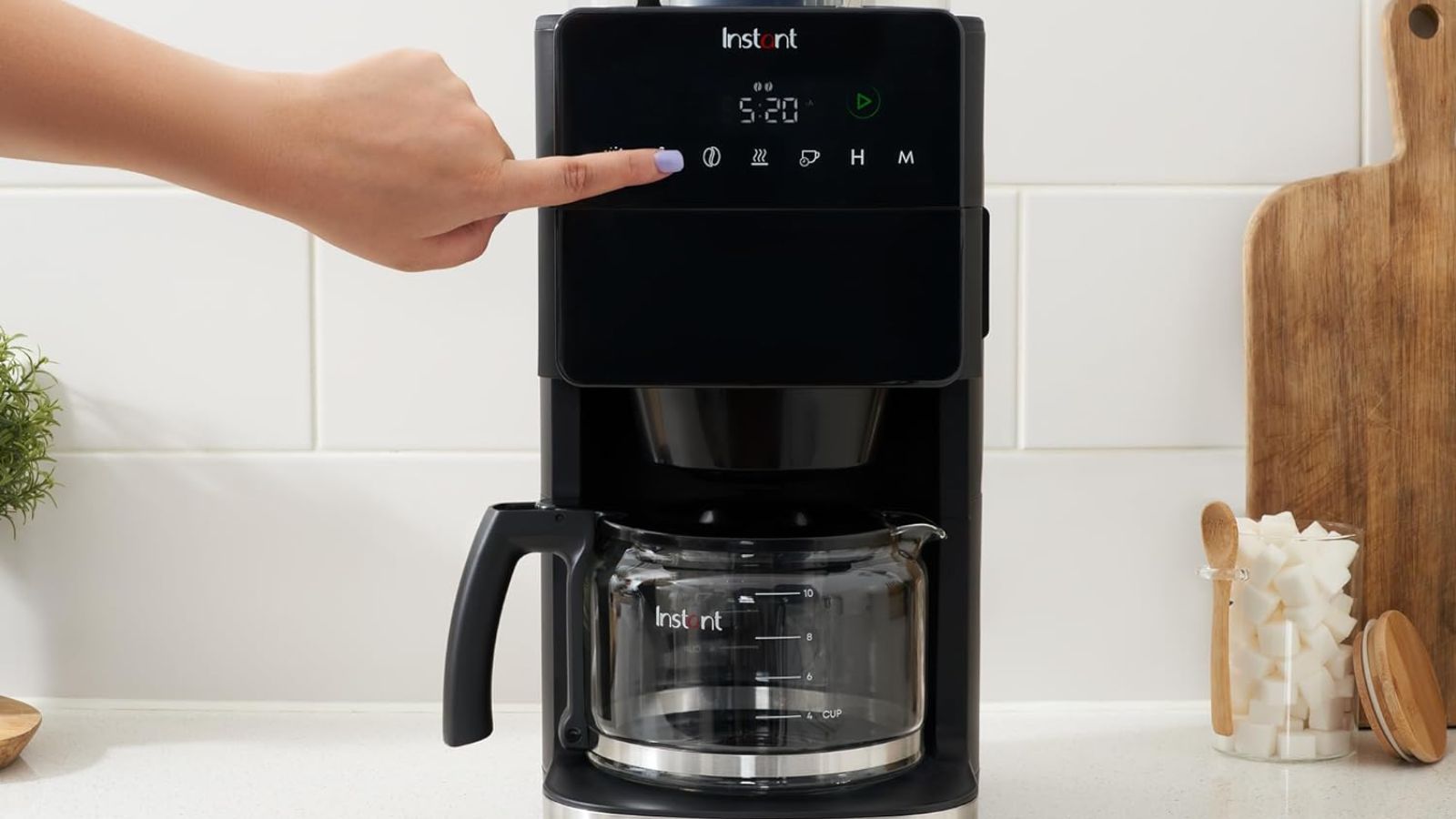
The best choice depends on your taste, time, and equipment.
| Feature | Instant coffee | Ground coffee |
|---|---|---|
| Preparation | Stir into hot water | Brew with hot water |
| Equipment | Mug or kettle | Coffee maker, filter, or press |
| Speed | Usually ready in seconds | Often takes several minutes |
| Cleanup | Very easy | Requires a filter and grounds |
| Flavor | Convenient and consistent | Often more fresh and complex |
| Storage | Usually long-lasting when sealed | Flavor fades faster after grinding |
Instant coffee is not automatically poor quality. Some products use well-roasted beans and careful drying methods. However, ground coffee usually offers more control over grind size, strength, freshness, and brewing style.
If you want the flavor of ground coffee, use a coffee maker. If you want speed and easy cleanup, use instant coffee in your cup.
Common mistakes to avoid
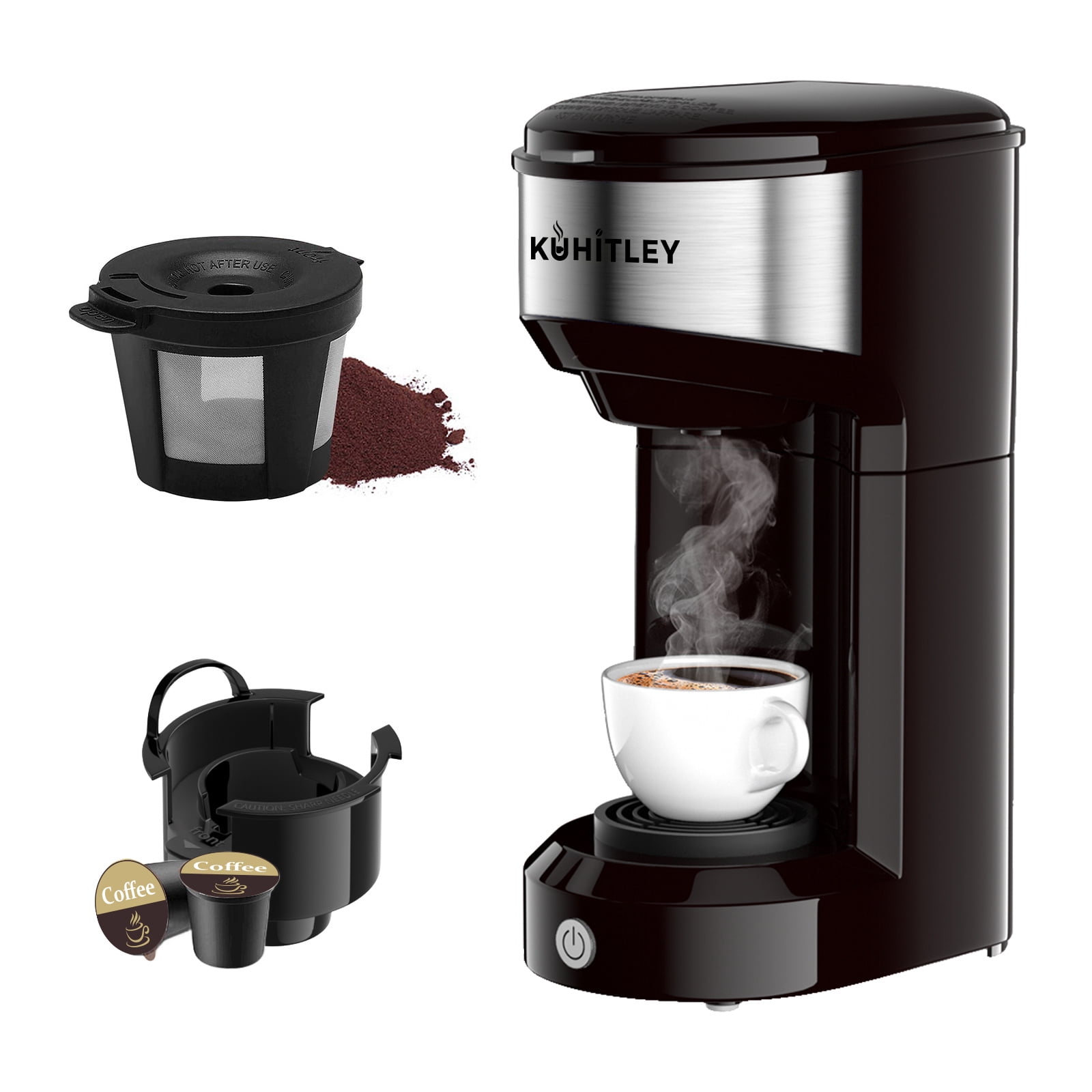
Many problems come from trying to make one coffee method work like another. These mistakes are easy to prevent.
Putting instant coffee in a paper filter
The filter is made to hold coffee grounds, not dissolve powder. Wet instant coffee may stick to the paper and restrict water flow.
Adding powder to the water tank
This can spread residue through the internal plumbing. Cleaning the visible reservoir may not remove everything inside.
Using instant coffee mix as coffee grounds
Some products contain sugar, milk powder, cocoa, or flavoring. These ingredients can melt, stick, and burn near hot parts.