Can You Put Vacuum Cleaner Dust In The Compost: Is It Safe?
Usually, you should not put vacuum cleaner dust in compost because it may contain synthetic fibers, chemicals, and harmful debris.
The answer to “can you put vacuum cleaner dust in the compost” depends on what your vacuum collected. Dust from untreated wood floors may be safer than dust from carpets, pet areas, or workshops, but even clean-looking dust can hide plastic fibers and toxic particles. This guide explains what vacuum dust contains, when it may be acceptable, and safer ways to dispose of it.
Can you put vacuum cleaner dust in the compost?
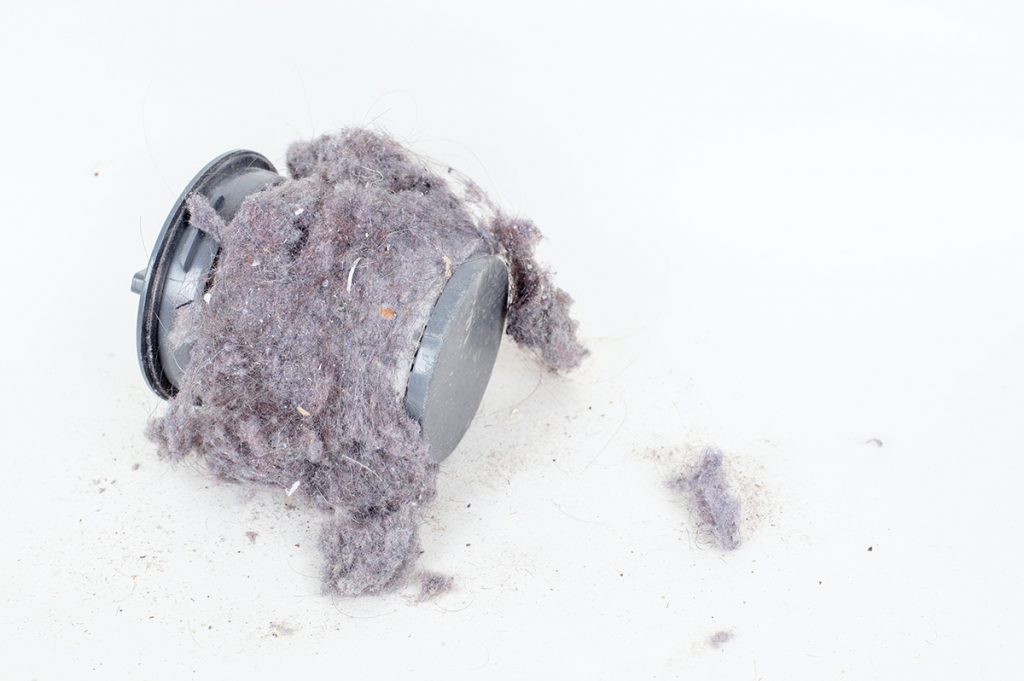
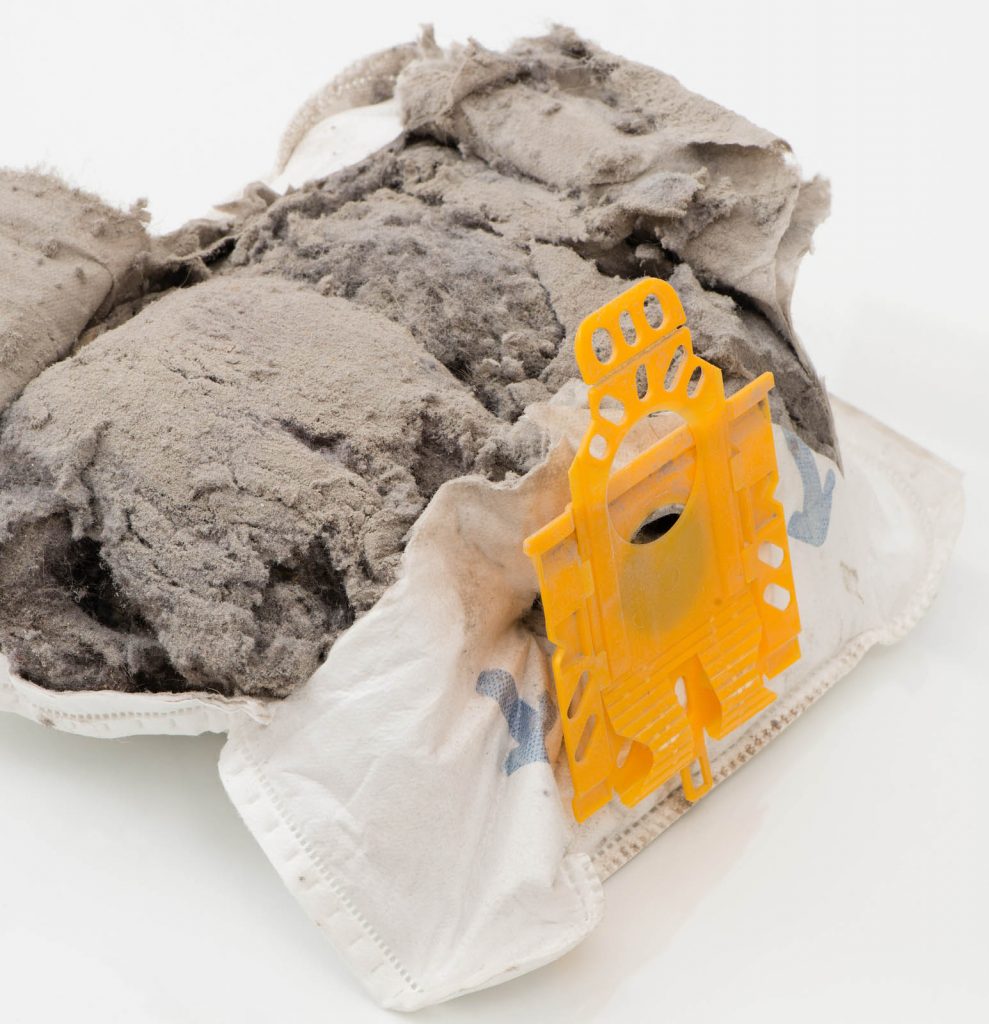
In most homes, the safest answer is no. Vacuum cleaner dust is a mixed waste stream. It may contain hair, skin flakes, food crumbs, soil, dust mites, sand, plastic fibers, cleaning chemicals, and tiny pieces of synthetic carpet.
Compost works best when you add known organic materials. These include fruit scraps, vegetable waste, dry leaves, grass clippings, and untreated plant matter. Vacuum dust is harder to judge because you often do not know every material collected inside the machine.
If you ask, “can you put vacuum cleaner dust in the compost,” think about the source first. Dust from a hard floor is not the same as dust from a treated carpet or a garage workshop.
The general rule is simple:
• Do not add ordinary household vacuum dust to compost.
• Do not add dust from carpets, rugs, mattresses, or upholstered furniture.
• Do not add dust from areas treated with pesticides, flea products, disinfectants, or strong cleaners.
• Do not add dust that may contain glass, metal, plastic, batteries, or chemical powder.
• Consider only a very small amount of clean, known organic debris if your local compost guidance allows it.
What is in vacuum cleaner dust?
Vacuum dust often looks like harmless gray fluff. In reality, it can contain many different materials. Research on household dust has found mixtures of soil, fibers, skin cells, pet particles, food particles, and chemical residues.
The contents depend on your home. A house with pets may have fur, dander, flea dirt, and litter dust. A home with synthetic carpets may produce plastic-based fibers. A workshop vacuum may collect sawdust, paint chips, insulation, or metal particles.
Common contents include:
• Human hair and skin flakes
• Pet hair and dander
• Dust mites and their waste
• Soil and sand
• Crumbs and dried food
• Cotton and wool fibers
• Polyester and nylon fibers
• Carpet backing and foam particles
• Cleaning product residue
• Pesticide or flea treatment residue
• Small plastic pieces
• Glass, staples, or metal fragments
This mixed makeup is the main reason that “can you put vacuum cleaner dust in the compost” does not have a simple yes-or-no answer for every home. Compost microbes can break down many natural materials, but they cannot safely remove every contaminant.
Why ordinary vacuum dust is a poor compost ingredient
A compost pile is a living system. It needs a balance of carbon-rich materials, nitrogen-rich materials, air, moisture, and healthy microbes. Adding an unknown waste mixture can upset that balance or introduce materials that should not enter garden soil.
Synthetic fibers are one concern. Polyester, nylon, acrylic, and other plastics do not break down like leaves or vegetable scraps. They may remain in the finished compost as small fibers or fragments.
Chemical residues are another concern. Some floor products, carpet treatments, pest control products, and furniture sprays can leave unwanted compounds in dust. A backyard compost pile may not reach the heat or biological activity needed to break down every chemical.
Vacuum dust can also contain pathogens or parasites. The risk is usually low in a normal home, but it rises when dust comes from pet accidents, litter boxes, sick animals, or contaminated surfaces.
The finished compost may look dark and clean while still containing tiny contaminants. That is why appearance alone is not a reliable safety test.

When can vacuum dust go in compost?
There are limited cases where a small amount of vacuum dust may be acceptable. This applies only when you know exactly what the vacuum collected and the material is mostly clean, untreated, and biodegradable.
For example, dust from a dedicated vacuum used only on an untreated wood floor may contain sawdust, hair, crumbs, and natural soil. Even then, it is better to remove visible trash and add only a small amount.
Dust from a dedicated workshop vacuum may be acceptable only if it collected untreated, natural wood sawdust. Do not use this rule for painted wood, pressure-treated lumber, plywood, MDF, particleboard, or wood covered with glue or finish.
If you are still asking, “can you put vacuum cleaner dust in the compost,” use this checklist:
• Do you know where the dust came from?
• Did the vacuum collect only natural materials?
• Are there no synthetic carpets or fabrics in the area?
• Are there no cleaning chemicals or pest products?
• Is there no glass, metal, plastic, or construction waste?
• Would you add the dust to an ornamental compost pile rather than compost for food crops?
If you cannot answer yes to every point, leave the dust out of the compost.
Can you compost dust from carpets and rugs?
No. Carpet and rug dust should generally go in the trash, not the compost. Carpets can release synthetic fibers, backing material, foam particles, dyes, and treatment chemicals into household dust.
Even natural wool carpets may contain synthetic backing, stain protection, adhesive, or insect treatments. A vacuum cannot separate these materials from the hair and crumbs it collects.
This rule also applies to dust from:
• Upholstered sofas and chairs
• Mattresses and box springs
• Area rugs
• Car interiors
• Curtains treated with stain protection
• Foam cushions
• Synthetic blankets and clothing
Carpet dust is especially unsuitable for vegetable gardens. Compost made with contaminated dust could spread unwanted fibers through the soil. The particles may also move with wind or water.
A good habit is to empty carpet vacuum dust into a sealed trash bag. If the dust is very fine, open the vacuum outdoors and wear a mask to avoid breathing it.
Can pet hair and fur go in compost?
Clean pet hair can break down slowly, but vacuum dust from pet areas is a different matter. It may contain flea dirt, litter dust, medication residue, synthetic fibers, or waste particles.
Small amounts of untreated dog or cat hair may be added to compost in some situations. Hair is a natural protein fiber, but it breaks down slowly and should not be added in thick clumps.
Do not compost hair from animals treated with topical flea or tick products. The chemicals may remain on the hair and enter the compost. It is also wise to avoid hair from pets that have recently received other chemical treatments.
If you want to compost pet hair, collect it separately. Remove visible plastic, litter, feces, and fabric fibers. Add only a thin layer to a well-managed pile.
This distinction matters when considering “can you put vacuum cleaner dust in the compost.” Clean, separated pet hair is not the same as mixed vacuum debris.

Is vacuum dust from hardwood floors compostable?
Dust from untreated hardwood floors is less risky than carpet dust, but it still requires care. It may include natural soil, hair, food crumbs, and small wood particles. It may also contain floor polish, wax, cleaning spray, or finish residue.
A dedicated broom or dustpan is a better choice for collecting compostable floor debris. This lets you see what you are adding and remove unwanted items.
You may consider a small amount of dust from untreated wood only when:
• The floor has no polish, wax, pesticide, or chemical coating.
• The vacuum has not been used on carpets or upholstery.
• The dust contains no visible plastic, glass, metal, or synthetic fibers.
• The material is added to a nonfood garden compost pile.
Even under these conditions, moderation matters. Do not pour a full vacuum canister into compost. A thin sprinkle is less likely to create problems than a thick layer.
When people ask, “can you put vacuum cleaner dust in the compost,” untreated wood-floor dust is one of the few borderline cases. It is not a universal green light.

How to dispose of vacuum cleaner dust safely
For most households, the trash is the safest option. Empty the vacuum outdoors into a sturdy bag. Seal the bag before placing it in your garbage bin.
Use basic protection when handling fine dust:
• Wear a dust mask if the dust is very fine or heavy.
• Keep your face away from the dust cloud.
• Wash your hands after emptying the vacuum.
• Do not shake the filter indoors.
• Keep dust away from children, pets, and food preparation areas.
• Follow the vacuum maker’s instructions for cleaning reusable filters.
If the dust contains broken glass, needles, metal, or other sharp items, use extra care. Put the material in a strong container when needed. Never place sharp objects loose in a thin garbage bag.
Dust from renovation work may need special disposal. Paint dust, asbestos-containing materials, lead dust, insulation, and treated wood can be hazardous. Do not compost them, and check local waste rules before disposal.

Better materials to add to your compost
You do not need vacuum dust to make rich compost. Many clean household and yard materials work much better.
Good compost ingredients include:
• Fruit and vegetable scraps
• Coffee grounds and paper filters
• Tea leaves without plastic bags or staples
• Crushed eggshells
• Grass clippings
• Dry leaves
• Small amounts of untreated sawdust
• Shredded plain cardboard
• Non-glossy paper
• Dead garden plants without disease
Balance wet nitrogen-rich materials with dry carbon-rich materials. A simple method is to mix food scraps with leaves, shredded cardboard, or small twigs.
Avoid adding meat, dairy, oils, pet feces, glossy paper, coal ash, diseased plants, and treated wood unless your compost system specifically permits them. Commercial composting systems may accept more items than a backyard pile because they use controlled heat and processing.
The safest compost is made from ingredients you can identify. That principle is more useful than trying to find a place for every type of household waste.
Common mistakes to avoid
The biggest mistake is assuming that anything natural-looking belongs in compost. Gray dust can contain natural hair and soil, but it can also contain plastic fibers and chemical residues.
Another mistake is adding a large amount at once. Even clean organic dust can form a dense layer that blocks air and slows decomposition. Compost needs oxygen, so fine materials should be mixed with coarse browns such as leaves or small branches.
Avoid these mistakes:
• Adding dust from a whole-house vacuum without checking its contents
• Composting carpet or mattress dust
• Adding dust from a workshop that handled treated wood
• Composting dust from a litter box area
• Using compost with unknown contaminants around edible crops
• Assuming a hot compost pile destroys every chemical or plastic fiber
• Pouring vacuum dust onto the soil as mulch
In my own household sorting routine, the most useful lesson has been to separate waste at the source. A small brush pan for clean wood shavings and a sealed bag for household vacuum dust prevents guesswork later.
Frequently Asked Questions About Can You Put Vacuum Cleaner Dust in the Compost
Can you put vacuum cleaner dust in the compost if it contains only hair?
It is better to collect the hair separately first. Clean, untreated human or pet hair may break down slowly, but mixed vacuum dust can contain plastics, chemicals, and other unwanted debris.
Can you put vacuum cleaner dust in the compost from a wood floor?
Only consider a small amount if the floor is untreated and the vacuum collected no carpet fibers, chemicals, glass, or plastic. A dustpan is safer because it lets you inspect the material before adding it.
Is vacuum dust good for garden soil?
No. Vacuum dust is not a reliable soil amendment because its contents are unknown. It may add synthetic fibers, chemical residues, or sharp particles instead of useful nutrients.
Can carpet dust go into a hot compost pile?
No. Hot composting may reduce some pathogens, but it does not reliably remove plastic fibers, dyes, adhesives, or every chemical residue. Carpet dust should usually go in the trash.
Can you compost dust from a workshop vacuum?
Only if the vacuum collected clean, untreated natural wood sawdust and nothing else. Never compost dust from painted, stained, glued, pressure-treated, or engineered wood.
Is vacuum cleaner dust hazardous?
It is not usually hazardous in small household amounts, but fine dust can irritate the lungs. Dust may also contain allergens, pet waste particles, chemicals, or sharp debris, so avoid breathing it and handle it carefully.
[CodeImg not needed]
Conclusion
So, can you put vacuum cleaner dust in the compost? In most cases, no. Household vacuum dust is too mixed and uncertain, especially when it comes from carpets, furniture, pet areas, or workshops.
A small amount from a dedicated vacuum used on an untreated wood floor may be acceptable in limited situations. Still, clean leaves, food scraps, coffee grounds, cardboard, and untreated plant materials are much safer compost ingredients.
When in doubt, bag the vacuum dust and dispose of it with household trash. For a healthier compost pile, focus on materials you can identify and control. Share your composting questions or explore your local waste guide to make the safest choice for your home and garden.

Liora Pennings is a seasoned chef and kitchen enthusiast with a passion for turning everyday cooking into an effortless experience. With years of hands-on culinary expertise, she specializes in practical techniques, ingredient know-how, and smart kitchen solutions that help home cooks elevate their meals. At KitchFlair.com, Liora shares her best tips, time-saving tricks, and honest product reviews to guide readers toward a more efficient, enjoyable, and inspired cooking routine. Whether you’re a beginner or a seasoned home chef, Liora’s friendly, knowledge-packed insights make every visit to the kitchen a little easier—and a lot more delicious.