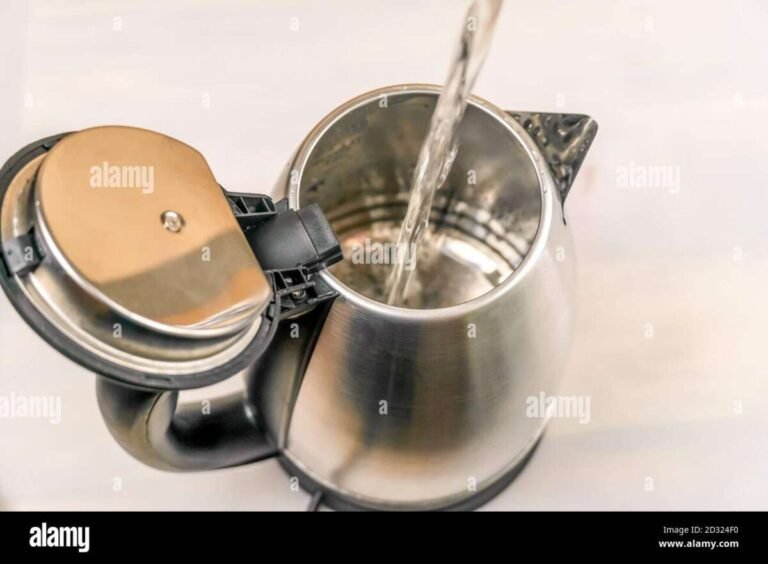
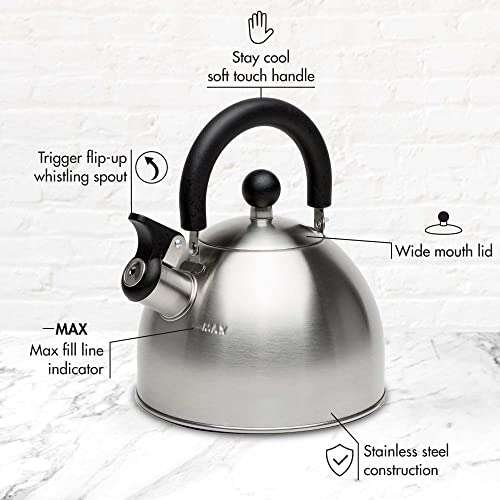
For most new electric kettles, boil and discard one full kettle of water before making a drink. If the water has a plastic, metal, or “new appliance” smell, repeat the process two or three times until the smell and taste are gone.
This first boil helps remove dust, packaging residue, and loose manufacturing odors. It does not make unsafe water safe, remove all chemicals, or replace proper cleaning. Always follow the instructions for your exact kettle, especially if the manual gives a different procedure.
How many times should you boil a new kettle?
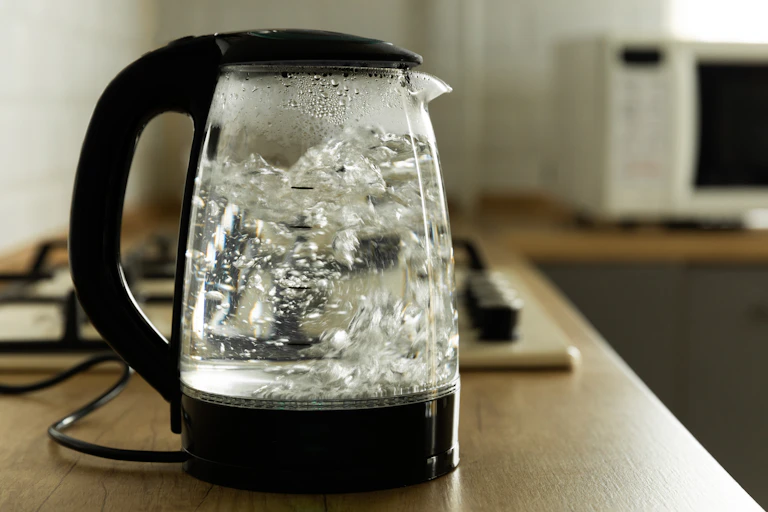
Boil a new kettle once, then throw away the water. For a strong new-kettle smell or taste, boil it two or three times and discard the water after each cycle.


Use this simple guide:
| Kettle condition | Recommended number of boils |
|---|---|
| No unusual smell or taste | 1 cycle |
| Mild plastic or metal smell | 2 cycles |
| Strong smell or odd taste | Up to 3 cycles |
| Smell remains after 3 cycles | Stop using it and contact the seller or maker |
A “cycle” means filling the kettle with clean water, boiling it fully, allowing it to cool enough to handle safely, and emptying it.
You do not need to keep boiling the kettle for hours. Repeated boiling will not usually improve the result after the odor is gone. It may also waste power and can leave more mineral scale behind if your water is hard.
Why discard the first boil?
A new kettle may have:
- Dust from storage or shipping
- A mild plastic odor from parts and seals
- A metallic taste from new stainless steel
- Traces of manufacturing or packing residue
- Water left from factory quality checks
The first boil flushes the inside with hot water. Throwing that water away prevents those tastes from reaching your coffee, tea, or food.
This process is a first-use rinse, not sterilization. A kettle that has been boiled once is not automatically free from every contaminant. The water you add must still be safe to drink.

How to boil a new electric kettle safely
Before you start, place the kettle on a dry, level surface near a suitable US outlet. Keep the base and power cord away from water.
Follow these steps
- Read the manual first. Check the minimum and maximum fill lines, cleaning advice, and any special first-use instructions.
- Remove all packaging. Take off labels, cardboard, foam, plastic film, and protective inserts.
- Wash removable parts. Rinse the lid, filter, or other removable parts as the manual allows. Do not immerse the electrical base.
- Fill the kettle with fresh drinking water. Stay between the minimum and maximum marks.
- Close the lid fully. Many kettles will not shut off correctly if the lid is open or loose.
- Place the kettle on its base. Make sure the base is dry and the kettle sits flat.
- Turn it on and let it finish. Do not lift the kettle while it is heating unless the instructions allow it.
- Wait for the water to stop boiling. Steam and hot surfaces can cause burns.
- Pour the water out carefully. Do not touch the spout or open the lid over your hand.
- Repeat if needed. Use a fresh fill for each additional cycle.
Signs the process worked
The kettle is ready when:
- The inside looks clean
- The water has no unusual color
- The plastic or metal smell has faded
- A small taste of cooled water seems normal
- The kettle reaches a boil and shuts off as expected
Do not taste water while it is hot. Let it cool first.


Should you wash a new kettle before boiling it?
Yes. Rinse or wash the parts that the manufacturer permits before the first boil. A boil alone may not remove dust or residue that sits above the water line or on the lid.
Do not put the kettle body, heating plate, electrical base, or plug in water. For most electric kettles, the safe approach is:
- Wipe the outside with a damp cloth
- Rinse the inside with fresh water
- Wash removable parts by hand
- Avoid abrasive pads that can scratch the interior
- Keep the connector and base dry
Some manufacturers allow mild dish soap on removable parts. Others advise rinsing only. Use the manual as the final guide.
Do not fill the kettle with dish soap and turn it on. Soap can foam, spill into the electrical parts, and leave a strong residue.

What if the new kettle still smells or tastes strange?
If the smell remains after two or three boil-and-discard cycles, stop and inspect the kettle rather than continuing to boil it.
Check these possible causes:
The smell comes from plastic parts
A mild plastic smell can be normal during early use, especially in kettles with plastic lids, handles, or water-level windows. It should normally lessen after several rinses and boils.
A strong chemical odor, oily film, smoke, or burning smell is not something to ignore. Unplug the kettle, let it cool, and contact the manufacturer or retailer.
The water has a metallic taste
New stainless steel can sometimes give water a temporary metallic taste. Hard water can also affect taste. Rinse the kettle and try a different supply of potable water to see whether the taste comes from the kettle or the water.
Do not assume that boiling removes every chemical or metal contaminant. Boiling kills many germs, but it does not remove many dissolved substances.
The smell comes from the outside
If the odor comes from the cord, base, plug, or underside, do not use the kettle. A smell from an electrical part can signal overheating or damage.
The kettle has an oily film or visible residue
Unplug the kettle and follow the manual’s cleaning instructions. If the residue cannot be removed or the manufacturer does not explain it, request a replacement.
The kettle makes a strange sound
Some clicking, humming, and popping can occur as the water heats and the automatic shutoff operates. A burning smell, sparks, smoke, damaged cord, or repeated failure to shut off requires immediate stopping and replacement or professional service.


Can you use vinegar to clean a new kettle?
Usually, you do not need vinegar for a brand-new kettle. Vinegar is more useful for removing mineral scale from a kettle that has already been used.
If the manual permits descaling with vinegar, it may recommend a mixture of water and white vinegar followed by several clean-water rinses. Follow the stated ratio and contact time. Some kettles require a commercial descaler instead.
Never mix vinegar with bleach or other cleaning chemicals. Do not use a descaling solution unless you can rinse it out fully. If the manual does not mention vinegar, use its recommended cleaning method instead.
A new kettle with a persistent odor should not be “fixed” by using stronger and stronger chemicals. A defective kettle may need to be returned.

Does boiling a kettle make tap water safe?
Not always. Boiling can reduce the risk from many disease-causing germs, but it does not remove every possible hazard.
If your local water provider issues a boil-water advisory, follow the exact instructions from the provider or public health department. During many boil-water advisories, official guidance calls for a rolling boil for at least one minute, followed by safe cooling and storage. A kettle’s automatic shutoff may not match every advisory’s requirements, so check the local notice.
Boiling also does not reliably remove:
- Lead
- Nitrates
- Many salts
- Some chemicals
- Fuel or solvent contamination
- Dirt or sediment
If officials issue a do-not-drink or do-not-use notice, do not rely on a kettle. Use the alternative water source listed by local authorities.

Common mistakes when using a new kettle
Avoid these errors:
- Boiling it empty: This can trigger the dry-boil safety system or damage the appliance.
- Filling above the maximum line: Boiling water may spill through the spout or lid.
- Filling below the minimum line: The heating element may not be covered.
- Submerging the base: Electric parts can be damaged and create a shock risk.
- Drinking the first boil: Discard it rather than using it for coffee or tea.
- Leaving the kettle unattended: An automatic shutoff is a safety feature, not a reason to ignore the appliance.
- Using abrasive cleaners: Scratches can trap residue and make cleaning harder.
- Ignoring a damaged cord: Replace the kettle or have it handled through an authorized service route.
- Assuming all kettles work the same way: Materials, filters, lids, and cleaning instructions vary by model.

How much water should you boil in a new kettle?
Fill the kettle with enough water to cover the heating element or meet the marked minimum level. Do not automatically fill it to the top.
For a first rinse, the maximum fill line is useful because it lets hot water contact much of the interior. However, a smaller amount may be appropriate if the manual sets a different limit or if the kettle’s minimum and maximum marks are unclear.
Never boil more water than you need for normal use. It takes more energy and time, and repeated heating can increase mineral buildup.


A simple example: if a kettle holds 1.7 liters but you only need one mug, boiling the full capacity is unnecessary. For the first-use rinse, use the manual’s recommended amount; for later drinks, heat only the amount required.
Frequently asked questions
Do I need to boil a new kettle three times?
No. Three boils are not a universal rule. One boil is often enough when the water has no unusual odor or taste. Repeat up to two more times only if the smell or taste remains.
Can I drink the second boil?
Yes, if the kettle is clean, the water is safe to drink, and the smell and taste are normal. You may discard every first-use cycle until the water seems normal if you prefer.
Should I leave water in the kettle overnight?
It is better to empty the kettle after use. Standing water can become stale and may contribute to mineral buildup. Refill it with fresh drinking water when you need it.
Can I boil milk or juice in an electric kettle?
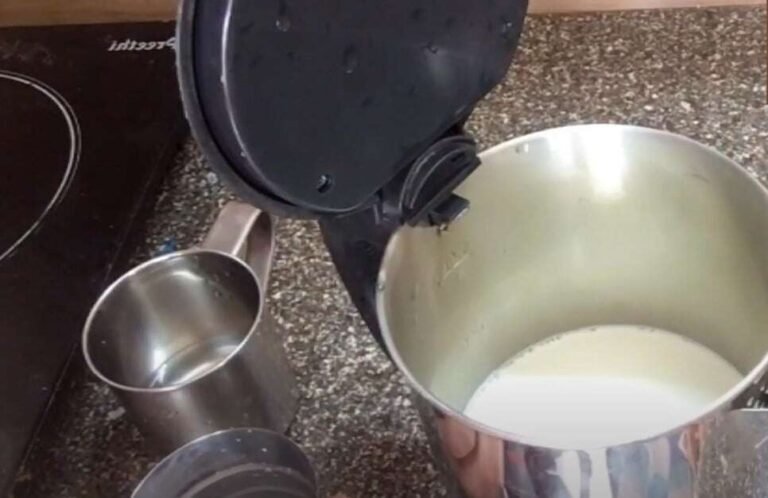
Usually not. Milk, juice, soup, and sugary liquids can foam, burn, spill, or damage the kettle. Use the kettle only for liquids approved by its manufacturer, which is commonly water.
What should I do if the kettle does not turn off?
Unplug it if you can do so safely, without touching water or a damaged cord. Do not keep using a kettle that fails to shut off. Contact the manufacturer or replace the appliance.
Bottom line
For a new kettle, boil one full load of safe drinking water and discard it. Repeat the cycle once or twice if a mild new-appliance smell or taste remains. If the odor is strong, chemical, oily, or electrical—or does not improve after three cycles—stop using the kettle and contact the manufacturer.
The next step is simple: read your model’s manual, rinse the permitted parts, use fresh water within the fill marks, and complete one supervised boil before making your first drink.

Liora Pennings is a seasoned chef and kitchen enthusiast with a passion for turning everyday cooking into an effortless experience. With years of hands-on culinary expertise, she specializes in practical techniques, ingredient know-how, and smart kitchen solutions that help home cooks elevate their meals. At KitchFlair.com, Liora shares her best tips, time-saving tricks, and honest product reviews to guide readers toward a more efficient, enjoyable, and inspired cooking routine. Whether you’re a beginner or a seasoned home chef, Liora’s friendly, knowledge-packed insights make every visit to the kitchen a little easier—and a lot more delicious.