What Knife Is Used For Peeling: Best Knife For Easy Peeling
A small paring knife or vegetable peeler is used for removing thin skins from fruits and vegetables.
When people ask what knife is used for peeling, they usually mean a paring knife. However, a dedicated vegetable peeler can be faster and safer for many foods. This guide explains which tool to choose, how each one works, and how to peel neatly without wasting food.
What Knife Is Used for Peeling?
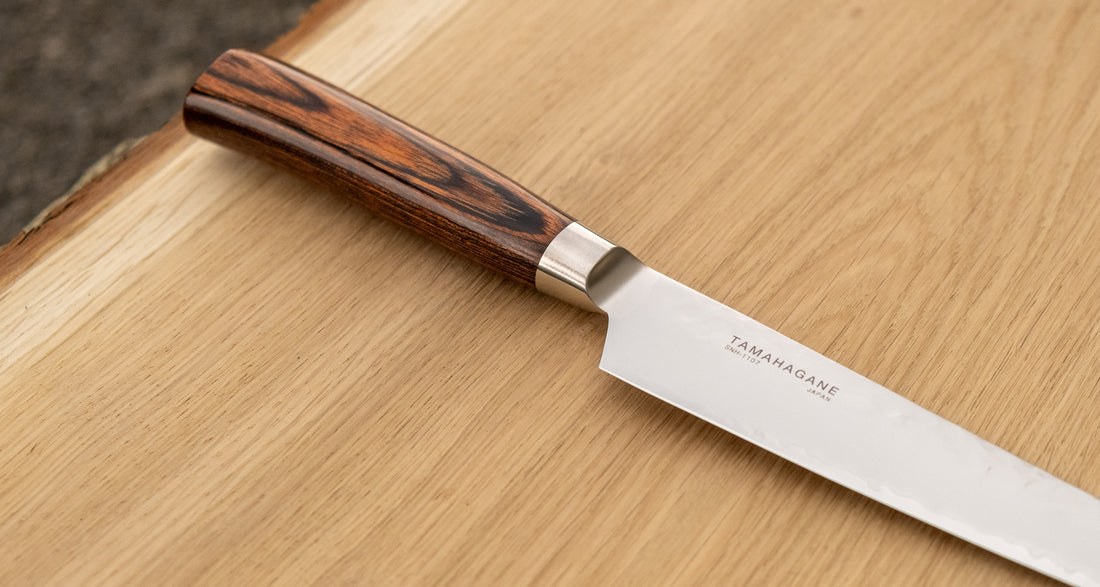
A paring knife is the traditional knife used for peeling. It has a short, sharp blade that gives you excellent control around curves, bumps, and small surfaces. Most paring knives measure between 2.5 and 4 inches long.
For quick, even peeling, many cooks use a vegetable peeler instead. A peeler has a narrow blade made for removing a thin strip of skin with each pass.
The best choice depends on the food:
• Use a paring knife for apples, peaches, potatoes, shallots, and small vegetables.
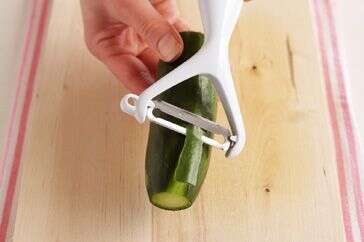
• Use a vegetable peeler for carrots, cucumbers, potatoes, and other long, firm foods.
• Use a serrated peeler for soft fruits, tomatoes, and foods with delicate skin.
• Use a channel knife or specialty peeler for decorative garnishes.
A sharp paring knife works like a pencil in your hand. It lets you make small, careful movements. A vegetable peeler works more like a paint scraper. It removes skin quickly and evenly.

Paring Knife vs. Vegetable Peeler
Understanding the difference helps you choose the right tool for each task. Both tools can remove skin, but they offer different levels of control, speed, and waste reduction.
Paring knife
A paring knife has a pointed or slightly curved blade. Its small size makes it easy to guide around round foods and tight areas.
Advantages include:
• Excellent control
• Useful for peeling and trimming
• Good for removing eyes from potatoes
• Helpful for cutting away bruised spots
• Suitable for small fruits and vegetables
A paring knife takes more practice than a peeler. It can also remove more flesh if you hold the blade at the wrong angle.
Vegetable peeler
A vegetable peeler has a fixed or rotating blade. You pull it across the food to remove a narrow layer of skin.
Advantages include:
• Fast peeling
• Thin and even cuts
• Less food waste
• Easy use for beginners
• Comfortable use on long vegetables
A peeler is often the best answer to what knife is used for peeling when the goal is speed. It is especially useful when preparing several potatoes, carrots, or cucumbers.
Which tool is safer?
Both tools are safe when sharp and used with care. A dull blade needs more force, which raises the chance of slipping.
Keep your fingers behind the blade’s path. Cut away from your hand when using a paring knife. With a peeler, move the tool in a controlled direction and avoid rushing.
Types of Knives Used for Peeling
Not every small knife performs the same way. Blade shape, handle design, and sharpness all affect the result.
Straight paring knife
A straight paring knife has a narrow blade with a pointed tip. It is one of the most useful kitchen knives for peeling, trimming, and small cutting tasks.
It works well for:
• apples
• Pears
• Potatoes
• Garlic
• Turnips
• Small onions
A straight blade gives you steady control. It is a strong choice for cooks who want one small knife for many jobs.
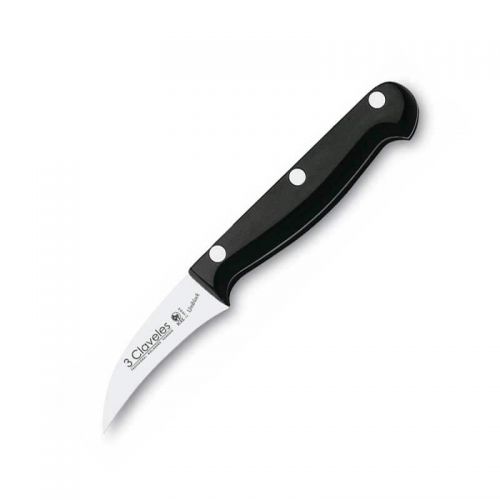
Bird’s beak paring knife
A bird’s beak knife has a short, curved blade. The curve follows the shape of round foods, so it can remove skin with less effort.
This knife is useful for:
• Turning vegetables
• Peeling round fruits
• Trimming mushrooms
• Shaping garnishes
The curved blade takes some practice. Once you learn the motion, it can make detailed work much easier.
Serrated paring knife
A serrated paring knife has small teeth along its edge. It can grip soft or slippery skins better than a smooth blade.
Use it for:
• Tomatoes
• Peaches
• Plums
• Citrus fruits
• Small bread rolls
A serrated blade does not usually create the same smooth cut as a straight paring knife. Still, it can prevent soft foods from tearing.
Swivel peeler
A swivel peeler has a blade that moves slightly as you peel. This allows the blade to follow the shape of the food.
It is a practical choice for:
• Carrots
• Zucchini
• Cucumbers
• Potatoes
• Apples
The flexible blade can feel easier to use than a fixed peeler. It is also helpful for people with limited wrist movement.
Y-peeler
A Y-peeler has a blade set across the handle. You hold it like a small tool and pull it toward you or across the food.
Many cooks prefer a Y-peeler because it removes wide, thin strips. It can make fast work of vegetables and is often comfortable during long preparation sessions.

How to Choose the Best Peeling Knife
The best tool depends on the food, your grip, and the amount of preparation. A professional cook may use several options, while a home cook may need only one paring knife and one peeler.
Consider these features before buying:
Blade length
A short blade gives better control. For peeling, a blade between 3 and 4 inches is usually enough.
A long blade may feel awkward on small foods. It can also remove too much flesh from the food.
Blade sharpness
Sharpness matters more than price. A sharp blade glides through the skin. A dull blade catches, slips, and creates uneven cuts.
Check the edge before use. If the knife crushes the skin instead of slicing it, it may need sharpening.
Handle comfort
Choose a handle that feels secure and balanced. A slippery handle can become dangerous when your hands are wet.
Look for:
• A textured grip
• A comfortable shape
• A stable connection between blade and handle
• A size that fits your hand
Blade material
Stainless steel is common and easy to maintain. High-carbon steel can hold a sharp edge well, but it may stain or rust if it stays wet.
Ceramic peelers are light and resist rust. However, ceramic blades can chip if dropped or used on hard foods.
Ease of cleaning
A simple design is easier to clean. Food can collect near joints, rivets, and moving blades.
Wash peeling tools soon after use. Dry them fully before storage, especially if they contain carbon steel.

How to Peel Fruits and Vegetables Safely
Good peeling technique protects your hands and reduces waste. Start with a clean cutting board and a stable work surface.
Follow these steps:
-
Wash the food under cool running water, even if you plan to remove the skin. Dirt and bacteria can move from the outside to the flesh during cutting.
-
Dry the food with a clean towel. A dry surface is easier to hold.
-
Trim one small end if the food rolls. This creates a flat base.
-
Hold the food firmly with your non-cutting hand.
-
Keep your fingers curled away from the blade.
-
Peel in short, controlled strokes.
-
Rotate the food instead of twisting your wrist.
-
Remove only the skin unless bruises or damaged areas need trimming.
-
Rinse the peeled food if loose skin or dirt remains.
When using a paring knife, keep the blade edge pointed away from your fingers. When using a peeler, avoid long, fast strokes until you feel comfortable with the tool.
A common mistake is peeling toward the palm. I learned this lesson early while preparing a large bowl of potatoes. Short strokes away from the hand gave me much better control and caused less waste.
How to Peel Common Foods
Different foods need different methods. The skin may be thick, thin, firm, soft, or uneven.
Potatoes
A vegetable peeler is usually the fastest choice for potatoes. Move the peeler from one end to the other, then rotate the potato.
A paring knife works well for potatoes with deep eyes or rough patches. Remove only the damaged areas when possible.
Some potato skins are edible and contain fiber. Whether you peel them depends on the recipe, texture, and personal preference.
Carrots
A Y-peeler or swivel peeler works well for carrots. Place the carrot on a cutting board or hold it firmly over the sink.
Peel from the thick end toward the tip. Turn the carrot often so you remove the skin evenly.
Apples and pears
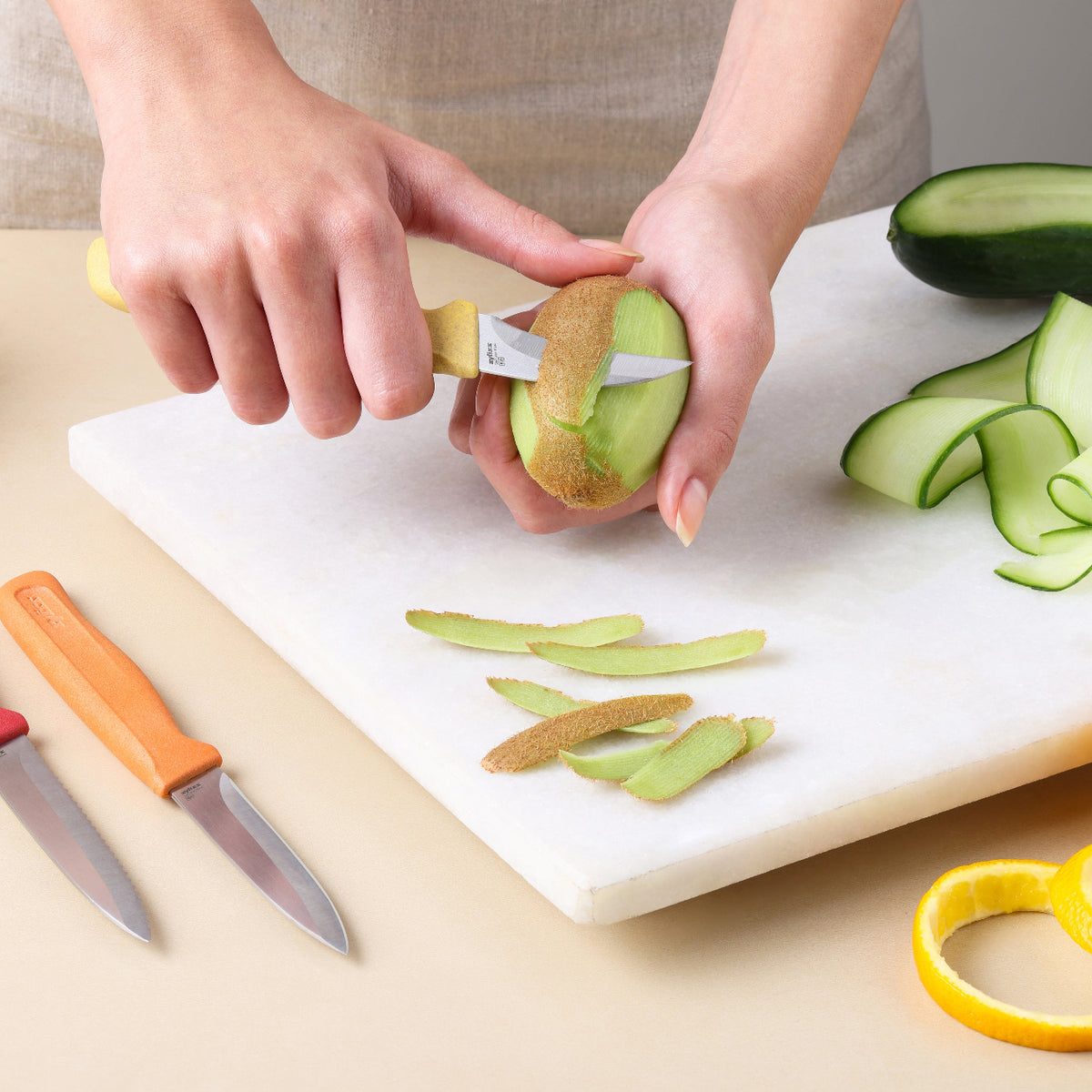
A paring knife provides better control than a standard peeler around the curves of an apple or pear. You can also use an apple peeler if you prepare large amounts.
Remove the skin in a thin spiral. Keep the blade shallow so you do not lose too much fruit.
Citrus fruits
Use a paring knife or zester for the colored outer layer of citrus. This layer is called zest and contains fragrant oils.
Avoid cutting deeply into the white pith beneath the zest. The pith tastes bitter and is not the same as peeling away the entire fruit.
Tomatoes and peaches
A serrated paring knife can grip soft skin without pressing down too hard. For large amounts, blanch the food briefly in boiling water, then cool it in ice water.
The skin should loosen and slip away. This method is useful for sauces, jams, and canned foods.

Common Peeling Mistakes to Avoid
Even simple kitchen tasks can become frustrating when the tool or technique is wrong.
Using a dull knife
A dull knife may seem safer, but it often requires more pressure. More pressure means less control.
Sharpen kitchen knives regularly. Use a honing rod to realign a slightly dull edge, and use a proper sharpener when honing no longer helps.
Peeling too deeply
Deep peeling wastes edible food. It can also make fruits and vegetables look uneven.
Hold the blade at a shallow angle. Let the edge remove the skin, not a thick layer beneath it.
Choosing the wrong tool
A large chef’s knife is not the best choice for delicate peeling. Its long blade can feel difficult to control.
Likewise, a small paring knife is not the fastest tool for peeling ten pounds of potatoes. Match the tool to the task.
Ignoring the cutting surface
A loose cutting board can slide while you work. Place a damp towel beneath the board to improve stability.
This small step can make peeling more comfortable and reduce accidents.
Leaving tools wet
Moisture can damage some metals and encourage rust. Wash the tool, dry it, and store it in a safe place.
Never place a sharp knife loose in a crowded drawer. Use a knife block, blade guard, or dedicated storage tray.
Can You Peel Without a Knife?
Yes. A vegetable peeler is not technically a knife, but it is the most common tool for removing vegetable and fruit skins.
You can also use other methods:
• Boiling and shocking for tomatoes, peaches, and some root vegetables
• Rubbing small new potatoes with a clean towel
• Using a spoon to remove ginger skin
• Using a citrus zester for thin strips of citrus peel
• Using a specialized apple peeler for speed and uniform results
These methods can reduce knife use. They may also preserve more food, especially when the skin is thin.
Still, a paring knife remains useful for trimming, removing blemishes, and handling irregular shapes. That is why many kitchens keep both a peeler and a small knife nearby.
Best Practices for Knife Care
Proper care keeps a peeling knife sharp, clean, and safe.
Wash the knife by hand with warm water and mild dish soap. Dry it at once. Many manufacturers advise against putting sharp knives in the dishwasher because heat, moisture, and movement can damage the edge and handle.
Use a cutting board made from wood, bamboo, or quality plastic. Avoid glass, stone, and ceramic boards. These hard surfaces can dull a knife quickly.
Store the knife safely in one of these ways:
• Knife block
• Magnetic strip mounted securely
• Blade guard
• Drawer organizer
Never test sharpness by running your finger across the blade. Instead, observe how it cuts a soft food such as a tomato or carrot.
A sharp knife is not maintenance-free. Even a high-quality blade needs regular care to perform well.
Frequently Asked Questions About What Knife Is Used for Peeling
What is the best knife for peeling vegetables?
A small paring knife is the best all-purpose knife for peeling vegetables. A vegetable peeler is faster for long, firm vegetables such as carrots, cucumbers, and potatoes.
Is a paring knife the same as a peeling knife?
A paring knife can be used as a peeling knife, but “peeling knife” is not always a formal knife category. The term may describe a small paring knife or a dedicated vegetable peeler.
Is a peeler safer than a knife?
A peeler can feel safer because it removes skin with a controlled blade path. However, both tools can cause cuts if used with excessive force or pointed toward the hand.
What size knife is used for peeling?
A paring knife between 2.5 and 4 inches long works well for most peeling tasks. Short blades offer better control around small and curved foods.
Can I use a chef’s knife for peeling?
You can use a chef’s knife for some peeling jobs, but it is not ideal. Its larger blade offers less control and may remove more food than necessary.
Should you wash vegetables before peeling them?
Yes. Wash fruits and vegetables before peeling them, even when you will discard the skin. Washing helps prevent dirt and bacteria from transferring to the edible inside.
Which tool is best for peeling potatoes?
A swivel peeler or Y-peeler is usually best for fast potato peeling. Use a paring knife to remove deep eyes, sprouts, or damaged spots.
Conclusion
The answer to what knife is used for peeling is usually a paring knife, but a vegetable peeler may be the better tool for speed and thin, even strips. Choose a paring knife for control and detailed work. Choose a Y-peeler or swivel peeler for common vegetables and large batches.
Keep the blade sharp, use short strokes, and keep your fingers away from the cutting path. With the right tool and a little practice, peeling becomes faster, cleaner, and safer. Try both a paring knife and a vegetable peeler in your kitchen, then choose the one that feels most natural for your cooking style.

Liora Pennings is a seasoned chef and kitchen enthusiast with a passion for turning everyday cooking into an effortless experience. With years of hands-on culinary expertise, she specializes in practical techniques, ingredient know-how, and smart kitchen solutions that help home cooks elevate their meals. At KitchFlair.com, Liora shares her best tips, time-saving tricks, and honest product reviews to guide readers toward a more efficient, enjoyable, and inspired cooking routine. Whether you’re a beginner or a seasoned home chef, Liora’s friendly, knowledge-packed insights make every visit to the kitchen a little easier—and a lot more delicious.