How Many CFM Is A Vacuum Cleaner: Find The Right Suction
Most household vacuum cleaners deliver about 50 to 100 CFM, while shop vacs and central vacuums can produce more.
Knowing how many CFM is a vacuum cleaner helps you compare airflow, cleaning power, and real-world performance. The number alone does not tell the whole story, though. Suction, filter design, hose size, floor type, and brush action all affect how well a vacuum removes dirt.
What Does CFM Mean in a Vacuum Cleaner?
CFM means cubic feet per minute. It measures how much air a vacuum moves through its hose or cleaning head in one minute.
Think of CFM as the vacuum’s breathing rate. A higher number means the machine can move more air. This airflow helps carry dust, crumbs, hair, and other debris into the vacuum bag or dirt bin.
When people ask how many CFM is a vacuum cleaner, they usually want to know whether the machine has enough airflow for good cleaning. The answer depends on the vacuum type and where the CFM was measured.
A vacuum may have one CFM rating at the hose and another at the floor head. Airflow often drops when the vacuum has:
• A dirty filter
• A full bag or dust bin
• A narrow hose
• A long hose
• A blocked brush roll
• A poorly sealed connection
• A restrictive HEPA filter
This is why two vacuums with similar CFM ratings may clean very differently.

How Many CFM Is a Vacuum Cleaner?
For most household models, how many CFM is a vacuum cleaner usually falls within these ranges:
• Cordless stick vacuum: About 20 to 60 CFM
• Small handheld vacuum: About 15 to 40 CFM
• Upright vacuum: About 50 to 100 CFM
• Canister vacuum: About 60 to 120 CFM
• Central vacuum: About 100 to 200 CFM
• Shop vacuum: About 80 to 150 CFM
These are useful working ranges, not fixed rules. A premium cordless vacuum may exceed a basic corded upright. A compact canister may also outperform a larger model with a clogged filter.
When asking how many CFM is a vacuum cleaner, check whether the manufacturer lists airflow at the hose, wand, or floor nozzle. A hose rating is often higher because it does not include the resistance created by the cleaning head.
The best comparison uses airflow and suction measured under similar conditions. Without that context, a large CFM number can sound impressive but provide little useful information.

Is Higher CFM Always Better?
Higher CFM can improve cleaning, but more airflow does not automatically mean a better vacuum. A machine must also create enough suction to lift debris from the surface.
A vacuum with high airflow but weak suction may move air well while struggling to pull dirt from carpet fibers. A vacuum with strong suction but low airflow may lift debris but fail to carry it smoothly through the hose.
The most effective machines balance both traits:
• Airflow moves dirt through the system.
• Suction lifts dirt from the floor.
• The brush roll loosens embedded debris.
• The filter traps fine particles.
• The seal prevents air leaks.
A useful way to picture this is a drinking straw. Airflow is the amount of liquid moving through the straw. Suction is the pulling force that starts the movement. You need both for good results.
In practical cleaning tests, I have seen a vacuum with a modest published airflow rating outperform a stronger-looking model because it had a better floor seal and brush design. This is one of the most common lessons when comparing how many CFM is a vacuum cleaner.
CFM Compared With Suction Power
CFM and suction power are related, but they are not the same measurement.
CFM measures air volume. Suction is often measured as water lift, sealed suction, or inches of water. Air watts combine airflow and suction into one performance figure, although manufacturers do not always use the same test method.
Here is the basic difference:
• CFM: How much air the vacuum moves
• Water lift: How strongly the vacuum pulls against resistance
• Air watts: A calculation using airflow and suction
• Motor watts: How much electrical power the motor uses
Motor wattage does not directly reveal cleaning power. A motor can use more electricity while losing much of its power through poor seals, heat, noise, or inefficient design.
Some manufacturers advertise peak horsepower on shop vacuums. Peak horsepower is measured under special conditions and does not equal normal cleaning performance. For a fair comparison, look for CFM, water lift, hose size, and real cleaning results.
If a brand lists only motor watts and no airflow or suction data, compare customer reviews and independent tests with care.
Typical CFM by Vacuum Type
Cordless Stick Vacuums
Cordless stick vacuums often produce about 20 to 60 CFM. Their airflow is limited by battery size, motor design, compact filters, and narrow air paths.
They work well for daily crumbs, surface dust, and light pet hair. Some high-end models can clean carpet deeply, but their performance may drop in the highest power mode as the battery runs down.
Battery age also matters. A worn battery may spin the motor less effectively, which can reduce both suction and airflow.
Upright Vacuums
Upright vacuums commonly deliver about 50 to 100 CFM. Their larger motors and powered brush rolls make them useful for wall-to-wall carpet.
An upright with moderate airflow can perform very well when its brush roll agitates the carpet and its nozzle seals close to the floor. However, a clogged brush roll or full bag can reduce airflow quickly.
Canister Vacuums
Canister vacuums often provide about 60 to 120 CFM. Their separate motor unit allows for larger air paths and flexible attachments.
They are often strong on hard floors, stairs, upholstery, and under furniture. The long hose can create some resistance, but a well-designed canister keeps good airflow through the full system.
Central Vacuums
Central vacuum systems may produce about 100 to 200 CFM. The motor is installed in a remote location, and dirt travels through fixed tubing to the collection unit.
Performance depends on tubing length, pipe diameter, bends, inlet seals, and the power unit. A powerful central vacuum can lose airflow if the tubing has a blockage or if the system uses an overly restrictive hose.
Shop Vacuums
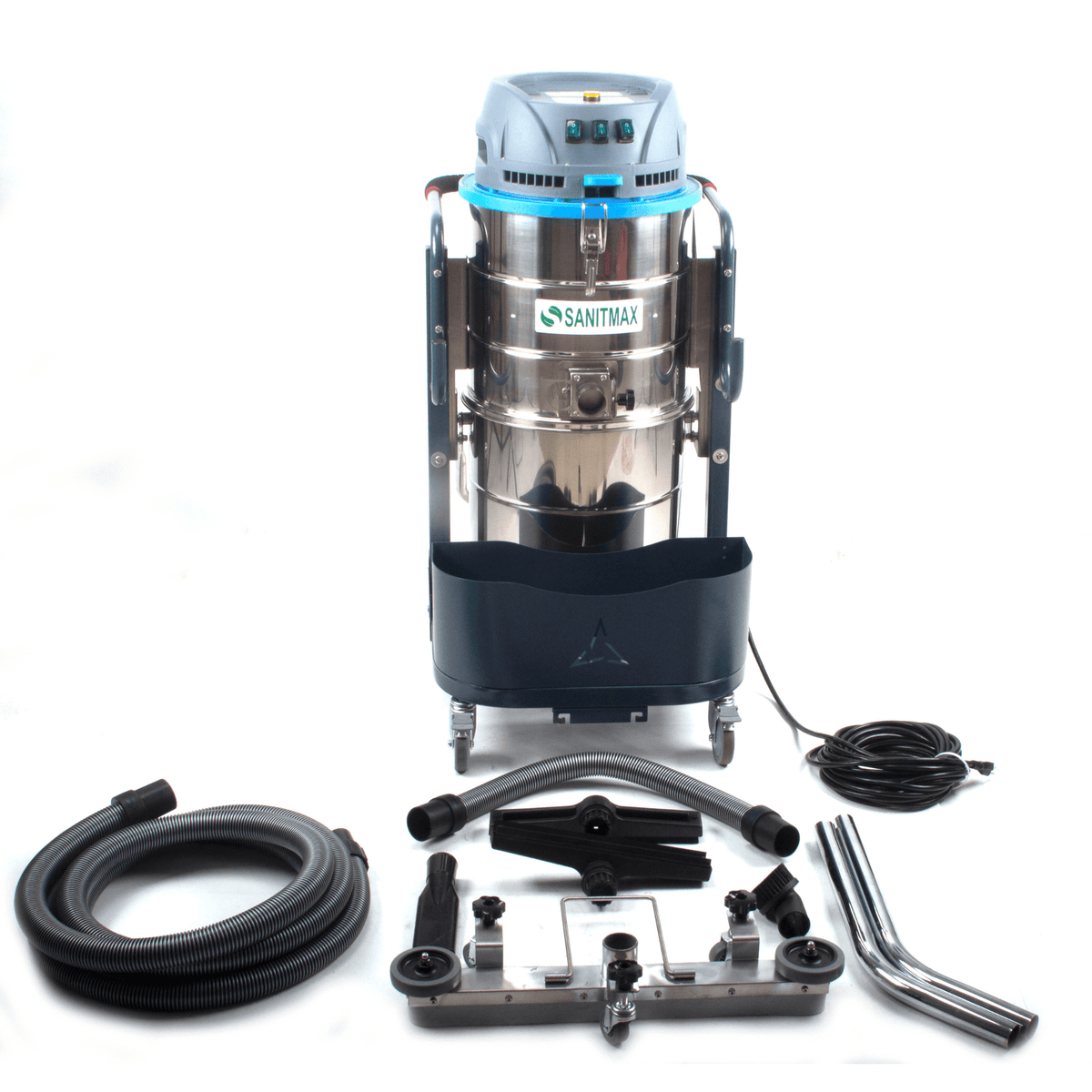
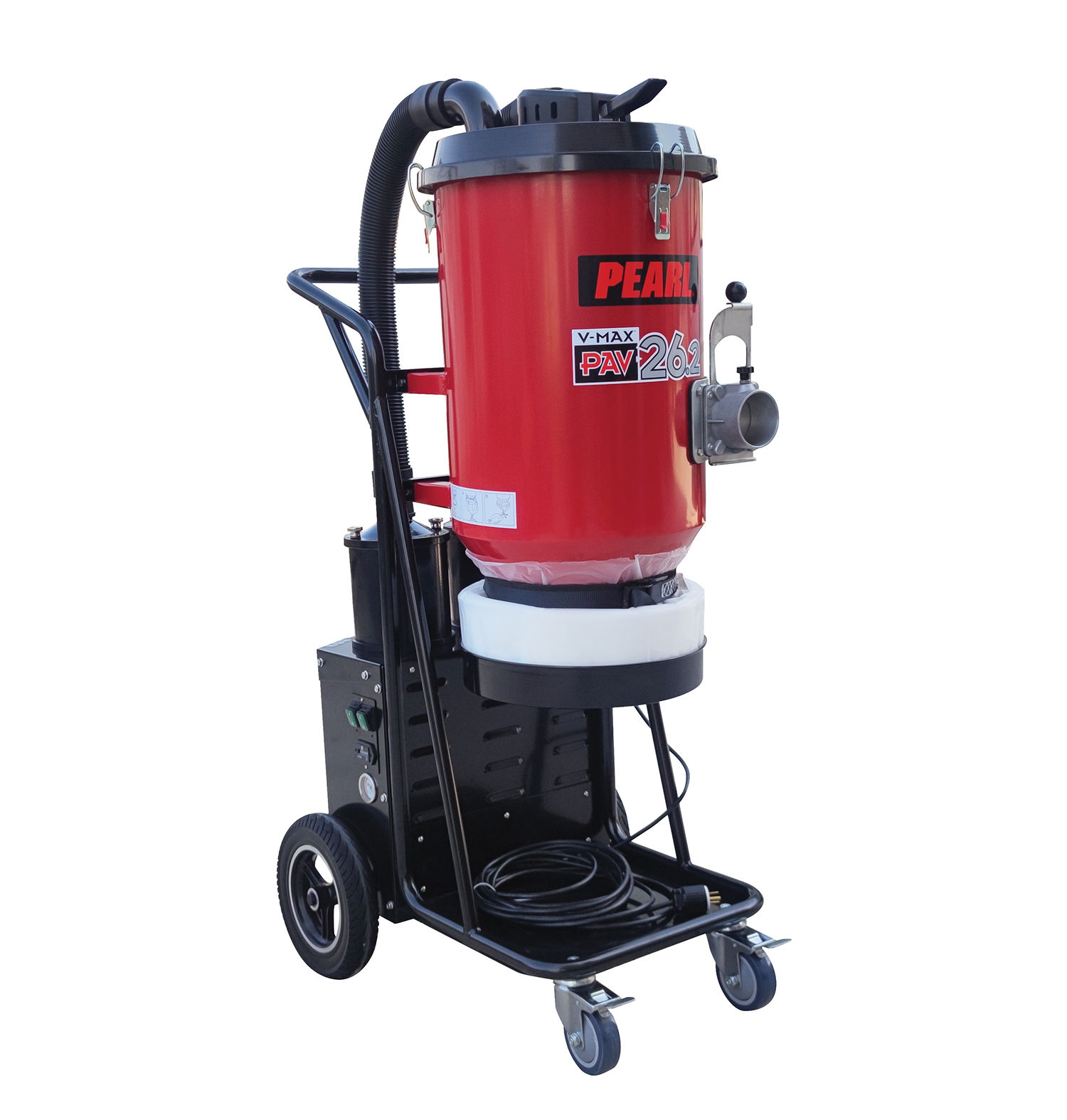
Shop vacuums commonly produce about 80 to 150 CFM. Larger models may move more air, which helps with sawdust, leaves, water, and larger debris.
Shop vacuums are not always ideal for fine indoor dust. Without the correct cartridge filter or dust bag, very small particles may pass through the machine or become airborne again.

What CFM Do You Need for Your Home?
The right CFM depends on your flooring, cleaning habits, and household needs. You do not need the highest number available for every home.
A practical guide looks like this:
• Hard floors: About 40 to 70 CFM can work well with a good sealed nozzle.
• Low-pile carpet: About 50 to 80 CFM is often suitable.
• Thick carpet: About 70 to 100 CFM may provide stronger deep cleaning.
• Homes with pets: Choose good airflow plus strong brush agitation.
• Large homes: Consider a canister or central vacuum with sustained airflow.
• Workshops: Look for shop vacuum airflow of about 100 CFM or more.
• Fine dust: Prioritize proper filtration and sealed construction.
For most homes, a balanced vacuum in the 50 to 100 CFM range is enough. A higher figure can help, but the floor head and filtration system may matter more.
If your home has thick carpet and shedding pets, focus on a powered brush roll, strong sealed suction, and easy filter care. If you mainly clean hardwood floors, a soft brush head and controlled airflow may prevent scattering.

How to Measure Vacuum CFM
Manufacturers use different test conditions, so home measurements are not always directly comparable. Still, you can check airflow with a few tools.
A professional airflow test may use an anemometer or a calibrated airflow meter. The test should record:
• The vacuum model
• The attachment used
• The filter condition
• The bag or bin level
• The hose length
• Whether the test is sealed or open
• The point where airflow is measured
Do not compare a free-air hose reading with a floor-head reading. The two tests measure different conditions.
You can also perform a simple practical check. Place the hose over a known opening and observe whether the vacuum maintains strong airflow under resistance. This will not give an exact CFM number, but it may reveal a clogged filter, weak seal, or damaged hose.
Never block a vacuum inlet for long periods. Some motors can overheat when airflow is completely restricted.
Why Your Vacuum’s CFM May Drop
A vacuum can lose airflow over time even when the motor still sounds normal. The cause is often simple and easy to fix.
Check these areas first:
• Empty the dust bin before it reaches the fill line.
• Replace a full disposable bag.
• Wash reusable filters only if the manual allows it.
• Let washed filters dry fully before reinstalling them.
• Remove hair from the brush roll.
• Check the hose for toys, socks, and compacted dust.
• Inspect seals around the bin, bag, hose, and floor head.
• Replace cracked hoses and damaged gaskets.
One mistake I often see is washing a filter and putting it back while it is still damp. Moisture can restrict airflow and may damage the motor or encourage mold growth. Give washable filters plenty of time to dry.
Another common mistake is using a vacuum without the correct filter. A missing filter may increase short-term airflow, but it can send fine dust into the motor and shorten the machine’s life.

How Filters Affect CFM and Cleaning
Filters protect indoor air quality, but every filter adds some resistance. A HEPA filter captures very small particles, yet it must be clean and properly sealed to work well.
A clogged HEPA filter can reduce airflow sharply. This does not mean HEPA filtration is bad. It means the filter needs regular care and replacement according to the manufacturer’s instructions.
Good vacuum design balances filtration with airflow. It uses enough filter area to trap dust without creating excessive resistance. Larger filter surfaces often help maintain airflow longer than small, tightly packed filters.
For allergy concerns, do not judge a vacuum by CFM alone. Look for a sealed system, a genuine high-efficiency filter, and a design that prevents dirty air from leaking around the filter.
CFM, Carpet, and Hard Floors
Carpet and hard floors need different cleaning approaches. Carpet fibers hold dirt below the surface, so the vacuum needs agitation and enough suction to lift particles. A powered brush roll often makes a major difference.
Hard floors need steady airflow and a head that seals without scratching. Excessive suction can make a floor tool difficult to move, especially on smooth tile or polished surfaces.
Many quality vacuums include suction control. Use higher power for thick rugs and lower power for delicate fabrics, curtains, and smooth floors. This can improve comfort, reduce noise, and extend battery life on cordless models.
For area rugs, test the vacuum on a small corner first. Strong suction or an aggressive brush roll can pull loose threads or lift lightweight rugs.
How to Choose a Vacuum by CFM
Use CFM as one part of a larger buying decision. Before choosing a model, review these factors:
- Identify your main floor type.
- Decide whether you need a brush roll.
- Check the airflow measurement point.
- Compare suction or water-lift information when available.
- Look for sealed filtration.
- Review filter and bag replacement costs.
- Check the hose, wand, and floor-head design.
- Read independent performance tests.
- Consider noise, weight, and storage.
- Confirm that replacement parts are easy to find.
Do not buy a vacuum only because it advertises the highest CFM. A machine that is hard to push, difficult to maintain, or poorly sealed may disappoint in daily use.
The best vacuum is the one that keeps useful airflow during normal cleaning. Reliability matters more than a large number printed on a box.
Common Mistakes When Comparing Vacuum CFM
Many shoppers compare CFM numbers without checking how the numbers were collected. This can lead to an unfair comparison.
Avoid these mistakes:
• Comparing hose airflow with floor-head airflow
• Treating motor watts as cleaning power
• Assuming peak horsepower equals real suction
• Ignoring the condition of the filter
• Forgetting that bags and bins restrict airflow when full
• Overlooking brush-roll performance
• Choosing the strongest vacuum for delicate surfaces
• Assuming a higher CFM guarantees better filtration
Brand testing can vary. Some companies publish maximum airflow, while others report airflow under load. Since there is no single universal consumer-vacuum CFM label, compare similar measurements whenever possible.
Independent tests are useful because they often measure airflow, suction, emissions, and debris pickup under the same conditions.
Frequently Asked Questions About How Many CFM Is a Vacuum Cleaner
How many CFM is a good vacuum cleaner?
A good household vacuum often produces about 50 to 100 CFM, depending on its design and test location. Strong floor-head sealing and brush action can matter as much as the stated airflow.
Is 100 CFM enough for a vacuum cleaner?
Yes, 100 CFM is enough for many homes when the vacuum has good suction, filtration, and a working brush roll. The ideal amount still depends on your flooring and the type of debris you clean.
Do cordless vacuums have lower CFM?
Many cordless vacuums have lower airflow than full-size corded models, often around 20 to 60 CFM. High-end designs can perform very well because they combine efficient air paths, strong suction, and effective floor heads.
Is CFM or suction more important in a vacuum?
Both are important. Suction helps lift dirt, while CFM carries that dirt through the vacuum, so the best cleaner balances airflow, suction, filtration, and agitation.
Can a full bag reduce vacuum CFM?
Yes. A full bag can restrict airflow and reduce cleaning performance. Replacing the bag or emptying the bin before it is packed tightly often restores much of the lost airflow.
Does a HEPA filter reduce CFM?
A HEPA filter can reduce airflow because it adds resistance, especially when dirty. A well-designed vacuum compensates with enough filter surface and motor power while keeping the system sealed.
What is the best CFM for pet hair?
There is no single ideal CFM for pet hair, but about 60 to 100 CFM is a useful range for many homes. A powered brush roll, strong seal, and tangle-resistant design are also essential.
Conclusion
How many CFM is a vacuum cleaner depends on its type, design, and test conditions. Most household vacuums fall near 50 to 100 CFM, while cordless, central, and shop vacuums can sit below or above that range.
CFM matters, but it is only one piece of the cleaning puzzle. Check suction, water lift, brush action, filtration, seals, and maintenance needs before making a choice. Use these factors together, and you can select a vacuum that cleans well in real life rather than one that only advertises a big number.
Compare models using similar measurements, keep filters clean, and match the vacuum to your floors. If this guide helped, explore more vacuum care resources or share your own CFM and cleaning experience in the comments.

Liora Pennings is a seasoned chef and kitchen enthusiast with a passion for turning everyday cooking into an effortless experience. With years of hands-on culinary expertise, she specializes in practical techniques, ingredient know-how, and smart kitchen solutions that help home cooks elevate their meals. At KitchFlair.com, Liora shares her best tips, time-saving tricks, and honest product reviews to guide readers toward a more efficient, enjoyable, and inspired cooking routine. Whether you’re a beginner or a seasoned home chef, Liora’s friendly, knowledge-packed insights make every visit to the kitchen a little easier—and a lot more delicious.