Can I Zest A Lemon With A Peeler: Easy Kitchen Guide
Yes, you can zest a lemon with a vegetable peeler, but remove only the thin yellow skin.
A peeler is a simple, useful way to zest a lemon when you do not have a microplane or citrus zester. The key is control: lemon zest comes from the yellow outer layer, while the white pith underneath tastes bitter. This guide explains how to zest a lemon with a peeler, how to avoid common mistakes, and how to turn the strips into fine zest for cooking and baking.

What Does It Mean to Zest a Lemon?
Lemon zest is the colorful outer skin of the fruit. It contains fragrant oils that give lemon desserts, sauces, drinks, and savory dishes a bright citrus flavor.
The white layer under the yellow skin is called the pith. It has very little of the fresh lemon aroma and can taste sharp or bitter. Good zesting means taking the yellow layer while leaving most of the pith behind.
You can zest a lemon with a peeler, a microplane, a box grater, or a citrus zester. Each tool creates a different texture:
- A vegetable peeler creates wide strips.
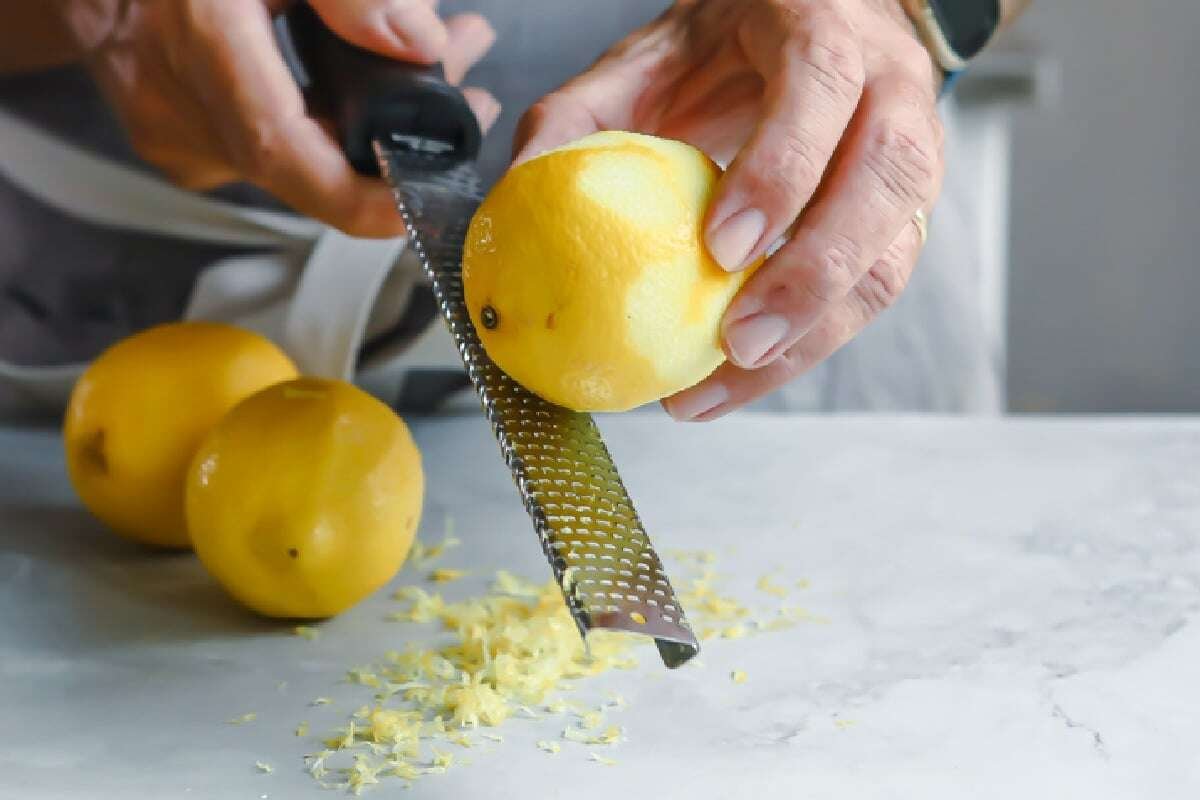
- A microplane creates very fine zest.
- A box grater creates small pieces but may also remove some pith.
- A citrus zester creates thin strands or narrow strips.
When you zest a lemon with a peeler, you may need one extra step. Cut the strips into tiny pieces with a sharp knife if your recipe calls for finely grated zest.
Can I Zest a Lemon With a Peeler?
Yes, a vegetable peeler works well for lemon zest. It is especially useful when you need broad strips for infused oil, cocktails, sauces, syrups, or garnishes.
A peeler may not be the fastest choice for a cake recipe that needs finely grated zest. Still, the lemon peel can be chopped into small pieces after peeling. This gives you a close substitute for grated zest.
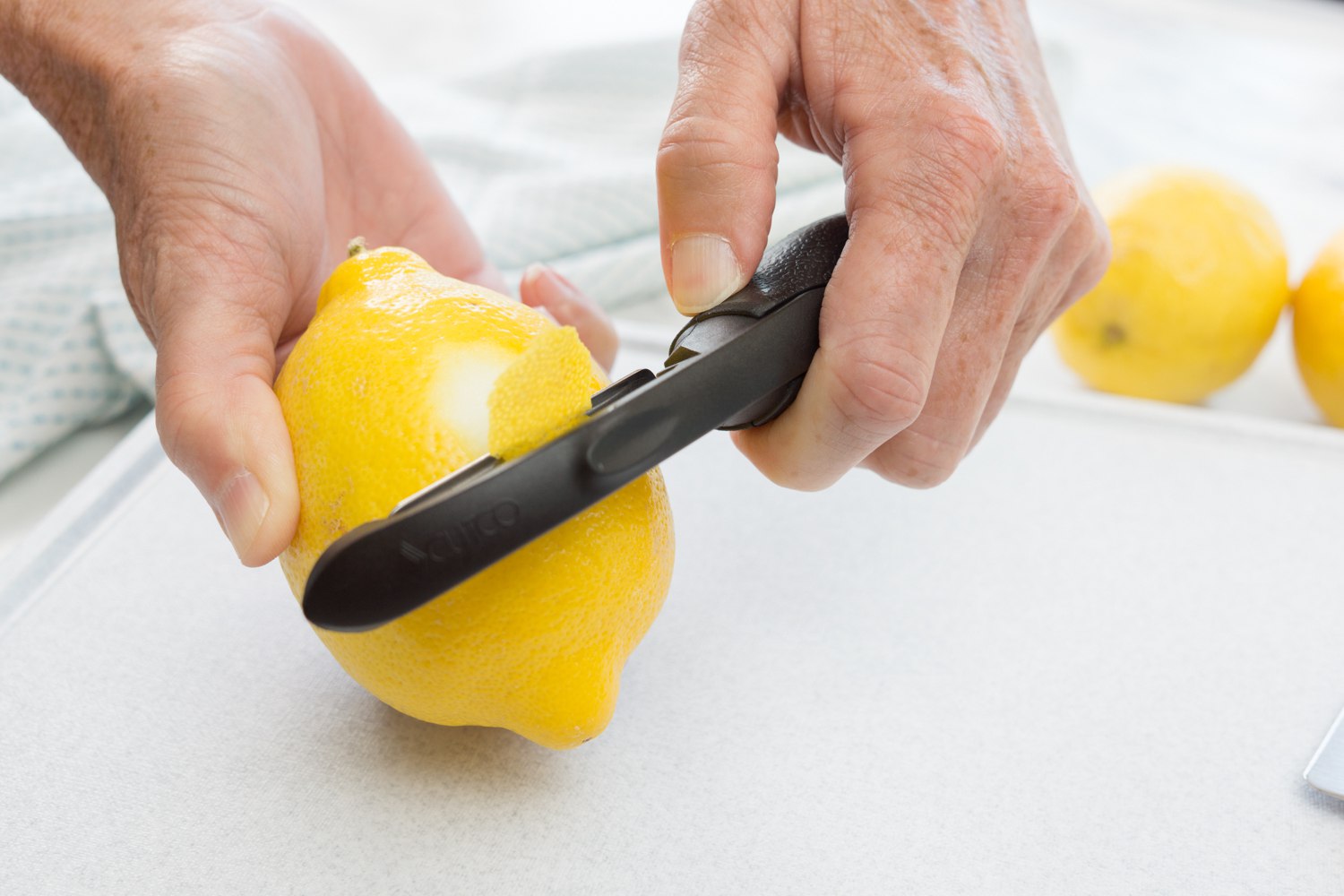
To zest a lemon with a peeler, follow these steps:
- Wash the lemon under cool running water.
- Dry it with a clean towel.
- Hold the lemon firmly in one hand.
- Place the peeler near the top of the fruit.
- Pull it down with light pressure.
- Remove only a thin yellow strip.
- Turn the lemon and repeat.
- Stop when you reach the white pith.
- Chop the strips if you need fine zest.
Use short, gentle strokes. Pressing too hard makes the blade dig into the pith. Think of the peeler as shaving the surface, not digging into the fruit.

How to Zest a Lemon With a Vegetable Peeler
The best method depends on how you plan to use the zest. Wide strips work well in drinks and sauces, while small pieces work better in batters and dressings.
Step 1: Choose the right lemon
Pick a firm lemon with smooth, bright yellow skin. A lemon with thick, loose skin is often easier to peel than a very soft or wrinkled lemon.
Organic lemons may be a practical choice when you plan to use a large amount of peel. However, all lemons should still be washed well before zesting. Washing removes dirt and some surface residue, but it does not remove every chemical or wax coating.
Step 2: Clean and dry the fruit
Rinse the lemon and rub its surface gently with your hands. Dry it fully before peeling.
A dry lemon gives you a better grip. It also helps the peeler glide across the skin instead of slipping.
Step 3: Peel in narrow sections
Pull the peeler from one end of the lemon to the other. Make a narrow strip rather than trying to remove a large section at once.
Rotate the lemon as you work. Avoid going over the same spot several times, since repeated strokes can reach the bitter white pith.
Step 4: Cut the strips to the size you need
For a garnish, leave the peel in long strips. For lemon cookies, pound cake, vinaigrette, or pasta, place the strips on a cutting board and mince them finely.
Use a sharp knife and keep your fingers tucked away from the blade. Small, even pieces spread the lemon flavor more evenly through a recipe.

How to Avoid the Bitter White Pith
The most important rule when you zest a lemon with a peeler is to use light pressure. The yellow skin is thin, so the peeler does not need much force.
Watch the color of each strip as you peel. A strip with a little white on the underside is not ruined, but too much pith can make the zest unpleasant.
These tips can help:
- Use a sharp peeler with a smooth blade.
- Peel a cold, firm lemon if the fruit feels soft.
- Take several thin strips instead of one thick strip.
- Stop as soon as the surface changes from yellow to pale white.
- Trim away small white spots with a paring knife.
- Taste a tiny piece if you are unsure about the flavor.
A dull peeler often causes more problems. It may drag across the skin and force you to press harder. If your peeler catches or tears the skin, switch tools or sharpen the blade.

What Can You Use Lemon Zest For?
Fresh zest adds strong lemon flavor without adding extra liquid. This makes it useful in recipes where lemon juice might change the texture or balance.
You can use zest in:
- Lemon cakes, muffins, cookies, and quick breads
- Salad dressings and vinaigrettes
- Pasta with butter, garlic, and herbs
- Roasted vegetables and potatoes
- Fish, chicken, and seafood dishes
- Yogurt, whipped cream, and fruit salads
- Cocktails, iced tea, and sparkling water
- Simple syrup and homemade lemonade
- Compound butter and herb spreads
- Marinades and sauces
Wide strips are excellent for steeping. Add them to warm cream, sugar syrup, olive oil, or tea, then remove them before serving.
Finely chopped strips are better for baking. Mix the zest into sugar with your fingers before adding it to the batter. This releases the lemon oil and spreads the flavor through the recipe.

Peeler Zest vs. Microplane Zest
A microplane is usually the easiest tool for fine lemon zest. It creates small particles that blend smoothly into cake batter, frosting, sauces, and dressings.
A vegetable peeler offers more flexibility for larger pieces. It is also easier to clean and may be safer for people who find fine graters uncomfortable to handle.
Here is a simple comparison:
| Tool | Best use | Main limitation |
|---|---|---|
| Vegetable peeler | Strips, infusions, garnishes | Zest must be chopped for fine recipes |
| Microplane | Fine zest for baking and sauces | Easy to grate into the pith |
| Box grater | Quick, coarse zest | Can remove too much pith |
| Citrus zester | Thin decorative strands | Less common in home kitchens |
If a recipe says “one teaspoon of lemon zest,” you can zest a lemon with a peeler and mince the strips until they resemble fine grated zest. The result may look slightly different, but the flavor will still work well.

How Much Zest Does One Lemon Make?
One medium lemon often produces about 1 to 2 tablespoons of zest. The exact amount depends on the lemon’s size, skin thickness, and freshness.
A large lemon may provide more zest, while a thin-skinned lemon may provide less. For accurate baking, measure the chopped zest after peeling.
Do not remove all the skin if you still need the lemon for another purpose. Once the peel is gone, the fruit loses some protection and dries out faster.
If you only need a small amount, zest one side of the lemon. Then store the remaining lemon in the refrigerator and use it within several days for the best flavor.

How to Store Lemon Zest
Fresh lemon zest has its strongest aroma right after peeling. If you need to save it, place the zest in a small airtight container or resealable bag.
Refrigerated zest usually keeps its best quality for a few days. Press out extra air before sealing the container. This helps slow drying and protects the delicate citrus oils.
For longer storage, freeze the zest:
- Spread the zest in a thin layer on a plate or small tray.
- Freeze it until firm.
- Transfer it to an airtight freezer container.
- Label it with the date.
- Use it within a few months for the best flavor.
You can also freeze lemon peel strips in small portions. Frozen strips work well in tea, syrups, sauces, and cocktails. They may become softer after thawing, but the flavor remains useful.
Avoid storing fresh zest at room temperature for long periods. Moist food can support bacterial growth, especially in a warm kitchen.

Common Mistakes When Zesting With a Peeler
Many problems happen because cooks focus on removing as much peel as possible. The goal is not to collect a thick layer. The goal is to collect the fragrant yellow skin.
Pressing too hard
Heavy pressure removes the pith and creates bitter zest. Let the blade skim the surface.
Using a dull peeler
A dull tool tears the peel and makes the work harder. A sharp, clean peeler gives you smoother strips.
Skipping the wash
Even when you do not eat the whole lemon, the peel touches your hands, tools, and work surface. Wash the fruit first.
Peeling the fruit too early
Zest the lemon close to the time you need it. Fresh zest has a stronger aroma than zest that sits uncovered.
Forgetting to measure after chopping
Peeler strips take up more space than fine zest. Chop them first, then measure the amount required by the recipe.
Zesting over the sink
This can make the strips fall into water or food waste. A cutting board or plate makes it easier to collect every piece.
Practical Tips for Better Lemon Zest
A few small habits make it much easier to zest a lemon with a peeler.
First, hold the lemon near its ends. This keeps your fingers away from the blade and gives you more control. Turn the fruit often instead of twisting your wrist around the peeler.
Second, use a cutting board with a stable surface. If the board moves, place a damp kitchen towel underneath it.
Third, match the zest size to the recipe. Large strips are not a problem in a syrup, but they may feel tough in a soft cake. When in doubt, chop the strips finely.
Finally, zest the lemon before squeezing it. A whole lemon is easier to hold and peel than a soft, empty shell. This simple order can save time and prevent scraped knuckles.
Frequently Asked Questions
Can I zest a lemon with a potato peeler?
Yes, a potato peeler can remove lemon zest if its blade is sharp and easy to control. Use light pressure so you remove the yellow skin without taking a thick layer of white pith.
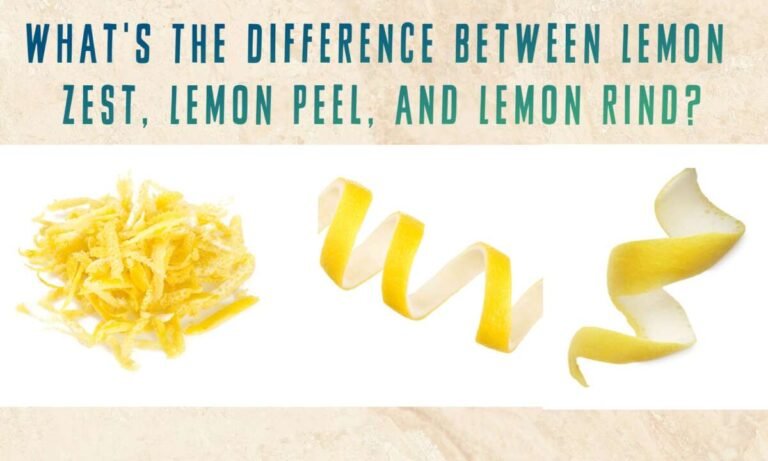
Is lemon zest the same as lemon peel?
Lemon zest refers mainly to the thin colored outer layer. Lemon peel can mean the entire skin, including the bitter white pith, so the terms are not always identical.
Can I use peeled lemon strips in baking?
Yes, but chop the strips into very small pieces before adding them to cake, cookies, or muffins. Fine pieces distribute the citrus flavor better and create a smoother texture.
How do I zest a lemon without a zester?
You can zest a lemon with a vegetable peeler, paring knife, or fine box grater. A peeler and knife work well together: remove thin strips first, then mince them.
Should I wash a lemon before zesting it?
Yes, wash and dry the lemon before removing the zest. This helps remove dirt and surface residue from the skin before it touches your hands, tools, or food.
Can lemon zest be frozen?
Yes, lemon zest freezes well in an airtight container or freezer bag. Freeze it in small portions so you can remove only what you need.
Why does my lemon zest taste bitter?
The zest probably contains too much white pith. Use lighter pressure with the peeler and remove any thick white pieces with a knife.
Conclusion
You can zest a lemon with a peeler, and the method works especially well for strips, garnishes, infused liquids, and sauces. For baking, simply mince the strips after peeling so they blend into the recipe.
Wash and dry the lemon, use light pressure, and stop before reaching the white pith. With these simple steps, a basic vegetable peeler becomes a reliable citrus tool. Try it with your next lemon recipe, and share your favorite zesting tip in the comments.

Liora Pennings is a seasoned chef and kitchen enthusiast with a passion for turning everyday cooking into an effortless experience. With years of hands-on culinary expertise, she specializes in practical techniques, ingredient know-how, and smart kitchen solutions that help home cooks elevate their meals. At KitchFlair.com, Liora shares her best tips, time-saving tricks, and honest product reviews to guide readers toward a more efficient, enjoyable, and inspired cooking routine. Whether you’re a beginner or a seasoned home chef, Liora’s friendly, knowledge-packed insights make every visit to the kitchen a little easier—and a lot more delicious.