Do You Have To Peel Fresh Ginger Before Grating: Yes Or No
No, you do not have to peel fresh ginger before grating it if you wash it well first.
The choice depends on the ginger’s age, texture, and how you plan to use it. In my kitchen tests, unpeeled ginger works well in many recipes, while peeling gives smoother results when the skin feels dry, thick, or rough. This guide explains exactly when to peel fresh ginger before grating, how to clean it, and how to get the most flavor from every piece.

Do you have to peel fresh ginger before grating?
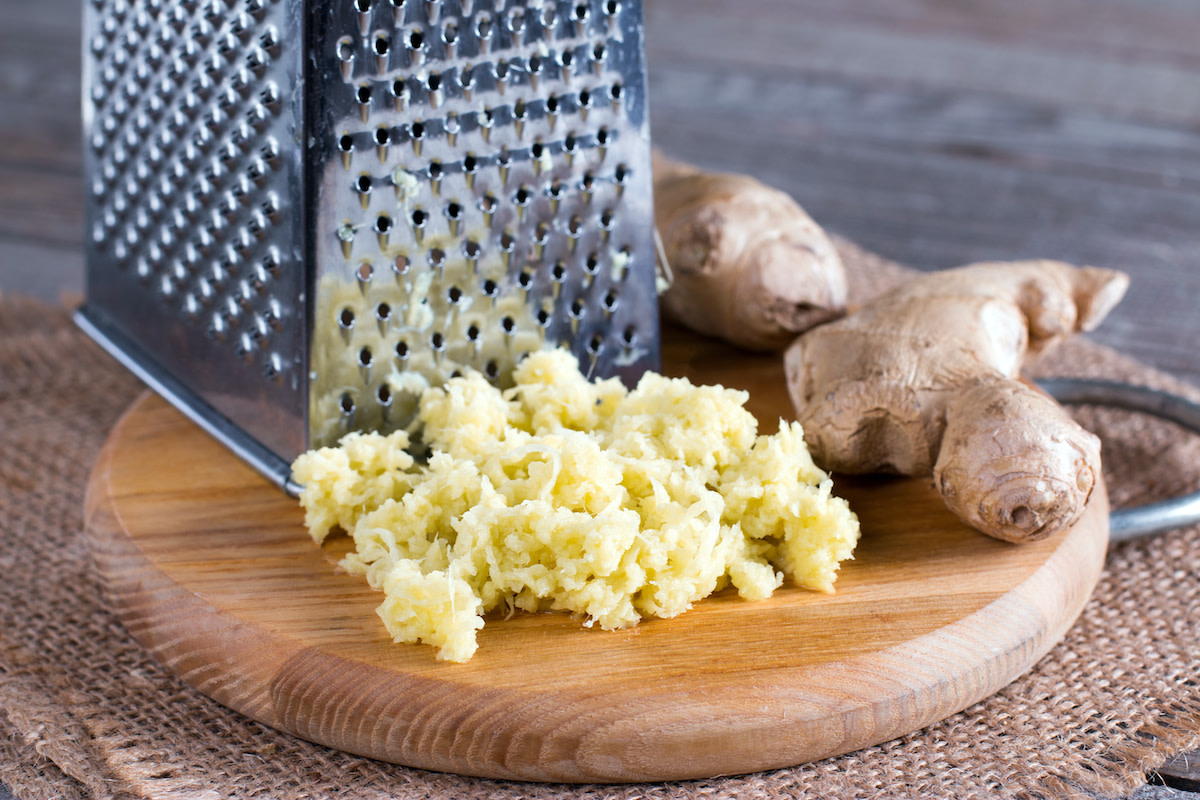
No, peeling fresh ginger before grating is optional. Ginger skin is not toxic, and a clean piece of ginger can go straight onto a fine grater. The skin is thin, especially on young ginger, so it often breaks into tiny pieces that blend into sauces, dressings, tea, and stir-fries.
The main issue is texture. Older ginger may have tough, papery skin and stringy flesh. In that case, peeling fresh ginger before grating can create a smoother paste and help remove soil trapped in the skin’s folds.
You should always wash fresh ginger under cool running water before grating it. Scrub it with your fingers or a clean vegetable brush, then dry it with a towel. Washing matters more than peeling because ginger grows in soil and may carry dirt on its surface.
A simple rule works well:
• Leave the skin on when the ginger looks smooth, thin-skinned, and clean.
• Peel it when the skin is thick, wrinkled, dry, or marked with soil.
• Peel it for dishes where a silky texture matters.
• Leave it unpeeled when you want speed and the ginger will be strained later.
When should you peel fresh ginger?
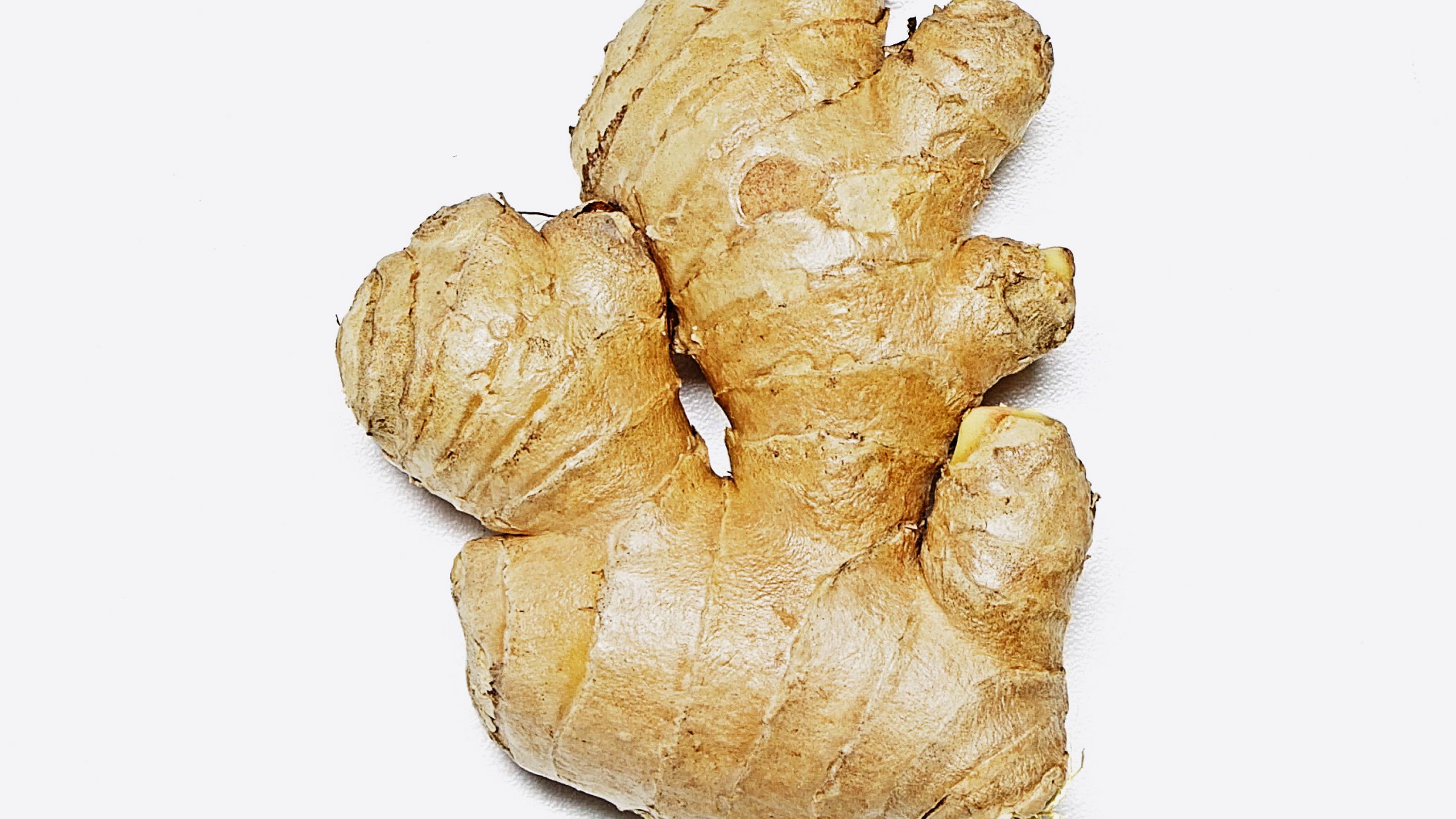
The age of the ginger is the best clue. Young ginger has smooth, pale skin and a tender center. It may not need peeling at all. Mature ginger has beige or tan skin, visible wrinkles, firm fibers, and a sharper bite.
Peeling fresh ginger before grating is useful when the outer layer feels tough under your fingers. A quick scrape with the edge of a teaspoon usually removes only the skin and wastes less flesh than a vegetable peeler.
You may also want to peel ginger for certain recipes:
• Fine ginger paste for curry or soup
• Fresh ginger dressing
• Ginger frosting or baked goods
• Smooth baby food or purees
• Delicate sauces
• Recipes where ginger will not be strained
For tea, stock, syrup, or a simmered sauce, peeling is often unnecessary. The liquid can be strained after cooking, so a little skin will not affect the final texture.
From a food safety view, the skin itself is not a reason to peel. Clean handling is the priority. The United States Department of Agriculture recommends washing fresh produce under running water before preparation, even when the outer layer will later be removed.
How to tell whether ginger skin is edible
Fresh ginger skin is edible when the root is clean and in good condition. It should not have mold, a sour smell, slimy patches, or deep soft spots. Small dry marks are common, but damaged areas should be cut away.
Here are signs that the skin can stay on:
• It is thin and smooth.
• The ginger feels firm.
• There is no visible mold.
• The surface looks clean after washing.
• You will grate the ginger very finely.
Here are signs that you should peel or trim it:
• The skin is thick or papery.
• The root has deep wrinkles.
• The skin has dirt in hard-to-reach creases.
• The ginger feels soft or smells unusual.
• You see mold or decay.
Do not try to rescue moldy ginger by scraping only the visible spot. Mold can spread below the surface, so the safest choice is to discard ginger with significant mold or decay.

How to grate fresh ginger with or without the peel
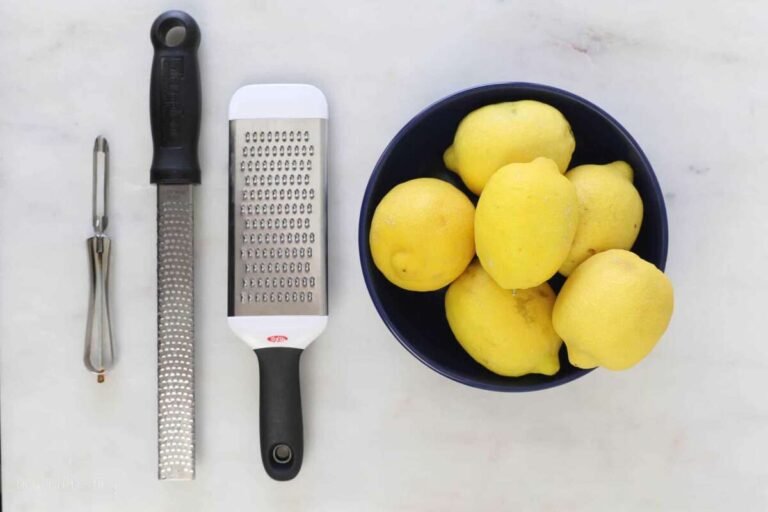
A fine microplane grater is one of the easiest tools for fresh ginger. It turns the root into a soft pulp and separates many of the tough fibers. A box grater works too, but it may leave longer strands.
Follow these steps:
-
Rinse the ginger under cool running water.
-
Scrub away visible dirt with your fingers or a produce brush.
-
Pat the root dry so it does not slip.
-
Decide whether the skin looks thin and clean or thick and rough.
-
Peel fresh ginger with a teaspoon if needed.
-
Hold the grater at a slight angle over a bowl.
-
Rub the ginger across the fine surface using short strokes.
-
Stop when you reach the tough central knob or when the piece becomes too small to hold safely.
-
Use a spoon to scrape the ginger pulp from the back of the grater.
A teaspoon is often better than a knife for peeling fresh ginger. The spoon follows the root’s bumps and removes a thin layer. A peeler can work, but it may take off more flesh, especially around the knobs.
One mistake I often see is grating ginger in long, forceful strokes. This can pull out stringy fibers and make the root harder to control. Short strokes create a finer pulp and reduce the risk of scraping your fingers.

Does the peel change ginger’s flavor?
The peel has a mild, earthy taste, but the difference is usually small when you grate ginger. Most of the strong flavor comes from the flesh, which contains aromatic compounds such as gingerols and shogaols.
Peeling fresh ginger before grating does not make the ginger dramatically hotter or more flavorful. It mainly changes the texture and appearance. A peeled ginger paste may look cleaner, but an unpeeled piece can taste just as fresh when it is washed and grated finely.
Cooking also changes ginger’s flavor. Freshly grated ginger has a bright, sharp taste. Heat softens that sharpness and brings out warmer notes. Adding ginger early gives a gentler flavor, while adding it near the end keeps more of its fresh bite.
For the best result, focus on these factors:
• Use firm, fresh ginger.
• Grate it just before cooking.
• Match the cut to the dish.
• Add it at the right point in the recipe.
• Remove large fibers if the ginger feels stringy.
Is unpeeled grated ginger better for cooking?
Unpeeled grated ginger can be better when you want speed and do not need a perfectly smooth texture. It works especially well in stir-fries, marinades, soups, curries, and sauces with strong flavors.
For example, you can grate washed, unpeeled ginger into a soy-based marinade with garlic, rice vinegar, and sesame oil. The skin will usually disappear into the mixture. In a broth or tea, you can also use unpeeled slices and strain them later.
Peeled ginger is usually better for:
• Gingerbread and other fine baked goods
• Smooth dipping sauces
• Whipped dressings
• Clear drinks served without straining
• Recipes for young children
• Dishes where visible flecks matter
In my cooking tests, the biggest difference was not flavor but mouthfeel. Unpeeled mature ginger sometimes left tiny bits of skin or fiber. Peeling fresh ginger before grating solved that problem in smooth sauces, but it made little difference in a chunky curry.

Best tools for preparing fresh ginger
The right tool can make peeling and grating much easier. A fine microplane is ideal for a soft ginger paste. Its sharp surface also helps break through fibers.
Useful tools include:
• Teaspoon: Best for scraping thin skin from knobby ginger.
• Microplane grater: Best for fine pulp, sauces, tea, and marinades.
• Fine box grater: Useful when you do not have a microplane.
• Chef’s knife: Good for peeling large pieces or cutting slices.
• Vegetable peeler: Fast on smooth ginger, but it may waste more flesh.
• Small spoon: Helpful for scraping ginger from a grater.
Keep your fingers safe by leaving a small piece of ginger to hold. Do not chase the last thin sliver across the grater. Mince that final piece with a knife instead.
You can also freeze ginger for easier grating. A firm frozen root grates quickly and produces a fine texture. Wash and dry it first, then place it in an airtight freezer bag. You can grate it while frozen without thawing the whole piece.

How to store ginger after peeling or grating
Whole ginger lasts longer than peeled or grated ginger because its outer layer helps protect the flesh. Store unpeeled ginger in the refrigerator, ideally in a breathable paper bag or a container that limits excess moisture.
Peeled ginger should be kept in an airtight container in the refrigerator and used within a few days. Grated ginger can lose its fresh aroma quickly, so grate only what you need when possible.
For longer storage, freeze ginger in one of these forms:
• Whole root: Grate it directly from frozen.
• Peeled chunks: Freeze in a sealed bag.
• Grated portions: Freeze small spoonfuls on parchment, then transfer them to a container.
• Ginger paste: Mix with a small amount of neutral oil and freeze in measured portions.
Do not leave fresh grated ginger at room temperature for long periods. Moist foods can support bacterial growth, especially when handled with a used spoon or contaminated surface. Keep it chilled and use clean tools.
Common mistakes when grating ginger
Even simple ginger preparation can become messy or wasteful. Avoiding a few common mistakes will give you better flavor and a cleaner work area.
• Skipping the wash: Even if you plan to peel fresh ginger before grating, rinse it first.
• Using a dull grater: A dull tool tears the ginger and pulls out more fibers.
• Peeling too deeply: A spoon removes less flesh than a knife or thick peeler.
• Grating too far: Stop before your fingers reach the grater.
• Grating too early: Ginger loses some aroma after it is cut and exposed to air.
• Ignoring the fibers: Remove long strands if the final dish needs a smooth texture.
• Storing it while wet: Extra moisture can speed spoilage.
One practical lesson is to prepare ginger over a small bowl rather than directly over a hot pan. Steam can make the ginger stick to the tool, and a bowl gives you time to measure the amount before adding it to the recipe.
Can you substitute peeled and unpeeled ginger?
Yes. In most recipes, peeled and unpeeled ginger can replace each other in equal amounts. The main difference is texture, not strength.
If you replace peeled grated ginger with unpeeled ginger, wash it well and grate it finely. If you replace unpeeled ginger with peeled ginger, use the same measurement unless the recipe calls for large slices or chunks.
Powdered ginger is not a perfect substitute for fresh ginger. Ground ginger has a warmer, drier flavor and lacks the fresh juice of the root. As a general guide, 1 tablespoon of fresh grated ginger equals about 1/8 teaspoon of ground ginger, though the exact amount depends on the recipe and personal taste.
For drinks and sauces, fresh ginger gives the most lively flavor. For baked goods, ground ginger may blend more evenly.
Frequently Asked Questions About Whether You Have to Peel Fresh Ginger Before Grating
Do you have to peel fresh ginger before grating?
No, you do not have to peel fresh ginger before grating. Wash it well and leave the skin on if it is thin, smooth, and clean.
Is ginger skin safe to eat?
Yes, clean ginger skin is generally safe to eat. Remove the skin if it is thick, dirty, damaged, moldy, or unpleasant in texture.
What is the easiest way to peel ginger?
A teaspoon is usually the easiest tool for peeling ginger. Scrape the edge of the spoon over the root to remove the thin skin while preserving the flesh.
Should you peel ginger for tea?
You do not need to peel ginger for tea if you wash it first. Use unpeeled slices when you plan to strain the tea, or peel it for a cleaner drink.
Can you grate frozen ginger with the skin on?
Yes, you can grate frozen ginger with the skin on after washing and drying it. Freezing makes the root firm and easy to grate, but peel it first if the skin is thick or rough.
Does peeling ginger reduce its health benefits?
Peeling removes a small amount of the outer layer, but it does not remove the main flavor compounds found throughout the root. There is no strong reason to keep the skin solely for health benefits.
How long does grated ginger last in the refrigerator?
Fresh grated ginger is best used within a few days when stored in a clean, airtight container in the refrigerator. Freeze extra portions if you will not use them soon.
Conclusion
You do not have to peel fresh ginger before grating it. Wash it well, check the skin, and leave it on when the root is young, smooth, and clean. Peel fresh ginger before grating when the skin is tough, dirty, damaged, or likely to affect the texture of your dish.
For most everyday cooking, a teaspoon, a fine grater, and a firm piece of ginger are all you need. Try both methods in your next recipe and notice which texture you prefer. Share your favorite ginger-prep tip or explore more practical kitchen guides for easier cooking.

Liora Pennings is a seasoned chef and kitchen enthusiast with a passion for turning everyday cooking into an effortless experience. With years of hands-on culinary expertise, she specializes in practical techniques, ingredient know-how, and smart kitchen solutions that help home cooks elevate their meals. At KitchFlair.com, Liora shares her best tips, time-saving tricks, and honest product reviews to guide readers toward a more efficient, enjoyable, and inspired cooking routine. Whether you’re a beginner or a seasoned home chef, Liora’s friendly, knowledge-packed insights make every visit to the kitchen a little easier—and a lot more delicious.