Are Metal Mixing Bowls Microwave Safe: Safe Kitchen Tips
No, metal mixing bowls are not microwave safe because they can spark and damage appliances.
The short answer is clear, but the full story matters. Metal can reflect microwave energy, create electrical arcs, and damage the oven or nearby food. Still, bowl shape, metal type, sharp edges, and the manufacturer’s instructions all affect the risk. This guide explains why metal mixing bowls and microwaves do not mix, what can happen, and which containers are safer.
Are metal mixing bowls microwave safe?
In most cases, metal mixing bowls are not microwave safe. Stainless steel, aluminum, copper, and other metals reflect microwave energy instead of allowing the food to absorb it evenly.
This reflection can lead to arcing. Arcing is the bright spark or flash you may see when electrical energy jumps between metal points. It can damage the microwave’s interior, start a fire, or ruin the bowl.
A metal bowl may seem harmless when it sits in the microwave for only a few seconds. However, even a short heating time can cause trouble. The safest rule is simple: do not microwave metal mixing bowls unless the bowl and microwave instructions clearly say that you can.

Why metal is dangerous in a microwave
A microwave oven heats food by producing electromagnetic waves. These waves make water molecules move, which creates heat. Metal behaves in a different way because it reflects much of this energy.
A smooth, solid metal surface may not always spark right away. The greater danger comes from points, edges, dents, and thin areas. These spots can concentrate electrical energy and cause an arc.
Common risk factors include:
• Sharp rims or corners that focus electrical energy
• Crumpled or dented metal surfaces
• Metal handles, wires, or decorative trim
• A bowl touching the microwave wall
• Small gaps between the bowl and the food
• Very thin foil or metal sheets
The microwave cavity is designed to contain energy in a controlled way. A metal bowl can change how that energy moves. Think of it as placing a small mirror inside a room full of bouncing light. The energy may move in unexpected patterns.
What can happen when you microwave a metal bowl?
The outcome depends on the bowl, the microwave, the food, and the heating time. Some people see only a brief flash. Others may notice smoke, a burning smell, or damage to the appliance.
Possible problems include:
• Sparks or flashes inside the oven
• Scorch marks on the bowl or microwave wall
• Damage to the microwave’s waveguide cover
• A blown fuse or failed microwave component
• Fire, especially when food or grease is nearby
• Unevenly heated food
• A hot bowl that can cause burns
Sparking does not always mean the microwave will fail at once. Damage can build over time. A small arc may leave a mark that later affects the microwave’s performance.
If a metal bowl sparks, stop the microwave immediately. Keep the door closed for a moment if there is a flame, then unplug the unit when it is safe. Do not touch the bowl until it has cooled.

Do stainless steel mixing bowls work in microwaves?
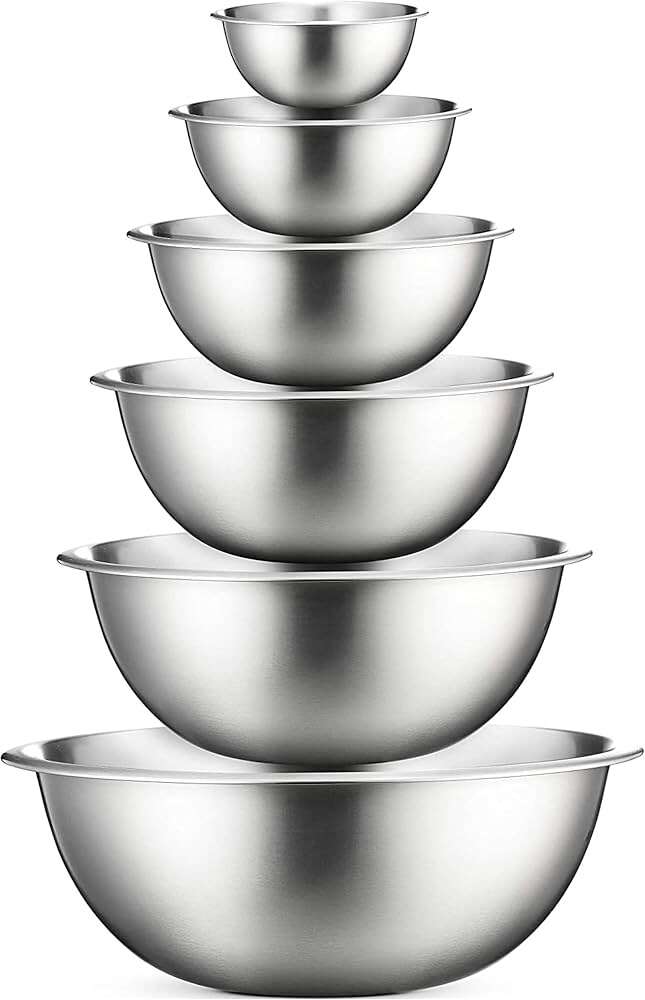
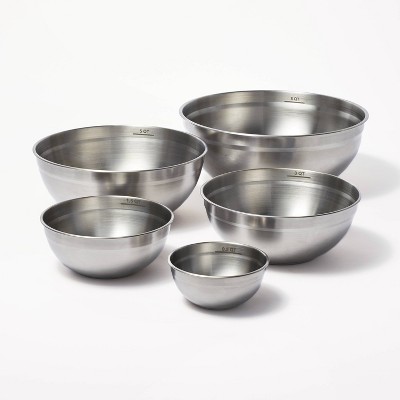
Stainless steel mixing bowls are usually not microwave safe. Stainless steel is still metal, even though it is strong, rust resistant, and common in kitchens.
Many stainless steel bowls have rounded sides. That shape may reduce the chance of sparks compared with a sharp, crumpled piece of foil. It does not make the bowl safe for normal microwave use.
Some specialty products may carry a clear microwave-safe label. These products may use a special design or include a microwave-compatible metal feature. Even then, follow the exact instructions for heating time, power level, and placement.
Do not assume that a shiny bowl is safe just because it looks smooth. Always check:
• The label on the bowl
• The printed instructions
• The manufacturer’s website or product guide
• The microwave owner’s manual
If no clear guidance exists, treat the stainless steel bowl as unsafe for microwave use.
Can aluminum mixing bowls go in the microwave?
Aluminum mixing bowls should not go in the microwave unless the manufacturer specifically approves them. Aluminum reflects microwave energy and can spark, especially when the bowl has thin walls, sharp edges, or dents.
Aluminum foil creates a similar concern. A small, smooth piece may sometimes be allowed under strict microwave instructions, but a bowl is much larger and harder to position safely. Foil can also fold, crease, or touch the oven wall.
Never use an aluminum bowl to heat:
• Soup
• Leftovers
• Sauces
• Butter
• Baby food
• Frozen meals
Transfer the food to a microwave-safe glass or ceramic dish instead. This takes a few seconds and removes much of the risk.
Are metal bowls safe for convection microwaves?
A convection microwave has both microwave and oven functions. The answer depends on which function you use and what the manufacturer allows.
Metal cookware may be safe during convection-only cooking because that mode works more like a standard oven. In convection mode, hot air circulates around the food. Microwave energy is not active.
However, metal may still be unsafe when the microwave function is on. Some combination cooking programs use both microwave energy and convection heat. In that setting, ordinary metal mixing bowls can spark or interfere with heating.
Before using a metal bowl in a convection microwave:
-
Check the appliance manual.
-
Confirm whether the selected setting uses microwave energy.
-
Check the bowl manufacturer’s instructions.
-
Keep the bowl away from heating elements unless it is rated for oven use.
-
Use a glass or ceramic dish when the instructions are unclear.
A convection microwave is not automatically safe for every type of metal cookware. The cooking mode matters.
Safer alternatives to metal mixing bowls
Glass, ceramic, and many microwave-safe plastics are better choices for reheating food. Each material has benefits and limits.
Glass bowls
Heat-resistant glass is a popular option. It does not reflect microwave energy like metal, and it lets you see the food as it warms.
Choose glass marked microwave safe. Avoid using glass with cracks, chips, or sudden temperature changes. A cold glass bowl filled with hot food may break if it is not designed for thermal stress.
Ceramic bowls
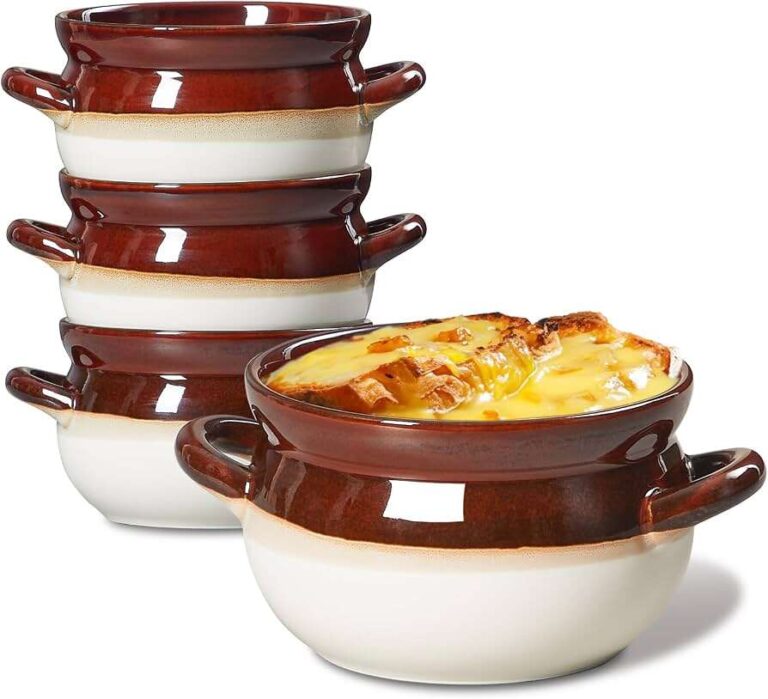
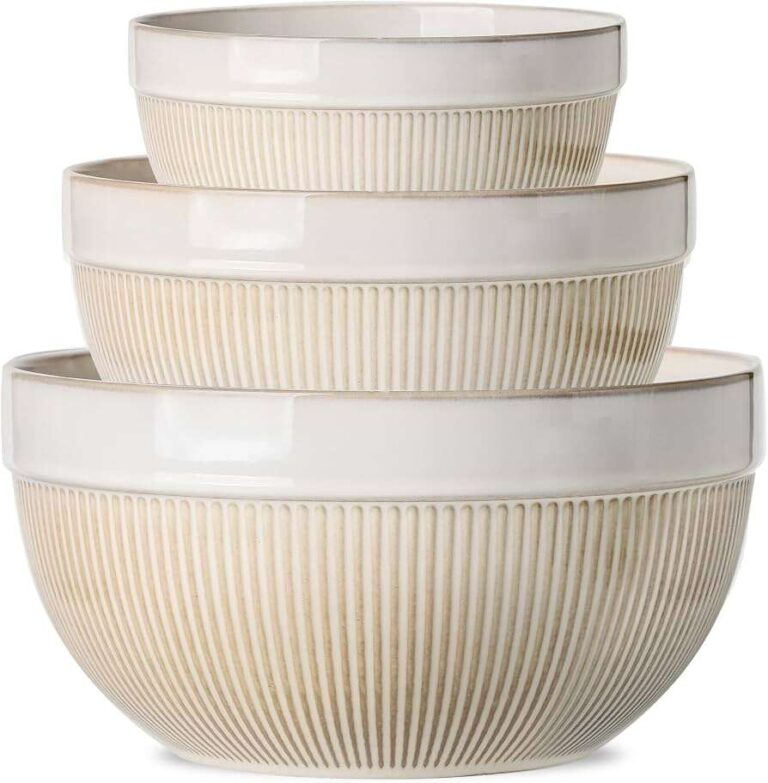
Plain ceramic bowls are often microwave safe. Check for metallic paint, gold rims, silver trim, or hidden metal details. Decorative metal can spark even when most of the bowl is ceramic.
Microwave-safe plastic
Microwave-safe plastic works well for short reheating tasks. Use products labeled for microwave use, and avoid old, cracked, stained, or disposable containers that are not rated for heat.
Some plastics can soften, warp, or release odors. Do not use foam takeout boxes or single-use food containers unless the packaging clearly approves microwave heating.
Silicone bowls
Food-grade silicone is often microwave safe. It is flexible and resists many cooking temperatures. Read the care label, especially if the bowl has a metal insert or reinforced rim.
:max_bytes(150000):strip_icc()/sea-mixing-bowls-lead-image-ashlee-redger-01-cb95c9b8fbf64609bb8be0e9e37ea1ed.jpeg)
How to reheat food safely after using a metal bowl
If your food is currently in a metal mixing bowl, moving it to a safer container is the best step. Do not place the entire bowl in the microwave just to save a dish.
Follow these steps:
-
Transfer the food to a microwave-safe glass, ceramic, or labeled plastic bowl.
-
Spread thick food into an even layer.
-
Cover the bowl with a vented lid or a loose microwave-safe cover.
-
Heat in short intervals, such as 30 to 60 seconds.
-
Stir between intervals to reduce cold spots.
-
Let the food stand briefly before eating.
-
Check that the center is hot, not only the edges.
A cover helps hold in moisture and limits splatter. It should not form an airtight seal because steam needs a way to escape.
When heating meat, poultry, eggs, or leftovers, use a food thermometer when possible. Reheated food should reach a safe internal temperature, and leftovers should be cooled and stored promptly.
Can you use a metal mixing bowl to mix food before microwaving?
Yes. A metal mixing bowl is usually fine for mixing, tossing, and storing food before microwave heating. The problem begins when the bowl enters the microwave.
For example, you can mix pancake batter, salad dressing, cookie dough, or pasta salad in a stainless steel bowl. Then move the food to a microwave-safe container before heating it.
This simple two-bowl method prevents many common mistakes. It also protects the metal bowl from heat damage and makes it easier to stir food evenly.
One practical lesson is worth remembering: a bowl can be safe for the oven, refrigerator, freezer, and dishwasher but unsafe for the microwave. Each appliance creates different heat and energy conditions.
What to do if a metal bowl sparks
If a metal mixing bowl sparks, stay calm and act quickly. Press the stop button or open the microwave door to stop the energy.
Then follow these steps:
• Stop the microwave immediately.
• Keep the door closed if you see flames.
• Unplug the microwave after the situation is safe.
• Let the bowl and food cool before touching them.
• Check the oven walls for burn marks or damaged parts.
• Do not use the microwave if its interior has severe damage.
A small scorch mark does not always mean the appliance is beyond repair. However, a damaged waveguide cover, burned interior, smoke, or repeated sparking needs professional attention.
Never pour water into a microwave fire. Water can spread burning grease and may create another hazard.
Common mistakes to avoid
Many microwave accidents come from simple assumptions. Avoid these errors when deciding whether metal mixing bowls are microwave safe.
• Assuming stainless steel is safer than other metals
• Using a bowl because it has a rounded shape
• Ignoring a metal rim or decorative trim
• Placing a bowl against the microwave wall
• Using a metal bowl during combination cooking
• Heating an empty metal bowl
• Trusting an online comment instead of the product instructions
• Continuing to run the microwave after sparks appear
The safest habit is to transfer food before heating it. This small step is easier than replacing a microwave or cleaning up a kitchen fire.

Frequently Asked Questions About Are Metal Mixing Bowls Microwave Safe
Are stainless steel mixing bowls microwave safe?
Most stainless steel mixing bowls are not microwave safe. Their metal surface can reflect microwave energy and cause sparks, uneven heating, or appliance damage.
Can a metal bowl catch fire in the microwave?
A metal bowl itself may not burn easily, but it can create sparks that ignite food, grease, paper, or other nearby materials. For this reason, ordinary metal bowls should stay out of the microwave.
Can I microwave a metal bowl for a few seconds?
Even a few seconds can create arcing, especially if the bowl has sharp edges, dents, or touches the microwave wall. Use a microwave-safe glass or ceramic bowl instead.
Are metal bowls safe in convection microwave ovens?
They may be safe during convection-only cooking if the appliance and bowl instructions allow it. Do not use ordinary metal bowls when the microwave function or a combination setting is active unless the manufacturer specifically approves them.
What is the safest bowl for microwave use?
A bowl labeled microwave safe and made from heat-resistant glass, plain ceramic, or approved plastic is usually a good choice. Check for cracks, metallic decoration, and temperature limits before use.
What should I do if my microwave sparks?
Stop the microwave at once and keep the door closed if there is a flame. After the appliance cools, inspect it for damage and do not use it again until a qualified technician confirms that it is safe.
Conclusion
Are metal mixing bowls microwave safe? In normal kitchen use, no. Stainless steel, aluminum, copper, and other metal bowls can reflect microwave energy, spark, heat unevenly, and damage the appliance.
Use metal bowls for mixing and preparation, then move the food to a labeled microwave-safe glass, ceramic, silicone, or plastic container. When instructions are unclear, choose the safer option and keep metal out of the microwave.
Check your bowl and microwave manuals before trying any unusual cookware. If this guide helped, share it with another home cook or explore more practical kitchen safety tips before your next meal.

Liora Pennings is a seasoned chef and kitchen enthusiast with a passion for turning everyday cooking into an effortless experience. With years of hands-on culinary expertise, she specializes in practical techniques, ingredient know-how, and smart kitchen solutions that help home cooks elevate their meals. At KitchFlair.com, Liora shares her best tips, time-saving tricks, and honest product reviews to guide readers toward a more efficient, enjoyable, and inspired cooking routine. Whether you’re a beginner or a seasoned home chef, Liora’s friendly, knowledge-packed insights make every visit to the kitchen a little easier—and a lot more delicious.