What Is A Shallow Bowl: Uses, Sizes & Tips
A shallow bowl is a wide, low-sided dish designed to hold food in a thin, easy-to-reach layer.
The meaning of a shallow bowl seems simple, but its shape affects serving, cooking, presentation, and even how quickly food cools. After using many bowl styles for soups, salads, pasta, desserts, and shared meals, I have found that depth matters as much as diameter. This guide explains what a shallow bowl is, how it differs from a plate or deep bowl, and how to choose the right one for your table.
What Is a Shallow Bowl?
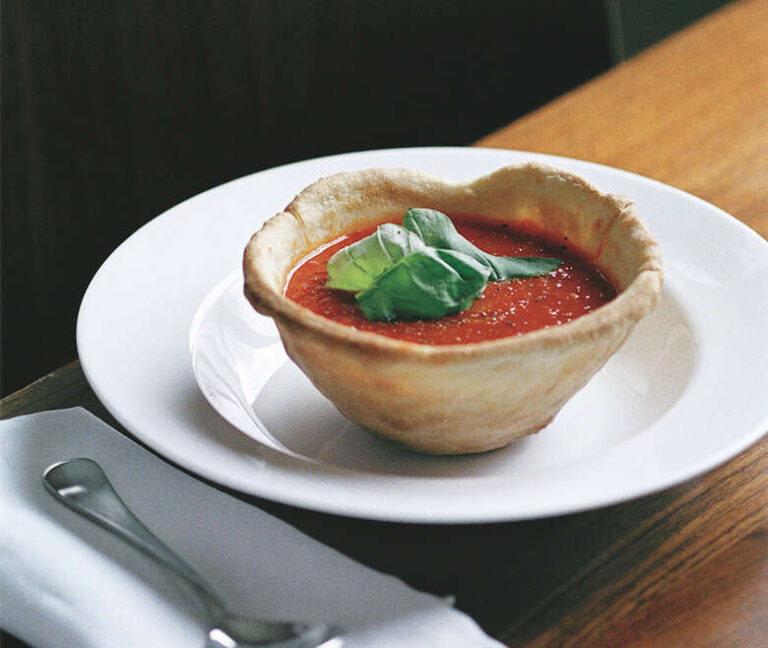
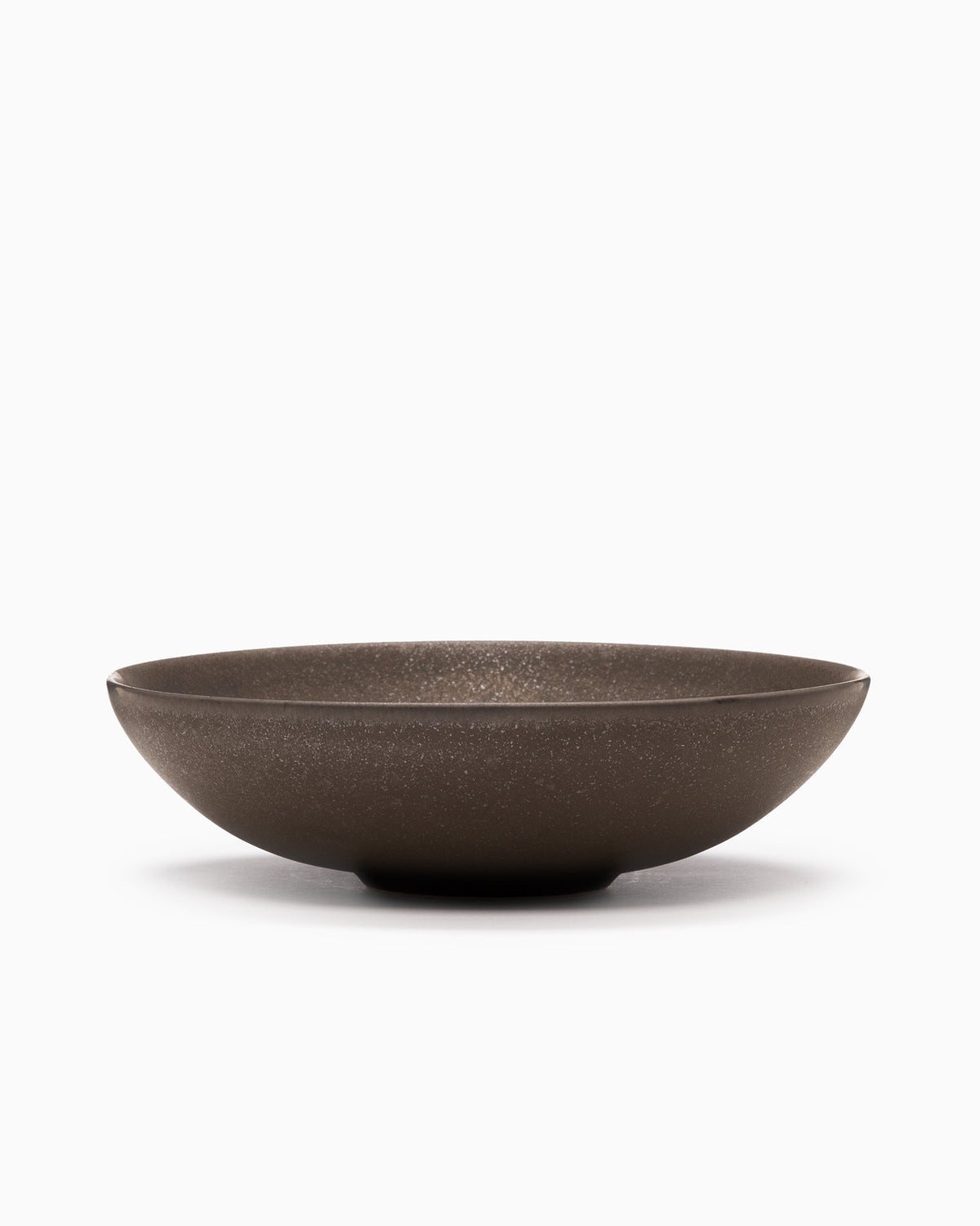
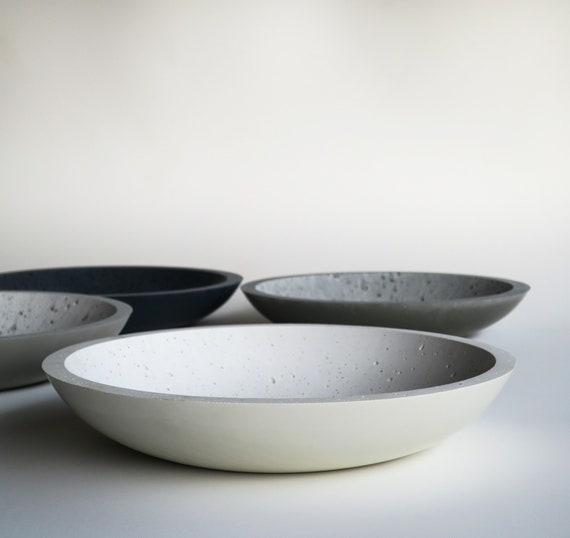
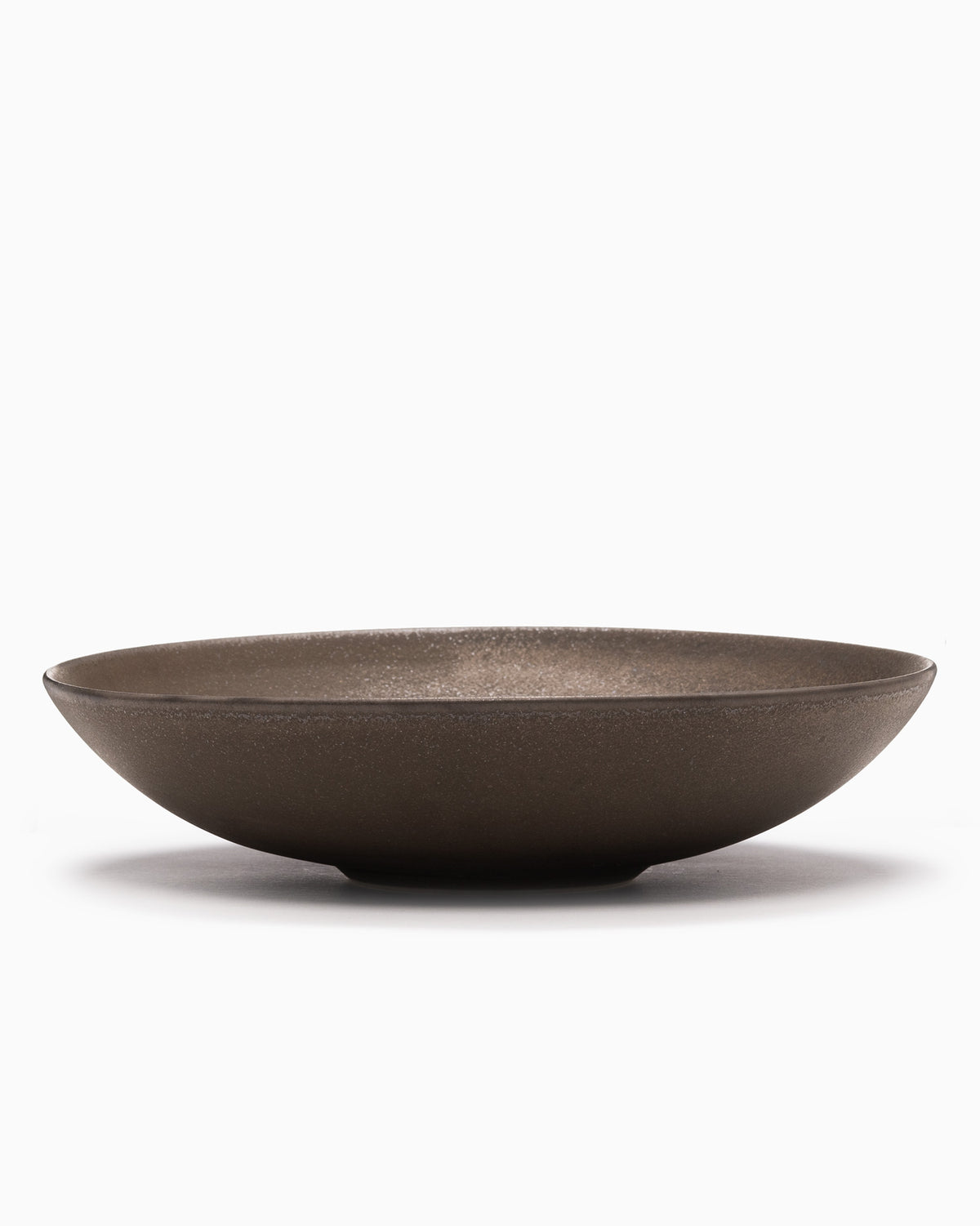
A shallow bowl is a dish with a broad, open surface and low, sloping sides. It is deeper than a plate but not as deep as a standard soup bowl or serving bowl. The center usually has a gentle dip that helps contain food while keeping it easy to see and reach.
Most shallow bowls have a depth of about 1 to 2.5 inches, though sizes vary by maker and purpose. Their wide shape gives food more surface area, making them useful for meals that need room to spread out.
A shallow bowl may also be called:
• A pasta bowl
• A low bowl
• A coupe bowl
• A wide-rim bowl
• A flat bowl
• A plate bowl
• A risotto bowl
These names are not always exact. For example, a coupe bowl may have deeper sides than a plate, while a pasta bowl often has a wide rim and a deep center.
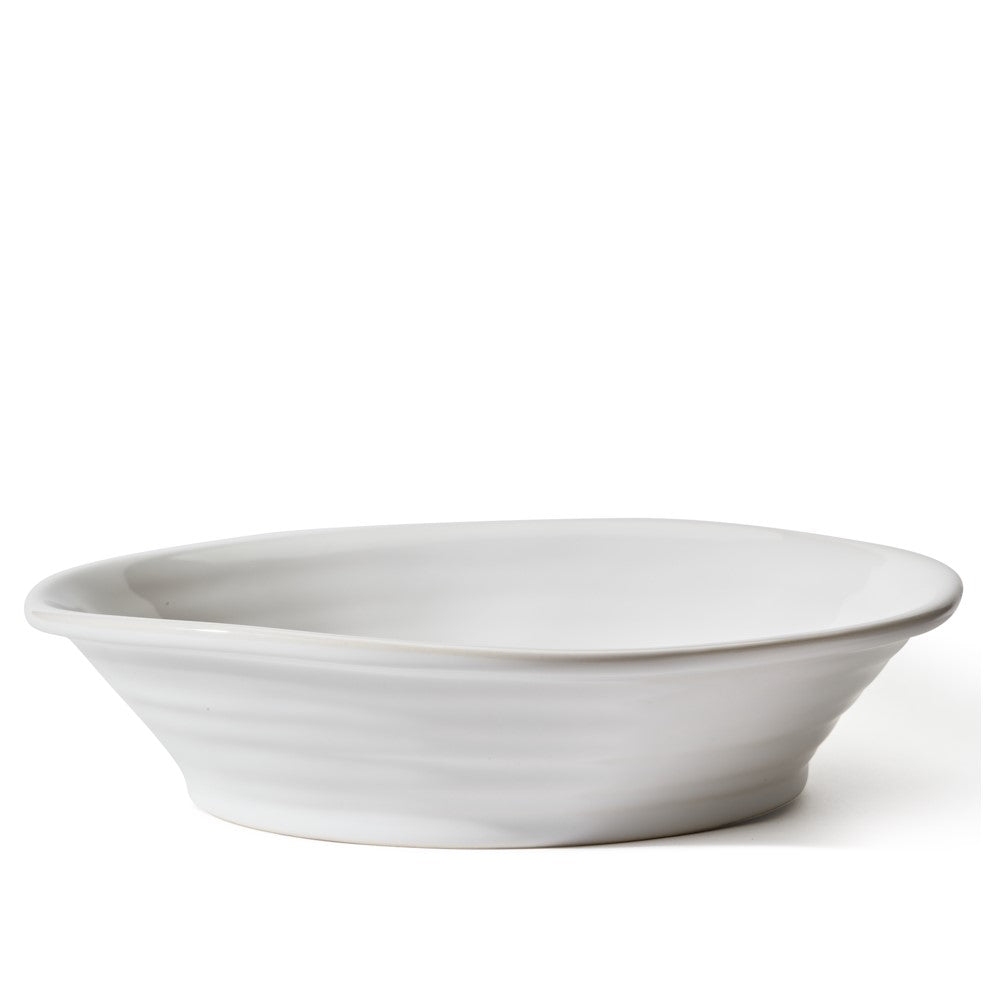
In simple terms, a shallow bowl sits between a flat plate and a deep bowl. Think of it as a plate with a raised edge. It offers the stability of a bowl without hiding the food.
Shallow Bowl vs. Plate
The main difference between a shallow bowl and a plate is the height of the sides. A plate is mostly flat, while a shallow bowl has a noticeable well or curved center.
This small design change affects how you use each dish:
• A plate works well for dry foods, sandwiches, toast, and foods that stay in place.
• A shallow bowl works well for foods with sauce, dressing, broth, or loose grains.
• A plate gives food more horizontal space.
• A shallow bowl helps prevent liquid and small ingredients from running off the edge.
A shallow bowl is often better for pasta because the sauce stays near the noodles. It can also make a meal look more generous because the food sits in a centered area rather than spreading across a large plate.
However, a shallow bowl is not always the best choice. A very thin soup, cereal with lots of milk, or a large serving of stew may spill over its low sides. In those cases, a deeper bowl is safer and more practical.
Shallow Bowl vs. Deep Bowl
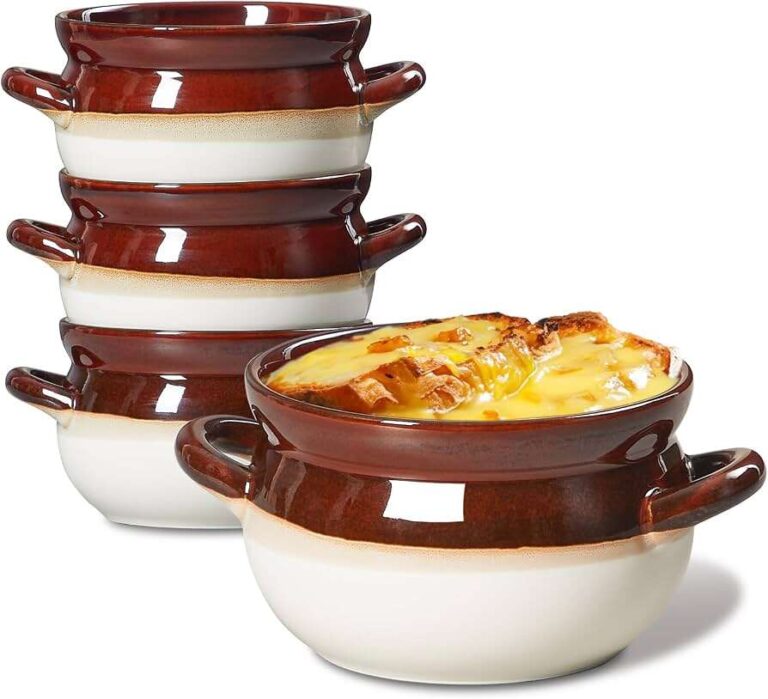
A deep bowl has taller sides and a narrower opening. It is built to hold more liquid and taller portions. A shallow bowl has lower sides and a wider opening, so it favors visibility and easy access.
Here is a simple comparison:
| Feature | Shallow bowl | Deep bowl |
|---|---|---|
| Side height | Low | High |
| Opening | Wide | Narrower |
| Best for | Pasta, salads, grains, desserts | Soup, cereal, stew |
| Food visibility | High | Moderate |
| Spill protection | Moderate | High |
| Cooling speed | Usually faster | Usually slower |
| Portion appearance | Broad and spread out | Tall and concentrated |
A shallow bowl is like a small stage for food. A deep bowl is more like a container. Neither shape is better for every meal, but each one serves a different purpose.
When I plan a meal with sauce but not much liquid, I usually reach for a shallow bowl. It gives enough protection without making the dish feel crowded.
Common Types of Shallow Bowls
Not every shallow bowl looks or works the same way. Shape, material, and size can change its purpose.
Pasta Bowls
Pasta bowls are wide and gently curved. They usually have a deeper center than a dinner plate but lower sides than a soup bowl. This shape holds noodles, sauce, vegetables, and toppings without making the serving look cramped.
Salad Bowls
A shallow salad bowl gives leafy greens plenty of room. The open shape makes it easier to toss ingredients and spread dressing evenly. It also lets diners see colorful ingredients such as tomatoes, cucumbers, beans, and cheese.
Grain Bowls
Rice bowls, quinoa bowls, and buddha bowls often use a shallow or medium-depth design. The wide surface leaves room for separate toppings and sauces. This makes the meal look organized and attractive.
Dessert Bowls
A dessert shallow bowl works well for ice cream, fruit, pudding, yogurt, and crumbles. It provides a neat border while keeping the dessert visible. Wide dessert bowls are especially useful for layered treats.
Appetizer Bowls
Small shallow bowls can hold olives, nuts, dips, roasted vegetables, or bite-sized snacks. They are easy to pass around and look polished on a buffet table.
Serving Bowls
Large shallow bowls are useful for family-style pasta, roasted vegetables, salads, and side dishes. Their wide opening helps guests serve food without reaching too far into the dish.
What Is a Shallow Bowl Used For?
A shallow bowl is useful for foods that need a little containment but still benefit from a wide surface. It is one of the most flexible pieces of tableware in a kitchen.
Common uses include:
• Pasta with tomato, cream, or cheese sauce
• Risotto and other thick rice dishes
• Salads with dressing
• Grain bowls
• Stir-fried vegetables
• Roasted vegetables
• Fruit and yogurt
• Ice cream and other desserts
• Dips and spreads
• Appetizers and snacks
• Side dishes
• Breakfast bowls with small amounts of milk
The shape also supports attractive plating. Chefs often use wide, shallow dishes because they can arrange food with space around each ingredient. This helps show color, texture, and contrast.
A shallow bowl can also make portion control easier. Its broad base encourages you to spread food across the dish instead of piling it high. Still, the visual size can be misleading. A wide bowl may hold more food than it appears to hold, so check its capacity when managing portions.
Benefits of Using a Shallow Bowl
A shallow bowl offers several practical and visual benefits.
Easy Access
Low sides make it easy to reach food with a fork or spoon. This is helpful for pasta, salads, and meals with small ingredients.
Better Food Presentation
The wide surface gives food room to breathe. Sauces, herbs, vegetables, and toppings remain visible rather than hidden under a tall pile.
Convenient Serving
A shallow bowl is easier to pass and serve from than a very deep bowl. The open shape also makes it easier to see how much food remains.
Flexible Everyday Use
One shallow bowl can replace several dishes. It may work for breakfast, lunch, dinner, snacks, and dessert.
Good for Layered Meals
Foods such as rice bowls and yogurt parfaits look neat when arranged in layers. The low sides let each part remain visible.
Faster Cooling
Because food spreads across a wider surface, it often cools faster than food in a deep bowl. This can help with hot meals, but it may be a disadvantage if you prefer food to stay warm.
The United States Department of Agriculture advises treating hot foods carefully and keeping perishable foods at safe temperatures. A shallow bowl may cool food quickly, but it does not replace safe food handling.

Limitations of a Shallow Bowl
A shallow bowl is useful, but it has clear limits.
• It may spill thin soup or milk more easily.
• It can cool hot food faster.
• It may not hold large servings.
• It can take up more space in a dishwasher or cabinet.
• Wide rims may reduce the usable serving area.
• Some designs are hard to stack.
The biggest mistake is choosing a shallow bowl based only on appearance. A beautiful bowl may be too low for the food you serve most often.
For example, I once used a very low bowl for a saucy noodle dish. The food looked excellent, but the sauce reached the rim each time I mixed it. A slightly deeper bowl solved the problem without changing the presentation.
Before buying, consider the foods you eat most. If your meals often include broth, milk, or thin sauces, choose a bowl with a deeper center and gently raised sides.
How to Choose the Right Shallow Bowl
Choosing the right shallow bowl depends on size, depth, material, and care needs.
Consider the Capacity
A small shallow bowl may hold 8 to 16 ounces. A medium bowl may hold 16 to 24 ounces. Large bowls can hold 24 ounces or more.
Capacity is often measured to the rim, so the practical amount is lower. You should leave space for mixing and carrying.
Check the Depth
For everyday meals, a depth between 1.5 and 2.5 inches offers a useful balance. A bowl under 1 inch may act more like a plate. A bowl over 3 inches may function more like a standard bowl.
Look at the Rim
A wide rim can make food look elegant, but it reduces the space available for food. A narrow rim offers more capacity but may provide less room for a clean presentation.
Choose a Suitable Material
Common materials include:
• Ceramic: Durable, attractive, and good for everyday meals
• Porcelain: Lightweight, smooth, and often resistant to stains
• Stoneware: Heavy, sturdy, and good at holding heat
• Glass: Easy to inspect and often dishwasher-safe
• Melamine: Light and resistant to breaking, but often not suitable for microwave use
• Stainless steel: Strong and practical, though less common for formal dining
Always follow the maker’s instructions for microwave, oven, freezer, and dishwasher use. Some handmade glazes may have special care rules.
Test the Grip
A bowl should feel stable when you lift it with one hand. Check whether the base sits flat and whether the rim feels comfortable near your mouth.
Match Your Storage Space
Wide dishes can be awkward in small cabinets. Measure your shelf height and dishwasher rack before buying a full set.
How to Use a Shallow Bowl for Better Plating
A shallow bowl can make simple food look thoughtful. Start by placing the main food slightly off center or in a low mound. Then add color and texture with herbs, vegetables, seeds, cheese, or a small drizzle of sauce.
Keep the rim clean. A messy rim can make a good meal look unfinished. Wipe it with a clean cloth before serving.
Use contrast to guide the eye:
• Dark food looks striking in a light bowl.
• Bright vegetables stand out in neutral dishes.
• Creamy foods look balanced with crisp toppings.
• A small amount of sauce can frame the main ingredient.
Do not fill a shallow bowl to the edge. Leaving a little open space makes the dish easier to carry and gives the food a more refined appearance.
For a casual family meal, you can use the full surface. For a dinner party, leave more room around the food and keep the arrangement simple.
Cleaning and Caring for a Shallow Bowl
Care depends on the bowl’s material and finish. Most modern ceramic, porcelain, and glass bowls are dishwasher-safe, but handmade or decorated pieces may require hand washing.
Follow these simple care tips:
- Check the manufacturer’s care label.
- Avoid sudden temperature changes with ceramic or glass.
- Do not use metal utensils if the surface scratches easily.
- Soak dried food instead of scraping hard.
- Store bowls with soft separators if they have delicate edges.
- Avoid using melamine in the microwave unless the maker specifically allows it.
- Inspect older or damaged pieces for cracks and chips.
The FDA advises using food-contact items that are made for their intended purpose and kept in good condition. A chipped bowl can trap food and may become unsafe or unpleasant to use.
Are Shallow Bowls Good for Portion Control?
A shallow bowl can support portion awareness, but it does not guarantee smaller portions. Its wide surface may make a serving look larger because food spreads out. This can help some people feel satisfied with a moderate amount, but the actual capacity still matters.
For a balanced meal, use the bowl for a mix of vegetables, protein, grains, and a modest amount of sauce. Pay attention to the food itself, not only how full the bowl looks.
A useful approach is to:
• Fill about half the bowl with vegetables or fruit.
• Add a protein source.
• Add a moderate serving of grains or starch.
• Use sauces and toppings with care.
• Leave enough room to mix without spilling.
Nutrition needs differ from person to person. If you need a medically tailored diet, follow advice from a qualified health professional rather than relying on dish size alone.
Frequently Asked Questions About What Is a Shallow Bowl
What is the difference between a shallow bowl and a plate?
A shallow bowl has low, curved sides and a slight center well, while a plate is mostly flat. The shallow bowl is better for foods with sauce, dressing, or loose ingredients.
How deep is a shallow bowl?
Most shallow bowls are about 1 to 2.5 inches deep. The exact depth depends on whether the bowl is designed for pasta, salad, dessert, or serving food.
What foods are best served in a shallow bowl?
Shallow bowls work well for pasta, risotto, salads, grain bowls, desserts, roasted vegetables, and thick sauces. They are less suitable for very thin soup or foods with a lot of milk.
Can you use a shallow bowl for soup?
You can use a shallow bowl for thick soups, chowders, and stews with little liquid. For broth-based soup, a deeper bowl is usually safer because it reduces spills and holds more liquid.
Is a pasta bowl the same as a shallow bowl?
A pasta bowl is a type of shallow bowl, but not every shallow bowl is made for pasta. Pasta bowls usually have a wide opening and a deeper center to hold noodles and sauce.
Do shallow bowls keep food warm?
Usually, food in a shallow bowl cools faster because it spreads across a wider surface. A thick stoneware bowl may slow heat loss, but it will not keep food warm as long as an insulated container.
Are shallow bowls microwave-safe?
Some are microwave-safe, but this depends on the material, glaze, paint, and design. Check the manufacturer’s instructions before heating food in any shallow bowl.
Conclusion
A shallow bowl is a wide, low-sided dish that sits between a plate and a deep bowl. Its open shape makes it ideal for pasta, salads, grain dishes, desserts, appetizers, and foods with moderate sauce. It also improves food presentation and makes ingredients easy to see and reach.
Choose a shallow bowl by checking its depth, capacity, material, rim, and care instructions. When you match the bowl to the food, everyday meals become easier to serve and more enjoyable to eat. Try using one for your next pasta or grain bowl, then explore other tableware shapes to find what works best in your kitchen.

Liora Pennings is a seasoned chef and kitchen enthusiast with a passion for turning everyday cooking into an effortless experience. With years of hands-on culinary expertise, she specializes in practical techniques, ingredient know-how, and smart kitchen solutions that help home cooks elevate their meals. At KitchFlair.com, Liora shares her best tips, time-saving tricks, and honest product reviews to guide readers toward a more efficient, enjoyable, and inspired cooking routine. Whether you’re a beginner or a seasoned home chef, Liora’s friendly, knowledge-packed insights make every visit to the kitchen a little easier—and a lot more delicious.