How It’s Made Vacuum Cleaner: Factory Secrets
A vacuum cleaner is made by molding parts, assembling airflow systems, wiring controls, and testing suction and safety.
Learning how it’s made vacuum cleaner models work reveals a careful mix of plastic engineering, motor design, filtration, electronics, and quality testing. From the first design sketch to the final safety check, each step helps the machine collect dust, move air, and serve safely for years.
How It’s Made: Vacuum Cleaner Design and Planning
Every vacuum cleaner begins with a design brief. Engineers decide the cleaner’s size, power source, cleaning method, filter type, noise level, cost, and target user. A cordless stick vacuum has very different needs from a large upright vacuum or a commercial canister model.
Design teams use computer-aided design software to create the body and internal parts. They also run airflow tests through digital models. This helps them spot sharp turns, narrow air paths, and spaces where dust could collect.
A well-designed vacuum cleaner must balance several goals:
• Strong airflow for lifting dirt
• Low energy use
• Safe heat control
• Easy filter access
• Low noise
• Light weight
• Durable wheels, hoses, and switches
The design stage also considers manufacturing. A part may work well in a digital model but cost too much or prove hard to mold. Good engineers design for both performance and reliable mass production.
In my experience studying household appliances, the best designs are not always the most complex. A simple air path with fewer leaks often performs better than a crowded design filled with extra features.

What Materials Are Used to Make a Vacuum Cleaner?
Most modern vacuum cleaners use a mix of plastics, metals, rubber, foam, fabric, and electronic parts. Each material has a specific job.
The main body is often made from injection-molded engineering plastic. Common choices include polypropylene, ABS plastic, and polycarbonate. These materials are light, strong, and suitable for detailed shapes.
Manufacturers may use:
• ABS plastic for rigid outer covers
• Polypropylene for bins, ducts, and flexible parts
• Polycarbonate for clear dust containers
• Steel or aluminum for motor shafts and structural parts
• Copper for electrical windings
• Rubber or silicone for seals and flexible hoses
• Foam and fabric for filters and noise control
• Lithium-ion cells for cordless battery packs
The motor needs heat-resistant materials. Its copper windings carry electric current, while steel components help create the magnetic field that turns the motor shaft. Small bearings support the shaft and reduce friction.
A vacuum cleaner also needs seals. Even a small gap can let air escape before it reaches the floor head. That loss can reduce suction and make the motor work harder.
Material choice affects recycling, too. A product with many glued parts can be harder to repair or recycle. A product with screws, clips, and marked plastic parts is often easier to take apart.
How the Vacuum Cleaner Motor Is Made
The motor is the heart of most vacuum cleaners. It changes electrical energy into spinning motion. That motion drives an impeller or fan, which creates a pressure difference that moves air through the machine.
The motor manufacturing process usually includes these steps:
-
Thin steel sheets are stamped into stator and rotor shapes.
-
The sheets are stacked to form the magnetic core.
-
Copper wire is wound around the stator.
-
The rotor is fitted with a shaft and other magnetic parts.
-
Bearings are added to support smooth rotation.
-
The fan or impeller is attached to the motor shaft.
-
The motor is balanced and tested at high speed.
The impeller acts like a small air pump. As it spins, its curved blades push air outward. This creates lower pressure near the intake. Air then flows from the floor head through the hose, filter, and dust bin.
A motor that spins faster does not always create better cleaning. If the air path leaks or the filter is blocked, the motor may become loud and hot without cleaning well. This is why airflow design matters as much as motor power.
Many newer cordless models use brushless motors. These motors use electronic controls instead of traditional carbon brushes. They can run efficiently and produce less brush wear, but they need more complex control boards.

How Plastic Vacuum Parts Are Manufactured
Injection molding makes many vacuum cleaner parts. In this process, plastic pellets are heated until they melt. The molten plastic is pushed into a metal mold under pressure.
The mold gives the part its shape. After the plastic cools, the mold opens and ejects the finished component. This method is fast and precise, so it works well for large production runs.
Manufacturers use injection molding for:
• Outer housings
• Dust bins
• Handle sections
• Wheels
• Air ducts
• Filter frames
• Switch covers
• Floor head parts
The mold must include careful details. It may contain ribs for strength, holes for screws, clips for assembly, and smooth surfaces for appearance. Engineers also add cooling channels so the part cools evenly.
Uneven cooling can cause warping. Thin areas may break, while thick areas may shrink or leave marks. Quality teams check molded parts for cracks, sink marks, rough edges, and incorrect dimensions.
Transparent dust bins need extra care. The plastic must be clear enough to show the fill level, yet strong enough to resist drops and repeated washing.

How the Airflow System Is Built
The airflow system is the route air takes through the cleaner. It begins at the floor head or nozzle and ends at the exhaust outlet.
A typical airflow path looks like this:
-
The floor head lifts dirt from the surface.
-
Air carries the dirt through the wand or hose.
-
The dust enters a bag or collection bin.
-
One or more filters capture fine particles.
-
The motor fan pulls air through the system.
-
Cleaned air leaves through the exhaust filter.
Good airflow depends on smooth passages and tight connections. Designers avoid sudden bends because they can create turbulence. They also use rubber seals around the dust bin, hose, filter frame, and motor chamber.
Cyclonic vacuums use spinning air to separate larger particles before they reach the filter. The air moves in a fast circular path. Centrifugal force pushes heavier dust toward the bin wall, while lighter air continues toward the filter.
This system can help maintain airflow as the bin fills, but it does not remove every particle. Fine dust still reaches the filter. Users must clean or replace filters as the product guide recommends.
A practical lesson is simple: never judge a vacuum cleaner by motor wattage alone. A well-sealed machine with a smart airflow path can clean better than a stronger motor with poor design.
How Vacuum Filters Are Made
Filters protect both the motor and the room. They trap dust, hair, pollen, and fine particles that the dust bin does not catch.
Common vacuum filter types include:
• Foam prefilters
• Felt filters
• Pleated paper filters
• Synthetic fiber filters
• High-efficiency particulate air filters
A pleated filter has many folds packed into a small space. These folds create more filtering area without making the machine much larger. The filter material may be treated to resist moisture or improve dust capture.
A high-efficiency filter can remove very small airborne particles under controlled test conditions. However, the final performance depends on the entire vacuum. Leaks around the filter or dust bin can allow air to bypass the filter.
Filter frames are often molded from plastic. The filtering media is cut, folded, sealed, and attached to the frame. Workers or machines check the bond so air cannot pass around the edges.
Many washable filters are made from foam or durable synthetic materials. They still need proper drying before reuse. Installing a damp filter can cause odor, mold growth, or motor damage.

How the Dust Bag or Collection Bin Is Made
Bagged vacuum cleaners use a disposable bag made from paper, synthetic fiber, or a blend of materials. The bag must hold dust without tearing and allow air to pass through its filter media.
A typical bag includes:
• A layered filtering body
• A cardboard or plastic collar
• A sealing flap
• Adhesive or heat-sealed seams
Bagless models use a rigid dust bin. The bin may include a release door, gasket, cyclone chamber, and fill line. Clear plastic helps users see when it needs emptying.
Dust collection design affects hygiene. A sealed bag can reduce contact with dust during disposal. A bagless bin saves on replacement bags but may release a cloud of dust if emptied carelessly.
A useful habit is to empty a bin outdoors when possible. Open the container slowly, keep your face away from the dust, and wash reusable parts only when the instructions allow it.
How Cordless Vacuum Cleaners Are Made
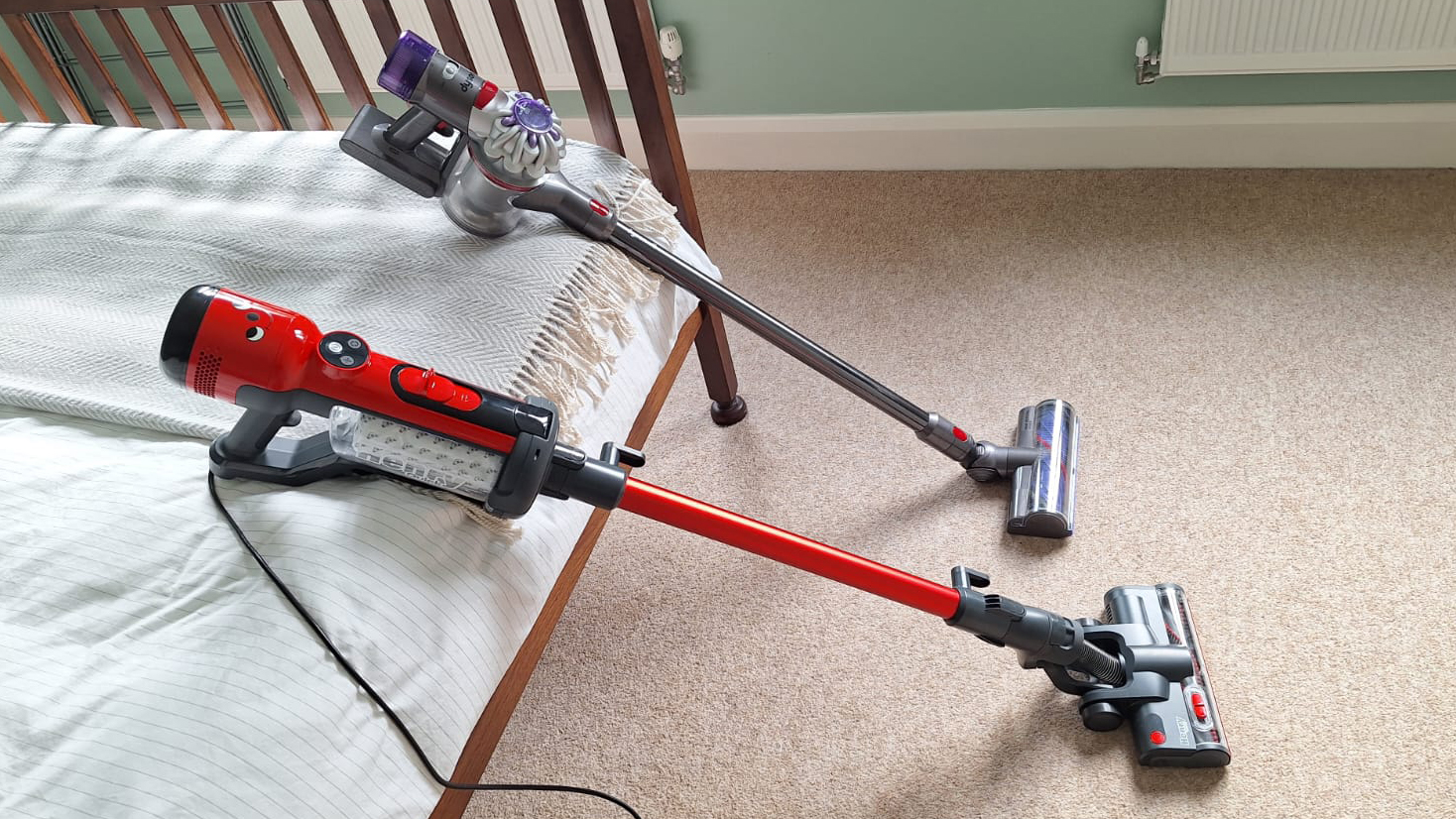
Cordless models add a battery system and electronic controls. These parts make the design more convenient but also more complex.
A cordless vacuum usually contains:
• Lithium-ion battery cells
• A battery management system
• A charging circuit
• A brushless motor controller
• A trigger or power switch
• Temperature sensors
The battery pack is assembled with insulation, electrical connections, a protective case, and monitoring electronics. The battery management system checks voltage, temperature, and charging conditions.
Safety testing is essential. Engineers test for overheating, overcharging, short circuits, drops, vibration, and repeated charge cycles. The exact tests depend on the product category and applicable regulations.
Users should use the approved charger. A damaged charger or replacement battery with the wrong rating can create a serious fire risk. Do not use a swollen, cracked, or unusually hot battery.
Cordless models also face a trade-off. A larger battery can increase run time but adds weight. A smaller battery is easier to carry but may provide less cleaning time.
How Vacuum Cleaners Are Assembled
After individual parts pass inspection, the assembly line brings them together. The exact order varies by model, but the process often follows a clear sequence.
-
Workers install motor parts into the motor chamber.
-
Wires are routed through clips and protective channels.
-
Switches, control boards, and sensors are connected.
-
Seals and gaskets are placed around air joints.
-
The dust bin or bag holder is attached.
-
Filters are fitted into their frames.
-
Wheels, handles, hoses, and floor heads are installed.
-
Outer covers are fastened with screws or clips.
-
Labels, safety marks, and product information are added.
Assembly workers use torque-controlled tools for important screws. Too little force can cause loose parts. Too much force can crack plastic or damage threads.
Electrical connections are checked for correct polarity and secure contact. Moving parts must turn freely. The finished machine should not rattle, scrape, smell of burning plastic, or show gaps along its housing.
Automation may handle repetitive tasks, while trained workers manage complex wiring and final inspection. Human checks remain valuable because small defects can be difficult for machines to detect.
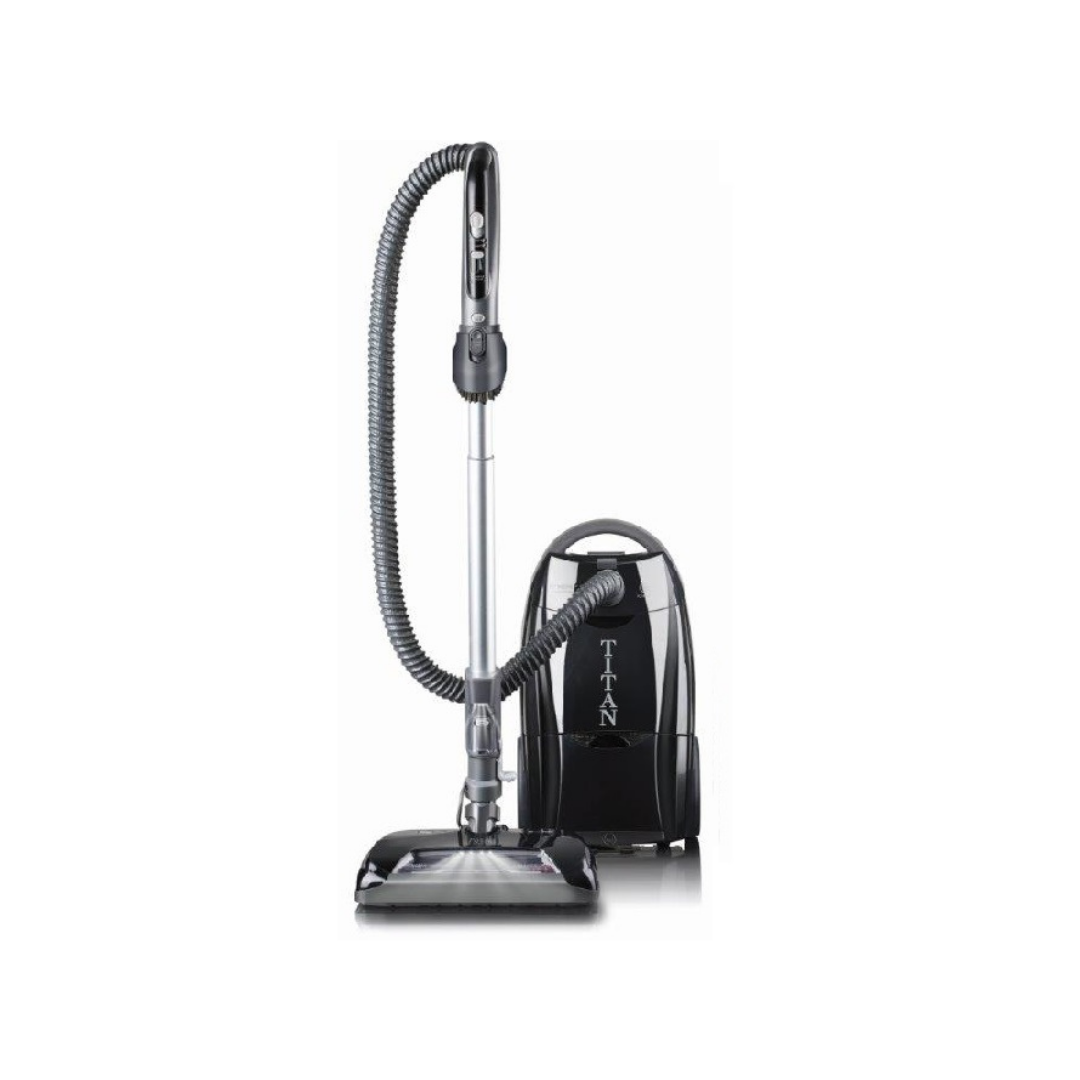
How Vacuum Cleaners Are Tested
Testing confirms that the cleaner is safe, durable, and useful. Manufacturers may test parts during production and run full checks on finished units.
Common tests include:
• Suction and airflow measurement
• Dust pickup on test surfaces
• Noise measurement
• Electrical safety testing
• Motor temperature checks
• Drop and impact testing
• Hose bending tests
• Wheel and switch cycle tests
• Filter leakage checks
• Battery charging and discharge tests
Testing labs may use controlled dust, standard floor samples, and set measurement methods. Results can vary by carpet type, debris size, filter condition, and battery charge.
A vacuum that picks up flour well may not handle pet hair well. One that works on hard floors may struggle with deep carpet. This is why product claims need context.
Safety evaluations also consider electric shock, overheating, moving parts, and fire risks. Standards from organizations such as UL, the International Electrotechnical Commission, and ASTM help guide product testing, although requirements vary by market.
A mistake I often see is treating a single suction number as a complete performance score. Real cleaning depends on nozzle design, brush action, airflow, filtration, and how well the user maintains the machine.
Environmental Impact and Future Improvements
Vacuum cleaner production uses energy and raw materials. Plastic housings, copper wiring, steel parts, batteries, packaging, and transport all contribute to the product’s environmental impact.
Manufacturers can reduce that impact by:
• Using recycled plastic where performance allows
• Designing parts for repair
• Reducing excess packaging
• Improving motor efficiency
• Offering replacement filters and batteries
• Marking plastic types for recycling
• Avoiding unnecessary glued joints
Longer product life often matters as much as lower manufacturing impact. A cleaner that lasts ten years may be a better choice than a cheap model replaced every two years.
Repairable designs also help. Replaceable belts, batteries, filters, hoses, and brush rolls can keep a vacuum working longer. Before buying, check whether these parts are easy to find.
Battery recycling is especially important. Do not place lithium-ion battery packs in regular household trash. Use a local battery collection program or an approved recycling center.
What Makes a Good Vacuum Cleaner?
Understanding how it’s made vacuum cleaner products can help you compare models with more confidence. Look beyond marketing terms and check the details that affect daily use.
Consider these points:
• A sealed airflow path
• Easy-to-clean filters
• Strong but flexible hose connections
• A stable floor head
• Replaceable wear parts
• Comfortable weight and handle design
• Clear battery information on cordless models
• A dust bin that opens without a large dust cloud
• Accessible customer support and spare parts
Your floor type matters. Hard floors may benefit from soft brush rolls and strong edge cleaning. Thick carpet may need an adjustable head and a powered brush. Homes with pets often need a tangle-resistant brush and a filter that is easy to maintain.
A premium price does not guarantee the best match. Choose the features that solve your cleaning problems rather than paying for functions you will not use.
Frequently Asked Questions About How It’s Made Vacuum Cleaner
What is the main part of a vacuum cleaner?
The motor and fan are the main working parts because they create the airflow that moves dirt. Other important parts include the air path, dust container or bag, filters, seals, controls, and floor head.
How long does it take to make a vacuum cleaner?
The assembly of one unit may take minutes on a modern production line. However, the full process, including design, tooling, supplier production, testing, and quality approval, can take months or longer.
Are vacuum cleaner parts made by hand or machine?
Both methods are used. Machines mold plastic parts, wind motor coils, and perform repeated assembly tasks, while trained workers often handle wiring, inspection, adjustments, and final quality checks.
What plastic is used in vacuum cleaners?
Manufacturers commonly use ABS, polypropylene, and polycarbonate. The choice depends on the part’s need for strength, heat resistance, flexibility, clarity, or chemical resistance.
Why does a vacuum cleaner lose suction?
Blocked filters, a full bag or bin, clogged hoses, damaged seals, and tangled brush rolls can reduce airflow. Check these areas before assuming the motor has failed.
Are cordless vacuum cleaners made differently?
Yes. They include battery cells, charging electronics, sensors, and a motor controller. These extra systems require special testing for heat, charging safety, run time, and battery life.
How are vacuum cleaner filters made?
Filter media is cut and shaped into flat or pleated forms, then attached to a plastic or rubber frame. The edges must seal well so air cannot bypass the filter.
Can vacuum cleaners be recycled?
Some parts can be recycled, but recycling depends on local facilities and product design. Batteries, electronics, metals, and plastics may need separate collection, so follow local disposal rules.
Conclusion
How it’s made vacuum cleaner products involves much more than placing a motor inside a plastic case. Engineers design the airflow, manufacturers mold and assemble parts, and testing teams check cleaning power, durability, noise, and safety.
The best way to choose and use a vacuum is to understand this system. Look for sealed airflow, useful filters, serviceable parts, and a design that fits your floors and daily needs. Compare models carefully, maintain the filters, and explore more appliance guides before making your next purchase.

Liora Pennings is a seasoned chef and kitchen enthusiast with a passion for turning everyday cooking into an effortless experience. With years of hands-on culinary expertise, she specializes in practical techniques, ingredient know-how, and smart kitchen solutions that help home cooks elevate their meals. At KitchFlair.com, Liora shares her best tips, time-saving tricks, and honest product reviews to guide readers toward a more efficient, enjoyable, and inspired cooking routine. Whether you’re a beginner or a seasoned home chef, Liora’s friendly, knowledge-packed insights make every visit to the kitchen a little easier—and a lot more delicious.