What Are Tiny Bowls Called: Small Bowl Names
Tiny bowls are commonly called pinch bowls, ramekins, condiment bowls, prep bowls, or dipping bowls.
The name depends on the bowl’s size, shape, and job. As someone who has used small bowls for cooking, serving, and organizing, I know that the right term can make shopping much easier. This guide explains what tiny bowls are called, how each type differs, and which one fits your needs.
What are tiny bowls called?
The most common name for tiny bowls is pinch bowls. They are small dishes used to hold spices, salt, herbs, sauces, or small portions of food.
However, “tiny bowl” is a broad phrase. The best name changes with the bowl’s purpose.
Common names include:
• Pinch bowls: Small bowls for holding a pinch of salt, spice, or herbs.
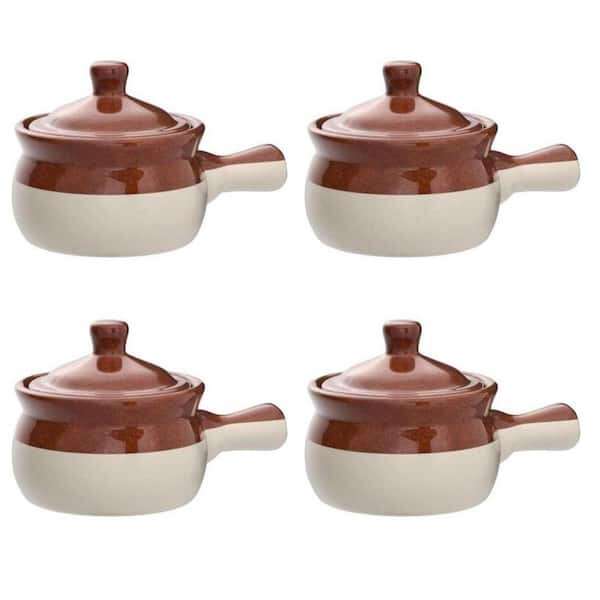
• Ramekins: Small, straight-sided dishes used for sauces, desserts, baked foods, and condiments.
• Condiment bowls: Small serving bowls for ketchup, mustard, salsa, soy sauce, or dips.
• Dipping bowls: Small bowls made for dipping foods such as sushi, dumplings, fries, or vegetables.
• Prep bowls: Small bowls used to measure and organize ingredients before cooking.
• Sauce dishes: Low bowls that hold gravy, dipping sauce, dressing, or other liquids.
• Monkey dishes: A casual American term for small dishes used for sauces, garnishes, and snacks.
In many homes, people use these names loosely. A small ceramic dish may be called a ramekin at a restaurant and a pinch bowl in a home kitchen.
Pinch bowls are the most common answer
If you ask what are tiny bowls called in a cooking setting, pinch bowls are often the simplest answer. Their name comes from the small amount of an ingredient they usually hold.
A pinch bowl may hold:
• Salt and pepper
• Dried herbs
• Chopped garlic
• Baking soda
• Spice blends
• Chopped nuts
• Lemon zest
• Small toppings
Pinch bowls help keep ingredients ready while you cook. This practice is often called mise en place, a French term meaning “putting in place.” It makes cooking smoother because you can focus on the recipe instead of stopping to measure each ingredient.
A typical pinch bowl holds about 1 to 4 ounces. Sizes vary, so the name describes the use more than an exact measurement.
In my own kitchen setup, small pinch bowls have been most useful when a recipe has many small ingredients. They prevent spice jars from crowding the cutting board and reduce the chance of adding the wrong ingredient at the wrong time.

What are tiny bowls called in restaurants?
Restaurants may use several names for tiny bowls. The most common terms are ramekins, condiment cups, sauce cups, and dipping bowls.
A ramekin usually has a round shape, a flat base, and straight or slightly sloped sides. It may be made from ceramic, porcelain, glass, or metal. Restaurants use ramekins for:
• Butter
• Salad dressing
• Gravy
• Salsa
• Aioli
• Jam
• Small desserts
• Baked custards
A condiment cup is often smaller and simpler than a ramekin. It may be made from stainless steel, plastic, melamine, or ceramic. Fast-casual restaurants often use condiment cups for sauces and toppings.
A sauce cup may have a small handle, a pouring lip, or a wider opening. These features make it easier to serve or pour liquid without spills.
Restaurant terms are not always strict. One business may call a dish a ramekin, while another may list the same item as a sauce cup. The menu, supplier, and region can all affect the name.
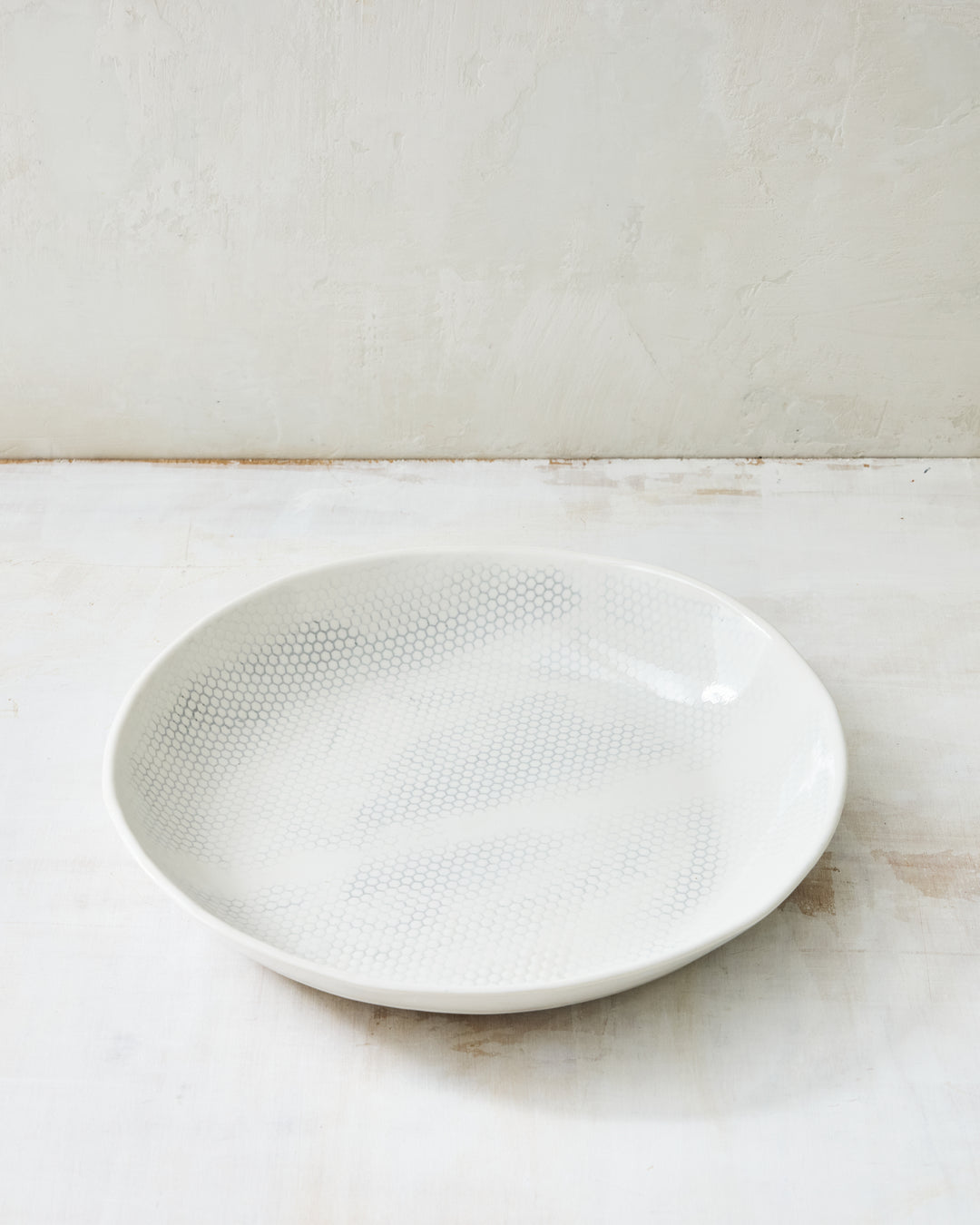
Ramekins, pinch bowls, and condiment bowls
These three types look similar, but they serve different roles.
Ramekins
Ramekins are small, sturdy dishes. They are often oven-safe, although you should always check the maker’s instructions before heating one.
Common ramekin uses include:
• Crème brûlée
• Soufflés
• Baked dips
• Individual desserts
• Sauces
• Side portions
Ramekins usually have deeper sides than pinch bowls. They also tend to look more formal on a table.
Pinch bowls
Pinch bowls are usually open, shallow, and easy to reach into. They work best for dry ingredients and small toppings.
They are less suited to baking unless the product label clearly says they are oven-safe.
Condiment bowls
Condiment bowls focus on serving. They are useful for sauces, relishes, olives, dips, and small toppings.
When deciding what are tiny bowls called for your kitchen, think about the task first. Use a pinch bowl for preparation, a ramekin for baking or serving, and a condiment bowl for table use.

Other names for tiny bowls
The phrase what are tiny bowls called may lead to different answers because small bowls appear in many settings.
Here are several related terms:
Dipping bowls
Dipping bowls are designed for liquid or semi-liquid foods. They often have a wide opening, which makes dipping easy.
They are popular for soy sauce, hummus, salsa, ranch dressing, and melted butter.
Prep bowls
Prep bowls help cooks sort ingredients before cooking. They are often sold in sets with several matching sizes.
A prep bowl may be made of glass, stainless steel, ceramic, or plastic. Glass is useful because you can see the contents at a glance.
Monkey dishes
“Monkey dish” is an informal term used in parts of the United States. It often means a small, shallow dish for sauces, condiments, garnishes, or small snacks.
The term is casual, not a precise product standard. Some sellers may use it in product names, while others may not.
Nut bowls
Nut bowls are small serving bowls for nuts, candy, berries, or other snack foods. They may be slightly larger than pinch bowls.
Finger bowls
Finger bowls are small bowls filled with water for rinsing the fingers during a formal meal. They are less common in everyday dining today.
They should not be confused with dipping bowls. Finger bowls are for hand cleaning, not for dipping food.

How small is a tiny bowl?
There is no universal size for a tiny bowl. In general, a tiny bowl holds less than 8 ounces, but many hold far less.
Here is a simple guide:
• 1 to 2 ounces: Best for spices, salt, sauces, and garnishes.
• 3 to 4 ounces: Useful for dips, toppings, and small snacks.
• 5 to 8 ounces: Suitable for soup samples, desserts, nuts, and side portions.
• 9 to 12 ounces: Often considered a small bowl rather than a tiny bowl.