Does Coffee Make Acid Reflux Worse: What Science Says
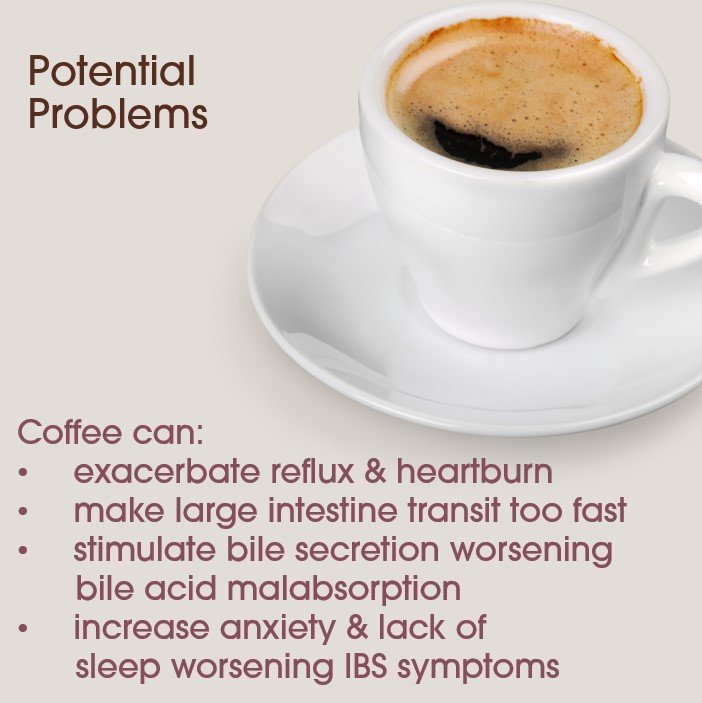
Coffee can worsen acid reflux in some people by relaxing the lower esophageal sphincter and increasing stomach discomfort.
So, does coffee make acid reflux worse for everyone? No. Coffee affects people in different ways, and the answer depends on your reflux triggers, coffee type, serving size, and drinking habits. research suggests that coffee may trigger symptoms in some people, but it is not a universal cause of gastroesophageal reflux disease, or GERD.
This guide explains how coffee may affect reflux, which types are more likely to cause trouble, and how to test your own tolerance without giving up your morning routine too quickly.

Does coffee make acid reflux worse?
Yes, coffee can make acid reflux worse for some people. It may stimulate stomach acid, increase digestive activity, or relax the muscle that keeps stomach contents from moving back into the esophagus.
That muscle is called the lower esophageal sphincter, or LES. Think of it as a small door between your esophagus and stomach. When the door relaxes at the wrong time, acid and food can travel upward and cause heartburn, a sour taste, chest discomfort, or throat irritation.
Still, coffee is not a problem for everyone. Some people can drink two cups with no symptoms, while others notice burning after a few sips. Your personal response matters more than a general rule.
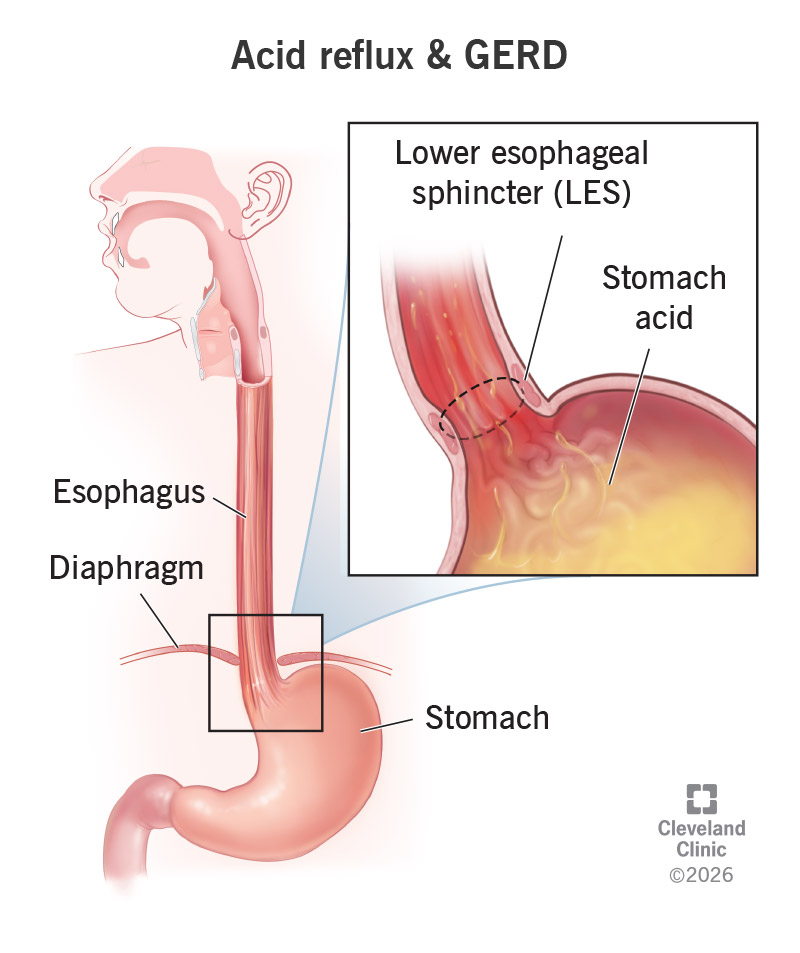
How coffee may trigger acid reflux
Coffee can affect reflux through several possible pathways. These effects may happen alone or at the same time.
It may relax the lower esophageal sphincter
Caffeine may reduce pressure in the LES in some people. A weaker or more relaxed LES can make it easier for stomach contents to move into the esophagus.
However, the link is not simple. Some research has found that coffee does not always cause measurable LES changes or reflux episodes. This is one reason experts do not advise every person with GERD to avoid coffee automatically.
It may increase stomach activity
Coffee can stimulate the release of gastrin, a hormone that supports stomach activity and acid production. More stomach activity may cause discomfort in people who already have a sensitive digestive system.
Coffee may also speed bowel movement. That effect is normal for many people, but it can feel unpleasant when combined with indigestion, bloating, or reflux.
It may irritate an already sensitive esophagus
Acid reflux can inflame the lining of the esophagus. Once that tissue is irritated, drinks that are not highly acidic may still feel harsh.
This is similar to putting lemon juice on a small cut. The lemon did not create the cut, but it makes the area sting. Coffee may not be the original cause of reflux, yet it can make symptoms feel stronger.
It may be part of a larger routine
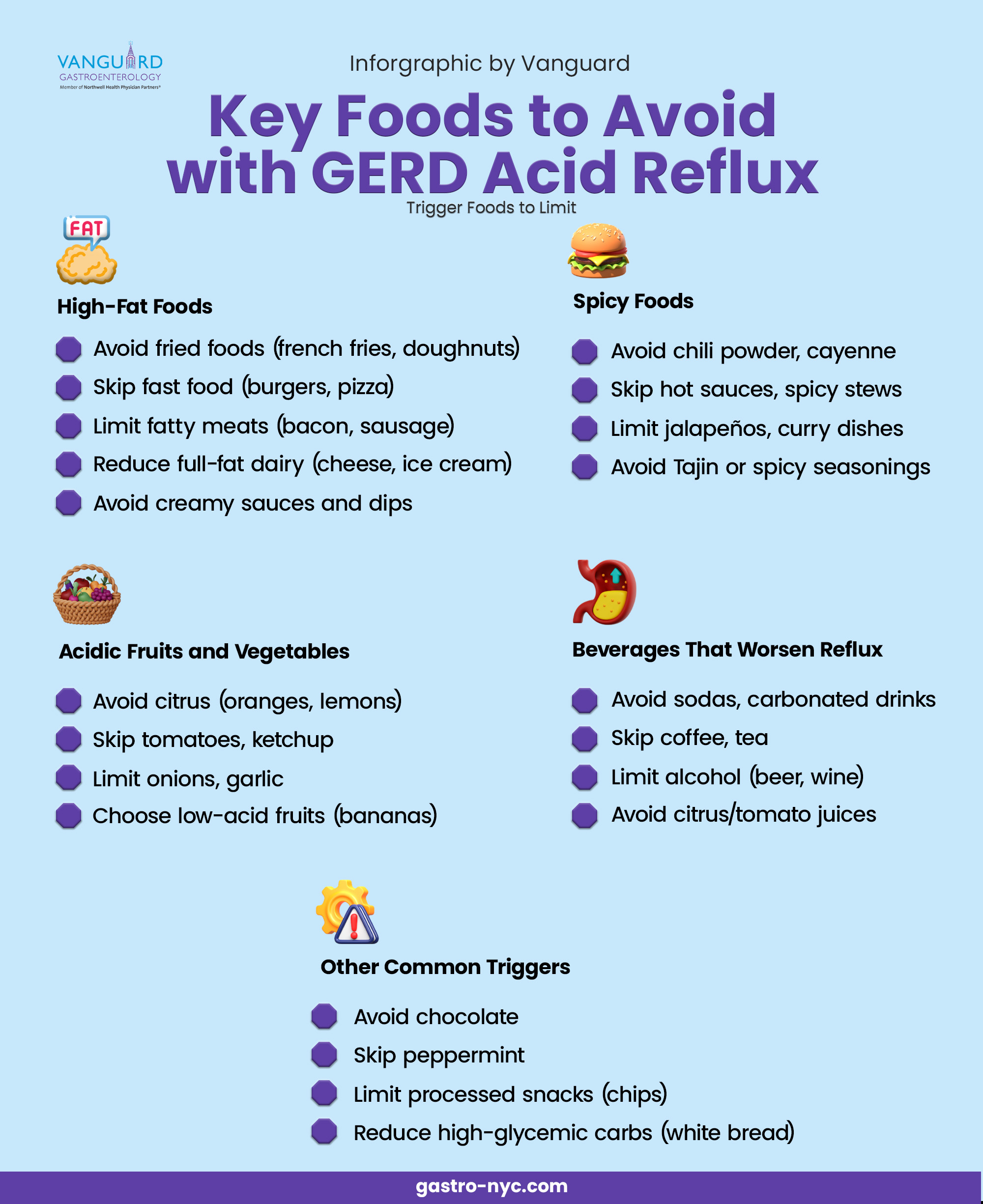
Coffee is often paired with other reflux triggers, such as:
• A large breakfast
• Cream or whole milk
• Chocolate syrup
• Peppermint flavoring
• High-fat pastries
• Eating late at night
• Lying down soon after drinking it
In these cases, coffee may receive all the blame when the full routine is the real issue.

What does the research say about coffee and GERD?
The research is mixed. Some studies connect coffee and caffeinated drinks with more reflux symptoms, while other studies find little or no clear connection. Differences in study design, coffee type, serving size, and individual biology make the results difficult to compare.
Medical guidance usually focuses on personal triggers. Many gastroenterology experts recommend reducing or avoiding foods that clearly cause symptoms, rather than removing every possible trigger from the diet.
Caffeine may be part of the problem, but it is not the only factor. Coffee contains hundreds of natural compounds. Roasting, brewing, temperature, acidity, and added ingredients may all influence how it feels in your stomach.
It is also important to separate occasional heartburn from GERD. Occasional symptoms may happen after a large meal or a strong cup of coffee. GERD involves repeated reflux that may need medical care and long-term treatment.

Which coffee is most likely to cause reflux?
No single coffee works for everyone. Still, some types and habits may be more likely to cause symptoms.
Strong or highly caffeinated coffee
A large serving of strong coffee provides more caffeine and other compounds. If caffeine is one of your triggers, a stronger drink may cause more trouble than a small, mild cup.
Cold brew often tastes less acidic, but it may contain a high amount of caffeine. A large cold brew can still worsen symptoms even when it feels smooth.
Coffee on an empty stomach
Drinking coffee before eating may cause burning, nausea, or stomach pain in some people. Food can dilute stomach contents and slow the drink’s contact with the stomach lining.
Try having coffee with a small meal instead of drinking it as the first thing in the morning. Avoid a high-fat meal if fatty foods also trigger your reflux.
Very hot coffee
Very hot drinks may irritate the mouth and throat. If you already have throat reflux, also called laryngopharyngeal reflux, very hot coffee may increase throat discomfort.
Let coffee cool for a few minutes before drinking it. This simple change may help if heat is part of the problem.
Coffee with rich additions
Cream, whole milk, whipped cream, chocolate, and flavored syrups may add fat, sugar, or other possible triggers. The coffee itself may not be the only cause of your symptoms.
Test plain coffee first. Then add one ingredient at a time if you want to find out what your body tolerates.
Can decaf coffee cause acid reflux?
Decaf coffee can still cause acid reflux, but it may be easier to tolerate for some people. Removing most of the caffeine may reduce one possible trigger, but decaf still contains natural acids and other coffee compounds.
Decaffeinated coffee is not completely caffeine-free. An eight-ounce cup may contain a small amount of caffeine, although the amount varies by brand and brewing method.
If regular coffee causes symptoms, try a small cup of decaf for several days. Choose plain coffee and keep the serving size consistent. This test can help you learn whether caffeine is a major factor.
Remember that decaf is not automatically low-acid. The terms “decaf” and “low-acid” describe different features.

Does low-acid coffee help acid reflux?
Low-acid coffee may help some people, but it is not a guaranteed solution. These products are made using different beans, roasting methods, or processing techniques that may reduce certain acids.
The term “low-acid” is not always standardized. A coffee labeled low-acid may still contain caffeine, and caffeine may remain a trigger for you.
If you want to try it, compare a small serving of low-acid coffee with your usual coffee. Keep the rest of your routine the same. That makes it easier to see whether the coffee itself changed your symptoms.
Avoid assuming that darker roast coffee is always better. Dark roasts may have slightly different acid levels, but they can also be stronger and more bitter. Your response is the best guide.
How to drink coffee with less reflux risk
If coffee brings comfort to your morning, you may not need to quit right away. Use a careful trial instead.
-
Reduce the serving size. Start with four to six ounces instead of a large mug.
-
Drink it with food. Choose a light meal that does not contain your known triggers.
-
Avoid drinking it before bed. Leave at least two to three hours between your last meal or drink and lying down.
-
Choose plain coffee first. Skip chocolate, peppermint, heavy cream, and large amounts of sugar during your test.
-
Try half-caf or decaf. This can help you learn whether caffeine affects your symptoms.
-
Drink it slowly. Large amounts consumed quickly may put more pressure on the stomach.
-
Keep a symptom log. Write down the coffee type, amount, time, food, and symptoms.
-
Stop if symptoms continue. If every test causes burning, coffee may not fit your current reflux plan.
A symptom log is often more useful than guessing. It can reveal patterns, such as symptoms that happen only after large drinks, coffee on an empty stomach, or coffee combined with pastries.
A simple coffee and reflux elimination test
A short, structured test may help you identify your trigger. It is not a medical diagnosis, but it can provide useful information.
Step 1: Record your usual pattern
For three days, write down when you drink coffee and when symptoms appear. Include heartburn, regurgitation, cough, hoarseness, nausea, and throat clearing.
Step 2: Take a short break
Avoid coffee for one to two weeks. Do not change every part of your diet at the same time. If you remove many foods, you may not know what caused the improvement.
Step 3: Reintroduce a small amount
Try four ounces of plain coffee in the morning with food. Wait and watch for symptoms during the next several hours.
Step 4: Increase slowly if symptoms stay away
If you feel well, increase the amount by a small step after a few days. Stop if symptoms return.
This process is called a personal elimination and reintroduction trial. It works best when you change one factor at a time.
Common mistakes that can make coffee reflux worse
Many people focus only on the beverage and overlook the habits around it.
• Drinking a large coffee quickly can fill the stomach and increase pressure.
• Drinking coffee while fasting may worsen burning or nausea.
• Adding cream, chocolate, or peppermint may create extra triggers.
• Drinking coffee late in the day may lead to poor sleep, which can make symptoms feel worse.
• Lying down soon after coffee or a meal may allow reflux to travel upward.
• Taking frequent antacids without medical advice may hide a condition that needs proper evaluation.
In my experience writing about digestive health, the biggest lesson is that trigger lists are not one-size-fits-all. People often remove coffee, tomatoes, citrus, and spicy foods at once. Then they feel better but have no clear idea why. A slower, more careful test usually gives more useful answers.
When acid reflux needs medical care
Occasional heartburn is common. Frequent or severe symptoms deserve attention, especially if they interfere with sleep, work, or meals.
Talk with a health care professional if you have:
• Heartburn more than twice a week
• Trouble or pain when swallowing