Can Coffee Make You Dizzy: Causes And Simple Fixes
Yes, coffee can make you dizzy, especially when caffeine, dehydration, low food intake, or sensitivity are involved.
For many people, coffee is a welcome morning boost. For others, it can feel like a fast elevator ride: lightheadedness, shaky hands, a racing heart, or a sense that the room is moving. Understanding why coffee can make you dizzy helps you adjust your habits safely and recognize when dizziness may point to another health issue.
Why can coffee make you dizzy?
Coffee can make you dizzy because caffeine affects the brain, heart, blood vessels, stomach, and nervous system. Caffeine is a stimulant. It can increase alertness and, in some people, briefly raise heart rate and blood pressure.
For most healthy adults, moderate caffeine intake is considered safe. The Food and Drug Administration generally cites up to 400 milligrams of caffeine per day as an amount not usually linked with negative effects in healthy adults. However, sensitivity varies widely.
One person may drink several cups with no problem. Another may feel dizzy after half a cup. Your response may depend on your body size, sleep, stress level, medications, hydration, and whether you drank coffee on an empty stomach.
Coffee may make you dizzy through several pathways:
• Caffeine can stimulate the nervous system and cause shakiness or lightheadedness.
• Coffee may increase urination slightly, especially in people who do not use caffeine often.
• Caffeine can briefly affect blood pressure and heart rate.
• Coffee can worsen anxiety, which may change breathing and create dizziness.
• Drinking coffee instead of eating may contribute to low blood sugar symptoms.
• Some coffee drinks contain large amounts of caffeine, sugar, or additives that can trigger symptoms.

What does coffee dizziness feel like?
Coffee-related dizziness does not feel exactly the same for everyone. Some people feel faint, while others feel off balance or as if the room is spinning.
Common symptoms include:
• Lightheadedness
• Feeling faint or weak
• Shaky hands
• A racing or pounding heart
• Headache
• Nausea
• Sweating
• Anxiety or restlessness
• Blurred vision
• Trouble focusing
A mild caffeine reaction often improves as the stimulant wears off. Caffeine reaches peak levels in the blood within about 30 to 60 minutes, although its effects can last for several hours.
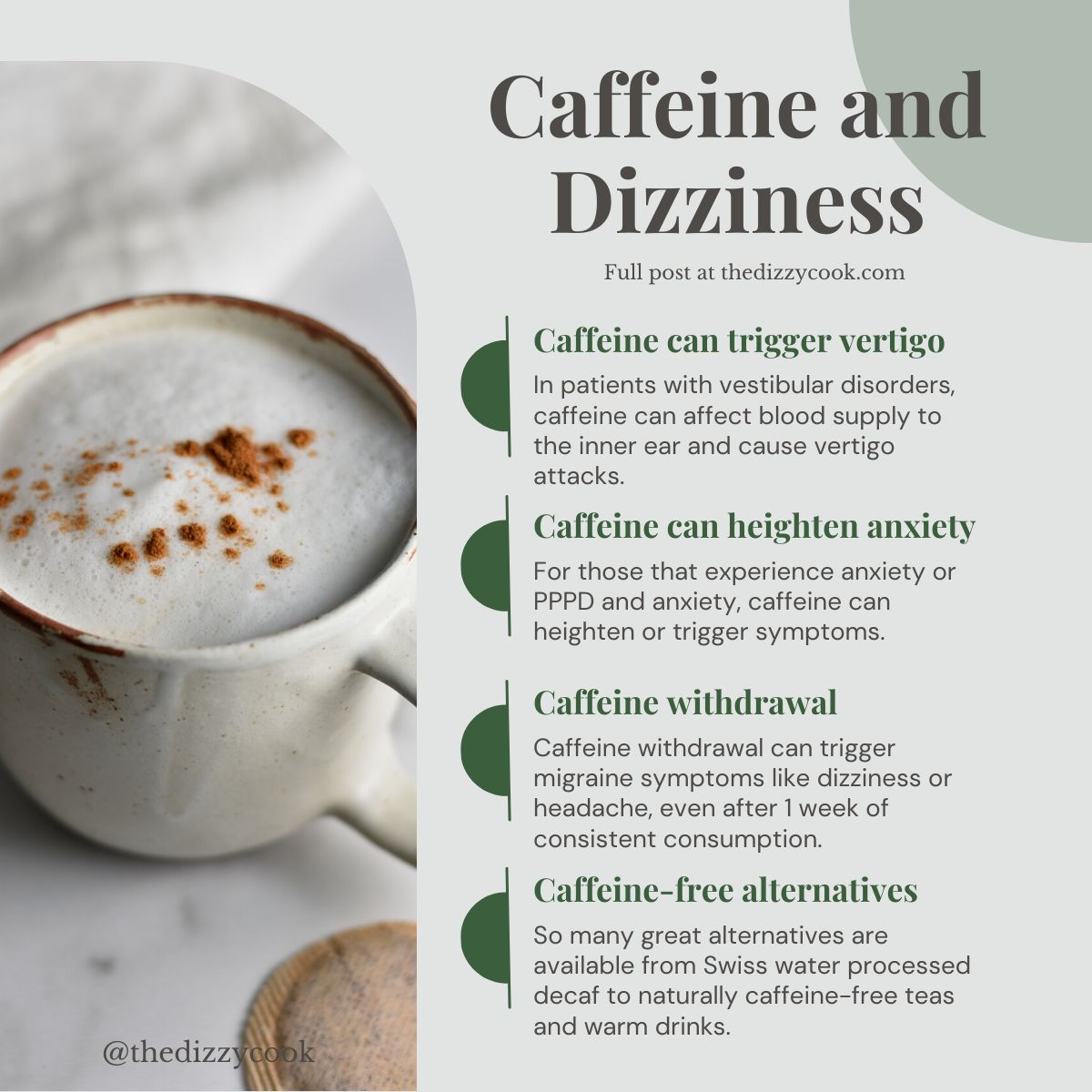
Vertigo is different from ordinary lightheadedness. Vertigo creates a spinning sensation. Coffee may worsen vertigo in some people, but inner-ear conditions, migraines, infections, and other problems are more common causes.
If you feel dizzy every time you drink coffee, take that pattern seriously. It may show that your caffeine tolerance is low, or it may point to another condition that deserves medical attention.
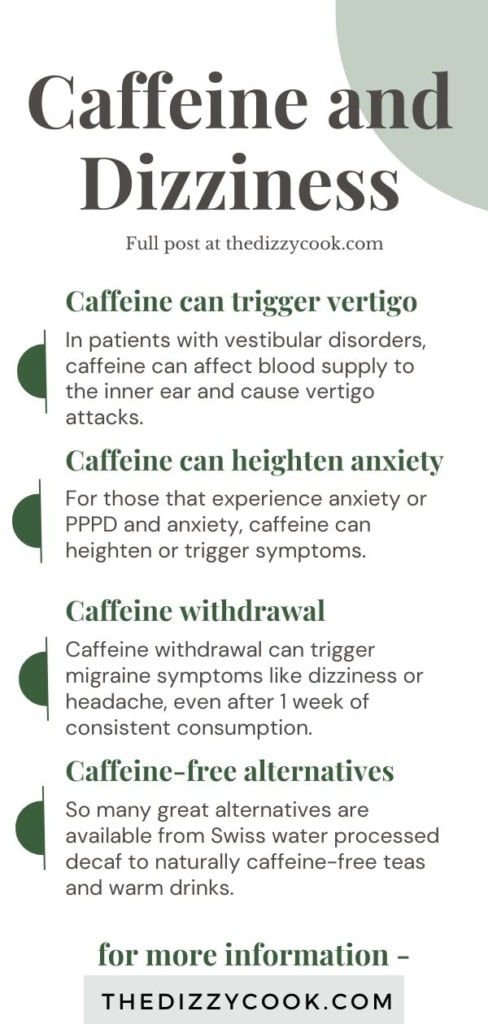
How caffeine may trigger dizziness
Nervous system stimulation
Caffeine blocks adenosine, a chemical that helps the body feel tired. This blockage can make you feel more alert, but too much stimulation may cause trembling, nervousness, and dizziness.
Think of caffeine as turning up the volume on your nervous system. A small increase may feel helpful. A larger increase may feel uncomfortable and overwhelming.
Blood pressure changes
Caffeine can cause a short-term rise in blood pressure in some people. The effect may be stronger if you rarely drink coffee or consume a large amount at once.
Blood pressure changes do not always cause symptoms. Still, some people notice a flushed feeling, headache, palpitations, or dizziness after drinking strong coffee.
Fast heart rate or palpitations
Caffeine may make your heart beat faster. A rapid or irregular-feeling heartbeat can make you feel lightheaded, especially if you are anxious or already dehydrated.
A racing heart after coffee is not always dangerous. However, chest pain, fainting, severe shortness of breath, or a persistent irregular heartbeat requires urgent medical care.
Dehydration and fluid balance
Coffee does contain water, so moderate coffee drinking does not automatically cause dehydration. Caffeine has a mild diuretic effect, but regular coffee drinkers often develop tolerance to this effect.
Even so, you may feel dizzy if you drink strong coffee while sweating, exercising, vomiting, having diarrhea, or drinking very little water. In that situation, coffee may add to an existing fluid problem.
Anxiety and altered breathing
Caffeine can increase anxiety. Anxiety may lead to quick, shallow breathing. This can lower carbon dioxide levels in the blood and cause lightheadedness, tingling, or a feeling of unreality.
This cycle is easy to miss. You drink coffee, feel your heart beat faster, become worried, breathe quickly, and then feel even more dizzy.
Low food intake
Coffee does not usually cause dangerously low blood sugar in healthy people. However, drinking coffee instead of eating can leave you hungry, weak, or shaky.
Some people also add little or no food after a poor night of sleep. The combination of fatigue, stress, caffeine, and an empty stomach can feel like a blood sugar crash.
:max_bytes(150000):strip_icc()/what-to-expect-from-caffeine-withdrawal-21844-v1-5c521bb246e0fb000180a7ec.png)
Can coffee make you dizzy on an empty stomach?
Yes, coffee can make you dizzy when you drink it without food, although the coffee may not be the only cause. An empty stomach can make caffeine feel stronger and may increase nausea, stomach irritation, shakiness, or weakness.
Coffee may also stimulate stomach acid. People with acid reflux, gastritis, or a sensitive stomach may feel worse after drinking it before breakfast.
Try pairing coffee with a simple meal or snack, such as:
• Oatmeal with nuts
• Yogurt and fruit
• Whole-grain toast with eggs
• A banana with peanut butter
• A small breakfast burrito
Food may slow caffeine absorption and provide energy. It will not fix every cause of dizziness, but it can help if hunger is part of the problem.

Can coffee make you dizzy because of dehydration?
Coffee can contribute to dizziness when you are already low on fluids, but moderate coffee intake is not usually enough to dehydrate a healthy adult by itself. The risk is more relevant when you consume a large amount quickly or lose fluids through heat, exercise, illness, vomiting, or diarrhea.
A practical approach is simple:
-
Drink water with your coffee.
-
Avoid using coffee as your only morning fluid.
-
Increase fluids during hot weather or exercise.
-
Notice whether your urine is unusually dark.
-
Limit alcohol when you are already feeling dizzy.
Dark urine, dry mouth, unusual thirst, weakness, and dizziness can suggest dehydration. Severe dehydration can become dangerous and needs prompt medical care.

Can too much caffeine cause dizziness?
Too much caffeine can make you dizzy. The amount that causes symptoms differs from person to person.
An eight-ounce cup of brewed coffee may contain about 80 to 100 milligrams of caffeine, but the amount can vary. A large coffee shop drink may contain much more. Energy drinks, pre-workout products, tea, soda, chocolate, and some medicines can add to your daily total.
Signs of excessive caffeine may include:
• Restlessness
• Anxiety
• Tremors
• Insomnia
• Headache
• Nausea
• Fast heartbeat
• Dizziness
• Frequent urination
Check serving sizes carefully. A large cup may contain two or more standard servings. Decaf coffee is not caffeine-free either, though it contains much less caffeine than regular coffee.
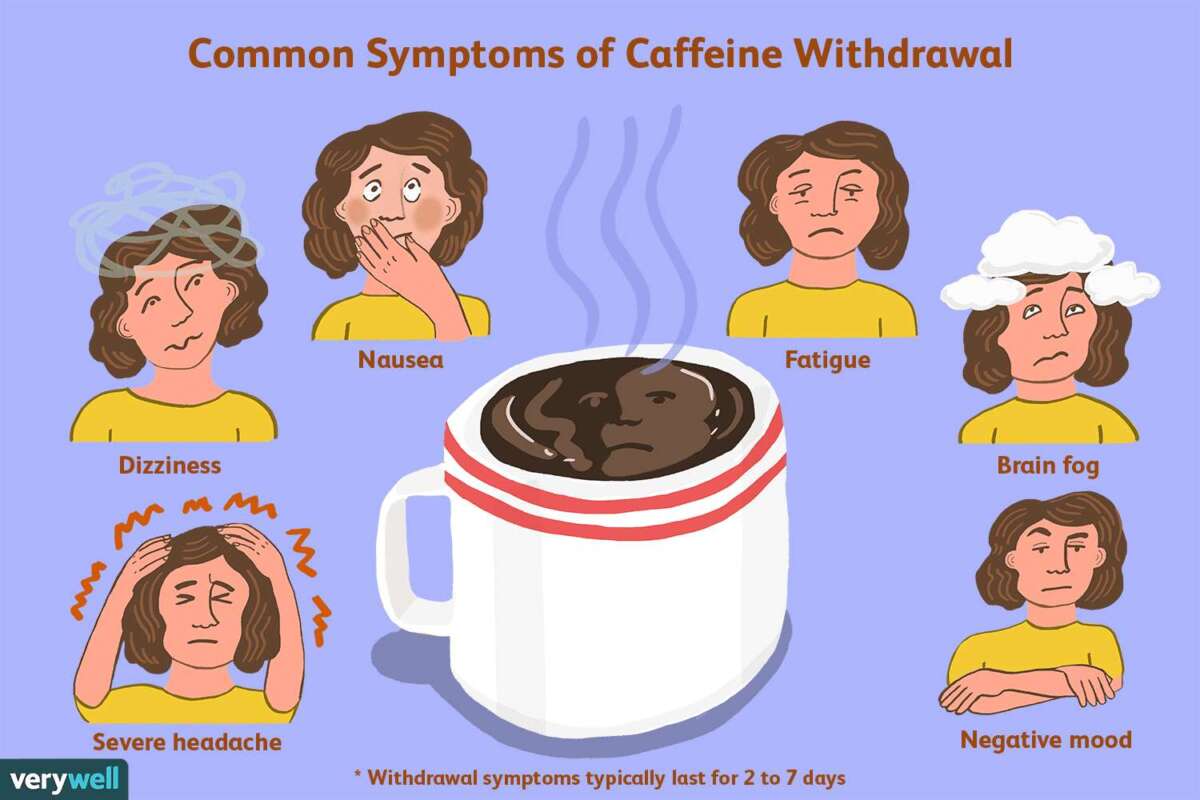
If you think caffeine is the cause, reduce it gradually. A sudden stop may cause headaches, fatigue, low mood, and difficulty concentrating for a few days.

Who is more likely to feel dizzy after coffee?
Some people have a higher chance of coffee-related dizziness. This does not mean they must avoid coffee forever, but they may need smaller portions or medical guidance.
You may be more sensitive if you:
• Rarely consume caffeine
• Have a low body weight
• Drink coffee quickly
• Use energy drinks or caffeine supplements
• Are pregnant or breastfeeding
• Have anxiety or panic symptoms
• Have heart rhythm problems
• Have uncontrolled high blood pressure
• Have acid reflux or a sensitive stomach
• Take stimulant medicines
• Take certain heart, asthma, or psychiatric medicines
Pregnancy can change how quickly the body processes caffeine. Many health professionals advise pregnant people to keep caffeine below 200 milligrams per day, but individual advice is best.
Some medications can also change caffeine effects. Ask a pharmacist or clinician to review your medicines if dizziness started after a new prescription or supplement.

What to do if coffee makes you dizzy
Stop drinking coffee for the moment and sit or lie down in a safe place. Avoid driving, climbing, or using machinery until the dizziness passes.
Then try these steps:
• Sip water slowly.
• Eat a light snack if you have not eaten.
• Take slow, calm breaths.
• Avoid more caffeine for the rest of the day.
• Write down the coffee type, amount, time, and symptoms.
• Check your blood pressure if you have a home monitor.
Do not test the reaction by drinking another large cup. If you want to see whether caffeine is the cause, wait until you feel well and use a smaller amount on a different day.
A useful personal lesson from reviewing many caffeine-related symptom patterns is that people often blame “coffee” when the real trigger is the full routine: poor sleep, no breakfast, stress, and a large drink consumed quickly. Tracking the whole pattern is more useful than focusing on the beverage alone.
How to prevent coffee-related dizziness
You may not need to quit coffee completely. Small changes can reduce symptoms.
• Choose a smaller serving.
• Drink coffee slowly instead of quickly.
• Have it with food.
• Drink water during the morning.
• Avoid mixing coffee with energy drinks or caffeine pills.
• Stop caffeine earlier in the day.
• Try half-caf or decaf coffee.
• Avoid coffee before intense exercise if it triggers symptoms.
• Reduce caffeine gradually if you drink several cups daily.
Keep a simple three-day diary. Record your sleep, meals, stress, caffeine, water intake, and symptoms. This can reveal patterns that are easy to miss during a busy workday.
If you reduce caffeine, taper over several days. For example, replace one regular cup with half-caf coffee, then slowly reduce the total amount. This approach can help prevent withdrawal headaches.
When dizziness after coffee may signal a medical problem
Coffee may not be the true cause of dizziness. It may simply make an existing problem more noticeable.
Possible causes include:
• Low blood pressure
• Anemia
• Low blood sugar
• Abnormal heart rhythm
• Inner-ear disorders
• Migraine
• Thyroid problems
• Medication side effects
• Anxiety or panic attacks
• Heart or blood vessel disease
Seek emergency help if dizziness occurs with chest pain, fainting, severe breathing trouble, new weakness, trouble speaking, confusion, or a severe sudden headache.
Contact a health professional soon if dizziness keeps returning, lasts for hours, happens without coffee, or interferes with work and daily life. A clinician may check your blood pressure, heart rhythm, blood count, blood sugar, medicines, and balance system.
Do not assume every dizzy spell is harmless caffeine sensitivity. The timing may be important, but it is not a diagnosis by itself.
How much coffee is safe?
For many healthy adults, up to 400 milligrams of caffeine per day is generally considered a moderate amount. That number is not a personal prescription, and some people develop symptoms at much lower levels.
Caffeine content varies by:
• Bean type
• Brewing method
• Serving size
• Roast and grind
• Coffee shop recipe
• Added espresso shots
A large cold brew may contain more caffeine than a small brewed coffee. Read labels when possible, and count caffeine from tea, soda, chocolate, supplements, and medicines.
If coffee makes you dizzy even at a low dose, there is no health requirement to keep drinking it. Decaf, herbal tea, or water may be better choices for you.
Frequently Asked Questions About Can Coffee Make You Dizzy
Can coffee make you dizzy if you drink it every day?
Yes, coffee can make you dizzy even if you drink it daily. Changes in sleep, stress, hydration, medication, or serving size can alter your response.
How long does dizziness from coffee last?
Mild caffeine-related dizziness may improve within a few hours as caffeine levels fall. If dizziness lasts a long time, keeps returning, or becomes severe, contact a health professional.
Should I stop drinking coffee if it makes me dizzy?
Stop drinking it when symptoms occur and avoid more caffeine until you feel normal. You may later try a smaller amount, but repeated symptoms are a reason to discuss caffeine use with a clinician.
Can decaf coffee make you dizzy?
Decaf coffee contains a small amount of caffeine and may still cause symptoms in highly sensitive people. Other factors, such as acidity, additives, dehydration, or an underlying condition, may also explain the reaction.
Can coffee make you dizzy and nauseated?
Yes, caffeine can cause both dizziness and nausea, especially when consumed quickly or on an empty stomach. Eating a small meal and reducing the serving may help, but ongoing symptoms need medical review.
Can coffee make you dizzy if you have low blood pressure?
Coffee often causes a short-term rise in blood pressure, but the overall response varies. Dizziness in someone with low blood pressure may come from dehydration, standing up quickly, medication, or another condition rather than coffee alone.
Conclusion
Coffee can make you dizzy when caffeine stimulates your nervous system, raises anxiety, affects your heart rate, or combines with dehydration, hunger, poor sleep, or a large serving. The best first steps are to stop caffeine for the moment, drink water, eat if needed, and track your symptoms.
Try a smaller serving, drink it slowly, and avoid caffeine supplements or energy drinks. If dizziness is severe, repeated, or linked with chest pain, fainting, breathing trouble, or neurological symptoms, seek medical care promptly. Share your experience with coffee-related dizziness in the comments, and explore trusted health resources for more guidance.

Liora Pennings is a seasoned chef and kitchen enthusiast with a passion for turning everyday cooking into an effortless experience. With years of hands-on culinary expertise, she specializes in practical techniques, ingredient know-how, and smart kitchen solutions that help home cooks elevate their meals. At KitchFlair.com, Liora shares her best tips, time-saving tricks, and honest product reviews to guide readers toward a more efficient, enjoyable, and inspired cooking routine. Whether you’re a beginner or a seasoned home chef, Liora’s friendly, knowledge-packed insights make every visit to the kitchen a little easier—and a lot more delicious.