
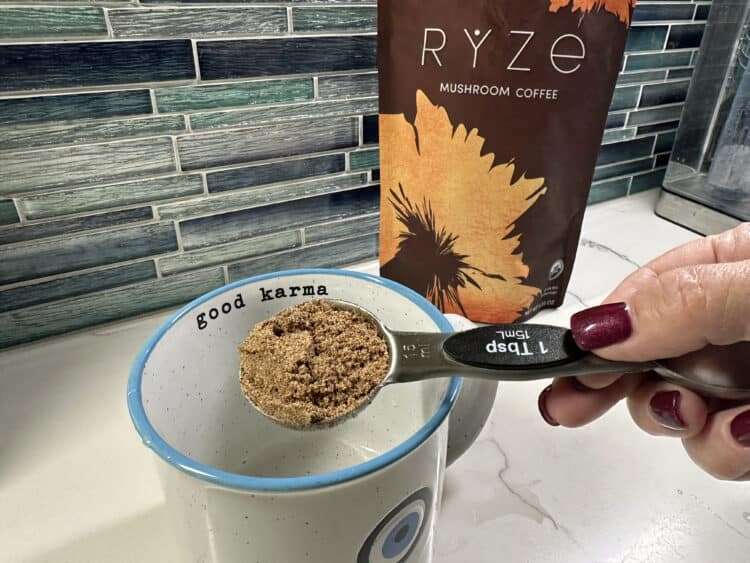
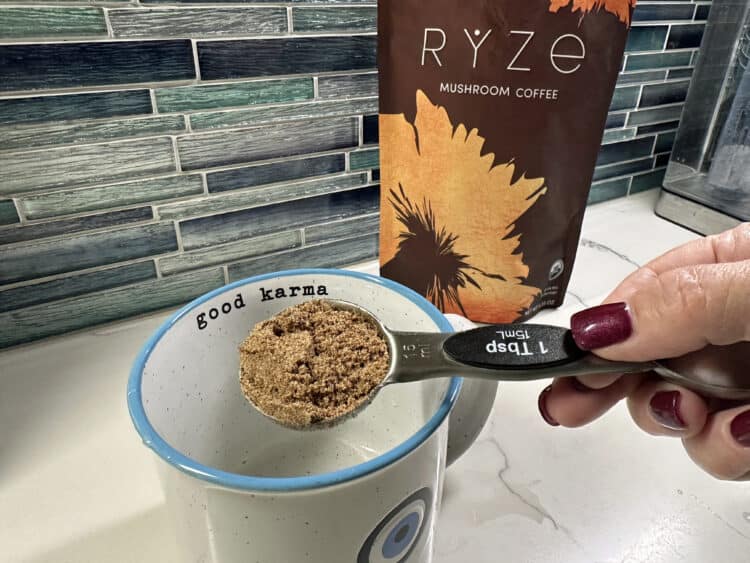
How To Make Mushroom Coffee

How To Make Mushroom Coffee: Easy Step-By-Step Guide

To make mushroom coffee, mix mushroom powder with brewed coffee, then adjust milk, sweetener, and flavor to taste.

Learning how to make mushroom coffee is simple, but the best cup depends on the mushroom type, water temperature, dose, and brewing method. After testing several blends, I found that a gentle start, good coffee, and a small amount of powder create a smoother drink with less earthy flavor.
What Is Mushroom Coffee?
Source: alphafoodie.com

What Is Mushroom Coffee?

Mushroom coffee is regular coffee mixed with powdered mushrooms or a mushroom extract. It is not usually made from coffee beans grown with mushrooms. Most products use extracts from mushrooms such as lion’s mane, chaga, cordyceps, or reishi.

The coffee supplies the familiar roasted taste and caffeine. The mushroom powder adds an earthy note and compounds called beta-glucans and other polysaccharides. The exact compounds depend on the mushroom species and how the product is made.

Many mushroom coffee products also contain cocoa, cinnamon, herbs, or instant coffee. Read the label before buying. Some blends contain very little mushroom extract, while others include added sugar or strong flavors.

How to Make Mushroom Coffee at Home
Source: cascadiamushrooms.com

How to Make Mushroom Coffee at Home

The easiest method takes less than five minutes. You can use ground coffee, instant coffee, a French press, a pour-over brewer, or a pod machine.

Ingredients

For one serving, gather:

• 8 to 12 ounces of brewed coffee

• ½ to 1 teaspoon of mushroom powder or extract

• 1 to 2 tablespoons of milk, cream, or plant milk, if desired

• Sweetener, cinnamon, cocoa, or vanilla, if desired

Start with ½ teaspoon of mushroom powder. Some products suggest a larger serving, but a smaller amount helps you judge the flavor and your tolerance. Always follow the serving guidance on the package.

Basic method

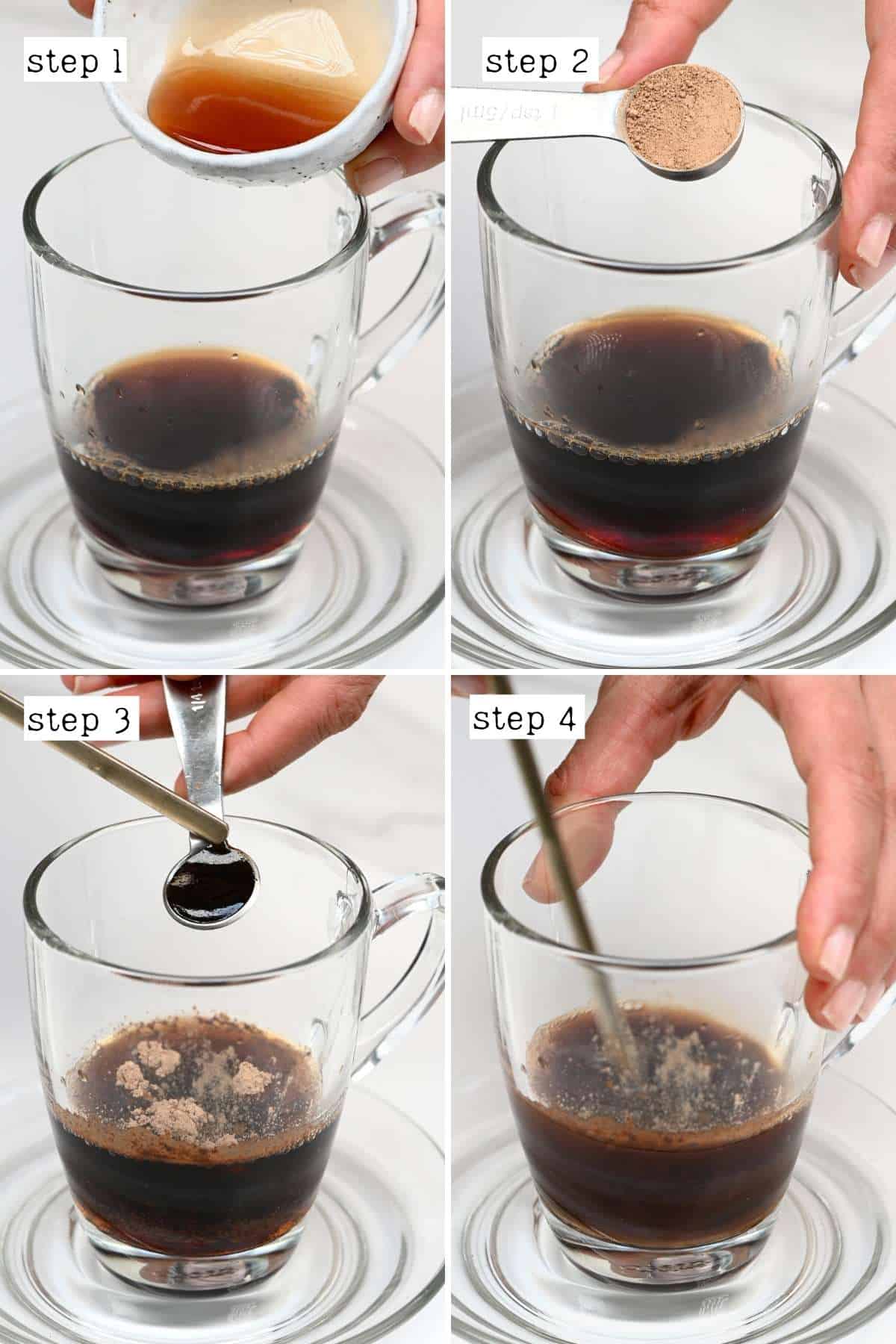
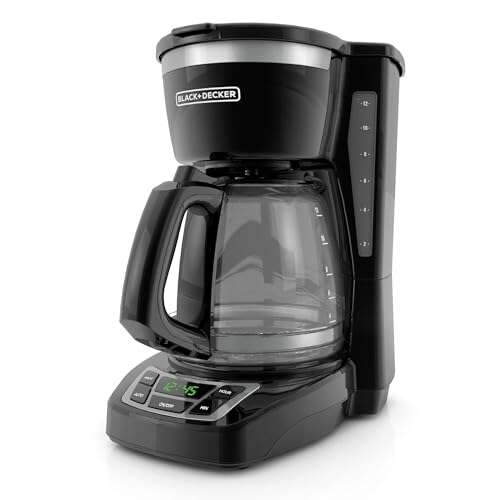
  1. Brew 8 to 12 ounces of coffee as you normally do.

  2. Add ½ to 1 teaspoon of mushroom powder to your mug.

  3. Pour in the hot coffee.

  4. Stir for 20 to 30 seconds, or whisk until the powder dissolves.

  5. Add milk, cream, or a sweetener if needed.

  6. Taste the drink and adjust the next serving.

A handheld milk frother works very well. It breaks up clumps and makes the drink feel more like a café latte. A spoon can work too, but some powders settle at the bottom.
The Best Mushroom Powders for Coffee
Source: minimalistbaker.com

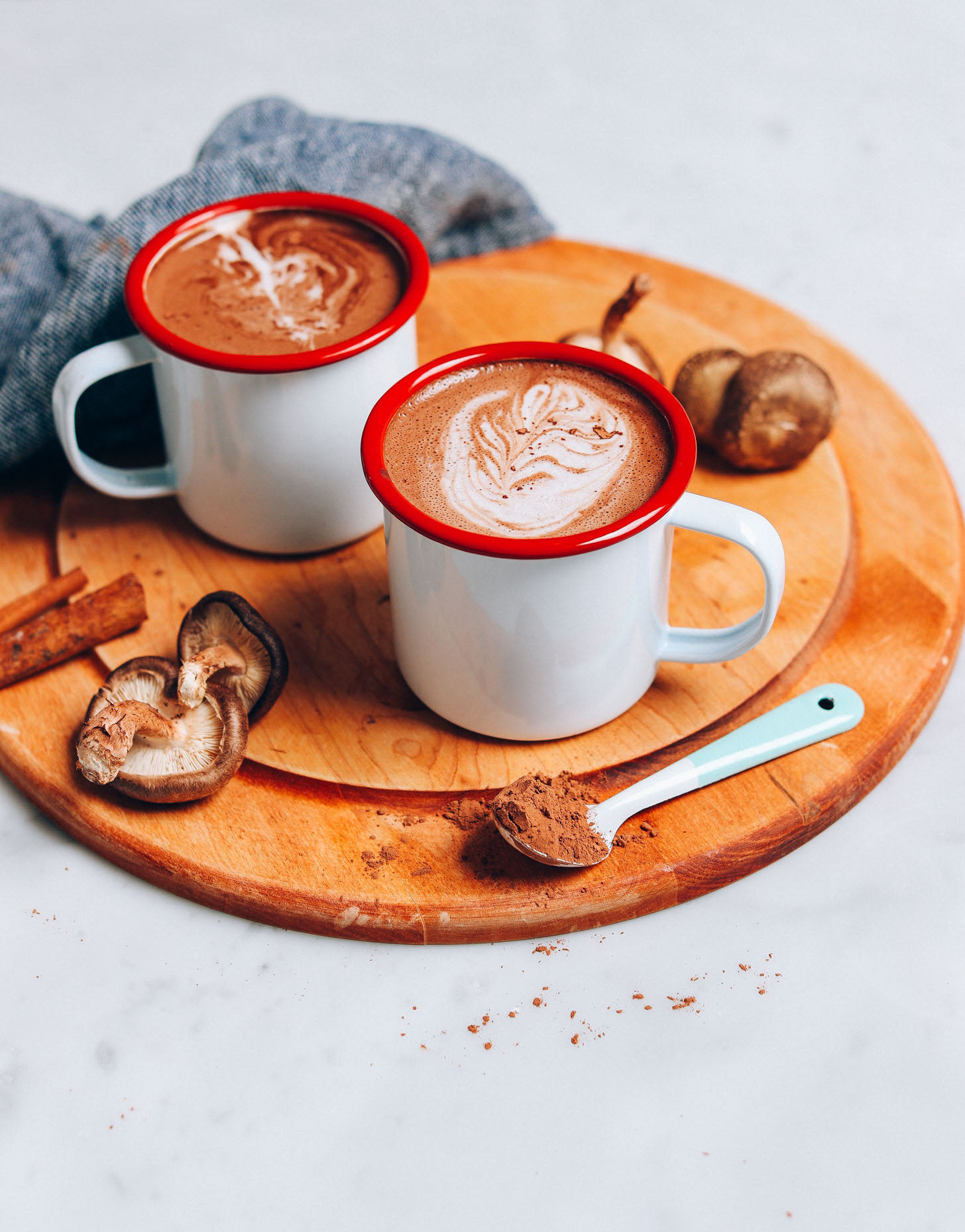
The Best Mushroom Powders for Coffee

The best mushroom for coffee depends on your taste and reason for using it. Mushroom powders are not interchangeable. Each one has a different flavor, texture, and traditional use.

Lion’s mane

Lion’s mane has a mild, slightly savory taste. It is one of the easiest mushroom powders to add to coffee because it does not usually overpower the roast.

Many people choose lion’s mane for focus and mental performance. However, research on these effects is still developing. Do not treat lion’s mane as a proven treatment for memory problems or any medical condition.

Chaga

Chaga has a deep, earthy flavor that can work well with dark roast coffee and cocoa. It is often used in wellness drinks because it contains antioxidant compounds.

Chaga may not be suitable for everyone. It contains oxalates, which can be a concern for people with kidney problems or a history of kidney stones. Speak with a health professional before using it regularly if that applies to you.

Cordyceps

Cordyceps powder often has a stronger, earthy taste. Many people add it to coffee before exercise because they associate it with energy and stamina.

Coffee already contains caffeine, so the combined effect may feel intense for some people. Start with a small serving and avoid taking it late in the day.

Reishi

Reishi has a bitter taste and usually needs a stronger flavor partner. Cocoa, cinnamon, maple syrup, and milk can make it easier to enjoy.

Reishi is not the first choice for a mild morning coffee. It may work better in a small latte or an evening drink without caffeine.

Mushroom coffee blends

A blend may combine two or more mushroom extracts. This can be convenient, but check the label for the amount of each ingredient.

Look for products that list:

• The mushroom species

• The amount per serving

• Whether the product uses fruiting bodies or mycelium

• Testing for heavy metals and microbes

• A clear expiration date

• Allergen and supplement warnings

A clean label does not prove that a product will work. It does make it easier to understand what you are drinking.

Choosing the Right Coffee Base
Source: co.uk

Choosing the Right Coffee Base

Mushroom powder cannot rescue stale or poorly brewed coffee. Use a coffee base that you already enjoy.

A medium roast often works best for beginners. It has enough flavor to cover the mushroom taste without becoming too bitter. A dark roast can hide earthy notes, but it may taste harsh when combined with reishi or chaga.

Try these combinations:

• Medium roast with lion’s mane for a mild cup

• Dark roast with chaga and cocoa

• Cold brew with cordyceps and milk

Instant coffee with a pre-mixed mushroom blend

• Espresso with lion’s mane and steamed oat milk

Fresh coffee also helps. If your beans smell flat or oily, the final drink will likely taste flat too. Use clean water and avoid scorching the coffee, since burnt flavors make mushroom powder seem more bitter.
How to Make Mushroom Coffee Without Clumps
Source: dangerouscupcakelifestyle.com

How to Make Mushroom Coffee Without Clumps

Clumps are one of the most common problems when learning how to make mushroom coffee. Powder does not always dissolve well when it meets a full mug of liquid at once.

Use one of these methods:

• Mix the powder with one tablespoon of warm water first, then add coffee.

• Whisk the powder into hot coffee with a small frother.

• Blend coffee, powder, and milk for 10 seconds.

• Add mushroom powder to a French press before pouring the coffee.

• Use an instant mushroom coffee packet designed to dissolve quickly.

Avoid boiling the mushroom powder. Very high heat may affect some compounds, and boiling can create a rough taste. Hot coffee is enough for mixing.

I once added a full teaspoon of powder directly to a large mug and rushed out the door. The powder floated, clumped, and left a gritty layer at the bottom. Pre-mixing it with a little warm water solved the problem.
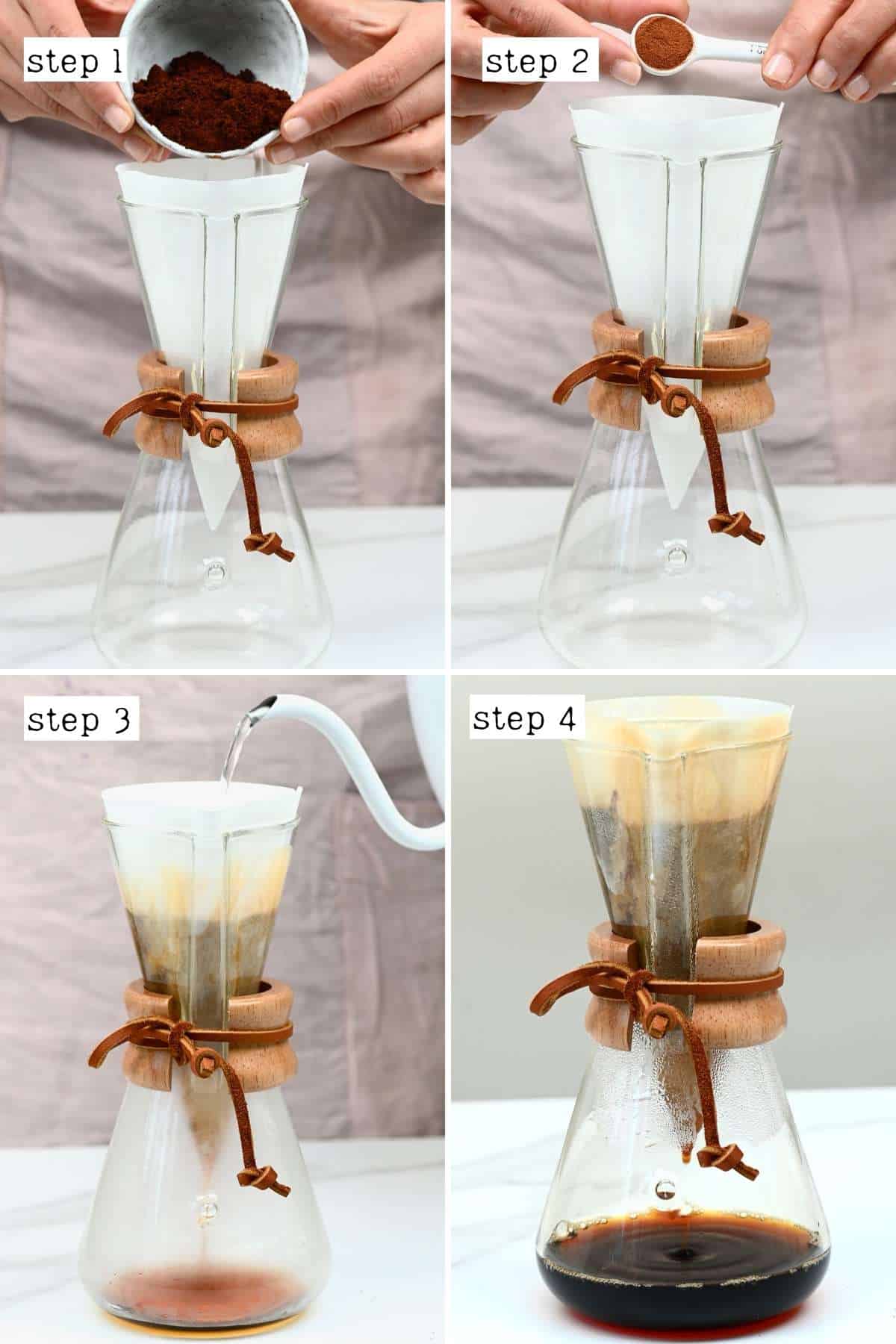
A Simple Mushroom Coffee Latte Recipe
Source: alphafoodie.com

A Simple Mushroom Coffee Latte Recipe

This latte is a good starting point because milk softens earthy and bitter flavors.

Ingredients

• 8 ounces of hot brewed coffee

• ½ teaspoon lion’s mane or a mild mushroom blend

• ¼ cup steamed milk or oat milk

• ¼ teaspoon cinnamon

• ½ teaspoon maple syrup, optional

Instructions

  1. Add the mushroom powder and cinnamon to a mug.

  2. Pour in one tablespoon of hot water and stir into a smooth paste.

  3. Add the brewed coffee and mix well.

  4. Pour in the steamed milk.

  5. Add maple syrup if the drink tastes too bitter.

  6. Stir again and serve warm.

For a stronger latte, use espresso instead of brewed coffee. Keep the mushroom serving the same until you know how your body responds.

Iced Mushroom Coffee Recipe
Source: youtube.com

Iced Mushroom Coffee Recipe

Iced mushroom coffee is refreshing and can hide some earthy flavors. Cold brew works especially well because it has a smooth, low-acid taste.

Ingredients

• 8 ounces of cold brew coffee

• ½ teaspoon mushroom powder

• 2 tablespoons milk or plant milk

• Ice

• Cinnamon or vanilla, optional

Instructions

  1. Mix the mushroom powder with two tablespoons of warm water.

  2. Stir until it forms a smooth liquid.

  3. Fill a glass with ice.

  4. Add the cold brew coffee.

  5. Pour in the mushroom mixture and milk.

  6. Stir well before drinking.

Do not add dry mushroom powder straight to ice-cold coffee. It may float or form lumps. A warm-water paste makes the drink much smoother.

How Much Mushroom Powder Should You Use?
Source: bakerita.com

How Much Mushroom Powder Should You Use?

The right amount depends on the product. Extracts can be much more concentrated than plain mushroom powder, so one teaspoon of one product may not equal one teaspoon of another.

A practical starting plan is:

• Days 1 to 3: Use ¼ to ½ teaspoon.

• Days 4 to 7: Increase to ½ or 1 teaspoon if you feel well.

• After one week: Follow the package serving, if needed.

Do not assume that more powder means better results. Larger amounts can increase bitterness and may cause stomach upset. Supplements also vary in quality, so the label matters as much as the dose.

If you take medication, have a chronic condition, are pregnant, or are breastfeeding, ask a qualified health professional before using mushroom supplements. Reishi, chaga, and other extracts may affect bleeding, blood sugar, immune activity, or medication metabolism.

Potential Benefits and Limitations
Source: joyfuldumplings.com

Potential Benefits and Limitations

Mushroom coffee may offer the familiar benefits of coffee, including alertness from caffeine. Some mushroom species also contain compounds being studied for antioxidant, immune, nerve, and exercise-related effects.

The evidence is not equally strong for every mushroom. Many studies use concentrated extracts, animal models, laboratory tests, or small human trials. A mushroom coffee drink may contain less of the active compound than the products used in research.

Keep these points in mind:

• Mushroom coffee still contains caffeine unless it is decaf.

• It is not a cure for fatigue, anxiety, memory loss, or illness.

• Benefits may be subtle or absent.

• Product quality varies widely.

• A balanced diet, sleep, movement, and medical care matter more than one drink.

Think of mushroom coffee as a food or supplement choice, not a magic potion. It can fit into a healthy routine, but it cannot replace basic habits.

Common Mistakes to Avoid

Learning how to make mushroom coffee becomes easier when you avoid a few simple errors.

• Using too much powder: Start low to reduce bitterness and stomach discomfort.

• Skipping the label: Check the mushroom type, dose, and added ingredients.

• Choosing a poor coffee base: Stale coffee makes the drink taste worse.

• Adding dry powder to ice: Mix it with warm water first.

• Expecting instant results: Research does not support guaranteed effects.

• Mixing many supplements: Combining several products can increase side effects or interactions.

• Drinking it late: Mushroom coffee may disrupt sleep because of caffeine.

• Ignoring unusual symptoms: Stop using the product and seek medical advice if you develop a rash, severe stomach pain, trouble breathing, or other concerning symptoms.

A simple recipe is often the safest recipe. Begin with one mushroom, one small serving, and one familiar coffee.

How to Store Mushroom Powder

Store mushroom powder in a cool, dry place away from sunlight. A kitchen cabinet is usually better than a spot beside the stove or sink.

Close the container after every use. Moisture can cause clumping and may reduce product quality. Use a clean, dry spoon rather than one covered with coffee or milk.

Check the smell and appearance before using the powder. Discard it if you notice mold, unusual moisture, a damaged seal, or a strong odor that differs from the original product.

Coffee beans also need proper storage. Keep them in an airtight container and grind them shortly before brewing when possible. Fresh coffee makes the earthy notes of mushroom blends easier to manage.

How to Make Mushroom Coffee Taste Better

Mushroom coffee does not need to taste like dirt. Small changes can make a major difference.

Try adding:

• Cinnamon for warmth

• Cocoa for a mocha flavor

• Vanilla for sweetness

• Maple syrup for a smooth finish

• Oat milk for body

• A pinch of salt to soften bitterness

• Collagen powder or protein powder, if it fits your diet

Use flavors that match the mushroom. Lion’s mane pairs well with vanilla and oat milk. Chaga works with cocoa and cinnamon. Reishi often needs more sweetness because of its bitter taste.

If the flavor remains unpleasant, reduce the mushroom amount. The best mushroom coffee is one you can enjoy consistently, not one that forces you to tolerate a harsh drink.

Mushroom Coffee Safety Tips

Mushroom supplements can cause side effects in some people. Possible reactions include nausea, bloating, dry mouth, headache, skin irritation, or changes in digestion.

Caffeine can also cause a fast heartbeat, nervousness, reflux, or poor sleep. If coffee already makes you feel jittery, choose decaf or use less coffee.

Use extra care if you:

• Take blood thinners or diabetes medicine

• Have kidney or liver disease

• Have an autoimmune condition

• Have a mushroom allergy

• Are pregnant or breastfeeding

• Have a scheduled surgery

• Give supplements to a child

Supplements are not reviewed in the same way as prescription medicines before sale. Third-party testing can provide useful quality information, but it does not guarantee safety or effectiveness.

Frequently Asked Questions About How to Make Mushroom Coffee

Can I add mushroom powder to regular coffee?

Yes. Add the powder to hot brewed coffee and stir or whisk until smooth. Mixing it with a little warm water first can prevent clumps.

How much mushroom powder should I put in coffee?

Start with ¼ to ½ teaspoon per cup, then follow the product label if you tolerate it well. Extracts may be stronger than plain powders, so compare serving instructions carefully.

Does mushroom coffee contain caffeine?

Most mushroom coffee contains caffeine because it uses regular coffee. Choose decaf coffee or a caffeine-free mushroom drink if you want to avoid caffeine.

What mushroom is best for beginners?

Lion’s mane is often a good first choice because its flavor is relatively mild. A blended product can also work, but check how much of each mushroom it contains.

Can I make iced mushroom coffee?

Yes. Mix the powder with a little warm water before adding it to cold brew or chilled coffee. This step helps the powder dissolve instead of floating on top.

Can I drink mushroom coffee every day?

Some healthy adults may drink it daily, but tolerance depends on the ingredients, serving size, and personal health. Follow the label and ask a health professional if you take medication or have a medical condition.

Does mushroom coffee help with weight loss?

There is not enough strong evidence to say that mushroom coffee causes meaningful weight loss. Any benefit may come from replacing a high-sugar drink with a lower-calorie coffee, not from mushrooms alone.

Conclusion

Learning how to make mushroom coffee is easy: brew good coffee, start with a small amount of mushroom powder, mix it well, and adjust the flavor with milk or spices. Lion’s mane offers a mild entry point, while chaga, cordyceps, and reishi bring stronger flavors and different safety considerations.

Treat mushroom coffee as an optional part of your routine, not a cure-all. Choose a transparent product, watch your caffeine intake, and pay attention to how your body responds. Try one simple recipe this week, then share your favorite blend or brewing tip in the comments.

Similar Posts

Leave a Reply

Your email address will not be published. Required fields are marked *