Best Popcorn Kernels For Stovetop: Top Picks
The best popcorn kernels for stovetop popping are fresh, flavorful, tender, and easy to control in a heavy pot.
A hot pan, a little oil, and a quiet night can make a great snack—unless half the kernels stay hard or the popcorn tastes flat. I tested these options with stovetop popping in mind, focusing on pop size, tenderness, hulls, freshness, value, and storage. This guide compares yellow, white, organic, baby, and bulk kernels so you can choose with confidence. Each pick can work well on a home stove, but each one suits a different kind of popcorn fan.
Orville Redenbacher’s Yellow Kernels, 8 lb

Orville Redenbacher’s Original Yellow kernels are a strong all-around choice for stovetop popcorn. The kernels expand well and create the familiar large, round pieces many people expect from movie-night popcorn. Their yellow color also makes it easy to see the kernels in the pot as they heat. I like this type for simple batches with oil, salt, and melted butter.
The 8-pound bag makes sense for families, frequent snack makers, and anyone who hosts often. Fresh kernels usually pop more evenly, so store the bag in a cool, dry cupboard and close it well after each use. The popcorn has enough structure for caramel, cheese, garlic butter, and other toppings. It also gives you room to control the oil and salt, which is a major benefit over many ready-made microwave options.
Pros:
- Large bag suits regular popcorn makers
- Produces big, classic yellow popcorn
- Works well in a covered stovetop pot
- Good base for sweet or savory toppings
- Easy to portion for movie nights and parties
- Recognizable brand with broad availability
Cons:
- Large bag needs careful storage
- Some hulls may remain after popping
- Less suitable for shoppers who want organic kernels
Orville Redenbacher’s Yellow Kernels, 30 oz

This 30-ounce Orville Redenbacher’s bag offers the same classic yellow style in a more manageable size. It is a practical pick if you make popcorn once or twice a week but do not want a bulk pantry item. The kernels pop into fluffy pieces with a mild corn taste. They pair especially well with neutral oils such as canola, avocado, or coconut oil.
I see this size as a safe entry point for people learning how to make popcorn on the stove. You can try different pot sizes, oil amounts, and seasonings without committing to several pounds. The bag fits neatly in most cupboards, and the smaller quantity may help protect freshness when your household eats popcorn slowly. For many kitchens, this is one of the best popcorn kernels for stovetop use because it balances familiar results with a reasonable package size.
Pros:
- Convenient size for small households
- Creates familiar movie-style popcorn
- Simple to cook in a saucepan or Dutch oven
- Good choice for first-time stovetop poppers
- Fits easily in a pantry
- Works with many oils and seasonings
Cons:
- Costs more per ounce than large bags may
- May not last long for large families
- Yellow hulls can be noticeable in some bites
Orville Redenbacher’s White Kernels, 30 oz

White popcorn kernels often produce a lighter, more delicate bite than standard yellow kernels. Orville Redenbacher’s White Corn version is a good fit for people who dislike a heavy hull or firm texture. The popped pieces tend to feel tender, with a clean corn flavor that does not overpower fine toppings. I enjoy this style with sea salt, light butter, nutritional yeast, or herbs.
This 30-ounce package is also easy to manage in a normal kitchen. White popcorn may look smaller than large yellow mushroom-style popcorn, but its texture can feel more refined. Use medium heat and shake the pot often to reduce scorching. If tender bites matter most to you, this white option deserves a place among the best popcorn kernels for stovetop cooking.
Pros:
- Tender texture suits sensitive teeth
- Mild flavor lets seasonings stand out
- Convenient 30-ounce package
- Good for butter, herbs, and light toppings
- Easy to prepare in a standard covered pot
- Useful alternative to classic yellow corn
Cons:
- May produce smaller pieces than yellow kernels
- Not the best choice for very large popcorn pieces
- Can scorch if cooked over high heat
Snappy Yellow Popcorn Kernels, 12.5 lb
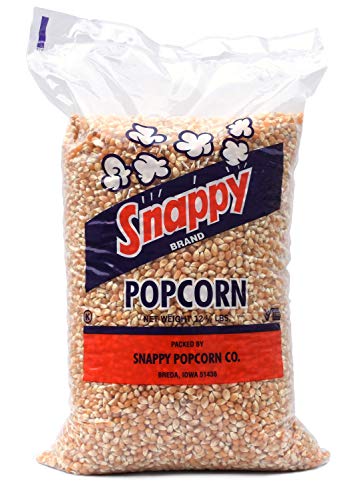
Snappy Yellow Popcorn is aimed at serious popcorn fans who want a large supply. The 12.5-pound bag can support frequent stovetop cooking, air popping, and machine use. Its yellow kernels give you a classic look and a sturdy base for bold flavors. I find bulk yellow corn especially useful when several people want different toppings from the same batch.
The main appeal here is value over time. Instead of buying several small bags, you can keep one supply ready for family movie nights, events, or snack prep. Bulk food does require discipline, so use an airtight container if the original bag will not seal well. This is among the best popcorn kernels for stovetop buyers who care about quantity, versatility, and a lower cost per serving.
Pros:
- Large 12.5-pound supply
- Useful for families and frequent poppers
- Works with stovetops, air poppers, and machines
- Classic yellow color and corn flavor
- Good value for high-volume use
- Supports many sweet and savory recipes
Cons:
- Too much product for occasional users
- Needs airtight storage to protect freshness
- Bulk packaging takes up pantry space
Anthony’s Organic Yellow Popcorn, 3 lb

Anthony’s Organic Yellow Popcorn Kernels appeal to shoppers who want an organic pantry staple. The 3-pound size gives you more than a trial bag without becoming difficult to store. The kernels pop well in a pot with a lid, and their yellow color creates the familiar popcorn look. Their plain, unseasoned form also gives you full control over salt, butter, and oil.
This pick is labeled gluten free and non-GMO, which may matter to shoppers who read ingredient labels closely. Keep in mind that organic does not automatically mean every batch will pop perfectly; kernel age and storage still matter. I recommend using a clean, dry container after opening and checking for a fresh smell before cooking. For shoppers who want organic best popcorn kernels for stovetop snacks, this is a balanced option.
Pros:
- Organic yellow popcorn option
- Non-GMO and gluten-free labeling
- Moderate 3-pound package
- Good control over added ingredients
- Works well for everyday stovetop use
- Suitable for many homemade popcorn recipes
Cons:
- May cost more than conventional kernels
- Organic labeling does not ensure zero unpopped kernels
- Requires dry, sealed storage after opening
Orville Redenbacher’s Yellow Kernels, 5 lb

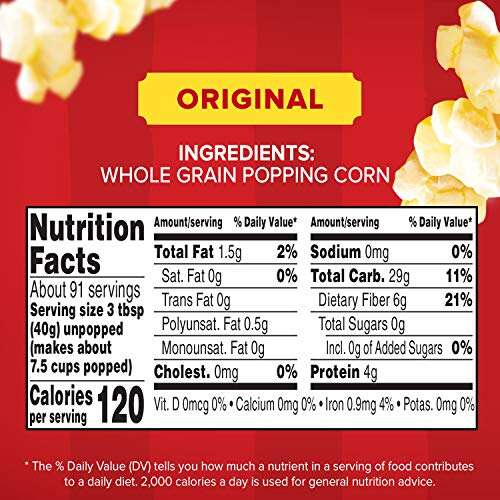
This 5-pound Orville Redenbacher’s bag sits between a small pantry pack and a large bulk sack. It suits households that make popcorn often but do not need more than ten pounds at a time. The kernels create full, fluffy pieces with a classic toasted corn taste. A serving also contributes fiber, while the final nutrition depends on how much oil, butter, sugar, or salt you add.
I like the 5-pound format for planned movie nights and regular family snacks. It gives you enough kernels for many batches, yet it remains easier to store than a 12.5-pound bag. Use a wide pot so the kernels form one layer, then shake the pot gently as they pop. If you want familiar results and a practical supply, this is one of the best popcorn kernels for stovetop cooking.
Pros:
- Useful middle-size 5-pound bag
- Produces large, fluffy popcorn pieces
- Good for regular family use
- Works with classic and creative toppings
- Offers fiber before added toppings
- Easy to portion for several batches
Cons:
- Needs more storage space than a 30-ounce bag
- Not an organic product
- May leave some hulls in the finished bowl
Amazon Saver Yellow Popcorn Kernels, 32 oz

Amazon Saver Yellow Popcorn Kernels offer a simple, budget-minded way to stock your kitchen. The 32-ounce bag is close to the size many households use before the kernels lose their best texture. Yellow corn gives you classic-looking popcorn and enough flavor for salt, butter, spices, or sugar coatings. It is a sensible choice for shoppers who want basic kernels without paying for a specialty label.
This product works best when you treat it like a fresh pantry food. Keep the package sealed and avoid storing it beside steam, heat, or strong odors. I suggest making a small test batch first, since every kitchen has different heat levels and pot styles. For affordable best popcorn kernels for stovetop use, this pack offers a straightforward starting point.
Pros:
- Budget-friendly pantry choice
- Convenient 32-ounce size
- Classic yellow popcorn appearance
- Easy to season in many ways
- Good for casual weekly snacking
- Simple option for new stovetop cooks
Cons:
- May have less brand information than premium options
- Not designed for bulk popcorn service
- Freshness depends on proper home storage
Snappy White Popcorn Kernels, 12.5 lb

Snappy White Popcorn Kernels combine a tender white style with a large bulk supply. White kernels often create a lighter bite and a pale finish that looks clean in a serving bowl. This variety works on the stovetop, in an air popper, or in suitable popcorn machines. I would choose it for a group that prefers delicate popcorn instead of thick, firm hulls.
The 12.5-pound size is best for frequent use, fundraisers, events, or a serious home snack station. It can also serve as a long-term supply for people who make popcorn several times each week. Divide the kernels into smaller airtight containers to reduce repeated exposure to air. Among the best popcorn kernels for stovetop shoppers, this one stands out for tender texture and high volume.
Pros:
- Light, tender white popcorn style
- Large 12.5-pound supply
- Works in stovetops and other poppers
- Good for clubs, parties, and events
- Mild taste suits delicate seasonings
- Useful for shoppers who dislike heavy hulls
Cons:
- Large bag needs a storage plan
- Too much for occasional popcorn eaters
- White kernels may look smaller than yellow popcorn
Amish Country Baby White Popcorn, 6 lb
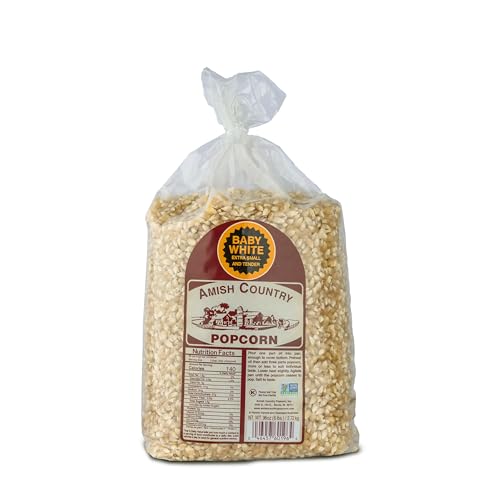
Amish Country Baby White Popcorn is made for people who want small, tender pieces. The “baby” style can feel softer and less bulky than large yellow popcorn. It has a mild taste, so it works with classic salt as well as cinnamon sugar, parmesan, ranch seasoning, or chili lime powder. I find this type pleasant when I want a snack that feels light rather than dense.
The 6-pound bag gives you a useful middle ground between everyday and bulk buying. It is large enough for repeat batches but not as overwhelming as a 12.5-pound sack. Use a heavy pot, moderate heat, and enough room for the kernels to move as they pop. If texture is your top concern, this is a memorable contender for the best popcorn kernels for stovetop use.
Pros:
- Small, tender popcorn pieces
- Good option for people sensitive to hulls
- Distinctive old-fashioned popcorn style
- 6-pound bag supports regular use
- Non-GMO and gluten-free labeling
- Works with sweet and savory toppings
Cons:
- Pieces may seem too small for movie-style popcorn fans
- Six pounds still requires cupboard space
- Texture can vary with heat and storage
Perfectware Popcorn, 8 oz, 4 Count

Perfectware’s four-count package is convenient for small events, gift baskets, classrooms, or occasional home use. Each 8-ounce portion gives you a clear amount to cook, which reduces measuring work. That can help new cooks avoid filling the pot too high. The individual format may also keep unused portions fresher than one large bag opened again and again.
This product is a good fit when convenience matters more than the lowest cost per ounce. It can help you prepare several controlled batches for a family night or small gathering. Check the package directions, then use your own pot and oil if you are cooking on the stovetop. For easy portion control, these kernels are a practical choice among the best popcorn kernels for stovetop snacks.
Pros:
- Four pre-measured 8-ounce portions
- Easy to use for small gatherings
- Helpful for beginners learning batch size
- Individual packs can support freshness
- Convenient for gifts and event supplies
- Reduces the need for a kitchen scale
Cons:
- Higher packaging use than one large bag
- May cost more per ounce
- Not ideal for high-volume popcorn fans
How I Judge Stovetop Popcorn Kernels
Good stovetop popcorn starts with the kernel, but the cooking method matters just as much. I look for kernels that pop with steady heat and leave few hard centers. I also pay attention to texture, hulls, flavor, package size, and storage needs. A kernel can be excellent in one home and inconvenient in another, so I compare each product by the way people really use it.
Kernel type changes the final bite. Yellow kernels often produce larger, familiar popcorn with a stronger corn look. White kernels usually feel lighter and more tender, while baby white varieties create smaller pieces. None of these types is automatically best for every person. The best popcorn kernels for stovetop cooking are the ones that match your pot, your toppings, and your preferred texture.
How to Make Better Popcorn on the Stove
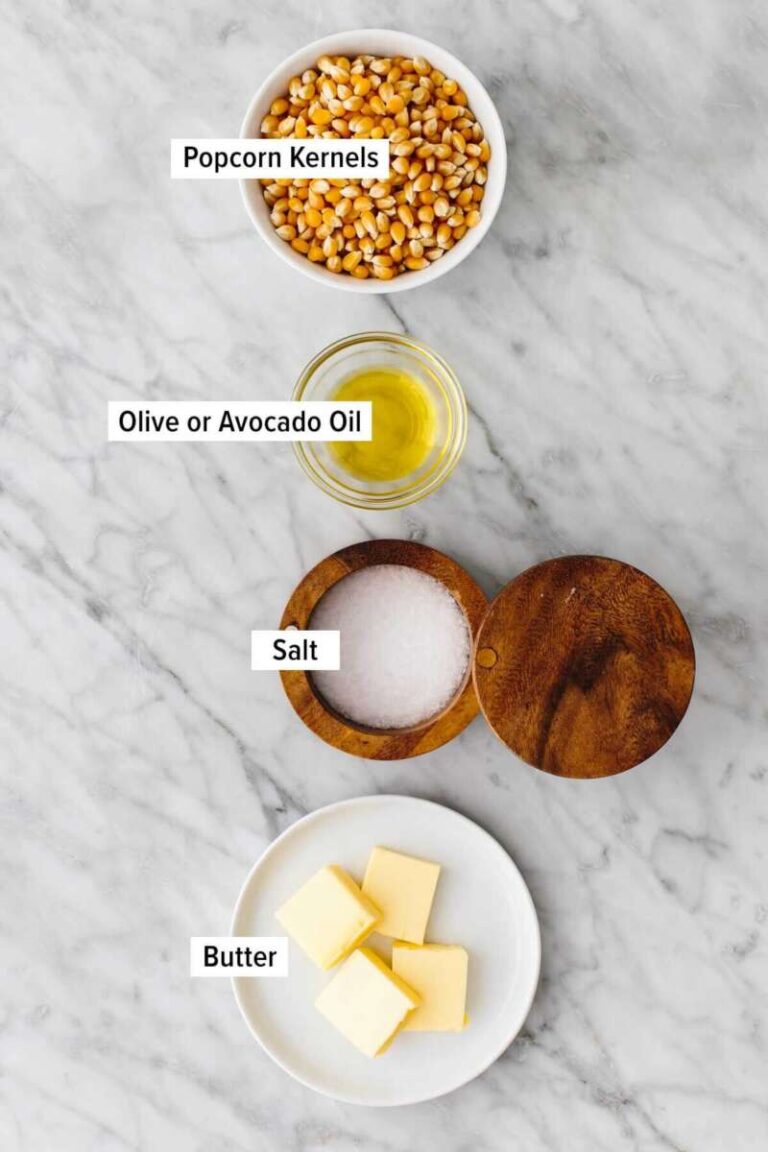
Use a heavy-bottomed pot with a lid. Add enough oil to lightly cover the base, then place two or three kernels in the oil as a heat test. When they pop, add the rest, cover the pot, and move it gently across the burner. Keep the lid slightly vented only if your pot design allows it safely, because steam can make popcorn soft.
Medium to medium-high heat usually gives you better control than maximum heat. Listen for the gap between pops rather than waiting for every kernel to open. When several seconds pass between pops, remove the pot from the burner. Pour the popcorn into a wide bowl at once, then add seasoning while the surface is still warm.
Oil Choices That Work Well
Neutral oils make it easier to taste the corn. Canola, grapeseed, avocado, peanut, and refined coconut oil can all work well when used within their heat limits. Extra-virgin olive oil adds flavor but may smoke sooner than refined oils. I prefer to use a small amount during popping and add butter after cooking, since butter contains water and milk solids that can burn.
Oil does more than prevent sticking. It spreads heat around the kernels and helps seasonings cling to the popped surface. Too much oil creates a greasy bowl, while too little may increase scorching. Start with a light coating, then adjust after you learn how your pot heats.
Yellow Versus White Popcorn Kernels
Yellow popcorn is the classic choice for large, bright pieces. It often looks like theater popcorn and stands up well to thick coatings. White popcorn tends to have a lighter color and a softer bite. Baby white popcorn takes that small, tender style even further.
Flavor differences are often subtle, especially after adding butter or spices. Texture is usually the bigger factor. If you want big pieces for caramel popcorn, choose yellow. If you want gentle bites and a less noticeable hull, try white or baby white kernels.
Freshness and Storage Tips
Popcorn kernels need the right moisture inside the shell to pop well. If kernels dry out too much, they may leave many unpopped pieces. If they absorb moisture, they may not store well and can develop an unpleasant odor. Store kernels in a cool, dry place away from sunlight, steam, and heat.
For large bags, use a clean airtight container with a tight lid. Label it with the opening date so you know which supply to use first. Do not refrigerate kernels unless the package instructions call for it, since temperature changes can create condensation. Buy bulk only when your household can use it at a steady pace.
What Makes a Kernel a Good Value?
Price per ounce matters, but it is not the only value measure. A large bag costs less per serving yet takes longer to finish. A small bag may cost more but reduce waste and protect freshness. Individual portions offer convenience, though extra packaging can raise the total price.
I also consider how many unpopped kernels remain. A cheap bag that leaves a large layer of hard kernels may not feel like a bargain. Texture matters too, especially if you eat popcorn often. A slightly higher price can make sense when the product gives you a better bite and fewer disappointments.
Health and Ingredient Considerations
Plain popcorn kernels are a whole-grain food. The final nutrition depends heavily on the oil, butter, sugar, and salt you add. Air-popped popcorn can be light, while a heavily coated batch can become a rich dessert. Stovetop cooking gives you direct control over every added ingredient.
Read the package if you need organic, non-GMO, gluten-free, or allergen information. These claims can vary by product and may change over time. If you have a food allergy, check the current label and facility statement before buying. I never treat a front-of-package claim as a substitute for the full ingredient panel.
Common Stovetop Mistakes
The most common mistake is using too much heat. High heat may pop kernels quickly, but it can burn the oil and leave some kernels unopened. Another mistake is filling the pot too deeply. Popped corn needs room to expand, and an overfilled pot makes it harder to shake the kernels evenly.
Some cooks lift the lid too often. That releases heat and makes the popping cycle uneven. Others season too late, after the popcorn has cooled and the salt falls to the bottom. Cook in smaller batches, keep the pot moving gently, and season while the popcorn is warm.
My Recommendation
After comparing package size, texture, versatility, and ease of storage, I recommend Orville Redenbacher’s Original Yellow kernels in the 30-ounce bag for most people. It gives you classic stovetop popcorn without forcing you to store a huge supply. Choose the 8-pound Orville bag if your family makes popcorn often, or choose Anthony’s if organic labeling matters. For tender bites, Amish Country Baby White is the standout.
The best popcorn kernels for stovetop use depend on your goal. Snappy Yellow and Snappy White are better for bulk users, while Perfectware helps with measured portions. Amazon Saver is a sensible low-cost option for casual snacking. All nine products can work well when you store them dry and cook them over controlled heat.
| Best for | Why |
|---|---|
| Most home kitchens | Orville Redenbacher’s 30-ounce yellow kernels offer familiar results and easy storage. |
| Tender texture | Amish Country Baby White produces small, gentle pieces with a light bite. |
| Large families and events | Snappy Yellow or White 12.5-pound bags provide a long-lasting bulk supply. |
FAQs Of best popcorn kernels for stovetop
What are the best popcorn kernels for stovetop cooking?
For most people, medium-size yellow kernels are the easiest choice. They create familiar, fluffy popcorn and work with many oils and toppings. White or baby white kernels may suit you better if you prefer a softer bite.
How much oil should I use for stovetop popcorn?
Use enough oil to lightly cover the bottom of the pot. The exact amount depends on the pot size and batch. Too much oil can make the popcorn greasy, while too little may cause sticking or scorching.
Why do some popcorn kernels not pop?
Kernels may fail to pop because they are too old, too dry, or heated unevenly. A crowded pot can also prevent even cooking. Store kernels in an airtight container and use moderate heat with gentle shaking.
Are white kernels better than yellow kernels?
Neither type is always better. Yellow kernels often make larger, classic-looking popcorn. White kernels usually offer a lighter color and more tender texture, so the better choice depends on your preference.
How should I store popcorn kernels?
Keep them in a sealed container in a cool, dry cupboard. Protect them from steam, sunlight, and heat. Avoid buying a very large bag unless you can use it regularly.
Final Verdict: Which Should You Buy?
For most shoppers, Orville Redenbacher’s 30-ounce Yellow kernels are the best popcorn kernels for stovetop use. Choose Amish Country Baby White for tenderness, Anthony’s for organic labeling, or Snappy for bulk value.
Fresh kernels, steady heat, and a good pot matter as much as the brand. Pick the size and texture that fit your home, then enjoy crisp, warm popcorn made your way.

Liora Pennings is a seasoned chef and kitchen enthusiast with a passion for turning everyday cooking into an effortless experience. With years of hands-on culinary expertise, she specializes in practical techniques, ingredient know-how, and smart kitchen solutions that help home cooks elevate their meals. At KitchFlair.com, Liora shares her best tips, time-saving tricks, and honest product reviews to guide readers toward a more efficient, enjoyable, and inspired cooking routine. Whether you’re a beginner or a seasoned home chef, Liora’s friendly, knowledge-packed insights make every visit to the kitchen a little easier—and a lot more delicious.