Where To Buy Vacuum Cleaner: Best Places To Shop
The best place to buy a vacuum cleaner depends on your budget, floor type, needed features, and return policy.
Knowing where to buy a vacuum cleaner can save you money, time, and a great deal of frustration. A vacuum may look perfect online yet feel heavy, loud, or weak once you use it at home. This guide compares trusted stores, online sellers, brand websites, and local retailers so you can choose with confidence.
Where to Buy a Vacuum Cleaner: Your Main Options
The best place to buy a vacuum cleaner is one that offers fair prices, clear product details, easy returns, and reliable customer support. Different stores suit different shoppers, so there is no single answer for everyone.
Here are the most common places to shop:
• Major retailers: Stores such as Walmart, Target, Costco, Best Buy, and Home Depot often carry popular vacuum brands.
• Online marketplaces: Amazon and similar sites offer a very wide range of models, prices, and customer reviews.
• Manufacturer websites: Brands such as Dyson, Shark, Miele, Bissell, Hoover, and Kenmore sell directly to customers.
• Specialty vacuum stores: Local dealers often provide expert advice, demonstrations, repairs, and replacement parts.
• Warehouse clubs: Costco and Sam’s Club may offer strong prices, extended warranties, or generous return policies.
• Refurbished sellers: Certified refurbished models can reduce the price while still offering some warranty protection.
A good buying experience is like choosing a pair of shoes. The brand matters, but fit matters more. A vacuum must match your floors, home size, cleaning habits, and storage space.

Best Places to Buy a Vacuum Cleaner Online
Online shopping is often the fastest way to compare vacuum cleaners. You can check prices, read customer feedback, view specifications, and order from home.
Amazon is useful for product variety. It carries cordless stick vacuums, robot vacuums, canister models, upright cleaners, handheld units, and wet-dry machines. However, check who sells and ships the product. A vacuum sold by the brand or an approved seller is usually a safer choice than an unknown third-party listing.
Manufacturer websites are another strong option. Brand sites often include:
• Full technical specifications
• Warranty details
• Replacement filters and batteries
• Product registration
• Demonstration videos
• Customer service contact information
• Certified refurbished options
Online marketplaces can have lower prices, especially during holiday sales. Still, a low price is not always the best deal. Check whether the package includes the correct charger, tools, battery, filters, and warranty.
Before you buy a vacuum cleaner online, read recent reviews rather than relying only on the overall star rating. Search reviews for words such as “battery,” “pet hair,” “suction,” “noise,” “weight,” and “replacement parts.” These details often reveal more than a product description.
Best Retail Stores for Buying a Vacuum Cleaner
Brick-and-mortar stores let you see the vacuum before you buy it. This matters more than many shoppers expect.
At a store, test the handle height and weight. Push the vacuum across the floor. Try turning it around a corner. If possible, inspect how easily the dust bin opens and how the cord or hose stores.
Major retailers are often a good choice when you want:
• Same-day pickup
• Easy returns
• Seasonal discounts
• In-store financing
• Access to several brands
• Help from a sales associate
Warehouse clubs can be especially attractive for families. They may offer good prices and longer return windows. However, their model selection can be limited, and some products may be special versions made only for that retailer.
Specialty vacuum stores are ideal when you need expert advice. A local dealer may know which machines work well on thick carpet, hardwood floors, stairs, or large homes. Many also carry belts, bags, filters, hoses, and batteries.
One common mistake is buying a vacuum only because it is on sale. I recommend treating the discount as a bonus, not the main reason to buy. A vacuum that fits your home can save more money over time than a cheap model that must be replaced quickly.
Where to Buy a Vacuum Cleaner for Different Needs
Your cleaning needs should guide where to buy a vacuum cleaner and which type to choose. A compact apartment needs a different machine from a large home with pets and thick rugs.
Best place to buy a vacuum cleaner for pet hair
For pet hair, look for strong brush roll design, tangle control, sealed filtration, and easy brush cleaning. Pet owners may benefit from an upright vacuum, a powerful cordless stick vacuum, or a canister model with a motorized floor tool.
Read reviews from people with pets. A vacuum can perform well on bare floors but struggle with hair pressed into carpet. Look for comments about long hair, fine dander, and cleaning around furniture.
Best place to buy a vacuum cleaner for hardwood floors
Hardwood floors need gentle cleaning. Choose a model with soft brush settings, suction control, and wheels that do not scratch delicate surfaces.
A specialty store can help you choose a canister vacuum with a parquet tool. Online, use search terms such as “hardwood floor attachment” and “soft roller.” Avoid using a stiff rotating brush on floors that the manufacturer says require gentle care.
Best place to buy a vacuum cleaner for allergies
People with allergies should look for a sealed system and a high-efficiency filter. A HEPA filter can capture very small particles, but the whole vacuum must also prevent dusty air from escaping around the filter and body.
Manufacturer websites are useful for checking filtration claims. Look for clear details about filter replacement, bag sealing, and maintenance. Emptying a dusty bin can release particles, so a bagged vacuum may be more comfortable for some allergy sufferers.
Best place to buy a vacuum cleaner for a small apartment
A lightweight stick vacuum or compact canister is often practical for an apartment. Measure your storage space before buying. A tall upright may clean well but become a daily annoyance if it cannot fit in a closet.
Retail stores are helpful here because you can test weight and storage size. Online listings are helpful for comparing battery life and dimensions.
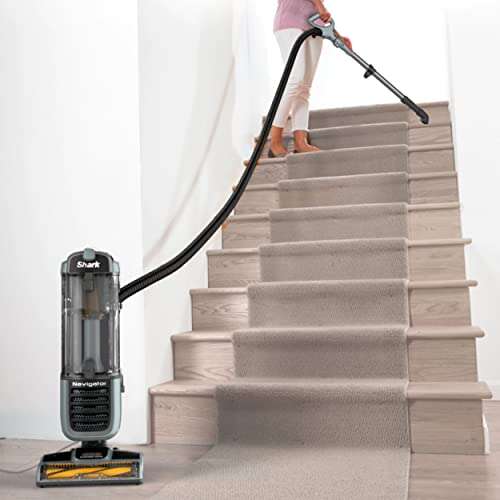
Best place to buy a vacuum cleaner for stairs
Stairs require a machine that is light, easy to carry, and flexible. A handheld vacuum, cordless stick vacuum, or compact canister may work better than a heavy upright.
Check the hose length and tool design. A short hose can force you to balance the vacuum on a step, which is unsafe and awkward.
How to Choose Where to Buy a Vacuum Cleaner
Use a simple checklist before choosing a seller. It can prevent an attractive deal from becoming an expensive mistake.
-
Identify your floor types. List hardwood, tile, low-pile carpet, thick carpet, rugs, and stairs.
-
Set a realistic budget. Include filters, bags, batteries, tools, and possible repair costs.
-
Choose the right vacuum type. Decide between upright, canister, stick, handheld, robot, or wet-dry.
-
Check the return policy. Confirm the return period, restocking fees, shipping rules, and condition requirements.
-
Read the warranty. Find out whether it covers the battery, motor, hose, charger, and brush roll.
-
Confirm replacement parts. Filters, belts, bags, batteries, and brush rolls should be easy to find.
-
Compare the complete package. A vacuum with many tools may cost more but offer better value.
-
Check the seller. Buy from the manufacturer, an established retailer, or an authorized dealer when possible.
-
Look at long-term reviews. Focus on performance after several months, not only first impressions.
-
Consider service. A local repair shop or brand service center can extend the life of your vacuum.
The lowest price should not be your only measure of value. A vacuum with a replaceable battery and available filters may cost more at first but last longer.
Vacuum Cleaner Types and Where to Buy Them
Understanding vacuum types makes it easier to decide where to buy a vacuum cleaner.
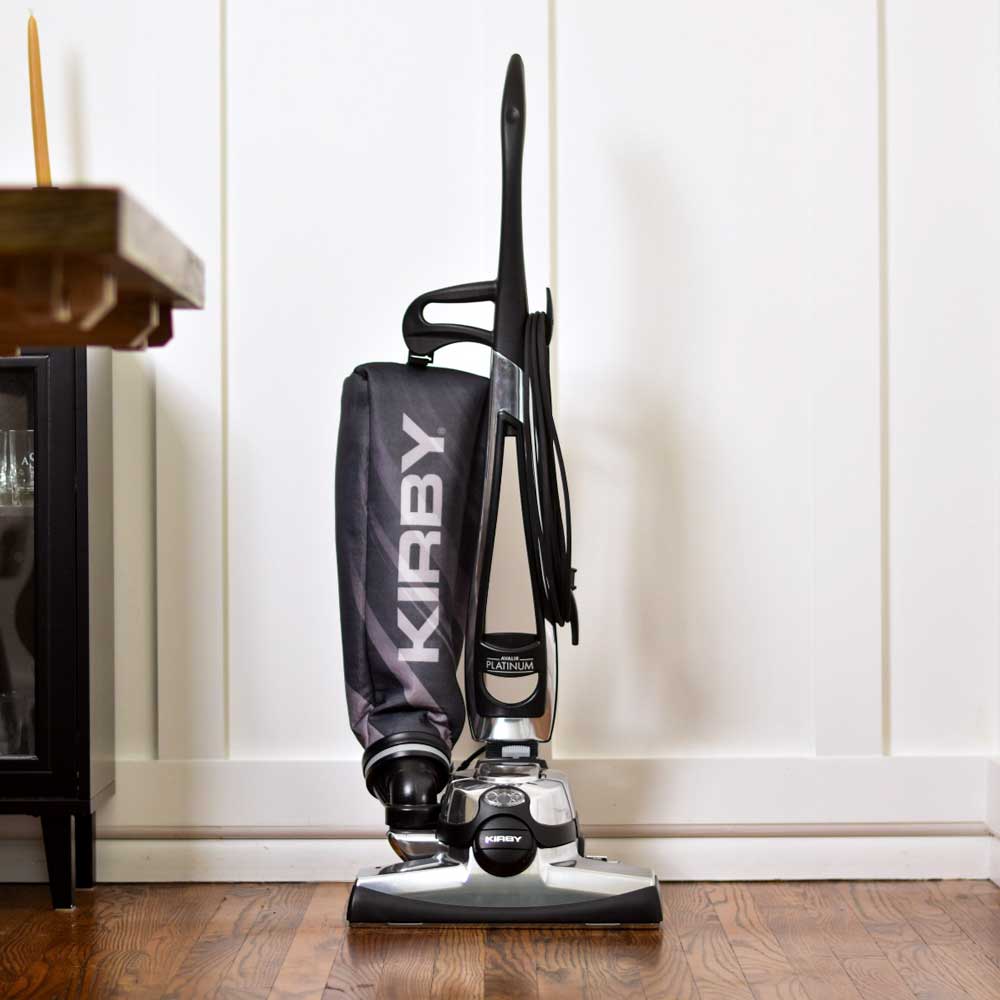
Upright vacuums
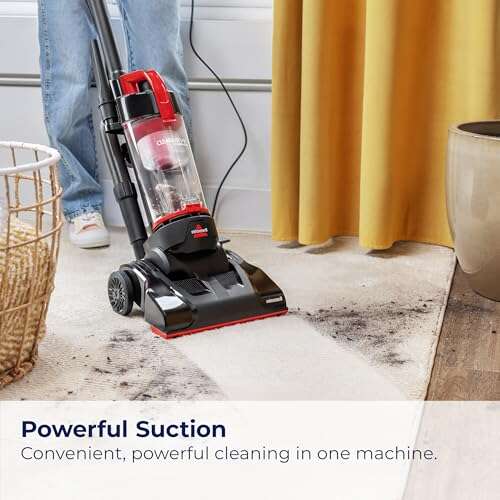
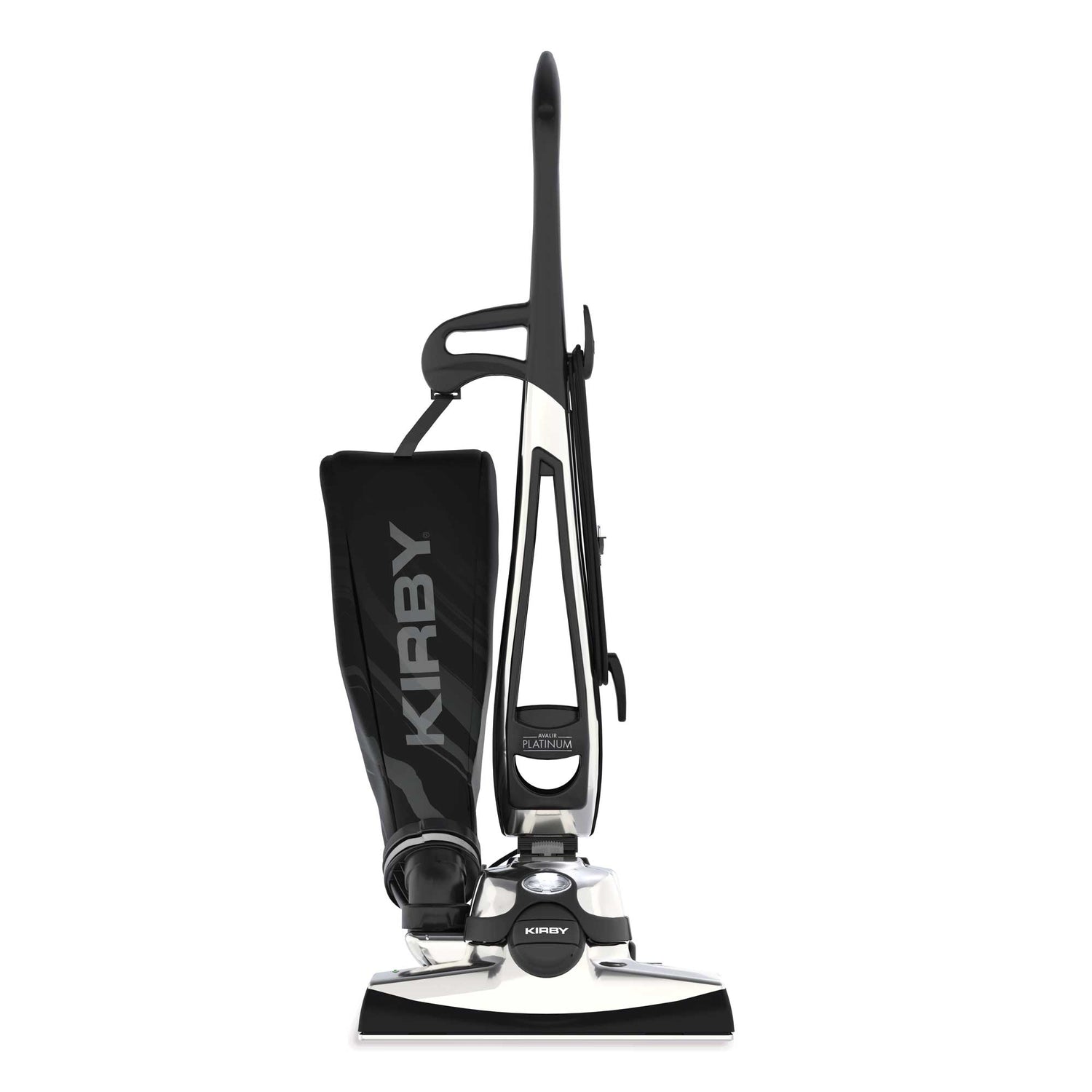
Upright vacuums are popular for carpet and large floor areas. They often provide strong cleaning power and wide floor heads. They can be heavy, though, and may be less convenient on stairs.
Major retailers and manufacturer websites usually offer the largest selection of upright models.
Canister vacuums
Canister vacuums have a separate body connected to a hose. They are often easy to pull across floors and useful for stairs, furniture, and hard surfaces.
Specialty vacuum stores are a good place to buy a canister vacuum because staff can help match floor tools to your home.
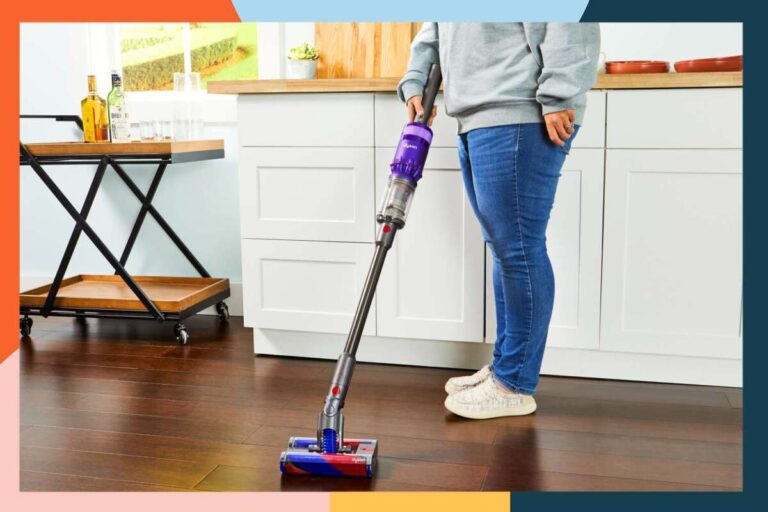
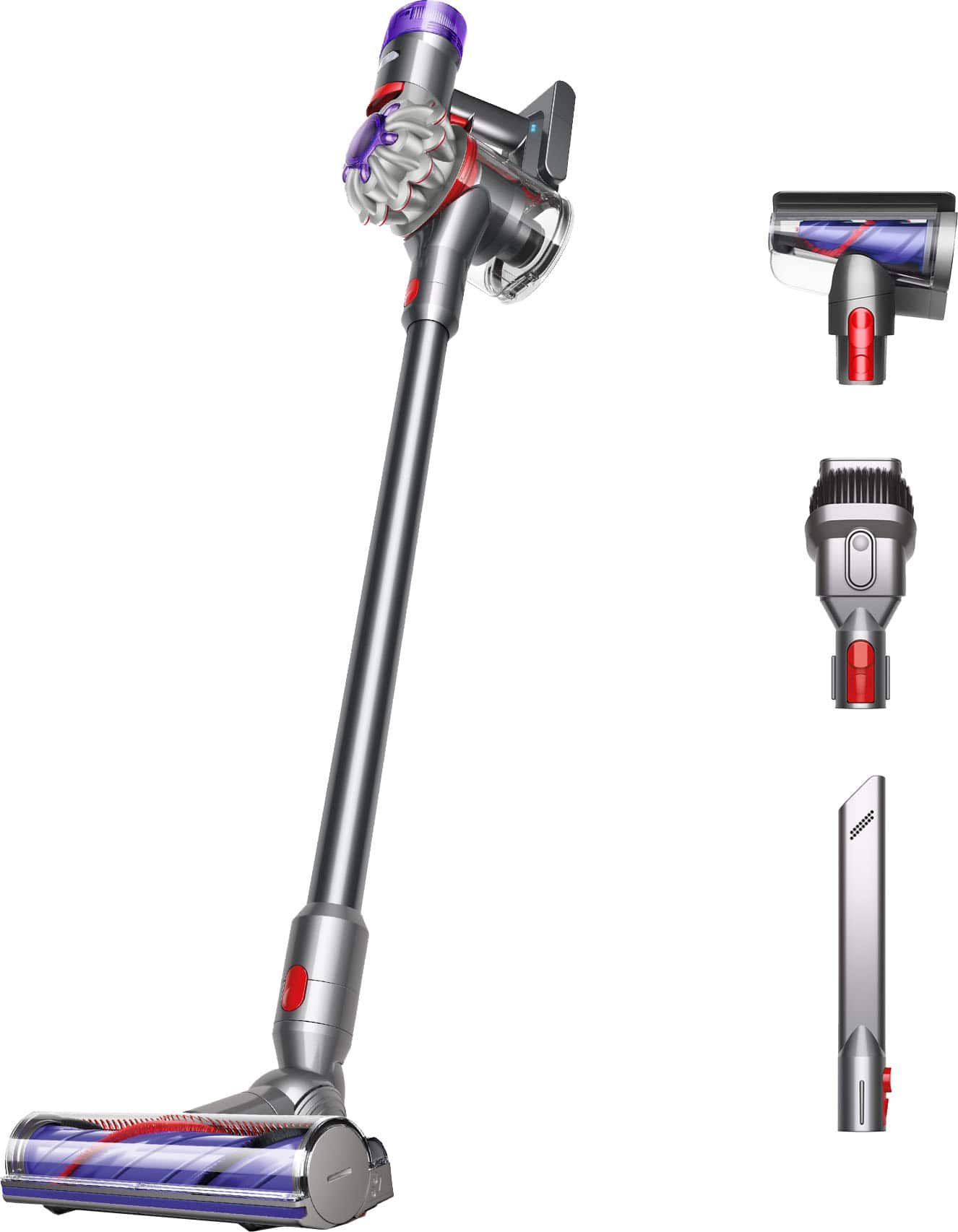
Cordless stick vacuums
Cordless stick vacuums are light and convenient for quick cleaning. Their limits may include short battery life, small dust bins, and reduced power in low-cost models.
Buy from a seller with a clear battery warranty. Batteries wear out, so check the replacement price before purchasing.
Robot vacuums
Robot vacuums can handle routine dust and crumbs while you work or relax. They are not a complete replacement for deep cleaning, stairs, or upholstery.
Online stores and brand websites make it easy to compare mapping, obstacle detection, self-emptying docks, and app features. Make sure the robot can fit under your furniture and cross the thresholds in your home.
Handheld vacuums
Handheld models are useful for cars, furniture, stairs, and small spills. They work best as a second vacuum rather than the only cleaner in a larger home.
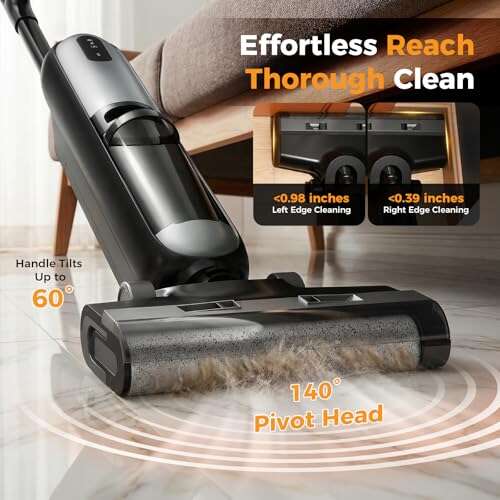
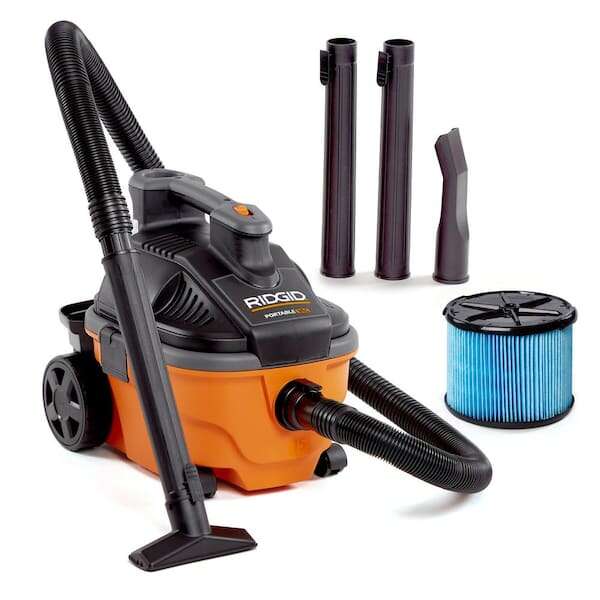
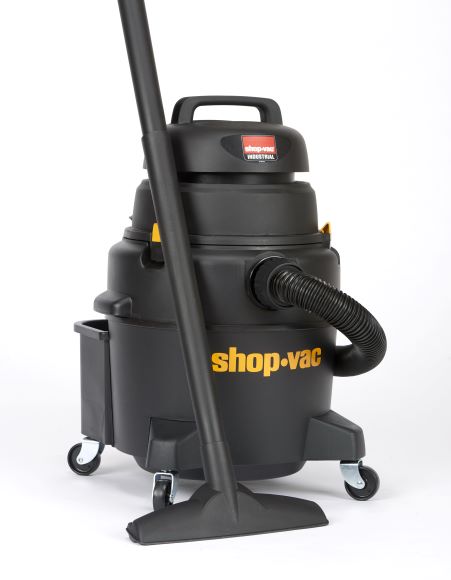
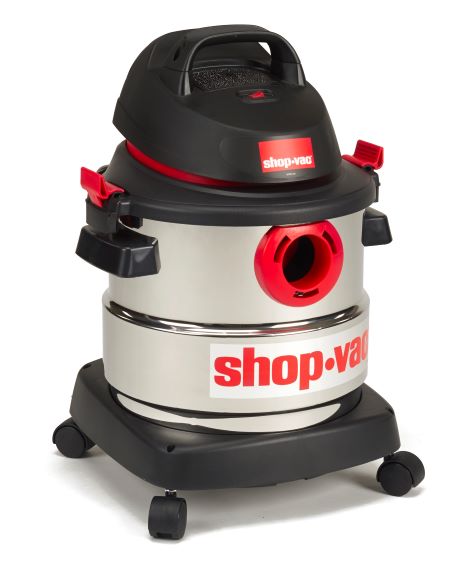
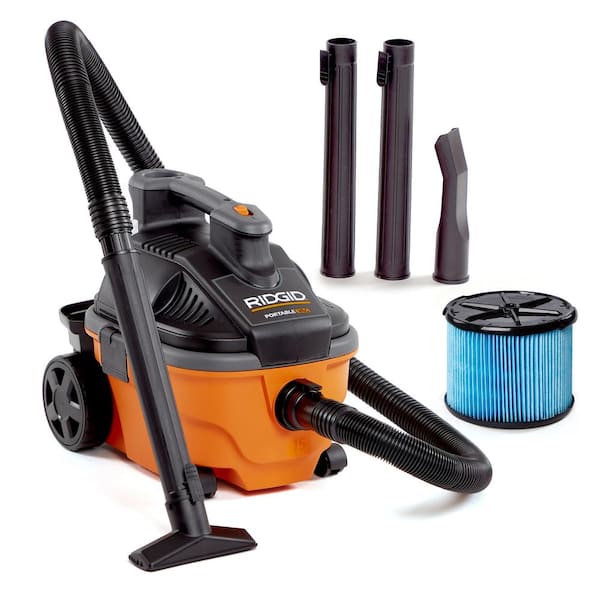
Wet-dry vacuums
Wet-dry vacuums are designed for specific liquid and debris cleanup. Do not assume every household vacuum can safely pick up water. Follow the product instructions closely to avoid electrical damage or mold inside the machine.
How to Compare Prices When You Buy a Vacuum Cleaner
Prices change often, especially during major shopping events. Compare the same model number across several sellers instead of comparing only brand names.
Pay attention to these costs:
• Replacement filters
• Vacuum bags
• Extra batteries
• Cleaning solution for wet models
• Extended warranties
• Shipping fees
• Repair or service charges
A vacuum priced at $150 may become more expensive than a $200 model if its battery is sealed and difficult to replace. Likewise, a bagged vacuum may require ongoing bag purchases, while a bagless model may need frequent filter washing and replacement.
Price history tools can show whether a discount is genuine. You can also check manufacturer promotions, retailer coupons, and bundle offers. Read the terms carefully, since some deals include older models or limited accessories.
A fair comparison also includes noise, weight, cleaning reach, and expected maintenance. These features affect daily comfort, even when they do not appear in the headline price.
Mistakes to Avoid When Buying a Vacuum Cleaner
Many poor purchases happen because shoppers focus on one feature. Strong suction alone does not guarantee good cleaning.
Avoid these mistakes:
• Buying without checking floor compatibility
• Ignoring the vacuum’s weight
• Trusting only the star rating
• Forgetting to check battery replacement costs
• Choosing a machine with no nearby parts or service
• Assuming “HEPA-style” means certified HEPA filtration
• Overlooking the return deadline
• Buying a robot vacuum without measuring furniture clearance
• Using a wet-dry vacuum outside its intended purpose
• Selecting a very small dust bin for a home with pets
Another common error is failing to inspect the brush roll. Long hair can wrap around it and reduce cleaning performance. A removable brush roll or built-in anti-tangle system can make maintenance much easier.
The best place to buy a vacuum cleaner is one that lets you correct a poor fit. A good return policy is valuable because real-world use reveals problems that product photos cannot show.

How to Check a Vacuum Cleaner Before the Return Period Ends
Once your vacuum arrives, test it soon. Do not leave it sealed in the box until the return deadline is near.
Use it on each major floor type in your home. Check whether it picks up crumbs, dust, hair, and larger debris. Listen for unusual sounds and notice whether the machine overheats or loses power.
Also test:
• Handle comfort
• Steering
• Cord or battery reach
• Dust-bin removal
• Filter access
• Brush-roll cleaning
• Attachments
• Noise level
• Storage needs
Keep the packaging and receipt until you are sure the vacuum works for you. Take note of the exact model number and register the warranty if required.
If performance declines quickly, inspect the filter and brush roll before assuming the motor has failed. A blocked filter or wrapped brush can make a good vacuum seem defective.

Frequently Asked Questions About Where to Buy a Vacuum Cleaner
Where is the best place to buy a vacuum cleaner?
The best place depends on your priorities. Choose a major retailer for easy returns, a manufacturer website for warranty support, or a specialty store for expert advice and repairs.
Is it better to buy a vacuum cleaner online or in a store?
Online shopping offers more variety and easy price comparison. A physical store lets you test the weight, steering, handle, noise, and storage size before you buy.
Should I buy a vacuum cleaner from the manufacturer?
Buying directly from the manufacturer can provide clear warranty support, genuine parts, and access to the full product range. Still, compare the price and return policy with trusted retailers.
What is the best vacuum cleaner to buy for pet hair?
Choose a vacuum with a motorized brush roll, strong filtration, easy hair removal, and a sealed system. Upright and cordless models can both work well, but performance varies by floor type and pet hair length.
How much should I spend on a vacuum cleaner?
A reliable vacuum can cost from under $100 to well over $500. Set your budget based on floor area, pets, allergies, cleaning frequency, parts availability, and expected lifespan.
Are refurbished vacuum cleaners worth buying?
A certified refurbished vacuum can be a good value if it includes a warranty, tested parts, and a clear return policy. Avoid used machines with worn batteries, missing tools, or no service support.
How long should a vacuum cleaner last?
Lifespan depends on build quality, maintenance, and use. Regular filter cleaning, brush-roll care, and timely replacement of worn parts can help a vacuum last much longer.
Conclusion
Finding where to buy a vacuum cleaner becomes easier when you match the seller and machine to your real needs. Compare floor type, weight, filtration, battery life, parts, warranty coverage, price, and return rules before you order.
Major retailers offer convenience, online stores provide variety, manufacturer websites support warranty care, and specialty shops offer valuable advice. Take time to test your new vacuum during the return period, and choose long-term value over a flashy discount.
Use this guide to narrow your options, compare trusted sellers, and buy a vacuum cleaner that makes daily cleaning simpler. Share your experience or explore more home-care guides to make your next purchase even smarter.

Liora Pennings is a seasoned chef and kitchen enthusiast with a passion for turning everyday cooking into an effortless experience. With years of hands-on culinary expertise, she specializes in practical techniques, ingredient know-how, and smart kitchen solutions that help home cooks elevate their meals. At KitchFlair.com, Liora shares her best tips, time-saving tricks, and honest product reviews to guide readers toward a more efficient, enjoyable, and inspired cooking routine. Whether you’re a beginner or a seasoned home chef, Liora’s friendly, knowledge-packed insights make every visit to the kitchen a little easier—and a lot more delicious.