How To Fix Vacuum Cleaner Handle Cracking At Home: DIY
Use epoxy or plastic welding and reinforce with a metal or PVC sleeve for lasting home repair.
I have fixed dozens of cracked vacuum handles in my own home and for friends. This guide walks you through how to fix vacuum cleaner handle cracking problem at home with step-by-step repairs, clear material choices, and safety tips. You will learn to assess damage, pick the best repair method, reinforce or replace the handle, and prevent future cracks — all using tools most people already have. Read on to save money, extend the life of your vacuum, and get back to cleaning with confidence.
Why handles crack and what to expect
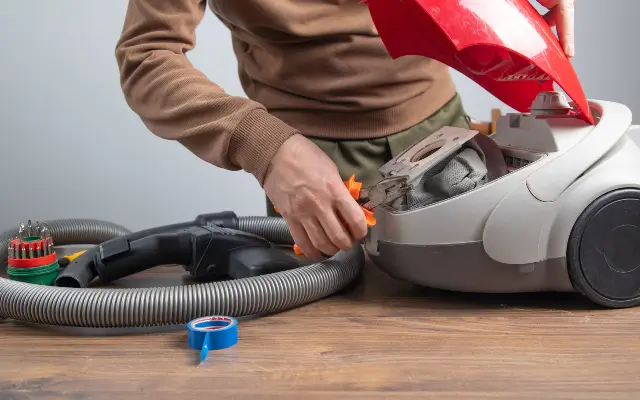
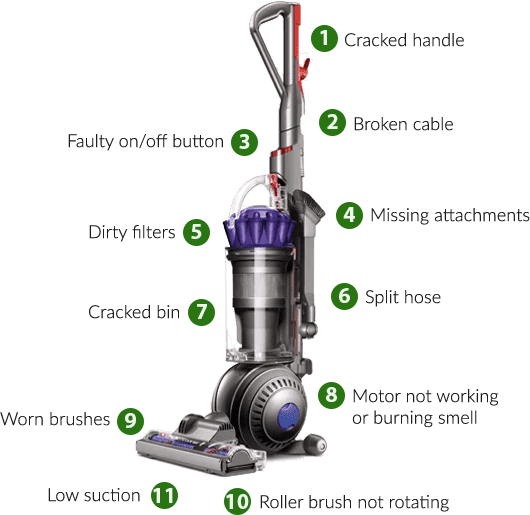
Handles crack for simple reasons. Repeated stress at weak points, impact drops, and plastic fatigue cause small cracks to grow. Some models use brittle plastics or hollow tubing that fractures more easily. Knowing why the failure happened helps choose the right fix when you want to know how to fix vacuum cleaner handle cracking problem at home.
Common failure modes include stress cracks near joints, shear breaks where two pieces join, and long splits along telescoping tubes. Expect cosmetic flaws, reduced rigidity, or a complete break that makes the vacuum unusable. Identifying the crack type guides whether to glue, weld, sleeve, or replace the part.
Tools and materials you need for home repair
Gather simple tools before you start. Good preparation speeds repairs and improves results when fixing vacuum cleaner handle cracking problem at home.
Essential tools and materials
- Epoxy resin rated for plastic bonding
- Plastic welding kit or soldering iron with plastic rod (for strong repairs)
- Sandpaper in 80, 120, and 220 grits
- Cleaning alcohol or acetone and lint-free cloths
- Clamps or heavy tape to hold pieces while curing
- Metal or PVC sleeve for reinforcement
- Drill and small screws (optional for mechanical reinforcement)
- Rubber gloves and safety glasses
Optional helpful items
- Fiberglass cloth or mesh for composite reinforcement
- Heat gun for shaping plastic sleeves
- Replacement handle or spare parts if repair is not feasible

How to assess the damage (quick inspection steps)
A quick, consistent inspection avoids wasted effort. Follow these 5 steps when assessing how to fix vacuum cleaner handle cracking problem at home.
Inspection steps
- Examine the crack location and length under good light.
- Check whether the crack affects structural joints or the tube wall.
- Wiggle the handle to identify any hidden weaknesses.
- Measure thickness and hollow vs. solid construction.
- Decide if repair is feasible or if replacement is safer.
If the crack is hairline and not at a high-stress joint, adhesive or plastic welding will likely work. If the handle is crushed or the break is across a joint, plan for reinforcement or replacement.

Small crack repair: epoxy and prep (step-by-step)
Small cracks are the easiest to fix at home. This method explains how to fix vacuum cleaner handle cracking problem at home when the damage is minor.
Steps
- Clean the area with alcohol or acetone and let it dry for at least five minutes.
- Lightly sand the crack and a 1-inch area around it with 120-grit sandpaper to remove glaze.
- Mix a two-part epoxy designed for plastics following manufacturer directions.
- Apply epoxy into the crack using a small brush or toothpick. Press pieces together and wipe excess.
- Clamp or tape the handle so the joint stays aligned while the epoxy cures. Allow full cure time.
- Sand the repair smooth with 220-grit, then consider painting to match.
This method is fast and inexpensive. For best results, choose an epoxy listed for polycarbonate, ABS, or the specific plastic your handle uses.

Plastic welding and fusion for a stronger fix
Plastic welding fuses material and gives a stronger repair than glue. Use this method to fix vacuum cleaner handle cracking problem at home when you need durability.
Steps
- Identify the plastic type if possible. Test a small tucked-away area with a heat source to judge melting behavior.
- Clean and roughen the area. Heat the soldering iron or plastic welder to the correct temperature.
- Use a matching plastic welding rod and feed it into the joint while melting both the rod and the handle edge.
- Fill the crack and build an inner and outer bead to restore strength.
- Use a flat tool to smooth the weld while still warm. Allow to cool, then sand lightly.
Plastic welding creates a near-original strength bond. Practice on scrap plastic first to avoid excessive burning or weak beads.

Reinforcement options: sleeves, clamps, and internal rods
Reinforcement makes the handle stronger than the original part. When you learn how to fix vacuum cleaner handle cracking problem at home, consider adding a sleeve or internal rod for longevity.
Common reinforcement techniques
- Metal sleeve: Slide a thin, sized metal tube over the cracked area after shaving or splitting for a snug fit. Secure with epoxy or screws.
- PVC sleeve: Heat a short PVC piece to fit and glue with epoxy for a hidden, rigid brace.
- Internal rod: Insert a metal or wooden dowel inside hollow tubing and secure with epoxy for internal strength.
- External wrap: Use fiberglass cloth and epoxy to form a composite sleeve.
These options help with high-stress repairs and telescoping handles. Choose reinforcement thickness to avoid loss of fit or range of motion.

Replacing the handle: when repair isn’t enough
Some failures require replacement. Learn when to repair and when the best option is to replace when fixing vacuum cleaner handle cracking problem at home.
When to replace
- Major crushing or multiple breaks along the tube.
- Joints that are deformed or no longer align.
- Repair costs approach or exceed replacement cost.
- Safety risk from brittle material that may shatter.
How to source replacements
- Check manufacturer spare parts or universal handles.
- Measure diameter and connector style before buying.
- Use online marketplaces or local repair shops for compatible parts.
Installation is often simple: remove fasteners, slide out the broken handle, and attach the new one following manufacturer torque specs.

Cost, time, and pros/cons of DIY repair
Knowing trade-offs helps you decide. Understand costs and timelines for how to fix vacuum cleaner handle cracking problem at home.
Typical cost and time
- Epoxy repair: low cost, 30–90 minutes plus cure time.
- Plastic welding: moderate cost, 1–2 hours including practice.
- Sleeve reinforcement: low to moderate cost, 1–2 hours.
- Full replacement: variable cost, 30–60 minutes to install.
Pros and cons
- Pros: Save money, fast return to use, customize strength, low waste.
- Cons: May not match factory finish, possible loss of telescoping range, repairs can reveal deeper damage.
Make a practical decision based on safety, cost, and how much longer you want to keep the vacuum.
Safety tips and best practices
Safety matters during every repair. Follow these tips when working to fix vacuum cleaner handle cracking problem at home.
Safety checklist
- Work in a well-ventilated area when using solvents or welding.
- Wear gloves and safety glasses.
- Avoid inhaling dust when sanding plastics.
- Test repaired handle gently before heavy use.
- Keep children and pets away during repairs.
These simple steps prevent injury and ensure a clean, durable repair.
Troubleshooting and common mistakes to avoid
Even simple repairs can go wrong. Here are common mistakes and how to avoid them when fixing vacuum cleaner handle cracking problem at home.
Mistakes and fixes
- Using the wrong adhesive: Match glue to plastic type; otherwise bond fails.
- Skipping surface prep: Clean and sand for adhesion and long life.
- Overheating during welding: Practice first to avoid burning plastic.
- Not reinforcing high-stress areas: Add sleeve or rod for telescoping handles.
- Rushing cure times: Full strength requires proper curing and patience.
I once rushed an epoxy cure and the handle failed under pressure. Lesson learned: follow cure specs and reinforce when in doubt.
Preventive maintenance to avoid future cracks
Prevention saves time and money. Apply these habits after learning how to fix vacuum cleaner handle cracking problem at home.
Preventive tips
- Avoid dropping your vacuum and store it upright.
- Handle with two hands when cleaning stairs or heavy tasks.
- Clean and lubricate telescoping tubes to reduce binding.
- Inspect the handle periodically for early signs of stress.
- Use protective sleeves or tape over high-wear areas.
A little care prevents many common failures and extends the vacuum’s life.
Personal tips from experience
From my years repairing household items, a few practical tips stand out. These make repairs simpler and stronger when you fix vacuum cleaner handle cracking problem at home.
Personal tips
- Keep a small repair kit with epoxy, sandpaper, and a clamp.
- Practice plastic welding on discarded containers before working on the handle.
- Use a slightly oversized internal rod for hollow handles for snug fit.
- Label replacement parts with model numbers for future queries.
- Take photos of the assembly before disassembly to ease reassembly.
These small practices have saved me time and prevented repeat failures.
Frequently Asked Questions of how to fix vacuum cleaner handle cracking problem at home
How do I know if my handle can be repaired?
If the crack is localized and the tube still aligns, repair is usually possible. Severe deformation, crushed sections, or multiple breaks may require replacement.
What adhesive works best for plastic handles?
Two-part epoxy rated for plastics or dedicated plastic adhesive works best. For stronger bonds consider plastic welding.
Can I use super glue for cracks?
Super glue works for tiny hairline cracks but is brittle and may fail under stress. Use epoxy or welding for durable repairs.
How long should I wait before using the vacuum after repair?
Follow the adhesive or epoxy cure time—typically 24 hours for full strength. Plastic welds cool faster but still benefit from a few hours of rest.
Is it cheaper to repair or replace the handle?
Small repairs are usually cheaper than replacement. If cost of parts and time approaches replacement price, replacing may be better.
Can reinforcement change telescoping function?
Yes. Adding internal rods or thick sleeves can reduce telescoping travel. Measure carefully to preserve motion or choose external reinforcement.
Conclusion
You can fix most vacuum handle cracks at home with the right approach. Assess the damage, choose between epoxy, plastic welding, reinforcement, or replacement, and follow safety and prep steps for a durable result. Start with small repairs and build confidence before trying more advanced welding or sleeving. Try one method today, and share your results or questions below — your next repair might be faster and stronger than you expect.

Liora Pennings is a seasoned chef and kitchen enthusiast with a passion for turning everyday cooking into an effortless experience. With years of hands-on culinary expertise, she specializes in practical techniques, ingredient know-how, and smart kitchen solutions that help home cooks elevate their meals. At KitchFlair.com, Liora shares her best tips, time-saving tricks, and honest product reviews to guide readers toward a more efficient, enjoyable, and inspired cooking routine. Whether you’re a beginner or a seasoned home chef, Liora’s friendly, knowledge-packed insights make every visit to the kitchen a little easier—and a lot more delicious.