How Much Is A Roomba Vacuum Cleaner: 2026 Price Guide
A Roomba vacuum cleaner costs about $180 to $1,400, depending on its features, model, and sales price.
Knowing how much is a Roomba vacuum cleaner helps you set a realistic budget before you shop. Prices vary by suction power, navigation, self-emptying, mopping, battery life, and smart-home features. This guide breaks down the current US price ranges, ownership costs, model types, and the best value for different homes.
How Much Is a Roomba Vacuum Cleaner?
How much is a Roomba vacuum cleaner at a typical US retailer? Most new models cost between $180 and $1,400 before tax. Entry-level robots cover basic vacuuming, while premium models add advanced mapping, obstacle recognition, automatic dirt disposal, and mopping.
Here is a simple price guide:
| Roomba type | Typical US price | Best for |
|---|---|---|
| Basic robot vacuum | $180–$300 | Small homes and hard floors |
| Mid-range Roomba | $300–$600 | Homes with pets and mixed floors |
| Self-emptying Roomba | $400–$900 | Busy households |
| Premium vacuum and mop | $700–$1,400 | Large homes and hands-off cleaning |
| Older or refurbished model | $100–$400 | Shoppers with tight budgets |
These are normal price ranges, not fixed prices. iRobot often runs sales during holidays, store events, and new product launches. A model listed at $699 may drop to $399 during a major promotion.
The answer to how much is a Roomba vacuum cleaner also depends on whether you buy from the manufacturer, a large retailer, or a certified refurbished outlet. Check the warranty, return window, and included accessories before choosing the lowest price.
Roomba Price Ranges Explained
Budget Roomba models: $180 to $300
Budget models are made for simple daily cleaning. They usually handle dust, crumbs, hair, and light dirt on hard floors and low-pile rugs. Many include app control, scheduled cleaning, and basic sensors.
At this price, you may not get room-by-room mapping or a self-emptying base. The robot may clean in a less orderly pattern, and it may need more help around cords, toys, and chair legs.
A budget Roomba can still be a smart buy for an apartment, guest room, or small home. It works best when floors are kept clear and cleaning needs are simple.
Mid-range Roomba models: $300 to $600
Mid-range models often offer stronger cleaning and better navigation. Many can save maps, clean specific rooms, and detect dirtier areas. Some also include a self-emptying dock.
This price range is often the sweet spot for families. You get useful smart features without paying for every premium option. Pet owners should look for dual rubber brush rolls and strong hair pickup.
If you are asking how much is a Roomba vacuum cleaner for a home with pets, the mid-range category deserves close attention. It often gives better value than a low-cost unit that struggles with hair.
Premium Roomba models: $700 to $1,400
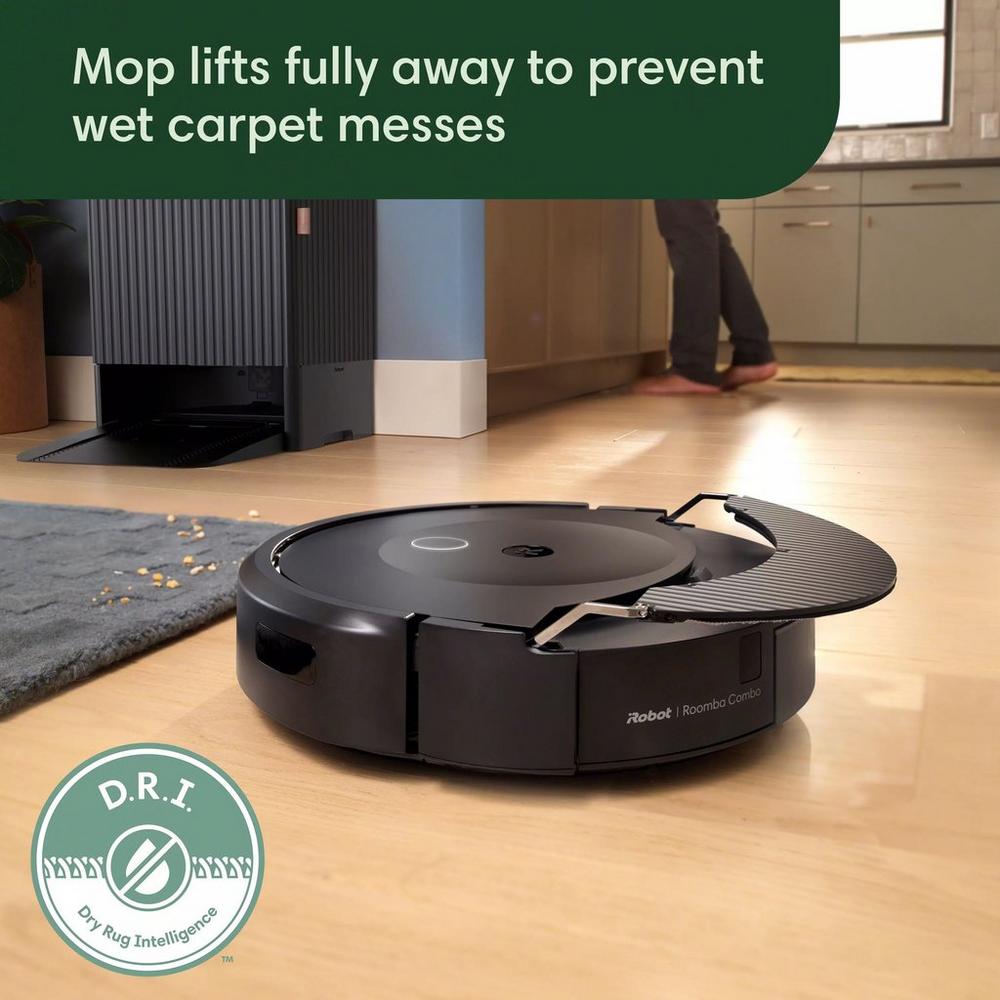
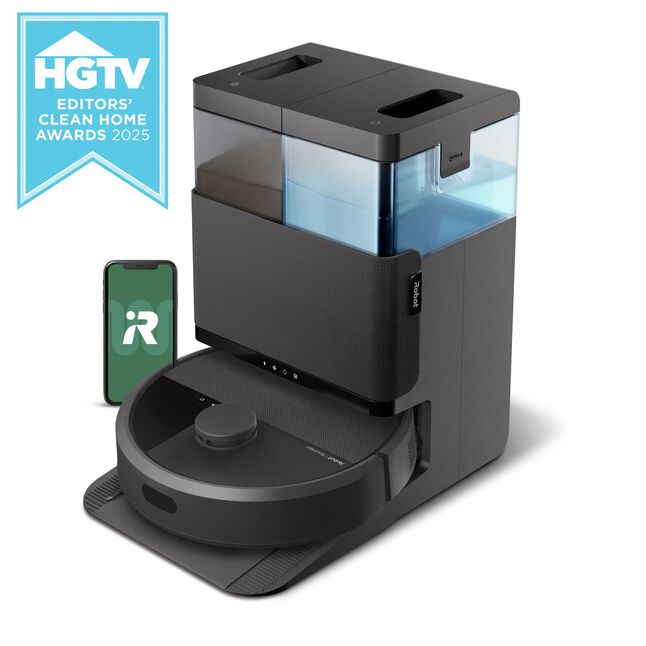
Premium models aim to reduce hands-on work. They may vacuum, mop, empty their own dustbin, wash mop pads, dry those pads, and refill water. Advanced cameras or sensors can help them avoid shoes, cords, and pet waste.
These machines are best for large homes or people who want a nearly automatic cleaning routine. They can save time, but they also have more parts to maintain.
The answer to how much is a Roomba vacuum cleaner at the premium level includes more than the robot itself. You may also pay more for replacement bags, filters, brushes, mop pads, and cleaning fluid.
What Makes One Roomba More Expensive Than Another?
Several features can raise the price of a Roomba. The most important ones affect cleaning results, navigation, and how often you must handle the robot.
Suction and brush design
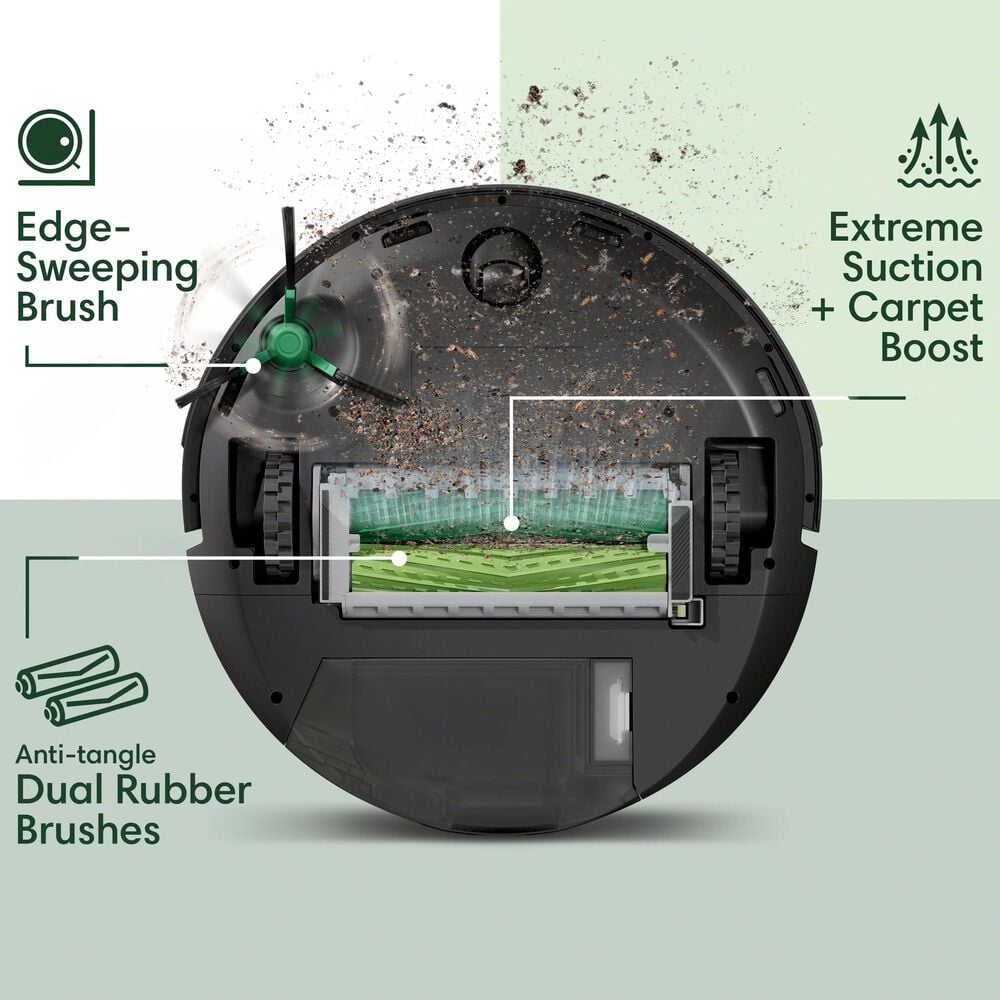
Strong suction helps remove dirt from rugs and carpets. Rubber brush rolls are useful for pet hair because they resist tangles better than many traditional bristle brushes.
Still, a higher suction rating does not guarantee better cleaning in every home. Brush design, airflow, floor type, and the robot’s cleaning pattern also matter.
Smart navigation
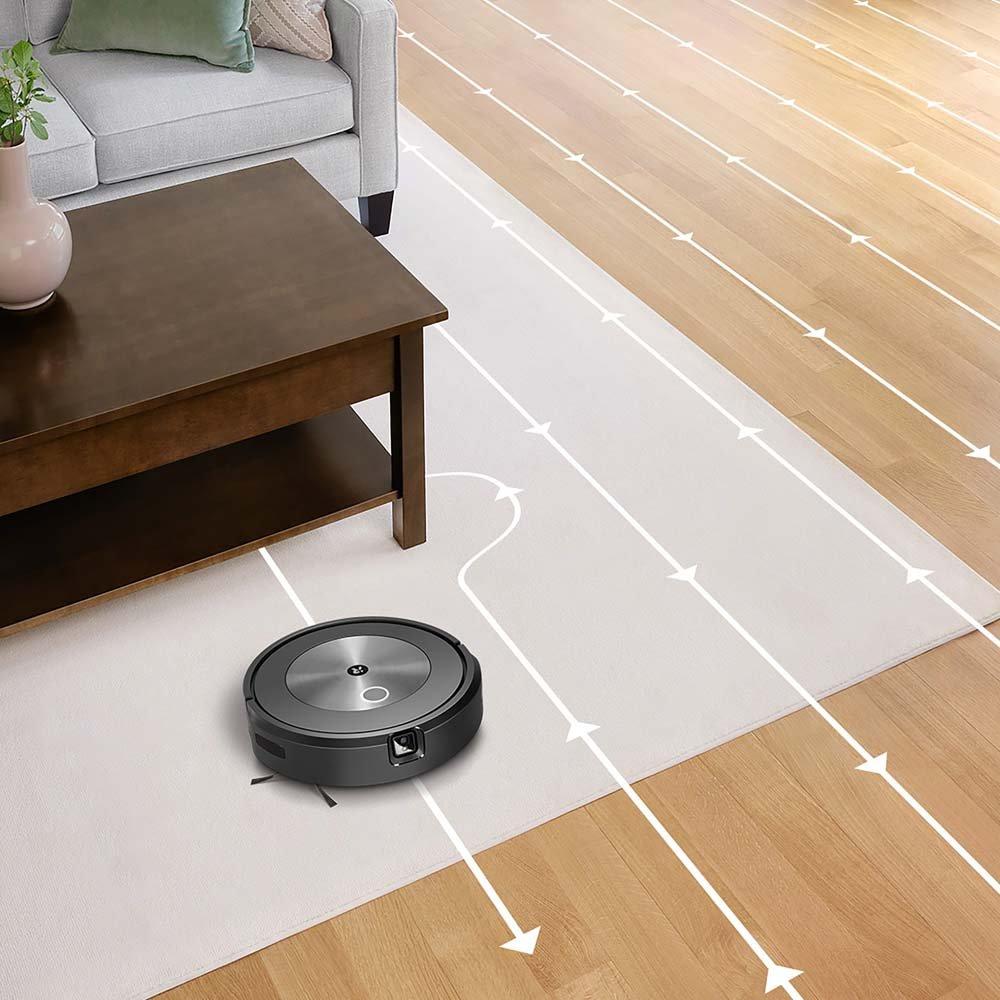
Basic robots may move in a random pattern. More advanced Roombas use sensors, cameras, or laser-based systems to build maps. They can then clean a selected room or follow a set route.
Smart navigation can reduce missed spots. It also makes the robot easier to use in a home with several rooms.
Self-emptying docks
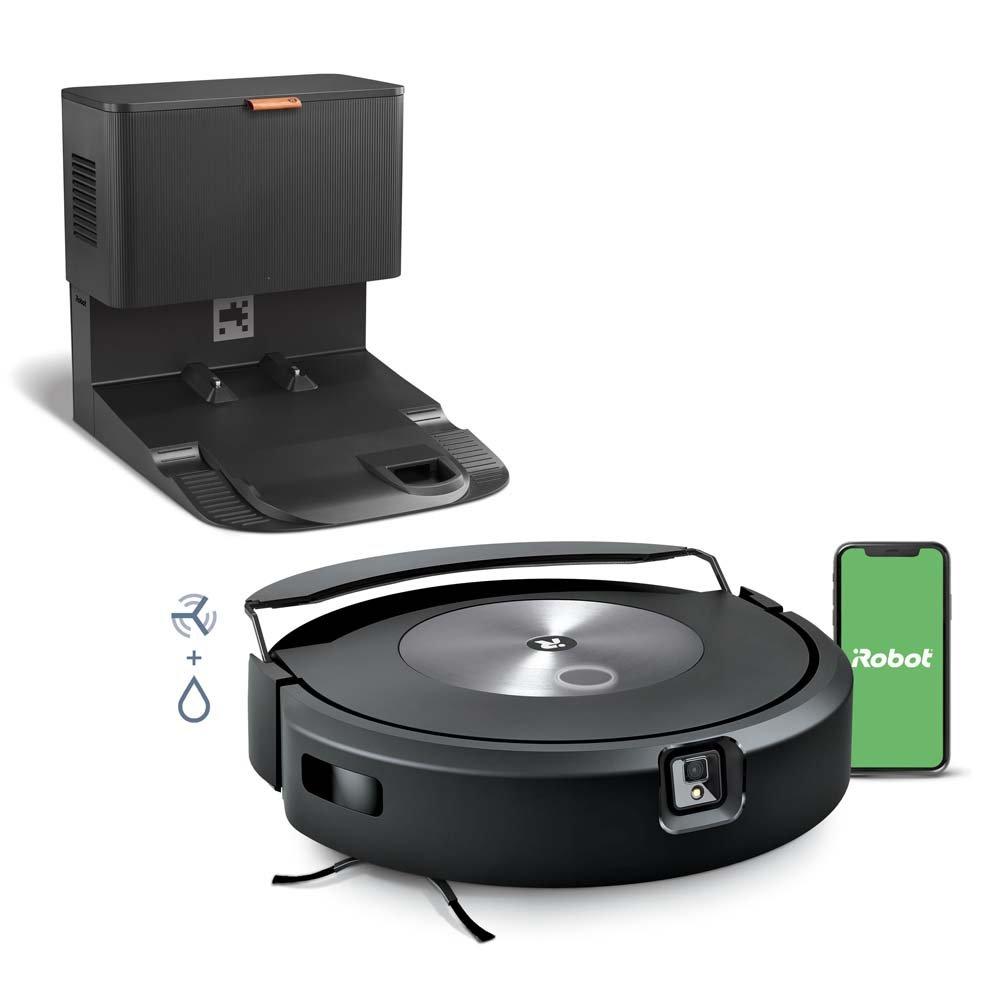
A self-emptying dock transfers dirt from the robot into a larger bag or container. Depending on the home, the dock may hold weeks of debris.
This feature is helpful for people with pets, allergies, or busy schedules. However, replacement bags add a small ongoing cost.
Mopping features
Some Roomba models can mop hard floors after vacuuming. Basic models may drag or vibrate a damp pad, while premium systems can wash and dry the mop pad at the dock.
Mopping is useful for light daily marks. It does not replace deep floor cleaning, and you still need to remove sticky spills quickly.
Obstacle detection
Advanced obstacle detection helps a robot avoid cords, socks, toys, and other small items. This feature can prevent interruptions and reduce the need to prepare the floor.
It is especially helpful in homes with children or pets. No robot is perfect, so a quick floor check remains wise.
Is a Roomba Worth the Price?
A Roomba can be worth the price if it removes a task you would otherwise skip. It does not clean like a full-size upright vacuum in every situation, but it can handle frequent maintenance cleaning.
Think of it as a small helper that sweeps the kitchen every day. That steady work can keep dust and crumbs from building up.
A Roomba may be a good choice if you:
- Have pets that shed often
- Want scheduled cleaning
- Have hard floors or low-pile rugs
- Find daily vacuuming difficult
- Prefer app or voice control
- Want less manual cleaning between deep-cleaning sessions
A Roomba may not be the best choice if you:
- Need deep carpet cleaning
- Have many thick rugs
- Leave cords and objects on the floor
- Have stairs that require frequent cleaning
- Expect completely maintenance-free operation
When people ask how much is a Roomba vacuum cleaner, they are often really asking about value. A $250 robot that runs every day may offer more practical value than a $900 model used once a week.
Roomba Ownership Costs to Consider
The purchase price is only part of the budget. A Roomba has replaceable parts, and some models use disposable bags or special cleaning products.
Typical ongoing costs may include:
- Replacement filters: about $10–$30 per pack
- Replacement brush sets: about $20–$60
- Mop pads: about $15–$40
- Dirt bags: about $15–$30 per pack
- Approved floor-cleaning solution: about $10–$25
- Battery replacement: often $50–$100, depending on the model and service method
Prices vary by model and seller. Third-party parts may cost less, but poor-quality parts can reduce performance or cause fit problems. Using parts made for your model is the safer choice.
A self-emptying Roomba can cost more to operate because it uses bags. A bagless dock may reduce waste, but you may need to empty and clean it by hand.
The real answer to how much is a Roomba vacuum cleaner should include these small costs. They are not usually large, but they matter over several years.

Roomba Deals: When and Where to Buy
You can often find lower prices during major US shopping periods. Common sale times include:
- Black Friday and Cyber Monday
- Memorial Day
- Labor Day
- Amazon Prime shopping events
- Holiday clearance periods
- New model launch periods
- Open-box and certified refurbished promotions
Compare the sale price with the model’s normal price. Some discounts look large because retailers first show a high suggested price. Check several stores and review the product number.
Refurbished Roombas can offer strong value. Choose a certified unit with a clear warranty and a return policy. Avoid listings with missing chargers, worn batteries, or unclear seller information.
In my experience reviewing product prices, the best deal is not always the lowest sticker price. A slightly more expensive model with a better battery and available replacement parts may cost less over time.
When deciding how much is a Roomba vacuum cleaner, also check what comes in the box. A dock, extra filter, mop pad, or replacement bag can change the total value.
How to Choose the Right Roomba for Your Home
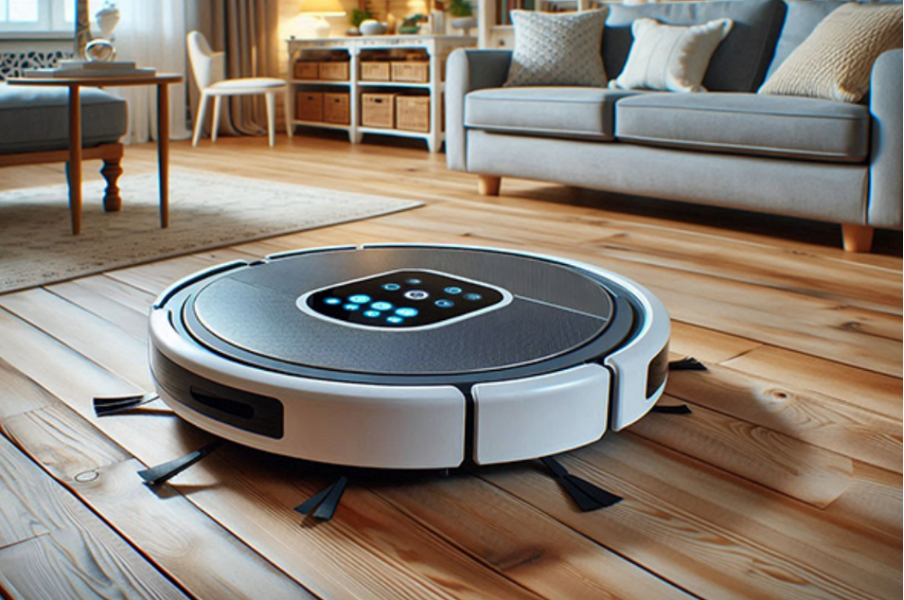
Start with your floor type and cleaning habits. Do not begin with the most expensive model. Begin with the problems you want the robot to solve.
For small apartments
A basic Roomba may be enough. Look for:
- Reliable hard-floor cleaning
- Compact charging needs
- App scheduling
- A washable or easy-to-clean dustbin
- A price below $300
A small home may not need advanced mapping or a large self-emptying dock.
For homes with pets
Pet owners should focus on hair pickup and brush design. Look for:
- Dual rubber brush rolls
- Strong carpet cleaning
- A high-capacity dustbin
- A self-emptying base
- Good filter access
Pet hair can fill a small dustbin quickly. A self-emptying base can make a noticeable difference.
For mixed floors
Choose a model that can move smoothly from hardwood to rugs. Mapping is useful if you want the robot to clean rooms in a set order.
A model with carpet sensing may increase suction on rugs. If mopping is included, check whether the robot avoids rugs during mop runs.
For large homes
Large homes benefit from longer battery life and room mapping. A recharge-and-resume feature allows the robot to return to its dock, charge, and continue cleaning.
A large dustbin or self-emptying dock also reduces daily maintenance. This is one reason premium models cost more.
For allergy concerns
Look for a sealed filtration system and a filter that is easy to replace. A robot can reduce dust on floors, but it cannot remove airborne allergens from the whole home.
Regular filter care matters. A dirty filter can restrict airflow and lower cleaning performance.
Common Mistakes to Avoid When Buying a Roomba
The first mistake is choosing a model by price alone. A cheap robot may seem appealing, but it can become frustrating if it gets stuck or cannot handle your floors.
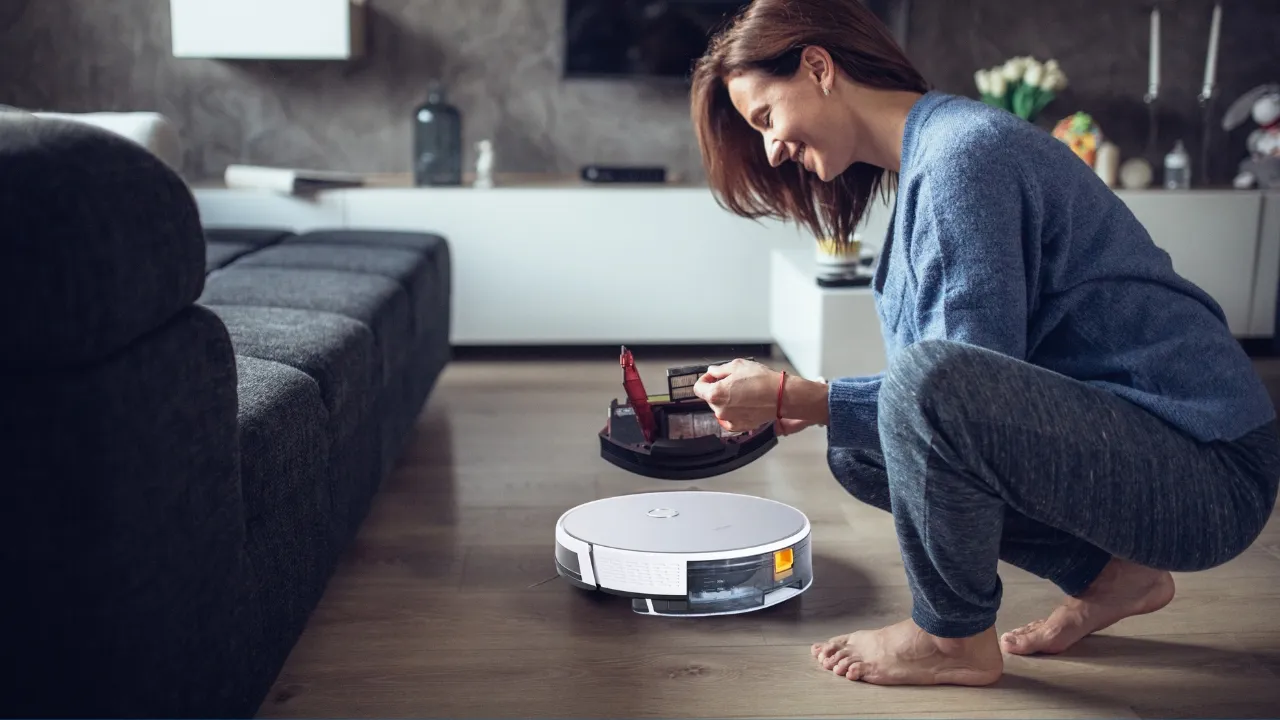
The second mistake is ignoring maintenance. Every Roomba needs its brushes, sensors, filter, and wheels checked. A few minutes of care each week can help maintain performance.
The third mistake is assuming mopping means deep cleaning. Robot mops are best for light upkeep. They are not designed to remove every dried spill or replace manual scrubbing.
Other mistakes include:
- Forgetting to measure the space under furniture
- Not checking the dock’s required clearance
- Buying the wrong replacement bags or filters
- Leaving cords and small objects on the floor
- Ignoring the return policy
- Expecting quiet operation at all times
- Failing to check Wi-Fi and app compatibility
Before buying, measure low furniture. A robot that cannot fit under your sofa may leave a large area untouched.
I have also learned that floor preparation matters more than many buyers expect. Picking up socks, cords, and small toys makes almost any robot work better.
Roomba Versus Other Robot Vacuums
Roomba is one of the best-known robot vacuum brands, but it is not the only option. Brands such as Shark, Roborock, Eufy, Ecovacs, and Dreame also sell robot vacuums in the US.
Roomba’s strengths often include brand recognition, broad support, and a long history in robot vacuums. Other brands may offer higher suction numbers, larger docks, or more advanced mopping at a similar price.
The best choice depends on what you value. Compare:
- Navigation quality
- Pet hair performance
- Mopping design
- App reliability
- Replacement part prices
- Warranty coverage
- Customer support
- Privacy settings for camera-based models
When comparing how much is a Roomba vacuum cleaner with other brands, compare features at the same price. A $500 vacuum with a self-emptying dock is not directly comparable to a $500 vacuum without one.
Independent product testing can help, but results vary by floor type and home layout. A robot that performs well on hardwood may not be the best for thick carpet.

How to Get Better Results From a Roomba
Set a cleaning schedule that matches your home. Homes with pets may need daily runs, while a low-traffic apartment may need cleaning two or three times each week.
Use these practical tips:
- Pick up cords, socks, and small toys before cleaning.
- Empty the dustbin when it reaches the full line.
- Clean the brushes at least once each week.
- Wipe the sensors with a soft, dry cloth.
- Replace filters as the manual recommends.
- Keep the charging dock on a clear, level surface.
- Use no-go zones around water bowls and fragile items.
- Keep the app and robot software updated.
- Run the robot when household activity is low.
- Check the first few cleaning runs for stuck areas.
Do not pour unapproved cleaners into a mop reservoir. The wrong liquid may create residue or damage internal parts. Always follow the instructions for your exact model.
If the robot misses areas, review its map and move objects that block its route. Sometimes a small change in furniture placement solves the problem.
Frequently Asked Questions About How Much Is a Roomba Vacuum Cleaner
How much is a basic Roomba vacuum cleaner?
A basic Roomba usually costs about $180 to $300 in the US. Sale prices can reduce the cost, while older models may sell for less.
How much is a Roomba with a self-emptying base?
A Roomba with a self-emptying base commonly costs between $400 and $900. Premium vacuum-and-mop systems can cost more than $1,000.
Is a cheap Roomba worth buying?
A cheap Roomba can be worth buying for small homes with hard floors and few obstacles. Check navigation, battery condition, warranty coverage, and replacement part availability before purchasing.
How long does a Roomba usually last?
Many Roombas can provide several years of service with regular care. Battery life, cleaning frequency, maintenance, floor conditions, and replacement part availability all affect lifespan.
Does Roomba need Wi-Fi?
Many smart Roomba features require Wi-Fi, including app control, schedules, maps, and voice commands. Basic cleaning may still work through the robot’s physical controls on some models.
Can a Roomba replace a regular vacuum?
A Roomba can reduce how often you use a regular vacuum, but it may not replace one completely. Upright or canister vacuums remain useful for stairs, upholstery, corners, thick carpet, and deep cleaning.
Do Roombas use a lot of electricity?
Roombas generally use a modest amount of electricity because they charge from a small household dock. Actual energy use depends on the model, cleaning schedule, battery condition, and charging behavior.
Conclusion
So, how much is a Roomba vacuum cleaner? Expect to pay about $180 to $1,400, with many useful models falling between $300 and $600. Basic units suit small homes, mid-range models offer strong everyday value, and premium systems provide more automation.
Look beyond the sticker price. Consider floor type, pets, mapping, self-emptying, mopping, replacement parts, warranty support, and sale timing. The right Roomba is the one that solves your daily cleaning problem without adding a new source of stress.
Set your budget, list the features you truly need, and compare current prices before buying. Explore more home-cleaning guides, and share your Roomba experience or questions in the comments.

Liora Pennings is a seasoned chef and kitchen enthusiast with a passion for turning everyday cooking into an effortless experience. With years of hands-on culinary expertise, she specializes in practical techniques, ingredient know-how, and smart kitchen solutions that help home cooks elevate their meals. At KitchFlair.com, Liora shares her best tips, time-saving tricks, and honest product reviews to guide readers toward a more efficient, enjoyable, and inspired cooking routine. Whether you’re a beginner or a seasoned home chef, Liora’s friendly, knowledge-packed insights make every visit to the kitchen a little easier—and a lot more delicious.