Where To Buy A Vacuum Cleaner With Warranty: Top Picks
The best places to buy a vacuum cleaner with warranty are trusted brand stores, major retailers, and authorized online dealers.
Knowing where to buy a vacuum cleaner with warranty can save you money, time, and stress when a motor fails or a part breaks. I have seen many shoppers focus only on suction power and price, then discover that the warranty is limited, unclear, or not valid through the seller. This guide explains how to compare retailers, warranty terms, return policies, and product support before you buy.
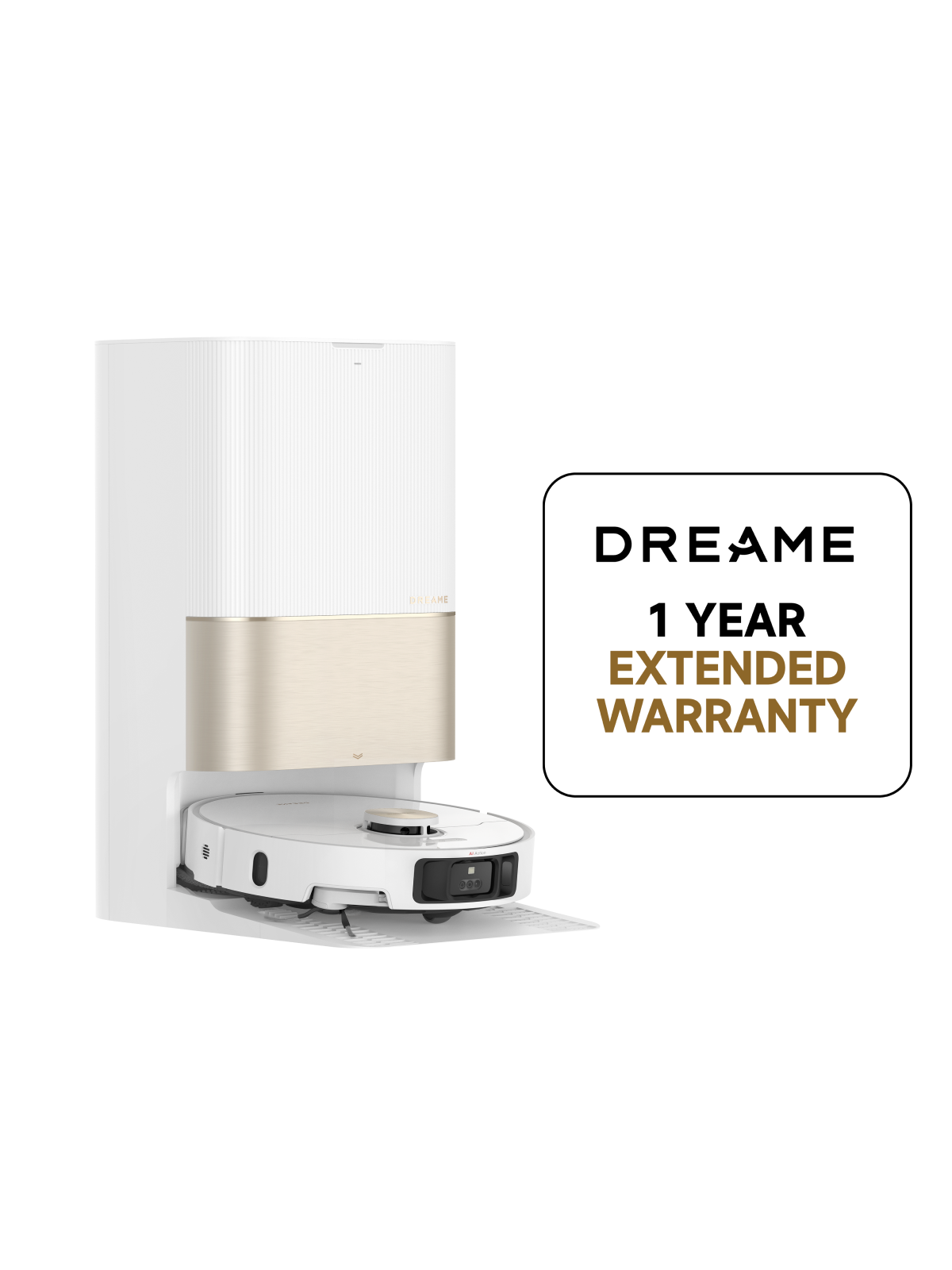
Where to Buy a Vacuum Cleaner With Warranty
You can buy a vacuum cleaner with warranty from several reliable sources. The best choice depends on the brand, price, service options, and type of protection you need.
Manufacturer websites
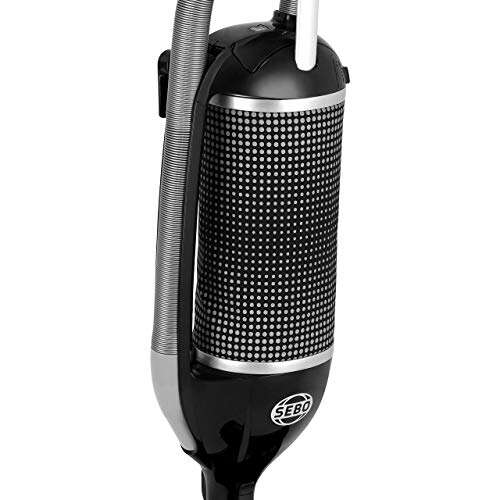
Buying directly from the manufacturer is often one of the safest options. Brands such as Dyson, Shark, Miele, Bissell, Hoover, and SEBO usually list warranty details on their product pages.
Benefits may include:
• Direct access to brand support
• Clear product registration
• Genuine parts and accessories
• Easier warranty claims
• Access to current models and bundles
A manufacturer website is especially useful for premium vacuums. These products may need special filters, batteries, bags, or repair parts. Buying direct can reduce the risk of receiving an old model, counterfeit accessory, or gray-market product.
Major home and department stores
Large retailers are another good answer to where to buy a vacuum cleaner with warranty. Stores such as Best Buy, Walmart, Target, Home Depot, Lowe’s, and Costco often sell popular vacuum brands.
These stores may offer:
• In-store returns
• Price matching
• Store pickup
• Extended protection plans
• Product reviews from verified buyers
Always check whether the item is sold directly by the retailer or by a marketplace seller. A product listed on a major website may come from a third-party business. The warranty may still apply, but the return process can be less simple.
Authorized vacuum dealers
Authorized dealers can be a strong choice for high-end canister, upright, central, and commercial vacuums. Local vacuum shops often provide product demonstrations, repairs, maintenance, and replacement parts.
This option may cost slightly more than a large online marketplace. However, the extra service can be valuable. A good dealer can help you choose the right brush roll, filter, bag system, and floor setting for your home.
Trusted online retailers
Online retailers can offer a wide selection and competitive prices. Before ordering, confirm that the seller is authorized by the vacuum brand.
Look for:
• A complete warranty statement
• A clear return window
• A real business address
• Customer service contact details
• Product registration instructions
• Reviews that mention warranty support
The lowest price is not always the best deal. A discount may come from an older model, an open-box item, or a seller that does not provide full manufacturer support.
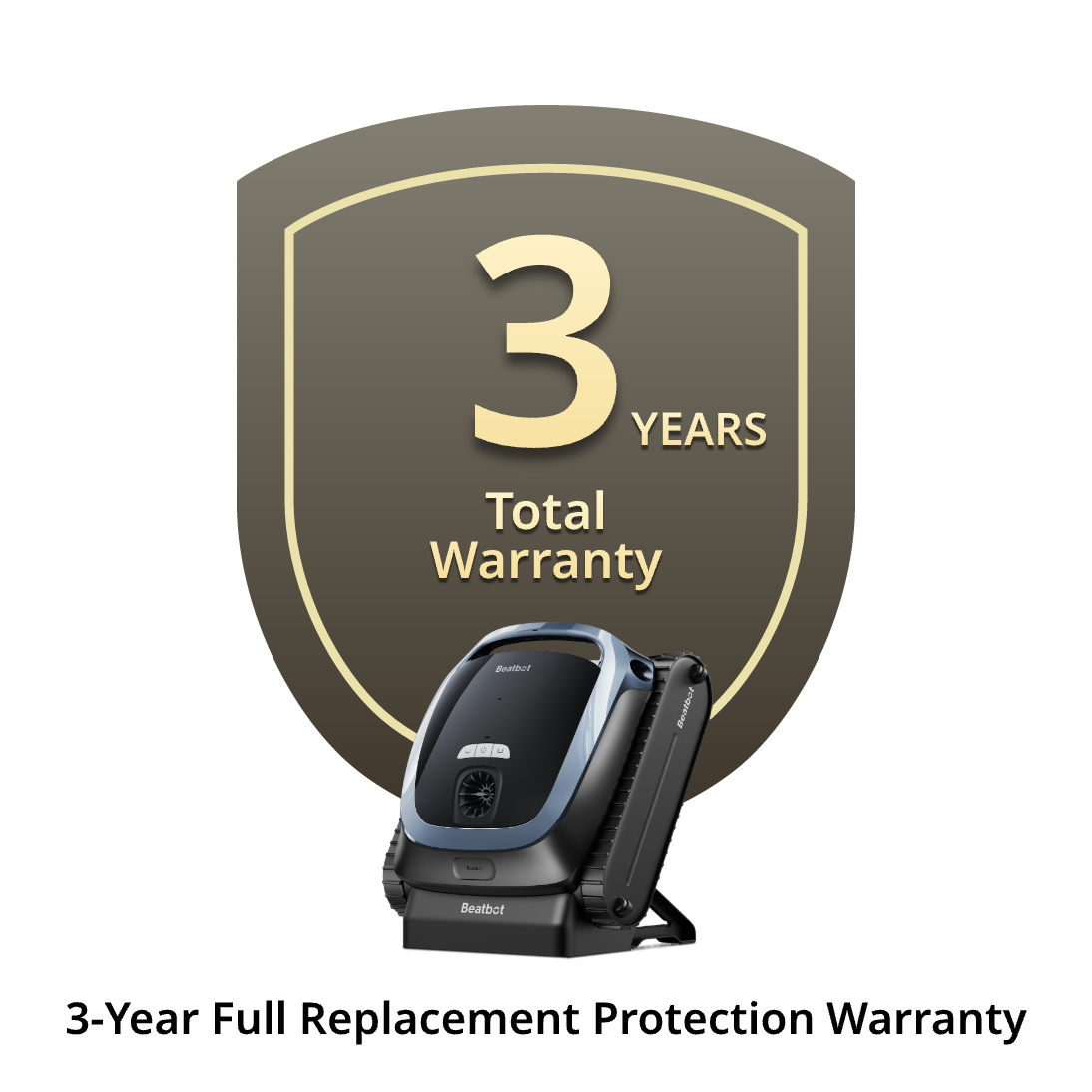
How Vacuum Cleaner Warranties Work
A vacuum cleaner warranty is a promise from the manufacturer or seller. It usually covers defects in materials or workmanship for a set period.
Most standard warranties do not cover normal wear. For example, a worn belt, full dust bag, clogged filter, or damaged brush roll may not qualify. Damage caused by misuse, water, commercial use, or unauthorized repairs may also be excluded.
Common warranty terms include:
• One-year limited warranty for basic models
• Two to five years for some premium vacuums
• Longer coverage for specific motors or parts
• Separate battery coverage for cordless models
• Registration requirements for full support
The word “limited” matters. It means the warranty has conditions. Read the full terms instead of relying only on a sales badge that says “warranty included.”
What a vacuum warranty may cover
A standard warranty may cover:
• Motor failure
• Defective wiring
• Faulty switches
• Manufacturing defects
• Certain battery problems
• Defective hoses or internal parts
The brand may repair the unit, replace it, or send a replacement part. The remedy depends on the warranty language and the product’s age.
What a vacuum warranty may not cover
Many warranties exclude:
• Normal wear and tear
• Filters and bags
• Belts
• Brush rolls
• Cosmetic damage
• Accidental drops
• Water damage
• Commercial or rental use
• Repairs by unauthorized technicians
Keep your receipt and order confirmation. You may need them to prove the purchase date.
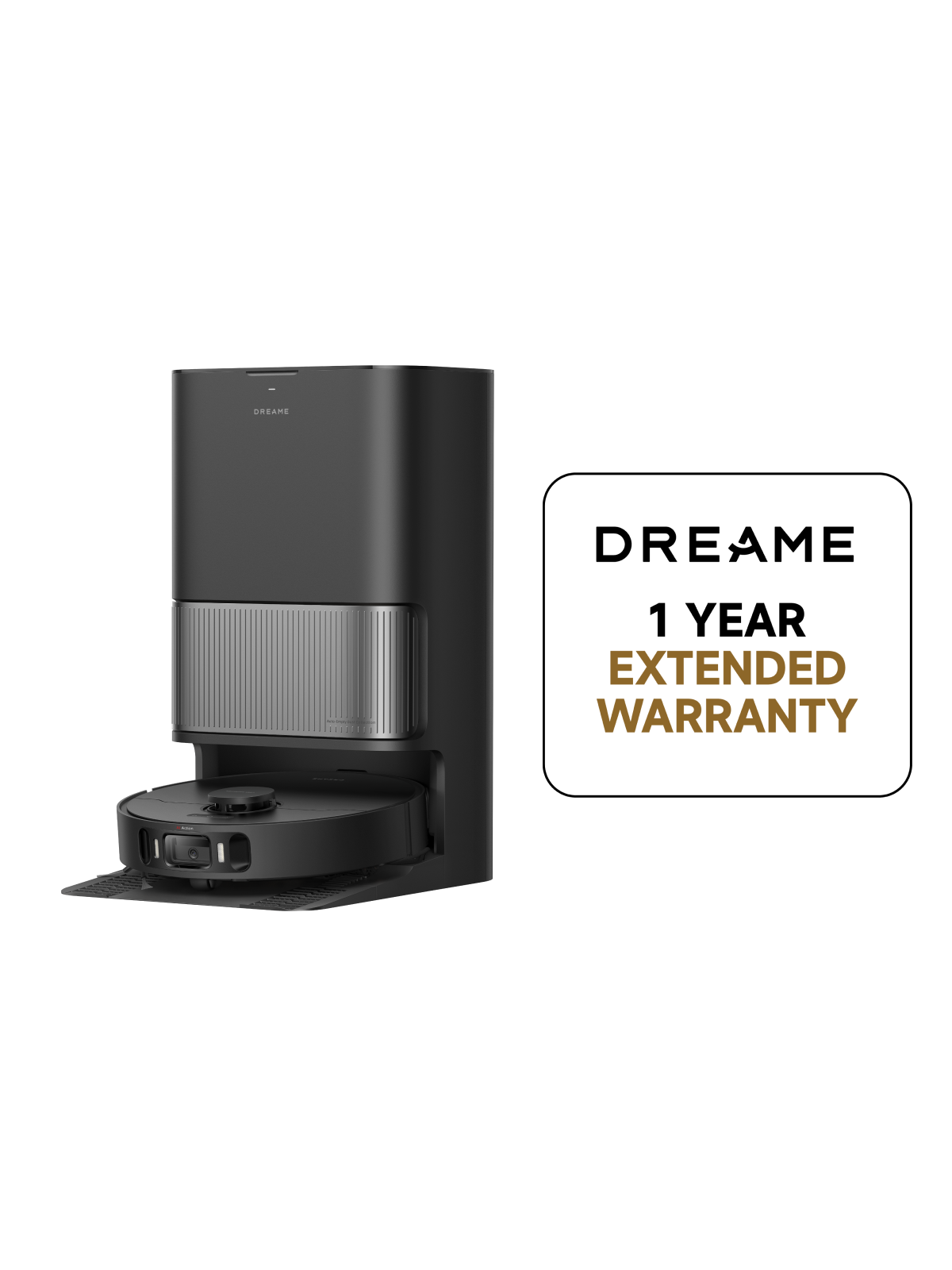
Manufacturer Warranty Versus Extended Protection Plan
When deciding where to buy a vacuum cleaner with warranty, separate the standard manufacturer warranty from an extended protection plan.
The manufacturer warranty usually comes with the vacuum at no extra cost. It covers qualifying defects for a limited time. An extended plan adds coverage after, or sometimes alongside, the standard warranty.
An extended plan may include:
• Accidental damage
• Mechanical failure after the standard warranty ends
• Free shipping for repairs
• Replacement instead of repair
• Coverage for power surges
The value depends on the vacuum’s price and repair cost. For a low-cost vacuum, an extended plan can cost almost as much as a replacement. For a premium cordless or robotic vacuum, extra coverage may make more sense.
Before paying for a plan, ask:
-
Who provides the coverage?
-
Does the plan overlap with the standard warranty?
-
Is there a service fee?
-
Are batteries covered?
-
Does the company repair or replace the vacuum?
-
Are accidental spills or drops included?
-
What happens if replacement parts are unavailable?
A protection plan is not automatically a good deal. Read its exclusions just as carefully as the product warranty.
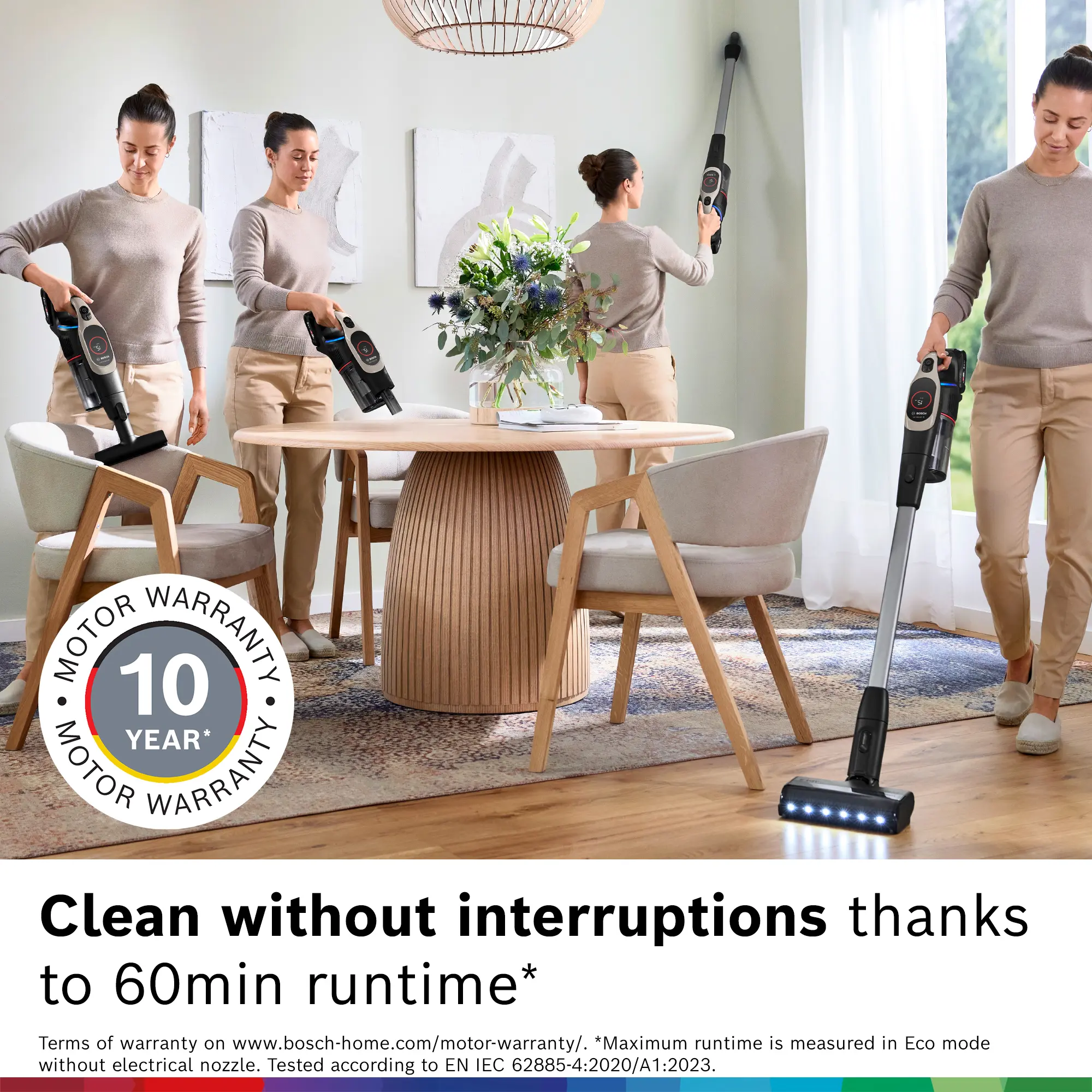
Best Places to Buy Different Types of Vacuums
The right seller can vary by vacuum type. A robot vacuum has different support needs than a commercial upright.
Cordless stick vacuums
For cordless models, buy from the manufacturer, a major electronics retailer, or an authorized dealer. Battery coverage is especially important because batteries naturally lose capacity over time.
Check whether the warranty covers:
• The battery
• The charging dock
• The charger
• The software
• The main motor
Some brands offer different warranty periods for the battery and the vacuum body.
Robot vacuums
Robot vacuums include sensors, software, wheels, brushes, and charging systems. Buy from a seller with strong technical support and a clear return policy.
A good return window matters because some problems appear only after several cleaning cycles. Test mapping, charging, app connection, obstacle detection, and scheduled cleaning during the return period.
Upright and canister vacuums
Local vacuum dealers and manufacturer websites are often excellent choices for upright and canister models. These sellers can help with bags, filters, belts, and floor tools.
If you have thick carpet, hard floors, stairs, or pets, ask whether the model includes the correct tools. A warranty cannot fix a poor match between the vacuum and your flooring.
Handheld and wet-dry vacuums
Major retailers are usually convenient for handheld and wet-dry models. Still, check the warranty before buying. Some wet-dry vacuums have different rules for liquid pickup, filters, and battery use.
Never assume that a wet-dry model can handle every liquid. Follow the manual to avoid damage that the warranty may not cover.
Commercial vacuums
For commercial cleaning, buy through an authorized distributor or commercial equipment dealer. Home-use warranties may not apply when a vacuum is used in an office, hotel, shop, or cleaning business.
Ask for written confirmation of commercial coverage. This small step can prevent a costly dispute later.
How to Check Whether a Seller Is Authorized
A seller may claim to offer a full warranty without being approved by the brand. Verify the seller before you place an order.
Use this process:
-
Visit the vacuum brand’s official website.
-
Find its dealer or retailer locator.
-
Search for the store or online seller.
-
Compare the model number with the brand’s listing.
-
Read the warranty terms for that exact model.
-
Save a copy of the product page and receipt.
Some marketplaces mix products from many sellers. Look for the “sold by” and “shipped by” details. A product shipped by a major retailer may still be sold by a separate business.
Be cautious when a listing has:
• A price far below normal market value
• Poor product photos
• No model number
• Vague warranty language
• Many unrelated products from one seller
• No clear return address
A genuine warranty is easier to use when the seller has a traceable relationship with the manufacturer.

What to Look for Before Buying
The warranty is important, but it should not be the only factor. A vacuum is a tool for daily life. It must suit your home.
Check these features before you buy:
• Floor type: Choose a vacuum designed for carpet, hard floors, or both.
• Pet hair tools: Look for a sealed system and a tangle-resistant brush.
• Filtration: A sealed HEPA system may help reduce fine particles.
• Weight: Heavy uprights can be difficult on stairs.
• Noise: Read reviews that discuss sound during real use.
• Cord length: A longer cord reduces outlet changes.
• Battery life: Compare the stated run time with the power mode you will use.
• Parts: Confirm that filters, bags, belts, and batteries are available.
• Repair support: Check whether service centers exist near you.
In my experience reviewing vacuum choices, shoppers often overvalue a strong motor rating. A well-sealed vacuum with a good brush roll can clean better than a louder model with poor airflow control.
Return Policy and Warranty: Why Both Matter
A return policy protects you during the first days or weeks. A warranty protects you after that period. They are not the same thing.
A return may allow you to send back a vacuum because it is too heavy, too loud, or unsuitable for your floors. A warranty usually applies only to defects or covered failures.
Before buying, check:
• The return time limit
• Restocking fees
• Return shipping costs
• Opened-box rules
• Battery return rules
• Required packaging
• Exchange options
If you buy online, inspect the vacuum as soon as it arrives. Test the power, suction, tools, battery, charging, and brush roll. Do not wait until the return window closes.
One common mistake is assuming that a warranty replaces a return policy. It does not. If the vacuum simply does not fit your needs, the manufacturer may not consider that a warranty problem.

How to File a Vacuum Warranty Claim
If your vacuum fails, start with basic checks. Empty the bin, replace or clean the filter, inspect the hose, and check for a blocked brush roll. Many apparent motor problems come from a clog or restricted airflow.
If the issue continues:
-
Find the warranty document.
-
Locate the model and serial number.
-
Gather your receipt or order record.
-
Contact the manufacturer or authorized seller.
-
Describe the problem clearly.
-
Follow the requested troubleshooting steps.
-
Ask about shipping, repair time, and replacement parts.
Take photos or a short video if the problem is intermittent. This can help explain unusual noise, loss of power, error lights, or charging faults.
Do not open the motor housing unless the instructions allow it. Unauthorized repairs can affect warranty eligibility. Also, avoid shipping the vacuum without written instructions from the support team.

Common Mistakes to Avoid
A careful purchase can prevent most warranty problems.
Avoid these mistakes:
• Buying from an unknown seller only because of a low price
• Ignoring the “sold by” information
• Failing to register the vacuum when registration is required
• Throwing away the receipt
• Using a household vacuum for paid commercial work
• Washing a filter that is not washable
• Using non-approved batteries or chargers
• Waiting too long to report a defect
• Assuming consumable parts are covered
• Skipping the return period test
I once saw a buyer lose support because the vacuum had been used to collect liquid, even though it was a dry household model. The lesson is simple: read the use instructions before the first cleaning job.
A Simple Buying Checklist
Use this checklist when deciding where to buy a vacuum cleaner with warranty:
• Choose the vacuum type that fits your floors.
• Compare the manufacturer warranty with retailer protection.
• Confirm that the seller is authorized.
• Check coverage for batteries and major parts.
• Read exclusions and commercial-use rules.
• Review the return policy.
• Confirm that replacement filters and belts are available.
• Save your receipt and warranty document.
• Register the product if required.
• Test the vacuum before the return deadline.
This process takes only a few minutes. It can protect a purchase that may serve your home for several years.
Frequently Asked Questions About Where to Buy a Vacuum Cleaner With Warranty
Is it better to buy a vacuum directly from the manufacturer?
Buying directly from the manufacturer can simplify registration, support, and warranty service. However, a major retailer may offer a better price or easier returns, so compare both options.
Do all vacuum cleaners come with a manufacturer warranty?
Most new vacuum cleaners include some form of limited manufacturer warranty. The length and coverage vary by brand, model, seller, and intended use.
Can I trust a vacuum warranty from an online marketplace?
You can trust it only after confirming the seller and warranty terms. Check whether the product is new, genuine, and sold by an authorized dealer.
Does a vacuum warranty cover the battery?
Some warranties cover batteries, while others provide shorter coverage or exclude normal capacity loss. Read the battery section before buying a cordless vacuum.
Are filters and vacuum bags covered by the warranty?
Filters, bags, belts, and brush rolls are usually treated as consumable parts. They are often excluded unless they were defective when supplied.
Can I return a vacuum after using it?
Many retailers allow returns after light use, but rules differ. Check the return period, packaging requirements, cleaning rules, and possible restocking fees before opening the box.
What documents do I need for a warranty claim?
You may need the receipt, order confirmation, model number, serial number, and product registration details. A photo or video of the fault can also help the support team.
Conclusion
The best answer to where to buy a vacuum cleaner with warranty is usually a manufacturer website, major retailer, or authorized vacuum dealer. Compare more than the price. Review the warranty, return policy, seller status, battery coverage, repair options, and parts availability.
A dependable warranty is like a safety net, but it works only when you understand its limits. Choose a seller you can reach, test the vacuum early, save your records, and follow the care instructions. Explore the warranty terms for your preferred model today, and share your own buying experience in the comments.

Liora Pennings is a seasoned chef and kitchen enthusiast with a passion for turning everyday cooking into an effortless experience. With years of hands-on culinary expertise, she specializes in practical techniques, ingredient know-how, and smart kitchen solutions that help home cooks elevate their meals. At KitchFlair.com, Liora shares her best tips, time-saving tricks, and honest product reviews to guide readers toward a more efficient, enjoyable, and inspired cooking routine. Whether you’re a beginner or a seasoned home chef, Liora’s friendly, knowledge-packed insights make every visit to the kitchen a little easier—and a lot more delicious.