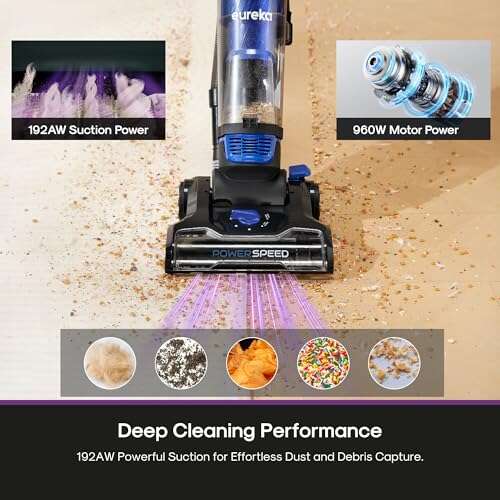
What Is A Good Vacuum Cleaner: Best Buying Guide
A good vacuum cleaner removes the dirt your home creates without wasting time, money, or effort.
Knowing what is a good vacuum cleaner means looking beyond suction power or a famous brand name. The right model should match your floors, home size, cleaning habits, pets, and health needs. This guide explains the key features, types, filters, tools, costs, and common mistakes so you can choose with confidence.
What Is a Good Vacuum Cleaner?
A good vacuum cleaner is a machine that cleans your main floor types well, captures dust safely, feels easy to use, and lasts through regular home cleaning. It should offer enough suction, useful tools, strong airflow, and a design that fits your space.
The best choice is not always the most powerful model. A very strong vacuum can feel hard to push on thick carpet. A light stick vacuum may be perfect for quick crumbs but weak for deep carpet cleaning. In other words, what is a good vacuum cleaner depends on how and where you clean.
A quality vacuum usually provides:
• Strong cleaning performance on your floors
• Reliable suction and airflow
• A sealed system that limits dust leaks
• A useful filter, such as a washable filter or HEPA filter
• Easy movement around furniture
• A brush roll that suits carpet, rugs, or bare floors
• A bin or bag that is simple to empty
• Durable parts and fair repair support
• A noise level you can tolerate
• Tools that solve real cleaning problems
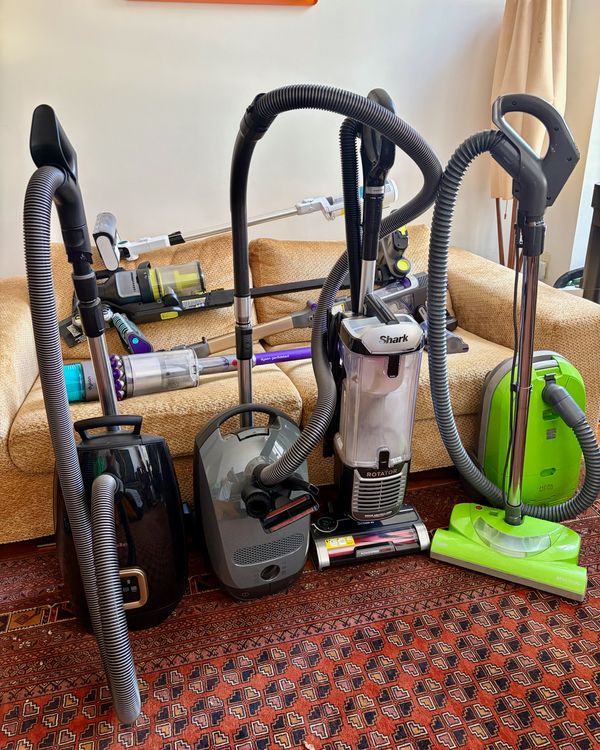
During hands-on vacuum comparisons, I have found that small design details often matter more than large power numbers. A long cord, a flexible hose, or a brush roll shutoff can save more time than a flashy feature used once a year.

How to Choose a Good Vacuum Cleaner
Choosing a good vacuum cleaner starts with your home, not the product label. Think about your floors, room layout, family members, pets, and the type of dirt you remove most often.
Consider your floor type
Different floors need different cleaning methods.
• Carpet needs a powered brush roll to lift dirt from the fibers.
• Hardwood floors need gentle suction and a soft floor head.
• Tile floors benefit from strong airflow that collects dust from grout lines.
• Thick rugs need adjustable suction or height control.
• Delicate rugs may need the brush roll turned off.
If your home has both carpet and hard floors, choose a vacuum with adjustable settings. A brush roll that cannot stop may scatter debris or scratch delicate surfaces.
Think about your home size
A large home may need a full-size upright or canister vacuum. These models often have larger bags or bins, longer cords, and stronger cleaning systems.
A small apartment may be easier to clean with a cordless stick vacuum. It takes little storage space and works well for daily dust and crumbs. However, cordless models often have shorter run times and smaller bins.
Match the vacuum to your cleaning routine
Ask yourself how often you clean.
If you vacuum every day, choose a light model that is easy to grab. If you deep clean once a week, a larger vacuum with better carpet performance may be a smarter choice.
For homes with children, washable filters and easy bin removal can make cleanup less stressful. For pet owners, a tangle-resistant brush roll and a motorized upholstery tool are often more useful than a very large dust bin.
Check the weight and controls
A vacuum can clean well and still be a poor choice if it hurts your back or wrist. Try to consider the full weight, not just the listed body weight. A heavy head, stiff hose, or poor handle can make the vacuum tiring.
Controls should be easy to reach. You should not need to bend down each time you switch from carpet to hard floor.

Types of Vacuum Cleaners Explained
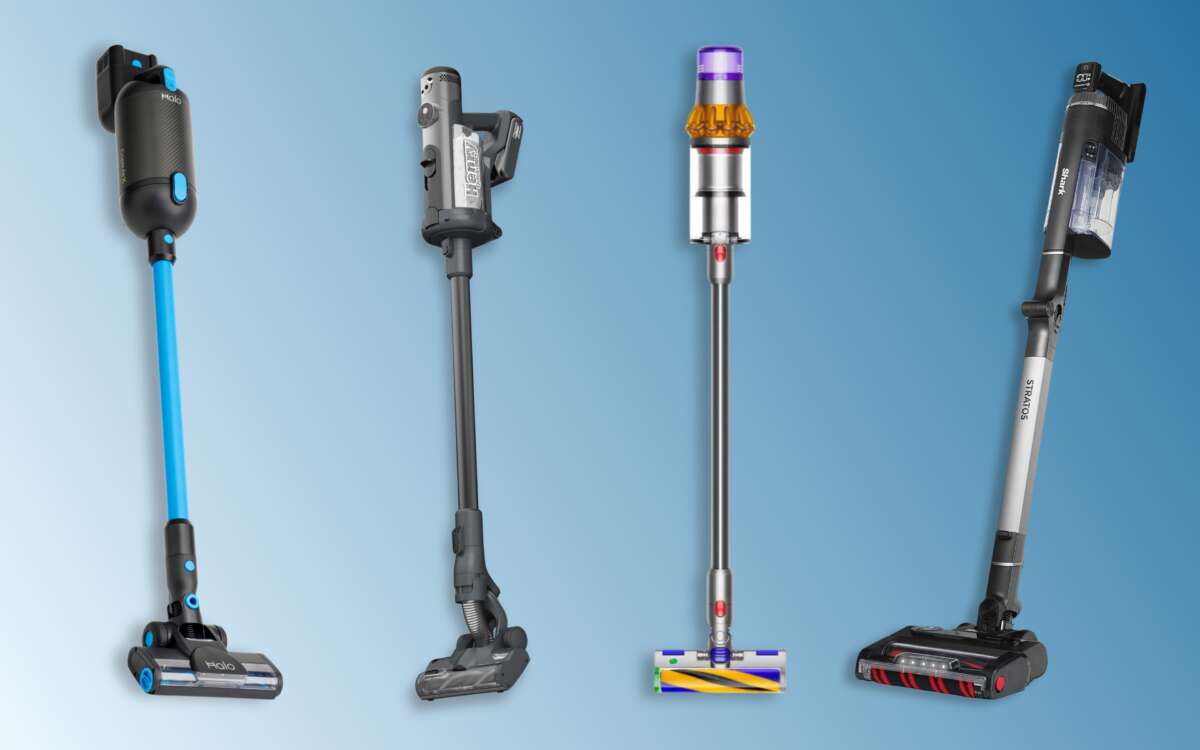
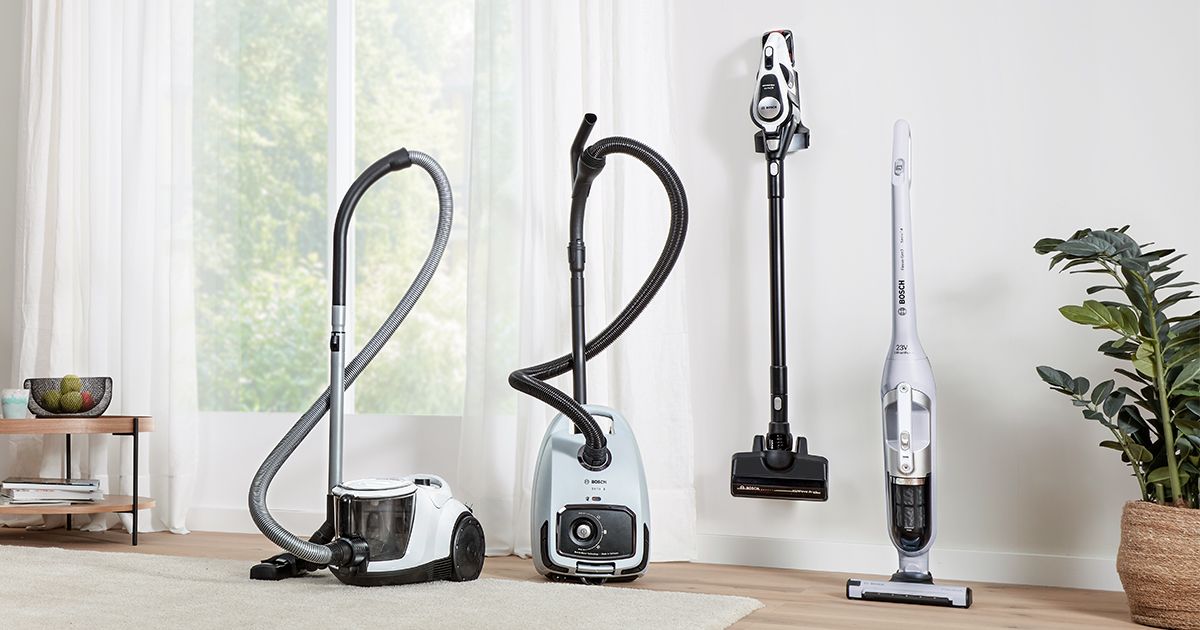
The main vacuum types include uprights, canisters, sticks, handhelds, robot vacuums, and wet-dry models. Each type has clear strengths and limits.
Upright vacuums
Upright vacuums are popular for carpet and whole-home cleaning. They often provide strong brush action, large bins, and wide cleaning paths.
They may be less convenient on stairs or in tight spaces. Some are also heavy. Still, an upright can be a good vacuum cleaner for a home with lots of wall-to-wall carpet.
Canister vacuums
Canister vacuums place the motor and dust container in a separate unit. A hose connects the canister to the cleaning head.
This design is flexible and often works well on stairs, bare floors, furniture, and under low tables. The tradeoff is that you must pull the canister behind you, which some people find awkward.
Stick vacuums
Stick vacuums are slim and light. Cordless versions are useful for quick cleaning and small homes.
Many modern stick vacuums perform well on hard floors and low-pile carpet. Their main limits are battery life, small dust bins, and reduced deep-cleaning power on thick carpet. A stick model can be a good vacuum cleaner for daily maintenance, but it may not replace a full-size machine in every home.
Handheld vacuums
Handheld vacuums are made for small jobs. They can clean car seats, stairs, sofas, shelves, and crumbs around the kitchen.
They are not designed for whole-room cleaning. Battery models are convenient, but check whether the battery and charger are included.
Robot vacuums
Robot vacuums clean floors with little daily effort. Many can map rooms, avoid some objects, and return to their charging dock.
They work best when floors are fairly clear. They may miss corners, stairs, thick rugs, and heavy debris. A robot vacuum can support your cleaning routine, but it usually does not replace occasional deep cleaning.
Wet-dry vacuums
Wet-dry vacuums can collect both dry debris and some liquid spills. They are useful in workshops, garages, basements, and homes with large messes.
Do not assume every wet-dry model is safe for carpet or ordinary indoor cleaning. Follow the manual closely, especially when changing filters or collecting liquids.
Suction, Airflow, and Cleaning Power
Suction is important, but it is only one part of cleaning performance. A vacuum also needs good airflow, a well-designed floor head, and a brush roll that agitates dirt.
Suction pulls debris into the machine. Airflow carries that debris through the hose and into the bag or bin. A vacuum with high suction but poor airflow may still clean badly if the floor head leaks air or the filter is blocked.
Why brush rolls matter
A brush roll loosens hair, dust, and grit from carpet fibers. This action helps the vacuum collect dirt that suction alone might leave behind.
On hard floors, a brush roll can scatter rice, cereal, or fine dust. Look for a model with a brush roll shutoff or a soft floor head.
Do not rely on watts alone
Motor wattage does not tell the whole story. A high-watt motor may use more electricity without cleaning better.
When comparing what is a good vacuum cleaner, look for independent cleaning tests, user reports about long-term performance, and clear details about airflow, brush design, filtration, and floor settings. Product claims can be useful, but they should not be your only evidence.
Carpet cleaning matters most
The Carpet and Rug Institute uses performance testing to identify vacuum cleaners that meet specific cleaning and indoor air standards. Its seal programs can offer useful guidance, although certification does not mean one model will suit every home.
For thick carpet, choose a vacuum with:
• A powered brush roll
• Height adjustment or automatic height control
• Strong airflow
• A sealed dust path
• Easy brush roll maintenance
• Adjustable suction when needed
Filtration and Indoor Air Quality
A good vacuum cleaner should collect dirt without sending fine dust back into the room. This is especially important for people with allergies, asthma, or sensitivity to dust.
What is a HEPA filter?
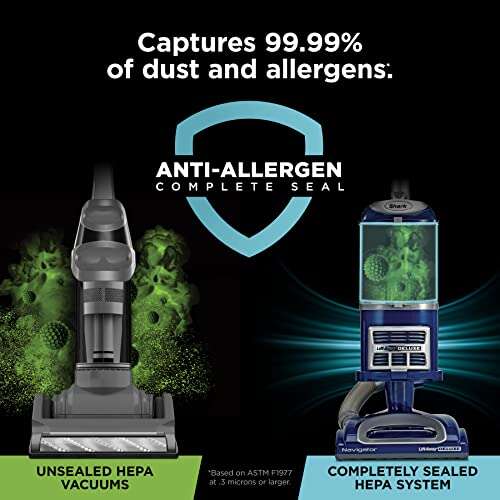
A true HEPA filter is designed to capture at least 99.97% of particles measuring 0.3 microns under controlled test conditions. This rating applies to the filter itself, not always to the complete vacuum system.
A vacuum with a HEPA filter can still leak dust through poor seals, gaps, or an open dust bin. For better results, look for a sealed system and a filter that is easy to replace.
Bagged versus bagless vacuums
Bagged vacuums hold dirt in a disposable bag. They often keep dust contained during emptying and may require less filter cleaning.
Bagless vacuums use a reusable bin. They can reduce the need to buy bags, but emptying the bin may release dust. If you choose a bagless model, empty it outdoors when possible and clean the filters as directed.
Why filter care matters
A dirty filter can reduce airflow and cleaning power. It can also make the motor work harder.
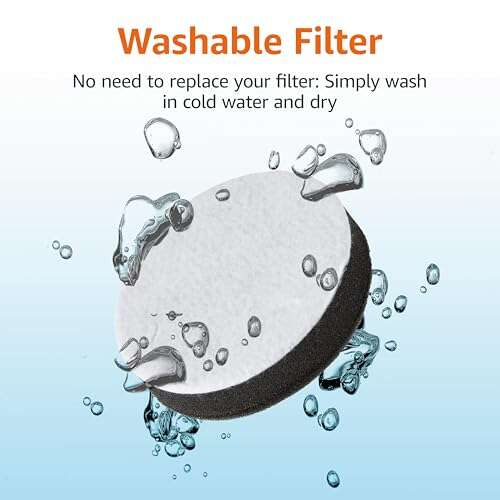
Washable filters should be fully dry before you reinstall them. A damp filter can cause odor and may damage the machine. Replace nonwashable filters according to the manual rather than waiting for a loss of suction.

Features That Are Worth Paying For
The best features solve common problems. They should make cleaning easier, safer, or more complete.
Useful features include:
• A brush roll shutoff for hard floors
• Adjustable suction for delicate rugs and curtains
• A powered pet tool for upholstery
• LED lights that reveal dust under furniture
• A long cord or removable battery
• A swivel head for tight turns
• A height-adjustable handle
• A full-bin indicator
• A sealed filtration system
• A replaceable battery on cordless models
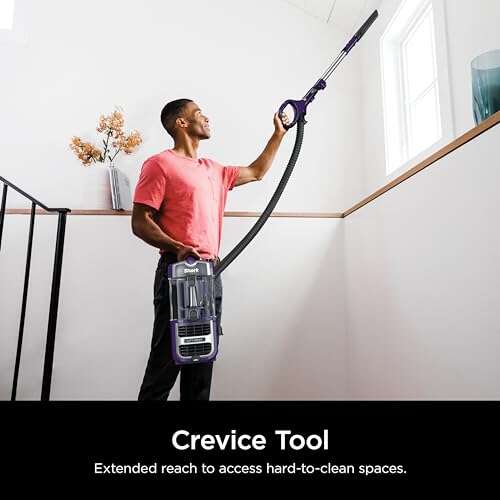
• A hose and wand that reach ceilings and corners
Some features sound impressive but add little value. Smartphone controls, complex screens, and extra modes may not improve basic floor cleaning. Before paying more, ask whether the feature solves a problem you actually have.
In my own comparisons, a simple vacuum with a strong floor head often beat a more expensive model with a long list of digital features. The machine that gets used wins over the machine that stays in the closet.

Corded or Cordless: Which Is Better?
Corded and cordless vacuums can both be a good vacuum cleaner choice. The better option depends on how long you clean and how much freedom you want.
Benefits of corded vacuums
• They offer steady power during long cleaning sessions.
• You do not need to charge a battery.
• Many full-size models provide strong carpet cleaning.
• They often cost less for similar cleaning power.
The cord can slow you down. You may also need to move between outlets.
Benefits of cordless vacuums
• They are quick to grab.
• They work well for stairs, cars, and small spills.
• They are easy to carry.
• They have no cord to unplug and replug.
Battery life is the main concern. Run time may also fall when you use a high-power mode or a motorized tool. Battery capacity can decline over several years, so check whether a replacement battery is available.
For a large home with thick carpet, a corded vacuum may be the safer main cleaner. For quick daily work, a cordless stick vacuum can be hard to beat.

Vacuum Cleaners for Pets, Allergies, and Families
Homes with pets need more than ordinary suction. Pet hair can wrap around brush rolls, collect on furniture, and build up in corners.
Look for:
• A tangle-resistant brush roll
• Strong airflow
• A motorized upholstery tool
• A sealed system
• An odor-control filter, if needed
• A large or easy-to-empty dust bin
For allergies, use a vacuum with a sealed system and a high-quality filter. Vacuum slowly, since fast passes can leave dirt behind. Wash bedding and clean pet areas often, because a vacuum alone cannot remove every allergen.
Families with young children may value quiet operation and simple controls. A machine that is easy to empty and store is more likely to be used often. Clean floor tools also help reduce the spread of food crumbs and outdoor grit.

Common Vacuum Cleaner Mistakes to Avoid
Even a high-quality vacuum can perform poorly when it is used or maintained the wrong way.
Choosing by brand alone
A trusted brand may make excellent models, but its product range can include both strong and weak options. Compare the exact model, warranty, parts, and independent tests.
Buying too much power
More power can increase noise, weight, energy use, and cost. Choose the performance your floors need rather than the biggest number on the box.
Ignoring maintenance
Hair, threads, and dust can block the brush roll and hose. Check these parts often, especially if you have pets.