How To Repair Vacuum Not Picking Up Large Debris: Quick Fix
Clean filters, clear hose and brush, remove blockages, and replace worn parts quickly.
I’ve fixed dozens of vacuums that refuse to pick up large debris. In this guide I’ll show you why your machine struggles with big bits, how to diagnose the problem step by step, and how to repair vacuum cleaner not picking up large debris safely and affordably. I write from hands-on experience with both uprights and canisters, and I’ll give clear fixes you can do at home or decide when to call a pro.

Why your vacuum won’t pick up large debris: common causes and quick checks
If you want to know how to repair vacuum cleaner not picking up large debris, start by understanding the main causes. Most performance problems come from blockages, worn brushrolls, clogged filters, or suction leaks. Loose belts and damaged hoses also cut suction or stop the brush from spinning. Use a simple checklist to spot the obvious problems fast: inspect the brush, check the hose, empty the bin, and test suction at the nozzle.

Tools and parts you’ll need before you start
Gathering the right tools makes how to repair vacuum cleaner not picking up large debris much easier. Keep these items on hand before you open anything:
- Phillips and flathead screwdrivers for removing covers and plates.
- Needle-nose pliers and scissors to pull hair and threads.
- Replacement belts and brushrolls matched to your model.
- Soft brush and cloth for cleaning, plus a vacuum-safe hose snake or long flexible brush.
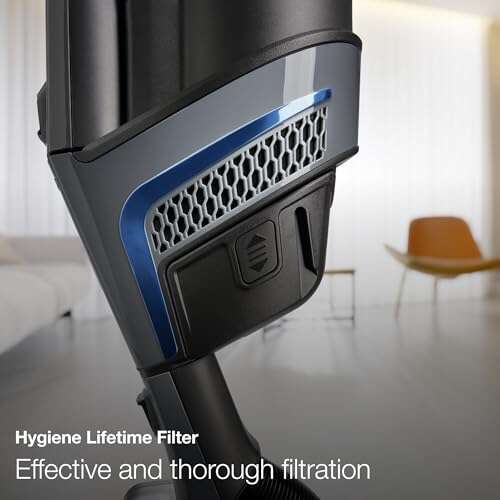
- New HEPA or foam filters if your model needs them.
- A small flashlight to inspect dark areas.
Having the right parts and tools saves time. If you are unsure about model numbers, check the sticker under the vacuum or in the manual.
Step-by-step troubleshooting and repair
Follow these steps to diagnose and repair vacuum cleaner not picking up large debris. Work in order from simple to more involved fixes.
- Basic safety and prep
- Unplug the vacuum before any work. Remove the bag or empty the dust bin. Wear gloves if you expect sharp debris.
- Clear the intake and hose
- Remove the hose from both ends and look through it. Use a flexible brush or coat hanger to pull out clogs. Test airflow by blowing through the hose if safe.
- Inspect the brushroll and belt
- Flip the vacuum head and remove the brushroll. Cut and pull hair and string. Check the belt for cracks or stretch. Replace a loose or broken belt.
- Check the suction path
- Inspect seals where the hose, bin, and motor meet. Tighten or reseal cracked seals with silicone if needed. Small leaks drop suction a lot.
- Clean or replace filters
- Wash foam filters and let them dry fully. Replace HEPA or non-washable filters per the manufacturer’s schedule. Clogged filters cause weak suction and poor pickup of large debris.
- Test the motor and suction
- With the hose on and the vacuum empty, run the vacuum and feel suction at the hose with your hand. If suction is low after cleaning, the motor fan may be damaged or blocked internally.
- Remove debris from the nozzle and throat
- Big debris can get stuck at the throat where the brush meets the suction channel. Use a screwdriver and pliers to open access panels and pull debris out.
- Reassemble and test with large debris
- Reinstall the brushroll and belt. Test on a patch of carpeting or a pile of cereal. Note if large pieces are lifted or just moved.
I recommend working methodically. I once missed a small rubber gasket that cut suction; cleaning the hose alone didn’t fix it. That taught me to check seals and junctions early.

Deep cleaning and maintenance to prevent future problems
Routine care makes how to repair vacuum cleaner not picking up large debris less common. Set a simple maintenance plan.
- Weekly
- Empty the bin or change the bag. Quick checks stop jams before they grow.
- Monthly
- Remove the brushroll, cut away hair, and clean bearings. Inspect the belt for wear.
- Every 3-6 months
- Wash or replace filters per instructions. Inspect hoses and seals for cracks.
- Yearly
- Replace worn belts and brushrolls if you vacuum often. Consider a pro tune-up if the motor runs hot or noise changes.
Good habits save money and time. A wearable belt or packed filter is usually the reason large debris won’t lift, not the motor. Keep spare belts on hand if you vacuum frequently.

When to replace parts or call a professional
Knowing when DIY works and when to call a technician is key to how to repair vacuum cleaner not picking up large debris without wasting effort.
- Replace parts yourself when:
- The issue is a cracked belt, clogged hose, or dirty filters. These are low-cost fixes and easy to do.
- Call a pro when:
- The motor hums but shows little suction despite clear paths. This may mean a damaged fan or motor bearings.
- The wiring or electrical components smell burnt or show visible damage.
- Your vacuum is under warranty—opening it might void your coverage.
If you’re unsure, take photos of the problem area and consult the manufacturer or a certified repair shop. A short diagnostic often saves the cost of a full rebuild.
Frequently Asked Questions of how to repair vacuum cleaner not picking up large debris
Why is my vacuum picking up fine dirt but not large debris?
If fine dirt is picked up but large debris isn’t, the brushroll or suction throat is likely clogged, or the belt is slipping. Clean the brush area and test suction at the nozzle after clearing blockages.
Can a clogged filter cause poor pickup of large debris?
Yes. A clogged filter reduces airflow and suction, making it hard to lift large pieces. Wash or replace filters per your vacuum’s instructions.
How often should I replace the belt and brushroll?
Replace the belt and brushroll every 1–2 years with heavy use, or sooner if they show wear. Frequent tangling with hair shortens their life.
Is it safe to use a coat hanger to clear a hose?
A straightened coat hanger can work but risks puncturing the hose. Use a flexible hose snake or soft brush designed for hoses when possible.
My vacuum has full suction at the hose but not at the floor head. What now?
This often means a blockage or damaged seal at the floor head or a jammed brush. Remove the head, inspect the throat, and clean or replace seals as needed.
Conclusion
You can fix most cases of how to repair vacuum cleaner not picking up large debris by working step by step: clear hoses, clean or change filters, remove hair from the brushroll, and replace worn belts or seals. Start with the simple fixes and move to deeper inspection if suction remains weak. Try the checks and repairs here, and keep a basic maintenance routine to avoid repeat problems. If you’re stuck, share photos or model info with a repair pro, or comment below with your situation—I'd be glad to help you troubleshoot further.

Liora Pennings is a seasoned chef and kitchen enthusiast with a passion for turning everyday cooking into an effortless experience. With years of hands-on culinary expertise, she specializes in practical techniques, ingredient know-how, and smart kitchen solutions that help home cooks elevate their meals. At KitchFlair.com, Liora shares her best tips, time-saving tricks, and honest product reviews to guide readers toward a more efficient, enjoyable, and inspired cooking routine. Whether you’re a beginner or a seasoned home chef, Liora’s friendly, knowledge-packed insights make every visit to the kitchen a little easier—and a lot more delicious.