Where To Buy A Vacuum Cleaner Near Me: Best Local Deals
You can buy a vacuum cleaner near me at local appliance stores, big-box retailers, warehouse clubs, or trusted online shops.
Finding where to buy a vacuum cleaner near me is easy, but finding the right store and model takes a little more thought. The best choice depends on your floor type, home size, pets, budget, warranty needs, and whether you want to test the vacuum before buying it.

Where to buy a vacuum cleaner near me
The fastest way to find a vacuum cleaner nearby is to search Google Maps, Apple Maps, or a store app for “vacuum cleaner near me.” Local results often show product availability, store hours, customer reviews, pickup options, and directions.
You can usually find vacuums at these nearby retailers:
• Appliance stores: These stores often have staff who can explain suction power, filters, attachments, and repair options.
• Big-box stores: Large retailers usually offer many brands and price levels. They may also provide same-day pickup.
• Warehouse clubs: Membership stores can offer good value on popular upright, stick, and robot vacuums.
• Home improvement stores: These are useful for shop vacuums, wet and dry vacuums, and heavy-duty models.
• Department stores: These stores may carry basic canister, upright, and cordless vacuums.
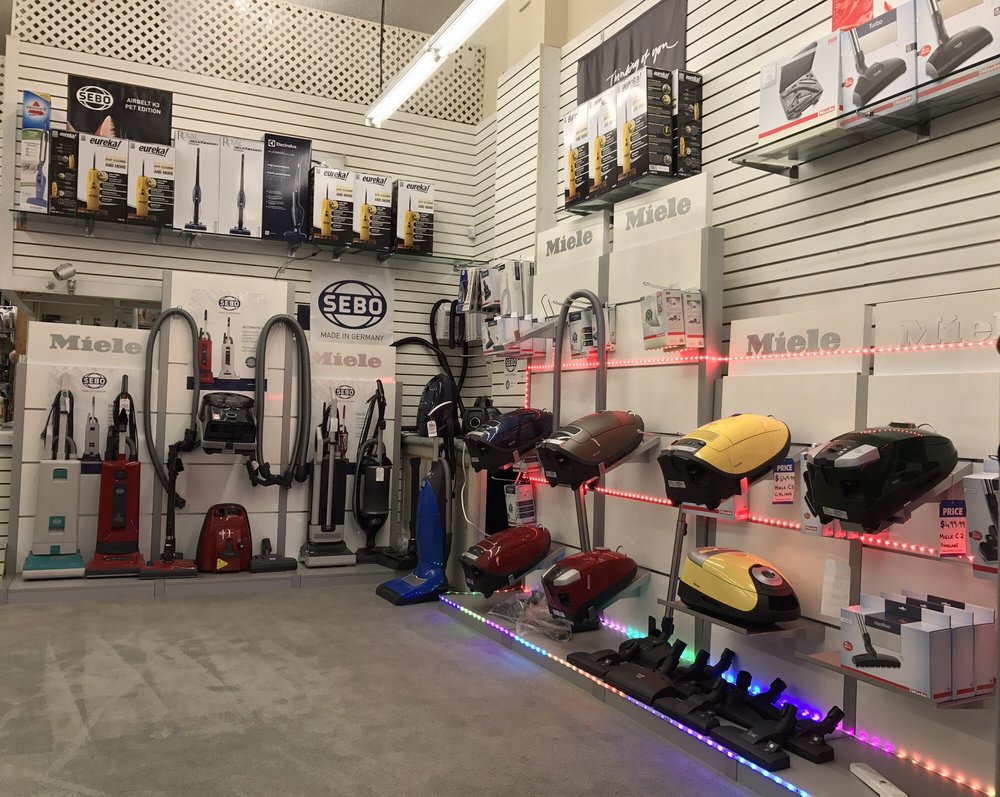
• Local vacuum shops: Independent stores often provide expert advice, repairs, replacement parts, and demonstrations.
• Brand showrooms: Some manufacturers sell directly through their own stores or websites.
If you need a vacuum today, check the product page before leaving home. A store may show a model online even when the local shelf is empty. Look for labels such as “in stock,” “ready for pickup,” or “available today.”
Best places to shop for a vacuum cleaner
The best place to buy depends on the kind of help you need. A local vacuum shop may offer better advice than a large store, while a big retailer may have a lower price and a faster return process.
Local vacuum stores
A local vacuum store is a strong choice if you want personal guidance. Staff may let you test several machines on carpet, tile, or hardwood. They can also help you choose bags, belts, filters, brushes, and other parts.
These stores are often helpful for homes with:
• Thick carpet
• Long-haired pets
• Stairs
• Allergies
• Large floor areas
• Special cleaning needs
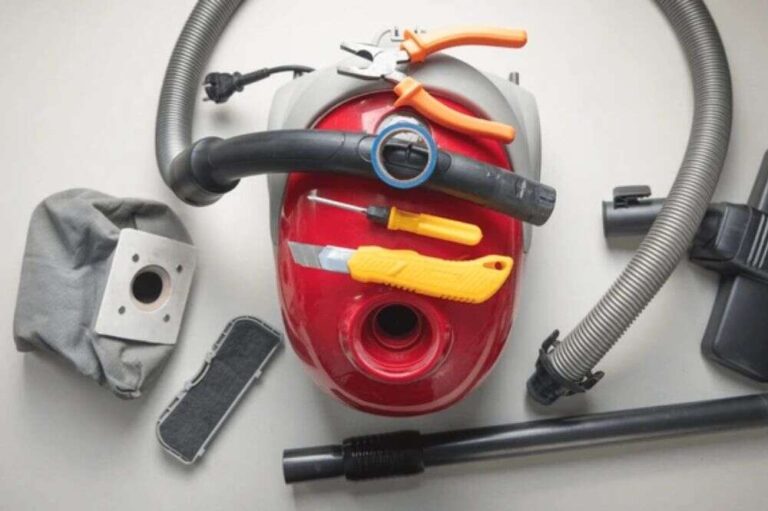
Many local stores also repair vacuums. That matters because a low purchase price may not be a bargain if replacement parts are hard to find.
Big-box retailers
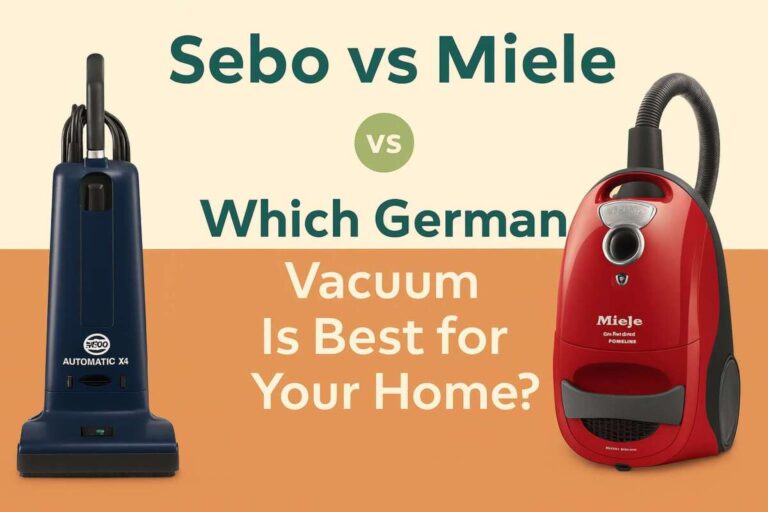
Big-box stores are convenient when you want many brands in one place. You may find models from Shark, Dyson, Bissell, Hoover, Miele, Kenmore, Samsung, and other manufacturers.
Their main benefits include:
• Wide product selection
• Frequent sales
• Store pickup
• Easy returns
• Extended warranty plans
The drawback is that floor models may not be powered on. You might not get a true sense of noise, steering, suction, or weight. Read the full specifications and ask whether a demonstration unit is available.
Warehouse clubs
Warehouse clubs can be a smart option for shoppers who want a popular model at a member price. They may also offer strong return policies, but these policies can change by product type and time.
Before buying, compare the club price with other retailers. Check whether the package includes extra filters, tools, batteries, or bags. A slightly higher price may be worthwhile if the bundle includes useful supplies.
Online retailers
Online shopping gives you the widest selection. It also makes it easy to compare customer reviews, prices, delivery dates, and technical details.
Online buying works well when:
• You already know the model you want
• You need a replacement for a familiar vacuum
• You want a robot vacuum or specialty machine
• Local stores do not carry the right model
• You need delivery to your home
The main limitation is that you cannot test the vacuum before buying it. Look for clear return terms, an authorized seller, a manufacturer warranty, and replacement parts that are easy to order.

How to find a vacuum cleaner near me today
If you need a vacuum cleaner quickly, use a simple local search process. It can save you a wasted trip and help you compare real choices.
-
Search for “where to buy a vacuum cleaner near me.”
-
Open several nearby store listings.
-
Check each store’s website for live inventory.
-
Filter results by pickup, delivery, price, or brand.
-
Call the store to confirm the exact model is available.
-
Ask whether the product is new, open-box, or refurbished.
-
Check the store’s return policy before paying.
-
Reserve the vacuum online if pickup is available.
Store inventory can change within hours. Calling ahead is especially important during holiday sales, moving season, and back-to-school promotions.
For same-day shopping, focus on stores within a practical driving distance. A retailer ten miles away may be a better choice than one across town if it has the right model ready for pickup.
How to choose the right vacuum cleaner
Knowing where to buy a vacuum cleaner near me is only the first step. The vacuum must match your home and cleaning habits.
Match the vacuum to your floor
Different floors need different cleaning tools.
• Carpet: Choose a vacuum with a powered brush roll and adjustable height. Thick carpet may need stronger airflow and better brush control.
• Hardwood: Look for soft floor settings, rubber wheels, and a brush roll that can be turned off.
• Tile: A vacuum with strong edge cleaning can collect dust from grout lines and baseboards.
• Area rugs: Choose a model with adjustable suction or brush speed so it does not pull at loose fibers.
• Mixed flooring: A versatile upright, canister, or cordless stick vacuum may be the most useful choice.
Avoid judging a vacuum by motor watts alone. Cleaning performance also depends on airflow, brush design, filtration, nozzle width, and how well the head seals against the floor.
Consider pets and allergies
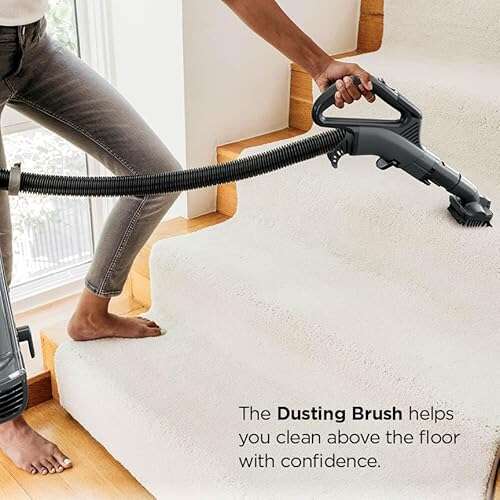
Pet owners should look for a sealed system, a good brush roll, and tools made for upholstery and stairs. A motorized pet tool can remove hair from furniture more effectively than a basic crevice tool.
People with allergies may benefit from a high-efficiency filter and a sealed body. The U.S. Environmental Protection Agency explains that filtration works best when the vacuum prevents collected dust from escaping back into the room.
A filter marked “HEPA” can be useful, but the whole vacuum matters. If the body leaks air around the filter, the label alone does not guarantee strong dust control.
Think about weight and storage
A vacuum can clean well and still be a poor fit if it is too heavy. Test the handle, steering, lift weight, and stair use before buying when possible.
Cordless stick vacuums are easy to store and carry. However, their run time may be limited, especially when used on high power. Upright and canister models often provide longer cleaning time but need more storage space.
Check the noise level
Noise matters if you have children, pets, roommates, or sensitive neighbors. Product descriptions may list decibels, but numbers are not always easy to compare across brands.
If you shop in person, turn on the display model if allowed. Listen for rattles, high-pitched sounds, and changes in noise when the brush roll starts.

Vacuum cleaner types and their best uses
Understanding vacuum types makes it easier to decide where to buy a vacuum cleaner near me.
Upright vacuums
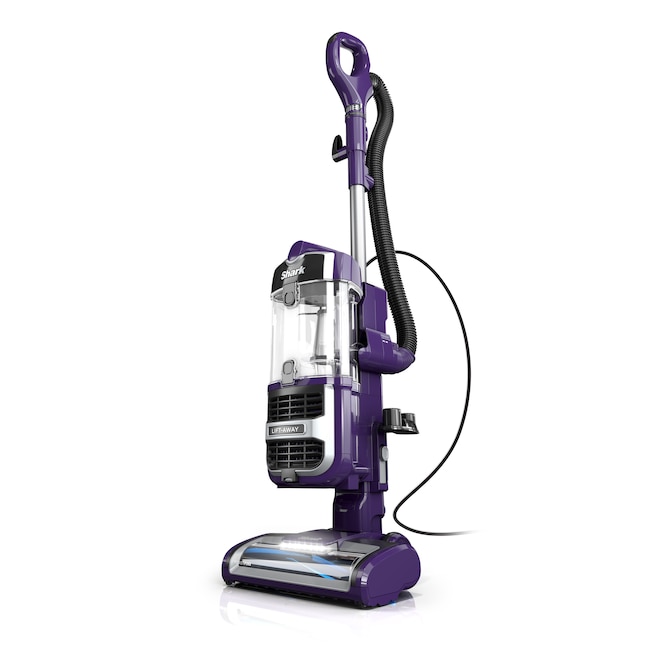
Upright vacuums are common in homes with wall-to-wall carpet. They often provide strong cleaning power and wide floor heads.
They may be less convenient on stairs and above-floor areas. Choose one with a long hose and useful attachments if you need to clean furniture or ceilings.
Canister vacuums
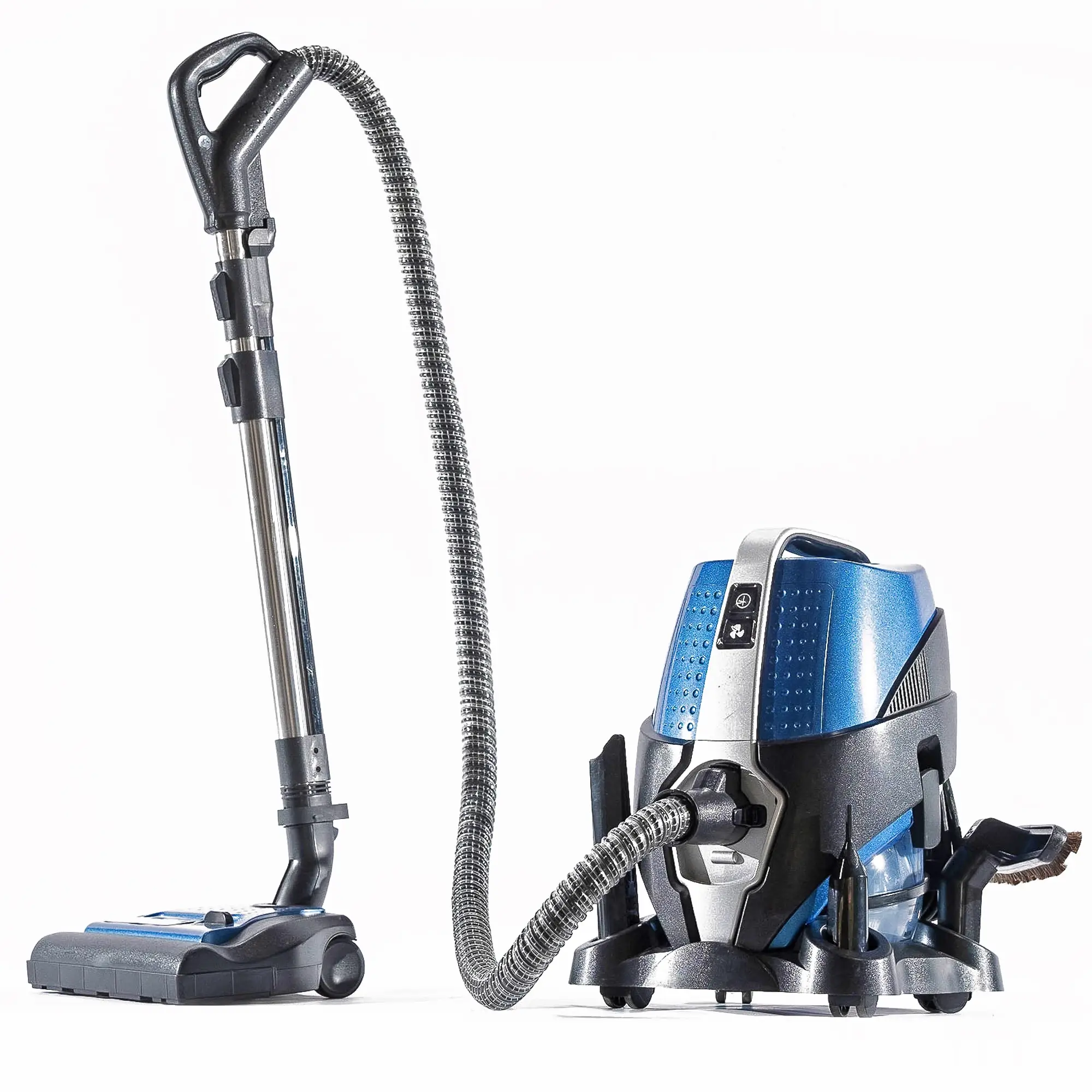
Canister vacuums are flexible and often work well on hard floors, stairs, and mixed surfaces. The main unit rolls behind you while you guide a hose and cleaning head.
They can be excellent for detailed cleaning, but storage may take more space. The hose can also feel awkward in a small room.
Stick vacuums
Stick vacuums are slim, light, and easy to grab for daily messes. Many cordless models convert into handheld vacuums for furniture and cars.
Battery life, dustbin size, and deep-carpet performance vary widely. Check whether the battery is removable and how much a replacement costs.
Robot vacuums
Robot vacuums can maintain floors while you work or sleep. Many models map rooms, avoid some obstacles, and return to a charging dock.
They do not fully replace manual cleaning. You may still need a standard vacuum for stairs, upholstery, corners, and deep cleaning.
Handheld vacuums
Handheld models are useful for cars, crumbs, pet hair, and small spills. They are not designed to clean an entire home efficiently.
Wet and dry shop vacuums
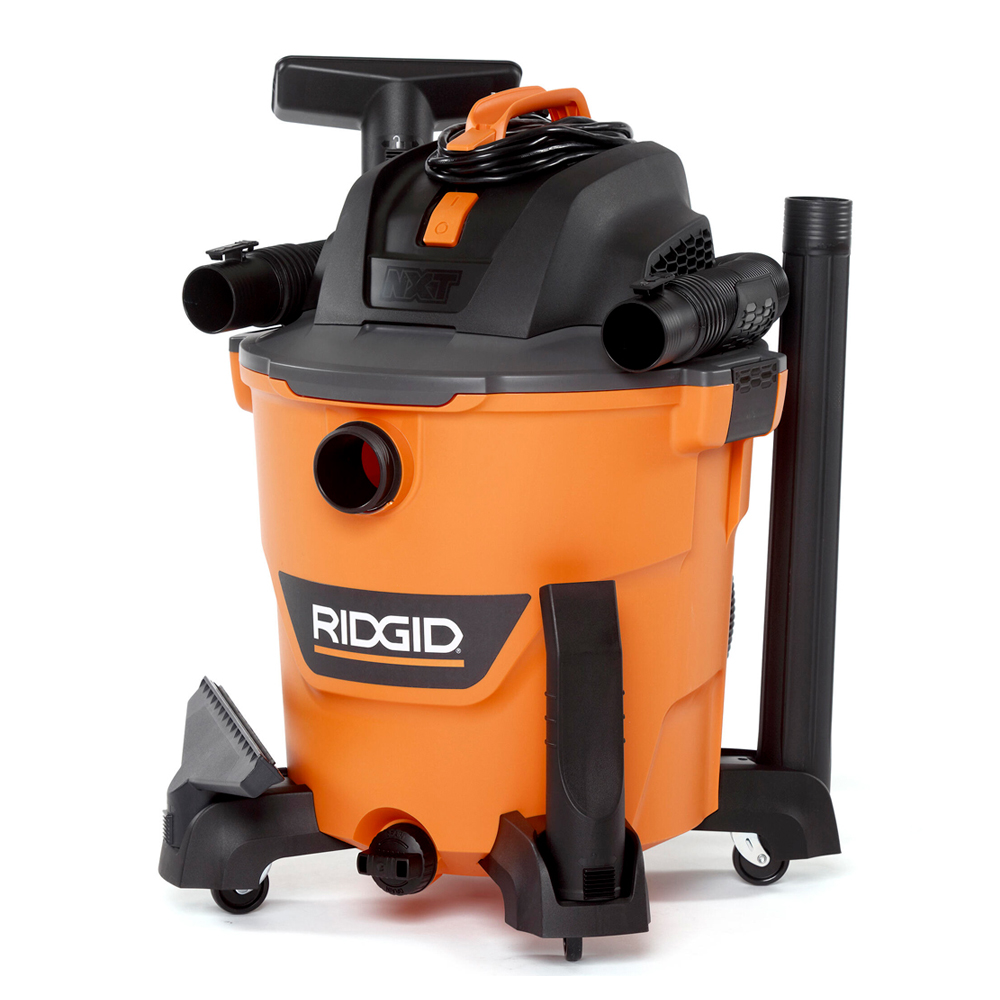
Shop vacuums are made for garages, workshops, renovations, and certain liquid messes. Do not assume a shop vacuum is suitable for regular indoor carpet care.
Always follow the manual when picking up liquids. Some models need a filter removed or changed for wet use.
)
What to check before buying a vacuum cleaner
When comparing where to buy a vacuum cleaner near me, look beyond the sale price. The total cost includes filters, bags, batteries, belts, tools, repairs, and energy use.
Use this checklist:
• Suction and airflow: Review independent tests when available, but remember that results can vary by floor type.
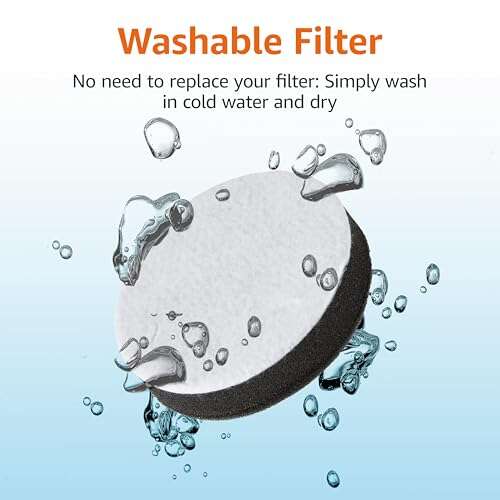
• Filtration: Check whether the filter is washable, replaceable, or part of a sealed system.
• Dust capacity: A larger bin or bag means fewer interruptions.
• Cord length: A longer cord can reduce outlet changes.
• Battery life: Compare normal and high-power run times, not just the advertised maximum.
• Brush roll: Make sure it suits your flooring and pet hair needs.
• Attachments: Look for a crevice tool, dusting brush, upholstery tool, and powered pet tool if needed.
• Warranty: Read what parts and labor the warranty covers.
• Replacement parts: Confirm that filters, bags, belts, batteries, and rollers are available.
• Return policy: Check the time limit, restocking fee, and condition requirements.
A useful rule is to treat a vacuum like a small appliance investment, not a disposable purchase. A durable model with accessible parts may cost less over several years than a cheap model that cannot be repaired.

How much does a vacuum cleaner cost?
Prices vary by type, brand, features, and build quality. Basic handheld and stick vacuums may cost less than premium uprights, canisters, and robot models.
Typical price groups include:
• Budget models: Good for small spaces, light cleaning, and occasional use.
• Mid-range models: Often offer better filtration, stronger tools, and improved durability.
• Premium models: May include advanced navigation, high-end filtration, stronger construction, or longer warranties.
Sales can make pricing confusing. Compare the regular price, sale price, included accessories, and warranty. Some discounts apply only to a specific color or package.
Be careful with extended warranties. They may be useful for complex cordless or robotic models, but the coverage must justify the cost. Read the exclusions before purchasing.
My practical lessons from vacuum shopping
One mistake I often see is choosing the lightest vacuum without checking the floor head. A light machine may feel convenient, but it can struggle with thick carpet or fail to collect hair along walls.
Another common mistake is ignoring maintenance. Every vacuum needs some care. A full bin, clogged filter, wrapped brush roll, or damaged belt can reduce performance and make a good machine seem defective.
Before buying, I suggest testing three things:
-
Push the vacuum across your main floor.
-
Lift it as if you were cleaning stairs.
-
Empty the bin or inspect how the bag fits.
These small checks reveal more than a glossy product photo. I also recommend reading recent reviews for complaints about battery failure, parts availability, overheating, and difficult customer service.
The best purchase is not always the machine with the strongest marketing. It is the one you can use often, maintain easily, and afford to keep running.
Common mistakes to avoid
Shopping for where to buy a vacuum cleaner near me can feel simple, but several mistakes can lead to buyer’s remorse.
• Buying only by brand name: A respected brand can still make models for different needs and budgets.
• Trusting suction claims alone: Strong suction does not always mean better cleaning on every floor.
• Forgetting stairs: A heavy upright may be difficult to lift and use on steps.
• Ignoring storage: Measure your closet or utility area before buying a large machine.
• Skipping the return policy: This is risky when buying online or purchasing an expensive model.
• Neglecting replacement costs: Filters, bags, batteries, and rollers can add up.
• Buying a wet vacuum for dry-only work: Use each machine only for tasks listed in its manual.
• Choosing a cordless model without checking battery time: High-power settings can shorten run time.
• Assuming robot vacuums need no help: They still need emptying, brush cleaning, and occasional maintenance.
A little planning helps you avoid paying twice: once for the wrong vacuum and again for the replacement.
How to compare local and online prices
Local shopping gives you speed, hands-on testing, and sometimes expert service. Online shopping often gives you more models and easier price comparison.
Compare these details before making a decision:
• Final price after taxes and shipping
• Same model number and accessory bundle
• Delivery date or pickup time
• Return shipping costs
• Warranty length and seller status
• Availability of replacement parts
• Customer service contact options
If a local store costs slightly more, ask whether the price includes setup, delivery, demonstrations, or future service. Those benefits may be valuable, especially for a large canister or premium robot vacuum.
For online purchases, buy from the manufacturer or an authorized seller when possible. This can make warranty claims and replacement part orders easier.
Frequently asked questions
Where can I buy a vacuum cleaner near me today?
You can usually find one at a big-box retailer, appliance store, warehouse club, home improvement store, or local vacuum shop. Check live inventory online and call before driving to confirm the model is ready.
Is it better to buy a vacuum cleaner in a store or online?
A store is better when you want to test weight, noise, steering, and attachments. Online shopping is useful for comparing prices, reading reviews, and finding models that local stores do not carry.
What is the best vacuum cleaner for a home with pets?
Look for a powered brush roll, strong edge cleaning, a sealed filtration system, and a tool for upholstery. The best model also depends on whether your home has carpet, hardwood, stairs, or several floor types.
How much should I spend on a vacuum cleaner?
Spend enough to match your floor type, cleaning needs, and expected use. A low-cost model may work for a small apartment, while a larger home with pets may benefit from a stronger mid-range or premium vacuum.
Should I buy a cordless or corded vacuum?
Cordless vacuums are convenient for quick cleaning and small spaces. Corded models usually provide continuous run time and may be better for large homes or deep carpet cleaning.
Are local vacuum stores worth visiting?
Yes, especially if you need expert advice, repairs, demonstrations, or replacement parts. A local shop may help you choose a machine that fits your floors better than a quick online purchase.
What should I bring or measure before buying?
Measure storage space and note your floor types, room sizes, stairs, pets, and allergy concerns. If you are replacing a vacuum, take its model number so the store can help you compare similar options.
Conclusion
The best answer to “where to buy a vacuum cleaner near me” depends on your need for speed, advice, product choice, and after-sale support. Local vacuum shops offer hands-on expertise, big-box stores provide convenience, warehouse clubs may offer value, and online retailers make comparison simple.
Before you buy, match the vacuum to your floors, pets, home size, storage space, and budget. Check inventory, test the machine when possible, review the warranty, and confirm that replacement parts are easy to find.
Start by comparing two or three nearby retailers today. Read the product details, call ahead, and choose a vacuum you can use and maintain for years.

Liora Pennings is a seasoned chef and kitchen enthusiast with a passion for turning everyday cooking into an effortless experience. With years of hands-on culinary expertise, she specializes in practical techniques, ingredient know-how, and smart kitchen solutions that help home cooks elevate their meals. At KitchFlair.com, Liora shares her best tips, time-saving tricks, and honest product reviews to guide readers toward a more efficient, enjoyable, and inspired cooking routine. Whether you’re a beginner or a seasoned home chef, Liora’s friendly, knowledge-packed insights make every visit to the kitchen a little easier—and a lot more delicious.