
What Type Of System Is A Coffee Maker: Appliance Guide
A coffee maker is an electromechanical thermal system that heats water, brews coffee, and delivers it for drinking.
To understand what type of system is a coffee maker, it helps to look beyond its simple job. A coffee maker combines electrical power, heat transfer, water flow, timing, and user controls in one compact appliance. This guide explains how those parts work together, what system classifications apply, and how different coffee makers compare in real use.
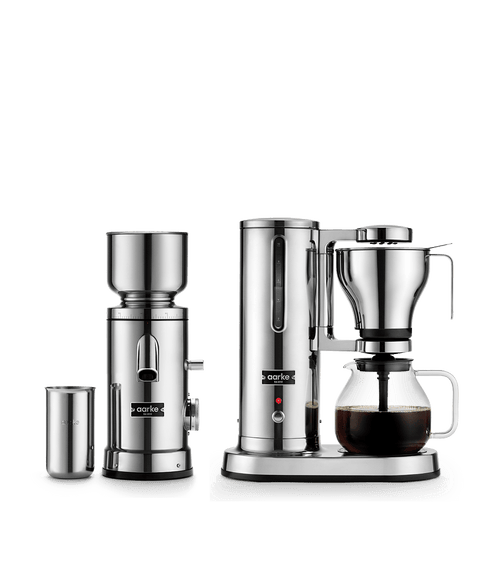
What type of system is a coffee maker?
The best answer is that a coffee maker is an electromechanical system and a thermal processing system. It uses electrical energy to create heat, then moves heated water through ground coffee to produce a finished drink.
A coffee maker also fits the input-process-output model:
• Input: Electricity, water, and ground coffee
• Process: Heating, pumping, dripping, and extraction
• Output: Brewed coffee, heat, and used grounds
This classification explains what type of system is a coffee maker more clearly than calling it only a kitchen appliance. The machine has several connected parts that must work in sequence.
Most coffee makers also contain both mechanical and electrical elements. A heating element creates heat, while tubes, valves, springs, and pumps control water movement. A switch, timer, thermostat, or digital circuit controls when each action occurs.
In simple terms, a coffee maker is like a small factory. It takes raw materials, follows a set process, and creates a finished product.

Is a coffee maker an open-loop or closed-loop system?
A basic drip coffee maker is usually an open-loop control system. It performs its brewing cycle without constantly measuring the quality of the coffee or adjusting the process based on the final result.
For example, a simple model may use a thermostat to control water temperature. The thermostat turns the heater on and off, but the machine does not taste the coffee, measure extraction, or change the brew time based on the result.
This is why what type of system is a coffee maker can have more than one correct answer. A machine may be open-loop at the brewing level but still use limited feedback for temperature control.
Open-loop coffee maker systems
An open-loop system follows preset actions. It does not use feedback from the final output.
Examples include:
• A basic drip machine that runs for a fixed time
• A coffee maker with a simple on/off switch
• A pour-over setup with no electronic controls
• A stovetop brewer operated by the user
These systems are simple, affordable, and easy to maintain. However, they may produce different results when water temperature, grind size, or coffee quantity changes.
Closed-loop coffee maker systems
A more advanced coffee maker may use feedback. Sensors can monitor water temperature, boiler pressure, water level, or brewing time.
Examples include:
• Espresso machines with pressure control
• Superautomatic machines with electronic sensors
• Specialty brewers with temperature regulation
• Machines that adjust heating based on sensor readings
A closed-loop system can improve consistency. Still, it does not always guarantee better flavor because coffee quality also depends on beans, freshness, grind size, and water chemistry.
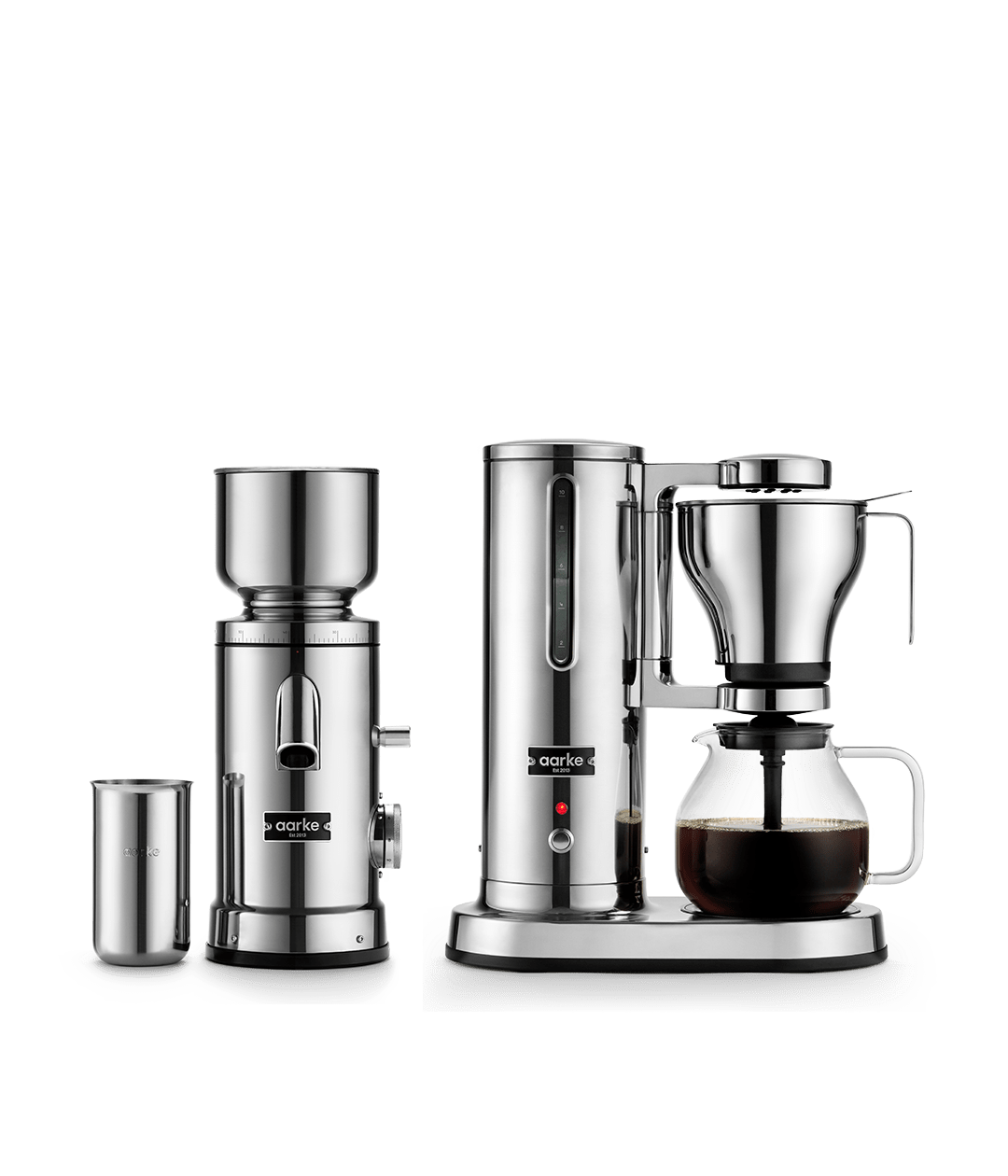
How does a coffee maker work as a system?
To see what type of system is a coffee maker, follow the path of energy and water through the machine.
First, electricity enters the appliance through the power cord. A control switch or circuit sends power to the heating element. In many drip machines, the same heated area warms the water and later keeps the glass carafe warm.
Next, the heating element warms water in a small chamber. As the water heats, steam pressure or natural convection pushes it upward through a narrow tube. The hot water then flows over the coffee grounds.
The brewed liquid passes through a paper or metal filter. The filter holds back most of the grounds while allowing coffee to fall into the carafe or cup.
A typical brewing sequence includes these steps:
- The user fills the water reservoir.
- The user adds ground coffee to the filter basket.
- The control switch activates the heater.
- Water moves into the heating chamber.
- Heated water travels through the outlet tube.
- Water spreads over the coffee grounds.
- Coffee drips into the carafe.
- A thermostat may keep the coffee warm.
This process shows why a coffee maker is more than a heating device. It is a coordinated system that combines thermal energy, fluid movement, filtration, and control.

Main components of a coffee maker system
Each component performs a specific role. If one part fails, the entire brewing process may slow down or stop.
Heating element
The heating element converts electrical energy into heat. It is often made from a resistance wire inside a protective metal tube.
The element may serve two purposes:
• Heating the water during brewing
• Keeping the carafe warm after brewing
Many machines use separate temperature paths or controls for these tasks.
Water reservoir
The reservoir stores the water before brewing. It may be removable or permanently attached to the machine.
A clean reservoir helps protect taste and performance. Mineral deposits can build up inside the reservoir and nearby tubes, especially when the water is hard.
Pump or heating chamber
Basic drip coffee makers often do not use a separate electric pump. Instead, heating creates pressure that moves water through the system.
Espresso machines usually use a pump. The pump forces water through compacted coffee grounds at controlled pressure.
Filter basket
The filter basket holds the coffee grounds. Paper filters trap oils and fine particles, while metal filters allow more oils into the cup.
The filter type affects body, clarity, and cleanup. A paper filter often creates a cleaner cup, while a metal filter can produce a fuller texture.
Thermostat and sensors
A thermostat helps control temperature. It may turn the heating element off when the water becomes hot enough.
Advanced coffee makers may use several sensors. These can monitor temperature, water level, pressure, and the position of the brew group.
Control panel
The control panel lets the user select settings. Common controls include:
• Power
• Brew size
• Strength
• Temperature
• Delay start
• Keep-warm time
• Cleaning mode
A basic switch is a simple control system. A touchscreen machine may contain a small computer or microcontroller.

What energy transformations happen in a coffee maker?
A coffee maker changes energy from one form to another. This is a key reason it qualifies as an electromechanical and thermal system.
The main energy transformation is:
Electrical energy → Thermal energy → Fluid motion and coffee extraction
The heating element receives electrical energy and produces heat. That heat warms the water. The hot water then moves through the system and extracts soluble compounds from the coffee grounds.
Some energy also becomes sound. You may hear bubbling, dripping, or pump noise. A small amount becomes unwanted heat that escapes into the surrounding air.
A coffee maker is not perfectly efficient. Some heat is lost through the housing, tubes, filter basket, and carafe. A well-designed machine reduces these losses through insulation and careful temperature control.
This matters because brewing quality depends on stable heat. Water that is too cool may produce weak coffee. Water that is too hot may create harsh or bitter flavors, especially when the brewing process is poorly controlled.
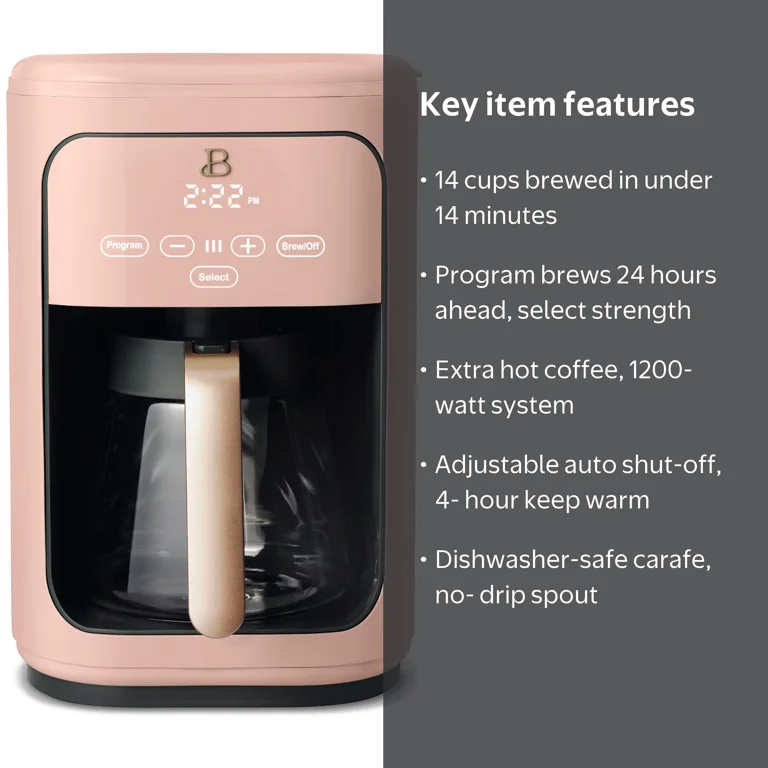
Is a coffee maker a simple or complex system?
A basic coffee maker is a simple system from the user’s point of view. You add water and coffee, press a button, and wait.
Inside, however, the machine is a connected system with several stages. Its complexity depends on the model.
A basic drip machine may contain:
• One heating element
• One thermostat
• A water tube
• A filter basket
• A power switch
• A carafe
An advanced espresso or bean-to-cup machine may contain:
• A grinder
• A pump
• A boiler or thermoblock
• Pressure sensors
• Flow meters
• Electronic controls
• Automatic rinsing parts
• A milk frothing system
So, what type of system is a coffee maker depends partly on its design. A simple drip machine is a basic electromechanical system. A connected espresso machine is a complex automated system.
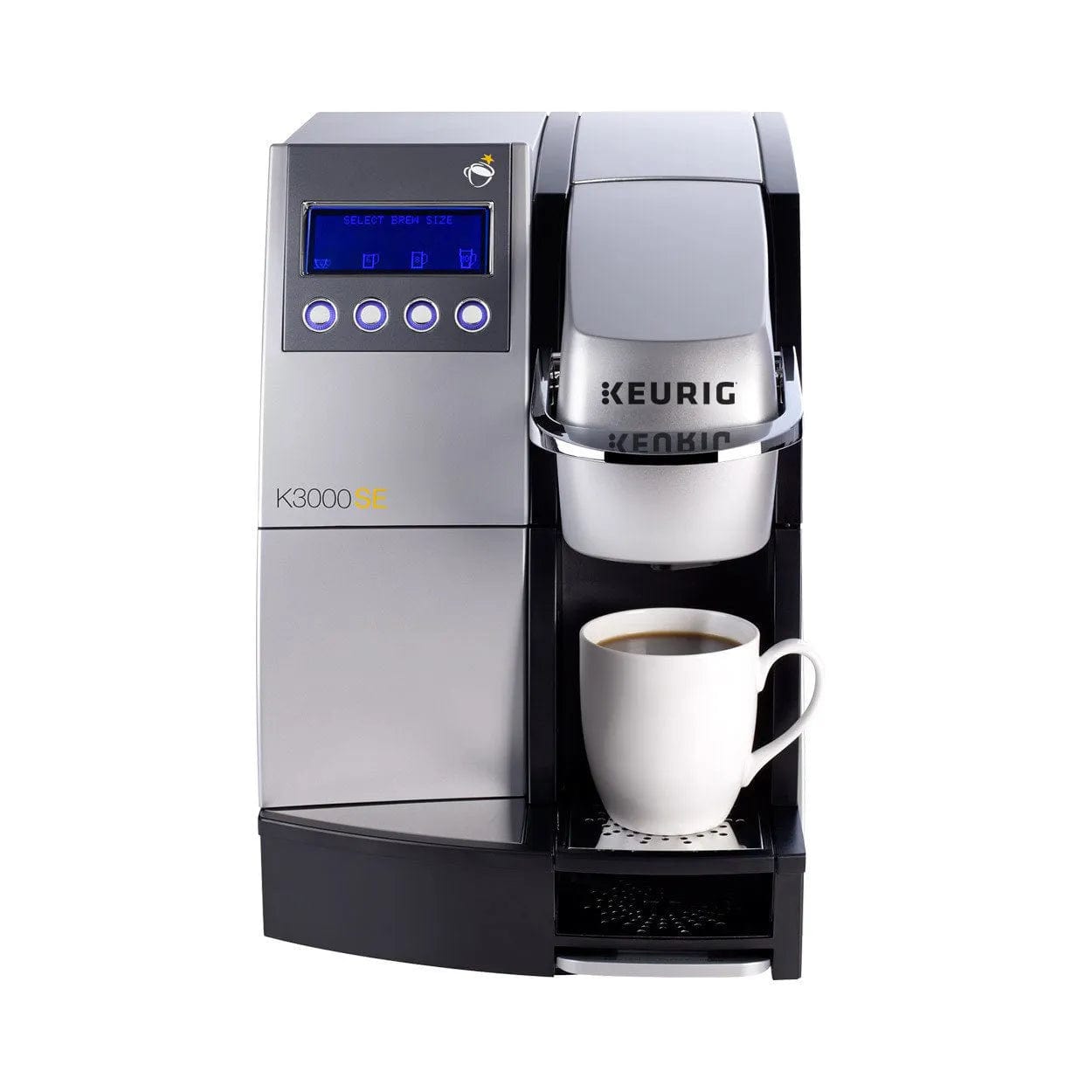
Different coffee makers and their system types
Coffee makers share the same basic goal, but they use different system designs.
Drip coffee maker
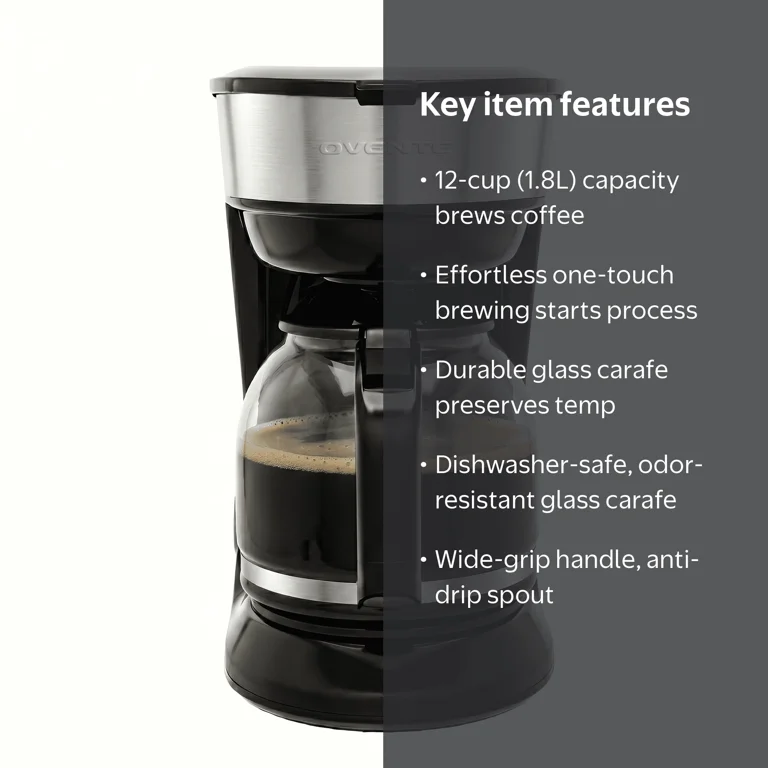
A drip coffee maker is mainly a thermal and fluid-flow system. It heats water and sends it through coffee grounds by natural pressure or convection.
It is usually an open-loop system. The user controls the coffee-to-water ratio, grind size, and brew quantity.
Single-serve pod machine
A pod machine is an automated electromechanical system. It uses a pump or pressure system to move hot water through a sealed capsule.
The machine may detect the pod, control water volume, and stop after a preset time. This makes it more automated than a basic drip brewer.
Espresso machine
An espresso machine is a pressurized fluid system with thermal control. It forces hot water through finely ground coffee under pressure.
Many espresso machines use pumps, boilers, thermoblocks, pressure valves, and temperature sensors. These parts make the system more complex.
French press
A French press is a manual immersion system. It does not need electricity, a heating element, or automatic controls.
The user adds hot water, waits for extraction, and presses a mesh filter through the coffee. The kettle used to heat the water is a separate thermal system.
Pour-over brewer
A pour-over brewer is a manual gravity-flow system. Water moves through the coffee grounds because of gravity and the user’s pouring action.
This method gives the user strong control over flow rate, timing, and water distribution. It also requires more skill and attention.
Stovetop coffee maker
A stovetop coffee maker is a pressure-assisted thermal system. Heat from a stove increases pressure in the lower chamber and pushes water upward through the coffee.
It has few electronic parts. However, safe use depends on correct assembly, suitable heat, and a clear safety valve.
Benefits of understanding a coffee maker system
Knowing what type of system is a coffee maker can help you choose, use, and maintain one more effectively.
Better buying decisions
If you want simple operation, a drip machine may be enough. If you want espresso, crema, and milk drinks, you need a pressurized system with stronger controls.
A system-based view helps you compare features that matter. It also prevents you from paying for functions you will not use.
Easier troubleshooting
When a coffee maker stops working, think in stages:
- Does the machine receive power?
- Does the heating element warm the water?
- Does water move through the tube?
- Does water reach the coffee grounds?
- Does the filter drain correctly?
- Does the control system stop the cycle?
This approach is more useful than guessing. For example, a machine that hums but produces no coffee may have a blocked tube, air lock, or mineral buildup.
Improved coffee quality
The system controls the contact between water and coffee. Small changes in water temperature, flow, and timing can change the flavor.
Use fresh coffee, a suitable grind, clean water, and the correct coffee-to-water ratio. These simple habits often matter more than expensive features.
Safer use
Understanding the heat and pressure inside a machine encourages safer habits. Never block a vent, remove a pressurized portafilter carelessly, or run a machine without enough water.
Always follow the manufacturer’s instructions for cleaning and descaling.

Common limitations and mistakes
Even a well-designed coffee maker has limits. It cannot correct every problem caused by poor ingredients or poor maintenance.
Common mistakes include:
• Using a grind that is too fine for a drip machine
• Packing too much coffee into the filter basket
• Ignoring mineral scale
• Leaving wet grounds in the basket
• Using stale coffee beans
• Overheating coffee on a hot plate
• Filling the reservoir beyond its marked limit
• Assuming a strong flavor means better extraction
One lesson from hands-on coffee equipment testing is that scale causes more trouble than many users expect. A machine may still turn on while its water path becomes restricted. This can create slow brewing, uneven flow, strange noises, and weak coffee.
Clean the removable parts often. Descale the internal water path according to the manual and local water conditions. Do not use abrasive tools or unapproved chemicals inside the machine.
How to maintain a coffee maker system
Good maintenance protects both the machine and the flavor of the coffee.
Follow this simple routine:
- Empty the filter basket after each use.
- Rinse the basket and carafe.
- Wipe spills from the warming plate.
- Wash removable parts with mild soap.
- Keep the reservoir open until it dries.
- Descale the machine when flow slows or scale appears.
- Replace water filters as directed.
- Check seals and removable parts for wear.
Avoid storing old water in the reservoir for long periods. Standing water can develop unpleasant odors and may affect taste.
Do not immerse an electric coffee maker in water. Unplug it before cleaning the outside, and let all parts dry before reassembly.
How to classify a coffee maker in science and technology
A coffee maker can fit several system categories at the same time.
• Electromechanical system: It uses electrical and mechanical parts together.
• Thermal system: It transfers heat to water and sometimes coffee.
• Fluid system: It controls the movement of water and brewed coffee.
• Control system: It uses switches, thermostats, timers, or sensors.
• Consumer appliance: It performs a practical household task.
• Automated system: It completes several steps with limited user input.
• Open-loop system: Basic models follow preset actions without output feedback.
• Closed-loop system: Advanced models use sensors to adjust operating conditions.
This layered classification is the most accurate answer to what type of system is a coffee maker. No single label explains every model.
The right classification depends on which feature you are studying. An engineer may focus on heat transfer. A computer science student may focus on control logic. A product designer may focus on user input and system output.
Frequently Asked Questions About What Type of System Is a Coffee Maker
Is a coffee maker an electrical system?
Yes. A powered coffee maker uses electricity to operate its heating element, pump, timer, display, or control board. Manual brewers, such as French presses, are not electrical systems by themselves.
Is a coffee maker a mechanical system?
A coffee maker includes mechanical parts, such as valves, springs, tubes, switches, and moving pump components. However, most powered models are best described as electromechanical systems because they combine electrical power with mechanical action.
Is a coffee maker an open-loop system?
Most basic drip coffee makers are open-loop systems because they follow preset steps without measuring the final coffee result. Some advanced machines use sensors and feedback, so they may include closed-loop control.
Is a coffee maker a thermal system?
Yes. Heating water is one of its main functions. The machine converts electrical energy into heat and transfers that heat to water for coffee extraction.
What are the inputs and outputs of a coffee maker?
Its main inputs are electricity, water, and coffee grounds. Its outputs are brewed coffee, used grounds, heat, and sometimes sound or steam.
Why does the system type matter to coffee quality?
The system controls water temperature, flow, contact time, and pressure. These factors influence extraction, so the design of the machine can affect strength, flavor, clarity, and consistency.
Conclusion
A coffee maker is best understood as an electromechanical, thermal, and fluid-processing system. Basic models usually use open-loop control, while advanced machines may add sensors and closed-loop features. Regardless of the design, every coffee maker transforms water, coffee, and energy into a finished drink through a controlled sequence.
Understanding what type of system is a coffee maker makes it easier to choose the right model, solve common problems, and improve daily brewing. Keep the water path clean, use fresh coffee, and match the machine to your preferred brewing style. Explore more coffee guides, compare brewing systems, and share your favorite method with other coffee lovers.

Liora Pennings is a seasoned chef and kitchen enthusiast with a passion for turning everyday cooking into an effortless experience. With years of hands-on culinary expertise, she specializes in practical techniques, ingredient know-how, and smart kitchen solutions that help home cooks elevate their meals. At KitchFlair.com, Liora shares her best tips, time-saving tricks, and honest product reviews to guide readers toward a more efficient, enjoyable, and inspired cooking routine. Whether you’re a beginner or a seasoned home chef, Liora’s friendly, knowledge-packed insights make every visit to the kitchen a little easier—and a lot more delicious.