How To Make Coffee Less Watery In Drip Machine: Quick Fixes
Use a finer grind, increase the coffee dose, and tighten your brew ratio for stronger drip coffee.
I’ve brewed with many drip machines over the years and helped friends fix flat, watery coffee. This guide explains, step by step, exactly how to make coffee less watery in drip machine setups. You’ll get clear causes, practical fixes, and simple tests to improve flavor without fancy gear. Read on and you’ll stop wasting coffee and start getting consistent cups from your drip brewer.
Why drip coffee often tastes watery
Drip brewers can make weak coffee for simple, predictable reasons. Water passes too fast through ground coffee. The grind may be too coarse. The coffee dose may be too low for the water used. Water too cool also extracts less flavor. Each factor alone or together makes coffee taste thin.
I’ve seen this in office machines and home brewers. One machine made decent coffee at first. After months, cups became thin. A quick dose increase and grind tweak fixed it. The main point: small adjustments make a big difference.

Quick fixes to make coffee less watery in drip machine
These are the fastest wins you can try today. They are simple, cheap, and effective.
-
Use more coffee per cup.
Increase the dose by 1 to 2 grams per 6 ounces of water to start. More coffee raises strength fast. -
Grind finer but not espresso-fine.
Aim for a medium-fine grind. Finer grinds slow water flow and boost extraction. -
Adjust brew ratio.
Try 1:15 to 1:16 coffee to water to get a fuller cup. A strong starting point is 1:15. -
Use slightly hotter water.
Check your machine reaches about 195–205°F (90–96°C). Cooler water extracts less flavor. -
Bloom pre-wet (if your shower head allows).
Pour a small amount of water over grounds and wait 30–45 seconds before finishing the brew. This releases gases and improves contact.
These quick steps fix most watery taste issues. Test one change at a time to learn what helps your machine most.

People also ask
How much coffee should I use for drip machine?
Use about 1 gram of coffee per 15–16 grams of water as a starting point, and adjust to taste.
Will a finer grind make coffee stronger?
Yes. Finer grounds increase surface area and slow flow, which raises extraction and perceived strength.
Does grind size affect drip machines?
Absolutely. Drip machines work best with a medium-fine to medium grind. Too coarse makes water rush through.

How grind size, dose, and brew ratio interact
These three factors form the core of a good cup. Treat them like a triangle. Change one and the others need small tweaks.
-
Grind size controls flow and extraction.
Finer = slower flow, more extraction. Coarser = faster flow, under-extraction. -
Dose changes concentration.
More coffee equals a stronger cup. Less coffee makes it weaker. -
Brew ratio balances strength and taste.
A 1:15 ratio (coffee to water) is a reliable guideline for fuller flavor in drip machines.
Example test you can run:
- Use 20 g coffee and 300 g water (1:15).
- Grind medium-fine.
- Run a brew and taste.
Change the dose up or down 2 g to find your sweet spot.
From my experience, increasing the dose by 5–10% often fixes watery cups without changing taste too much.
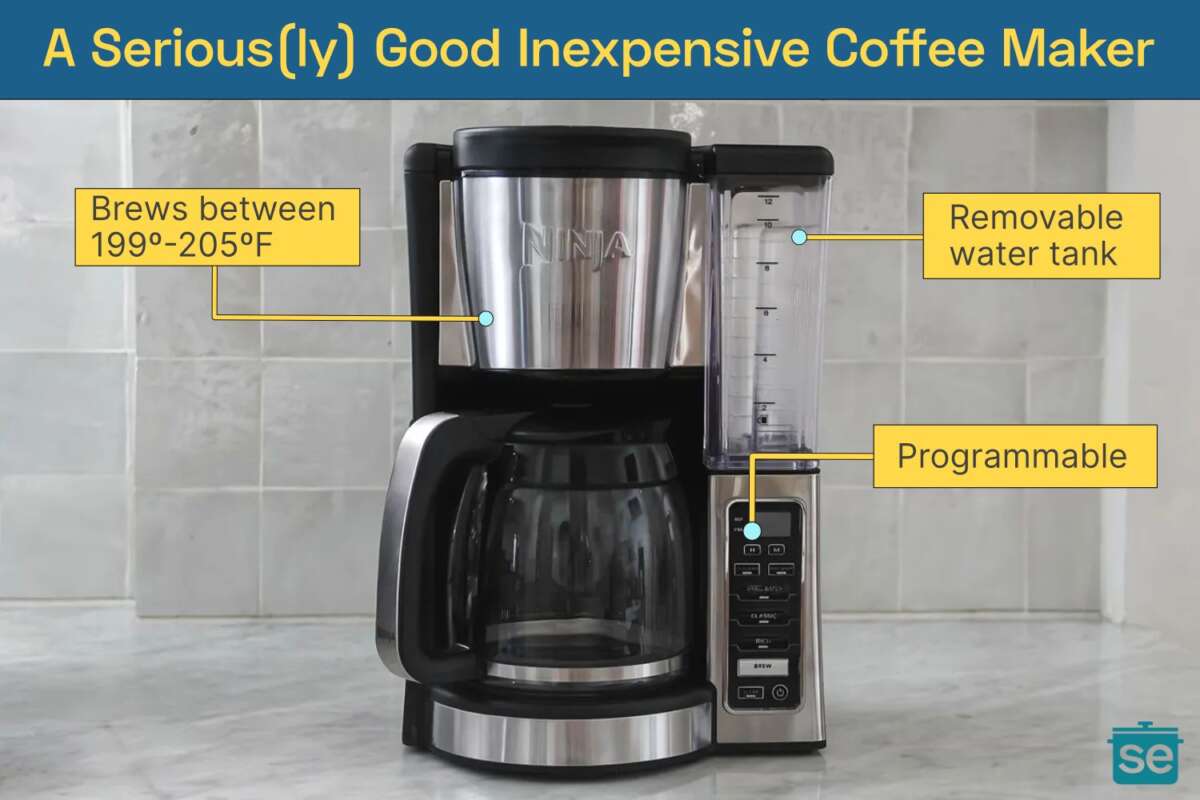
:max_bytes(150000):strip_icc()/1500x1000-sea-inexpensivecoffee-update-822f037bbccd469aa50f87bcdc81442f.jpg)
Water temperature and brew time tips
Water matters nearly as much as coffee. Too cool water under-extracts. Too hot water tastes bitter.
-
Aim for 195–205°F (90–96°C).
This range extracts flavor well for most roasts. -
Let filtered tap water come to temp in the machine.
Older or cheap machines can run too cool; a quick thermometer check helps. -
If brew time is very short, try a finer grind or a slightly higher dose.
Short time means less extraction and a thinner cup. -
Clean shower heads and spouts.
Even water distribution helps extraction.
On one machine I owned, fixing the heating element was the only way to stop watery cups. If adjustments fail, machine temperature or distribution may be the issue.

Beans, roast, and freshness: big flavor levers
The coffee itself affects perceived strength. Beans that are old or lightly roasted can taste weak.
-
Use fresh beans.
Coffee peaks 3–14 days after roast for many styles. Past two months, flavor fades. -
Try darker roasts for fuller mouthfeel.
Darker roasts often taste stronger, though they may have less acidity. -
Use quality beans with robust flavor profiles.
Some origins taste lighter. Blends or certain roasts give a fuller body.
Personal tip: I keep small bags and only grind what I need. That simple habit improved my morning cup more than any machine tweak.

Cleaning and maintenance to avoid watery coffee
Dirty gear causes poor extraction and odd tastes.
-
Clean the brew basket and carafe daily.
Old oils and grounds block flow and reduce extraction. -
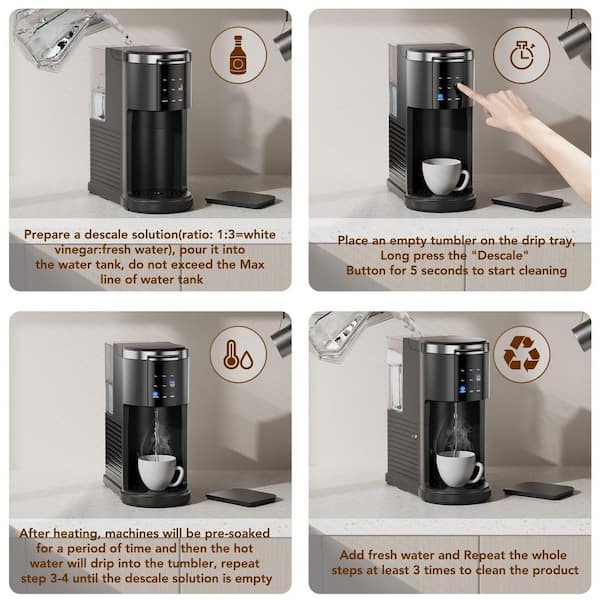
Descale your machine monthly if you have hard water.
Mineral buildup can lower brew temperature and disrupt flow. -
Replace paper filters if they are low quality.
Thicker, good filters give more even flow and better extraction.
I once cleaned a neglected office machine. The first brew after cleaning was night and day better. Don’t skip basic upkeep.
Advanced tips and recipes for more body
If you like a richer cup, try these ideas.
-
Use a slight immersion method.
Add half the water and let grounds sit 30 seconds, then finish brewing. This gives more contact time. -
Increase dose to 1:14 or 1:13 for a bold cup.
Watch for bitterness; taste often. -
Blend beans.
Mix a darker roast (30%) with a brighter one (70%) for balance and body. -
Try metal filters for more oils and body.
They let more oils through than paper filters, creating a fuller mouthfeel.
Example recipe for 12 oz cup:
- 24 g coffee, medium-fine grind.
- 350 g water at 200°F.
- Bloom with 40 g water for 30 seconds.
- Finish pour and brew.
Taste and adjust dose as needed.
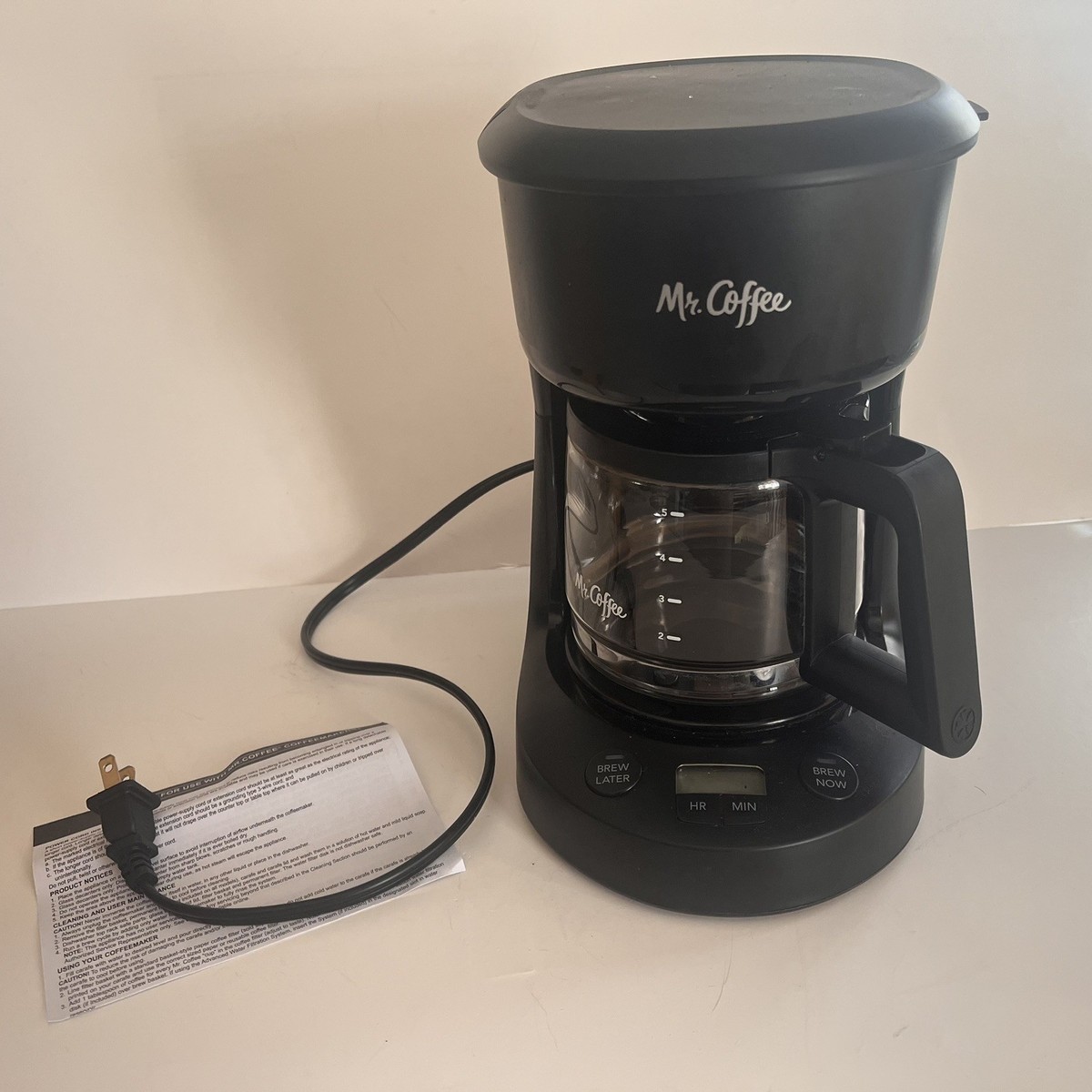
Troubleshooting checklist
Follow this quick list when your drip coffee is watery.
- Check grind: make it one step finer.
- Increase dose by 5–10%.
- Confirm water temp is near 200°F.
- Clean machine and filters.
- Try a 1:15 brew ratio and adjust from there.
- If none work, test another coffee bean or contact a technician for machine issues.
Short tests help. Change one thing at a time. Keep notes so you know what helped.
Frequently Asked Questions of how to make coffee less watery in drip machine
How much coffee should I use to avoid watery drip coffee?
Start with a 1:15 coffee-to-water ratio. For a 12-ounce cup, use about 24 grams of coffee and adjust to taste.
Will grinding finer always fix watery coffee?
Often yes, but grinding too fine can make the brew bitter or clog the filter. Move one grind step finer and test.
Can old beans make coffee taste watery?
Yes. Stale beans lose oils and aroma, making coffee taste flat and thin. Use fresh beans and store them well.
Does paper filter type affect strength?
Yes. Thin or low-quality paper can let water rush through. Use good filters or a metal filter for more body.
What if my drip machine is the problem?
If you’ve tried grind, dose, and cleaning and coffee is still weak, the machine might not reach proper temperature or distribute water evenly. Consider repair or replacement.
How do I test adjustments quickly?
Change only one thing per brew. Keep a notebook: record grind, dose, water temp, and filter. Taste and repeat until you get the cup you want.
Conclusion
Small, deliberate changes fix most watery drip coffee. Focus on grind size, dose, water temperature, and clean gear. Test one tweak at a time and keep notes. Try the recipes and checks above this week and you should see clear improvement.
Take action: pick one quick fix now—add 2 grams of coffee or grind one step finer—and taste the result. Share your wins or questions in the comments, subscribe for more tips, or try a new bean and report back.

Liora Pennings is a seasoned chef and kitchen enthusiast with a passion for turning everyday cooking into an effortless experience. With years of hands-on culinary expertise, she specializes in practical techniques, ingredient know-how, and smart kitchen solutions that help home cooks elevate their meals. At KitchFlair.com, Liora shares her best tips, time-saving tricks, and honest product reviews to guide readers toward a more efficient, enjoyable, and inspired cooking routine. Whether you’re a beginner or a seasoned home chef, Liora’s friendly, knowledge-packed insights make every visit to the kitchen a little easier—and a lot more delicious.