How To Make Ground Coffee: Easy Brewing Guide
Grind roasted coffee beans just before brewing, then use the right grind size, water, and brew method.
Learning how to make ground coffee is simple, but small details shape the final cup. Fresh beans, a suitable grinder, clean water, and the right brewing time can turn bitter or weak coffee into a smooth, balanced drink. This guide explains how to make ground coffee at home, whether you use a drip machine, French press, pour-over, espresso maker, or no special equipment.

What Is Ground Coffee?
Ground coffee is roasted coffee beans that have been crushed into small pieces. The grounds are mixed with hot water, which pulls out flavor, aroma, caffeine, oils, and acids from the beans.
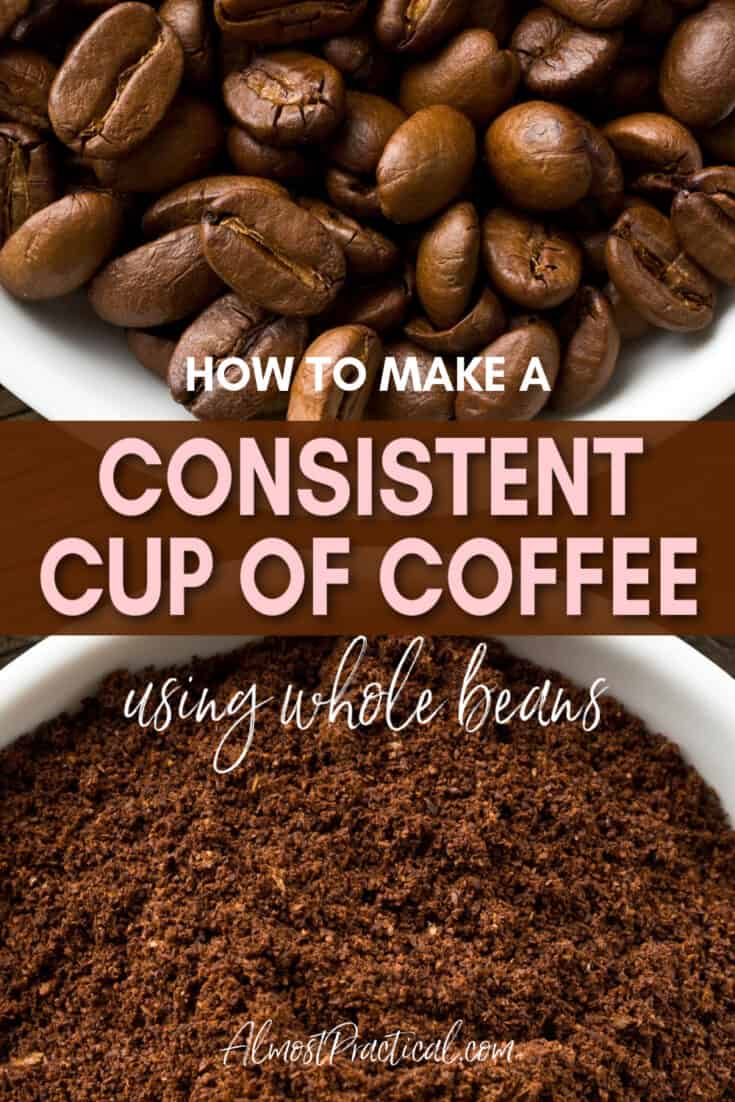
You can buy pre-ground coffee, but grinding whole beans just before brewing usually gives a fresher taste. Coffee starts losing aroma after grinding because more surface area meets air. This is why freshly ground coffee often smells brighter and tastes more complex.
When learning how to make ground coffee, remember that coffee is an extraction. Water acts like a painter’s brush. It draws flavor from the grounds, but too little or too much contact can spoil the picture.
What You Need to Make Ground Coffee
You do not need expensive gear to make a good cup. A few basic tools are enough.
• Whole coffee beans or fresh pre-ground coffee
• A burr grinder or blade grinder
• Fresh, clean water
• A coffee maker, French press, pour-over cone, or saucepan
• A kitchen scale or measuring spoon
• A timer
• A mug or serving pot
A burr grinder is the best choice because it crushes beans into more even pieces. Even grounds extract at a more steady rate. A blade grinder chops beans unevenly, so some bits may taste sour while others taste bitter.
For water, use cold, clean water with a pleasant taste. Coffee is mostly water, so poor-tasting water can ruin an otherwise good brew. Filtered water often works well, but distilled water may produce a flat cup because it lacks minerals that help extract flavor.
Choosing the Right Coffee Beans
The best beans depend on your taste. Coffee origin, roast level, processing method, and freshness all affect the cup.
Roast level
• Light roast: Often bright, fruity, floral, or tea-like
• Medium roast: Usually balanced, sweet, and easy to drink
• Dark roast: Often bold, smoky, bitter, or chocolate-like
Light roasts can taste sharp if they are under-extracted. Dark roasts can taste harsh if the water pulls out too much flavor. If you are new to brewing, a medium roast is a friendly place to start.
Bean freshness
Look for a roast date rather than only a best-by date. Many coffee professionals suggest using beans after they rest for several days but before their flavor fades. A sealed bag stored in a cool, dark cabinet can help protect the aroma.
Do not store coffee in the refrigerator. Coffee can absorb food smells and moisture. A sealed, opaque container in a dry cabinet is usually a better choice.
Whole beans or pre-ground coffee
Whole beans offer the most control and freshness. Pre-ground coffee is faster and can still make a good cup when stored well.
If convenience matters, buy a small bag of ground coffee and use it within a reasonable time. The most advanced method is not useful if it makes your morning harder.
How to Grind Coffee Beans
The grind size controls how quickly water moves through the coffee. Fine grounds expose more surface area, while coarse grounds slow the extraction.
Use these general settings:
• Extra fine: Turkish coffee
• Fine: Espresso
• Medium-fine: AeroPress or some cone-shaped pour-over brewers
• Medium: Drip coffee makers and flat-bottom pour-over brewers
• Medium-coarse: Some pour-over methods
• Coarse: French press and cold brew
Using a burr grinder
-
Measure the beans.
-
Add them to the grinder.
-
Choose the grind size for your brew method.
-
Grind until the pieces look even.
-
Brew the grounds soon after grinding.
A useful starting ratio is 1 gram of coffee for every 15 to 17 grams of water. For a regular 12-ounce cup, try about 22 to 24 grams of coffee with 350 to 400 grams of water.
If you do not have a scale, use about 2 level tablespoons of ground coffee for every 6 ounces of water. This method is less exact because spoon size and coffee density vary.
Using a blade grinder
A blade grinder can work if you use short pulses. Shake the grinder gently between pulses to spread the beans.
Avoid running the blade continuously. It can heat the coffee and create a mix of powder and large chunks. This uneven grind makes it harder to learn how to make ground coffee consistently.
Grinding without a grinder
You can use a rolling pin, mortar and pestle, or heavy pan in an emergency. Place the beans in a strong, sealed bag before crushing them.
The result will not be as even as a burr grinder. Still, fresh crushed beans may taste better than old coffee that has been sitting open for weeks.

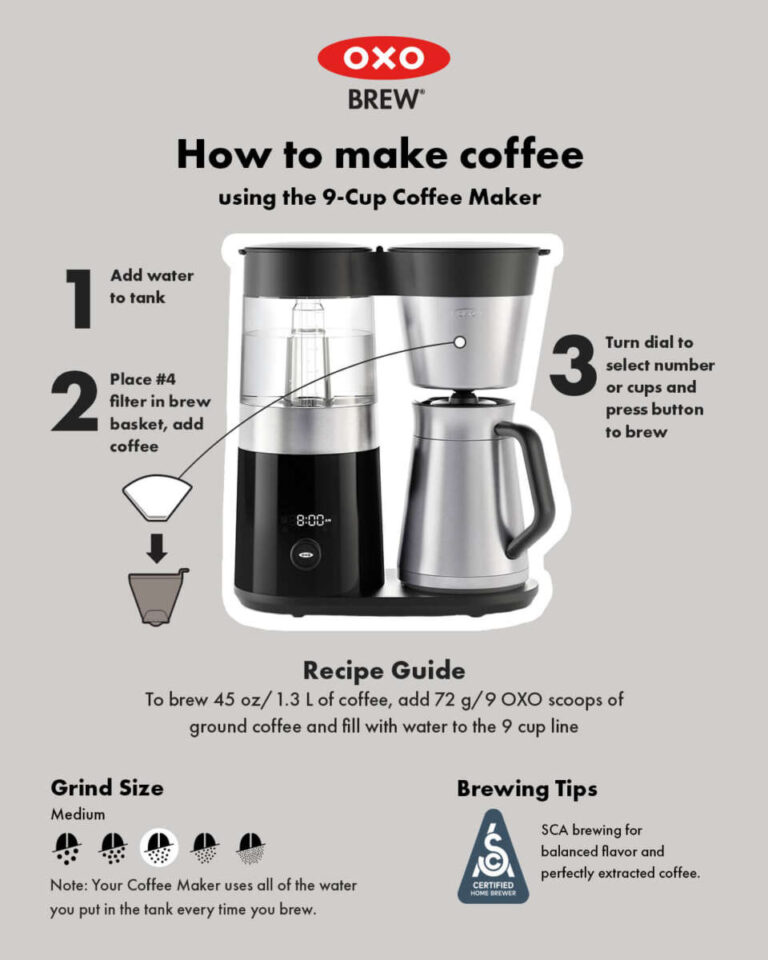
How to Make Ground Coffee in a Drip Coffee Maker
A drip coffee maker is one of the easiest ways to make ground coffee. It uses hot water that passes through a filter and coffee bed, then collects the brewed coffee in a carafe.
-
Fill the reservoir with fresh water.
-
Place a paper or reusable filter in the basket.
-
Add medium-ground coffee.
-
Use about 1 gram of coffee for every 15 to 17 grams of water.
-
Start the machine.
-
Let the coffee finish dripping before serving.
The water should usually be around 195 to 205 degrees Fahrenheit during brewing. Most quality coffee makers aim for this range, which aligns with widely used brewing standards.
Rinse a paper filter before brewing if you want to reduce its paper taste. Also clean the machine often. Mineral buildup and old coffee oils can make fresh coffee taste stale or bitter.
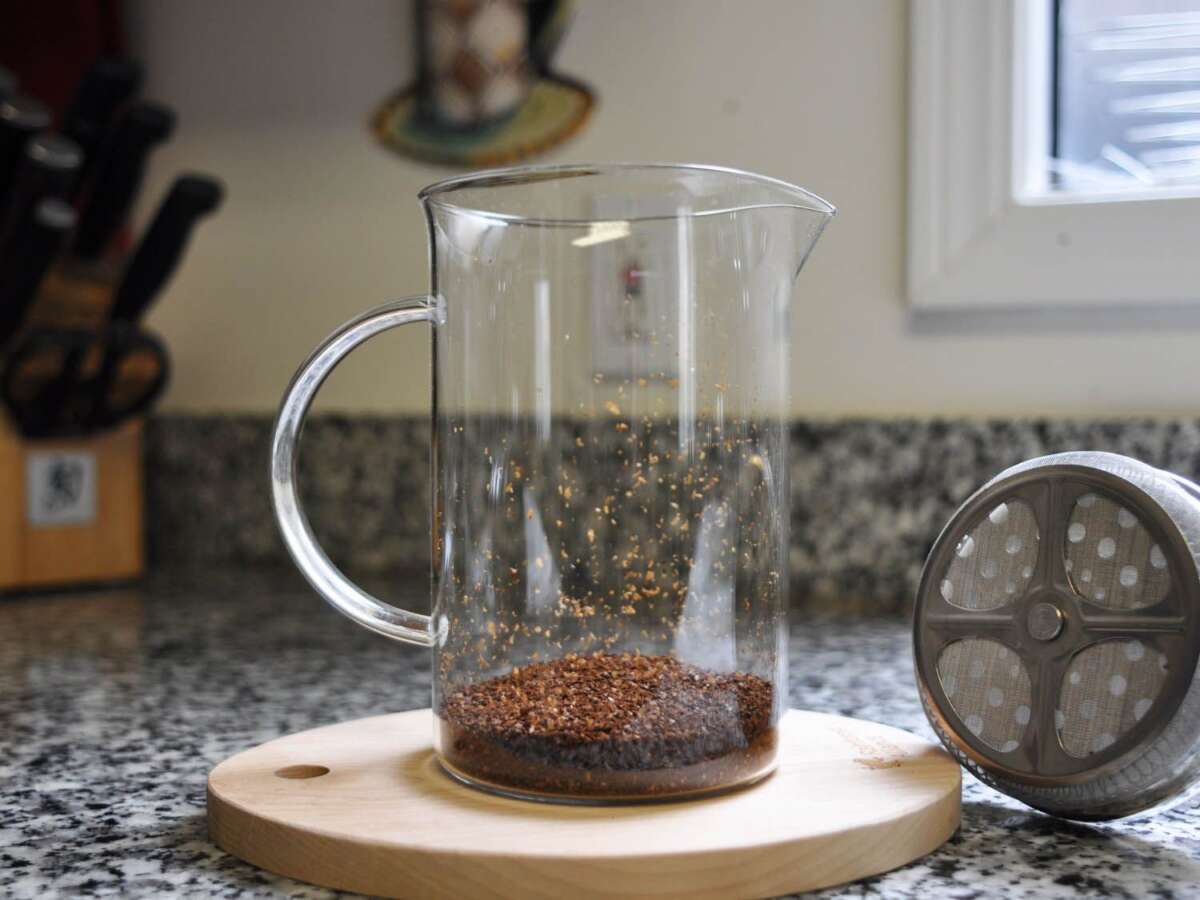
How to Make Ground Coffee With a French Press
A French press uses immersion brewing. The coffee grounds sit in water for several minutes before you press the metal filter down.
-
Use coarse-ground coffee.
-
Add about 1 gram of coffee for every 15 grams of water.
-
Pour hot water over the grounds.
-
Stir gently to wet all the coffee.
-
Place the lid on the press.
-
Steep for about 4 minutes.
-
Press the plunger slowly.
-
Pour the coffee into a cup right away.
If the coffee tastes bitter, reduce the steeping time or use a slightly coarser grind. If it tastes thin or sour, steep a little longer or use a slightly finer grind.
A French press leaves more natural oils and fine particles in the cup. This creates a rich body, but it may not suit people who prefer very clean coffee.

How to Make Ground Coffee With a Pour-Over
Pour-over brewing gives you strong control over water flow, timing, and extraction. It can produce a clean and bright cup, but it takes more attention than a drip machine.
-
Place a paper filter in the brewer.
-
Rinse the filter with hot water.
-
Add medium or medium-fine ground coffee.
-
Heat water to about 195 to 205 degrees Fahrenheit.
-
Pour a small amount of water over the grounds.
-
Wait about 30 to 45 seconds for the coffee to bloom.
-
Slowly add the rest of the water in small circles.
-
Let the water drain fully.
The bloom releases trapped carbon dioxide from fresh coffee. Skipping it can lead to uneven wetting and a less balanced cup.
Try 20 grams of coffee with 300 grams of water as a starting point. A total brew time of about 2½ to 4 minutes often works well, but the ideal time depends on the brewer and grind size.

How to Make Ground Coffee on the Stove
You can make coffee on the stove with a saucepan, even without a coffee maker. This method is similar to simple cowboy coffee.
-
Add water to a saucepan.
-
Stir in coarse or medium-coarse coffee grounds.
-
Heat the mixture until it is very hot, but avoid a long, rolling boil.
-
Remove the pan from the heat.
-
Let the grounds settle for about 4 minutes.
-
Pour slowly into a cup.
You can also strain the coffee through a fine sieve or clean cloth. This method produces a bold cup with some sediment. It is useful for camping, travel, or power outages.
Do not treat the coffee like a soup that needs constant boiling. Excessive heat can create a harsh taste and drive away delicate aromas.
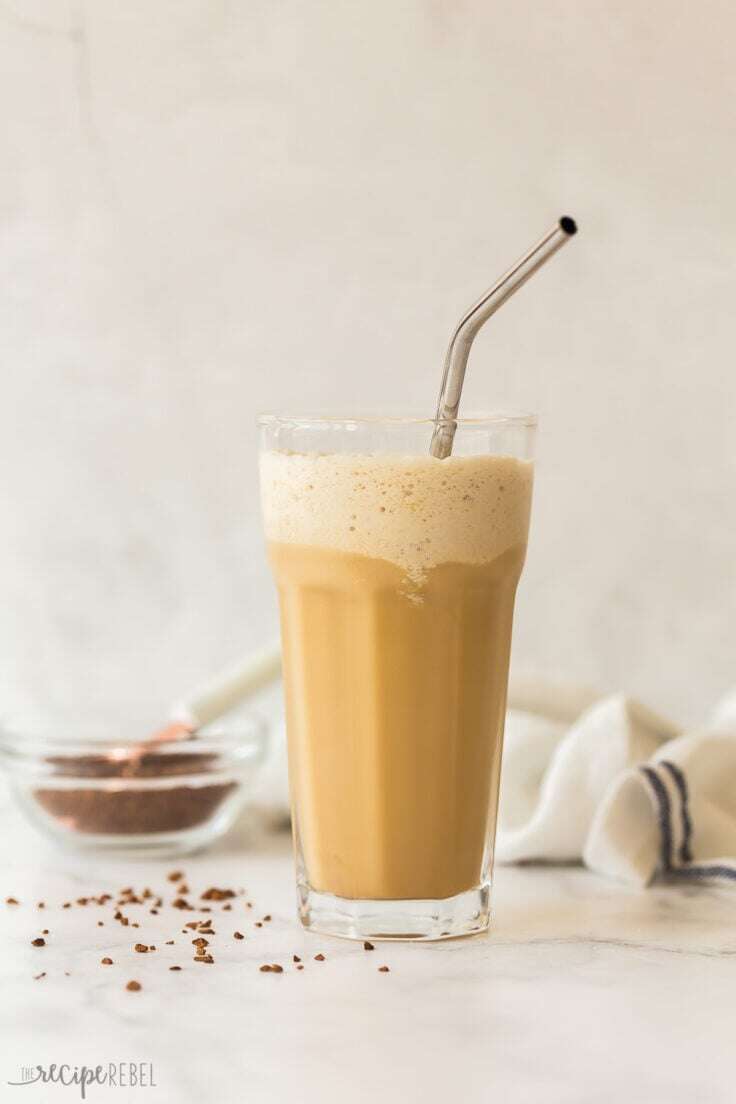
How to Make Iced Coffee With Ground Coffee
There are two easy ways to make iced coffee.
Flash-chilled iced coffee
Brew hot coffee at normal strength, then pour it over a full glass of ice. This method is fast and keeps more aroma than leaving hot coffee to cool for hours.
Use slightly less brewing water if the ice will melt quickly. For example, brew with 250 grams of water and add enough ice to chill the drink without making it watery.
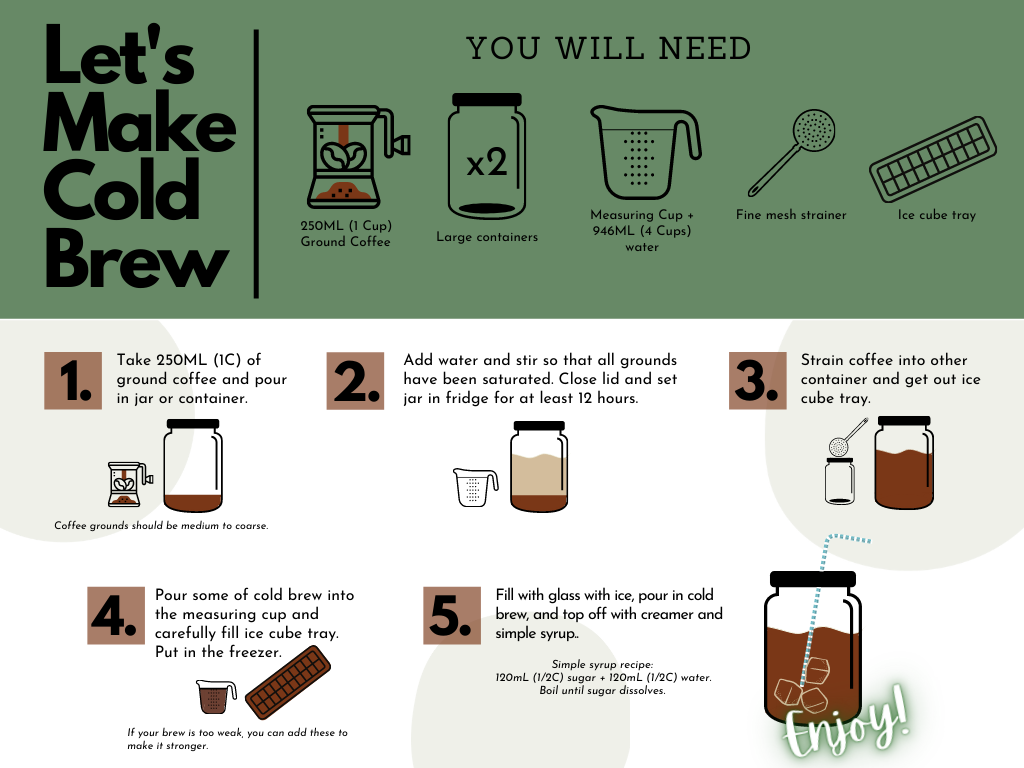
Cold brew coffee
Cold brew uses coarse ground coffee and cool water. It takes much longer but tastes smooth and low in sharp acidity.
-
Mix coffee and water at about a 1-to-8 ratio for a strong concentrate.
-
Stir gently.
-
Cover and refrigerate for 12 to 18 hours.
-
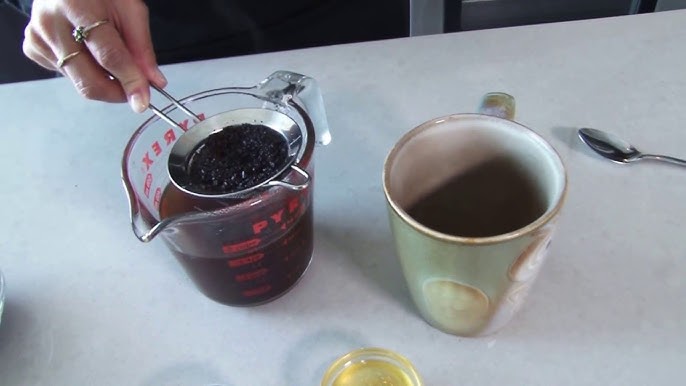
Strain through a paper filter or fine mesh strainer.
-
Dilute with water or milk before drinking.
Cold brew is convenient, but it is not automatically low in caffeine. Strength depends on the coffee-to-water ratio and how much you drink.
:max_bytes(150000):strip_icc()/__opt__aboutcom__coeus__resources__content_migration__serious_eats__seriouseats.com__images__2014__07__20140714-french-press-side-bdb5df539e33491d8a4b13f625256844.jpg)
How to Make Ground Coffee Taste Better
Good coffee does not require complicated tricks. Focus on the main variables first.
Use the right coffee-to-water ratio
Too little coffee creates a weak cup. Too much coffee makes the drink strong and may increase bitterness.
Start with a 1:16 ratio, such as 20 grams of coffee to 320 grams of water. Adjust from there based on taste.
Grind right before brewing
Fresh grinding preserves more aroma. If you must grind ahead, keep the grounds in a sealed container away from heat, light, moisture, and air.
Keep water temperature steady
Water that is too cool may leave coffee sour and thin. Water that is too hot may pull out harsh flavors, especially from dark roasts.
Do not use stale equipment
Old coffee oils cling to baskets, carafes, French presses, and grinders. Wash removable parts with warm water and mild dish soap. Deep-clean coffee makers as directed by the manufacturer.
Taste before changing several things
Change only one variable at a time. If you make the grind finer, increase the dose, and extend the brew all at once, you will not know what fixed or caused the problem.
In hands-on brew testing, this is one of the most useful lessons: simple notes beat guesswork. Record the coffee, grind, dose, water amount, and brew time until you find a method you enjoy.

Common Ground Coffee Problems and Fixes
Coffee tastes sour
Sour coffee often points to under-extraction. Try one of these changes:
• Grind slightly finer
• Use hotter water
• Brew for a longer time
• Stir or pour more evenly
Light-roast coffee may also have a naturally bright flavor. Sourness is not always a fault, but it should taste pleasant rather than sharp.
Coffee tastes bitter
Bitter coffee may be over-extracted or burnt. Try:
• Grinding slightly coarser
• Reducing the brew time
• Using cooler water
• Choosing a lighter roast
Dark roasts can taste bitter because roasting creates strong smoky and roasted notes. A gentler method may help.
Coffee tastes weak
Weak coffee may need more grounds, a finer grind, or better contact with water. Check that your coffee maker is using enough water and that the grounds are not packed too tightly.
Coffee tastes muddy
Muddy coffee often comes from a very fine grind or a filter that lets too many particles through. Use a coarser grind, a cleaner filter, or a slower and steadier brewing method.
Coffee tastes flat
Flat coffee may come from old beans, stale grounds, poor water, or a dirty coffee maker. Fresh beans and clean equipment often make a bigger difference than expensive accessories.
Mistakes to Avoid When Making Ground Coffee
Avoiding a few common errors can improve your results quickly.
• Using boiling water for every coffee: Very hot water can over-extract some coffees.
• Measuring only by eye: Small changes in coffee dose can alter strength.
• Grinding too far ahead: Ground coffee loses aroma faster than whole beans.
• Leaving coffee on a hot plate: Extended heat can create a burnt taste.
• Storing coffee in the freezer without a sealed system: Moisture and odors can damage the flavor.
• Pressing French press coffee too fast: A sudden plunge can disturb the grounds and increase sediment.
• Ignoring the coffee roast: A dark roast and a light roast may need different grind and brew choices.
One mistake I often see in home brewing is changing the recipe before tasting the coffee carefully. Take a sip after the brew cools slightly. Heat can hide sweetness and make bitterness seem stronger.
Health, Caffeine, and Safety Notes
Coffee can be part of a healthy diet for many adults, but caffeine affects people in different ways. It may cause restlessness, heart pounding, stomach discomfort, or poor sleep in sensitive people.
General dietary guidance often places the daily caffeine limit for most healthy adults near 400 milligrams. The amount in a cup varies widely by bean, serving size, roast, and brew method, so treat this as a broad guide rather than an exact target.
Pregnant people, children, and anyone with a medical condition or caffeine sensitivity should ask a qualified health professional about personal limits. Coffee should also be stored dry and brewed with clean equipment to reduce mold, odor, and bacterial risks.
Paper filters can reduce some coffee oils and compounds that may raise cholesterol in certain people. If this matters to you, a filtered method such as drip or pour-over may be worth considering.
Frequently Asked Questions About How to Make Ground Coffee
What is the best grind size for ground coffee?
The best grind size depends on the brewing method. Use medium grounds for drip coffee, coarse grounds for a French press, and fine grounds for espresso.
How much ground coffee should I use for one cup?
Start with about 2 level tablespoons of coffee for every 6 ounces of water. For more accurate results, use 1 gram of coffee for every 15 to 17 grams of water.
Can I make ground coffee without a coffee maker?
Yes. You can use a saucepan, French press, pour-over cone, or even a heat-safe jar with a strainer. The key factors are hot water, suitable grounds, and controlled contact time.
Should I use boiling water to make ground coffee?
Let boiling water cool briefly before brewing. A water range near 195 to 205 degrees Fahrenheit is a useful starting point for most hot coffee methods.
How long does ground coffee stay fresh?
Ground coffee tastes best when used soon after grinding and kept in an airtight container. It can remain drinkable for longer, but its aroma and flavor usually fade as it meets air.
Why does my ground coffee taste bitter?
Bitter coffee may be over-extracted, brewed too hot, ground too fine, or made with a dark roast that has strong roasted flavors. Try a coarser grind, a shorter brew time, or slightly cooler water.
Is freshly ground coffee better than pre-ground coffee?
Freshly ground coffee usually has more aroma and flavor because less time has passed since grinding. Good pre-ground coffee can still taste pleasant when it is fresh, sealed, and brewed with care.
Conclusion
Making ground coffee well comes down to a few steady habits: use fresh beans, choose the right grind, measure your coffee and water, control the brew time, and keep your equipment clean. Each method has its own rhythm, from the ease of a drip machine to the hands-on control of a pour-over.
Start with a medium roast, a medium grind, and a 1:16 coffee-to-water ratio. Taste the result, then change one detail at a time. Try this approach tomorrow morning, and share your favorite brewing method or recipe in the comments.

Liora Pennings is a seasoned chef and kitchen enthusiast with a passion for turning everyday cooking into an effortless experience. With years of hands-on culinary expertise, she specializes in practical techniques, ingredient know-how, and smart kitchen solutions that help home cooks elevate their meals. At KitchFlair.com, Liora shares her best tips, time-saving tricks, and honest product reviews to guide readers toward a more efficient, enjoyable, and inspired cooking routine. Whether you’re a beginner or a seasoned home chef, Liora’s friendly, knowledge-packed insights make every visit to the kitchen a little easier—and a lot more delicious.