How Does A Coffee Maker Work: Simple Brewing Guide
A coffee maker heats water, moves it through coffee grounds, and collects the brewed drink in a pot or cup.
Understanding how does a coffee maker work makes it easier to choose the right machine, fix common problems, and brew better coffee. Although a basic drip machine looks simple, it uses heat, gravity, water flow, and careful timing to extract flavor from ground beans. This guide explains each step in clear terms, from the water reservoir to the final cup.
How does a coffee maker work?
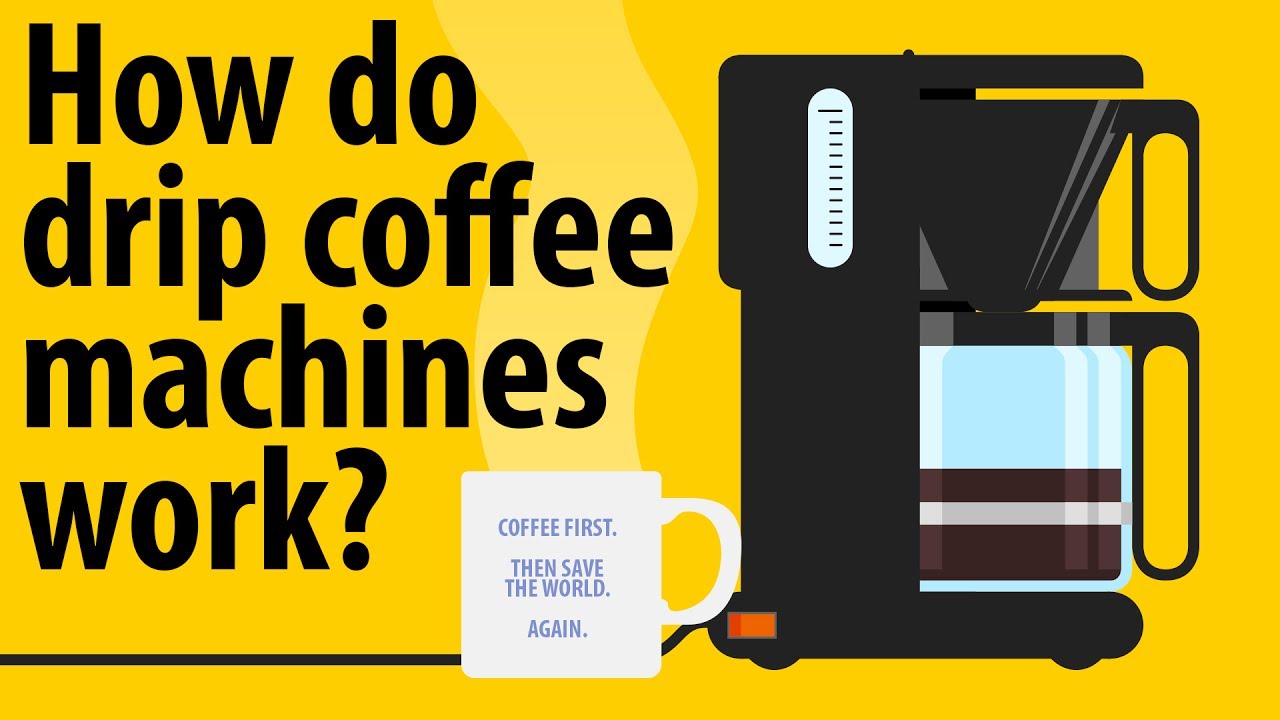
A standard drip coffee maker follows a simple path:
- You add cold water to the reservoir.
- The machine heats the water.
- Hot water rises through a small tube.
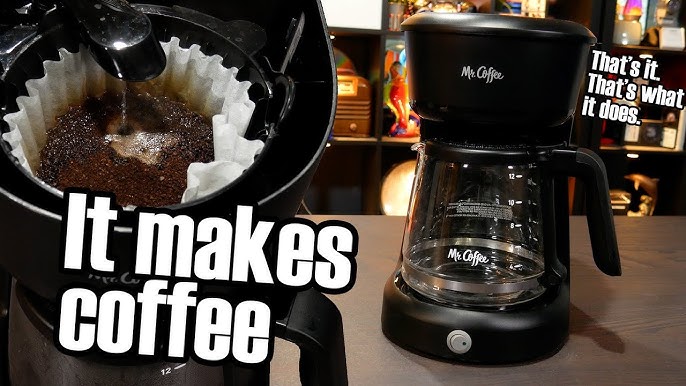
- A showerhead spreads the water over the coffee grounds.
- The brewed coffee drips into a carafe.
- A warming plate keeps the coffee hot.
This process usually takes between five and ten minutes, depending on the machine, the amount of water, and the coffee dose.
The machine does not normally pump water with a motor. Instead, many drip coffee makers use a basic heat-driven system. As water warms, small bubbles form in a heating chamber. These bubbles push hot water up through a tube and toward the coffee basket.
That action is similar to squeezing a tube of toothpaste from the bottom. Pressure from below pushes the water upward. Once the water reaches the top, gravity carries it through the coffee grounds.

The main parts of a coffee maker
To understand how does a coffee maker work, it helps to know what each part does. Every component has a specific job, even in a low-cost machine.
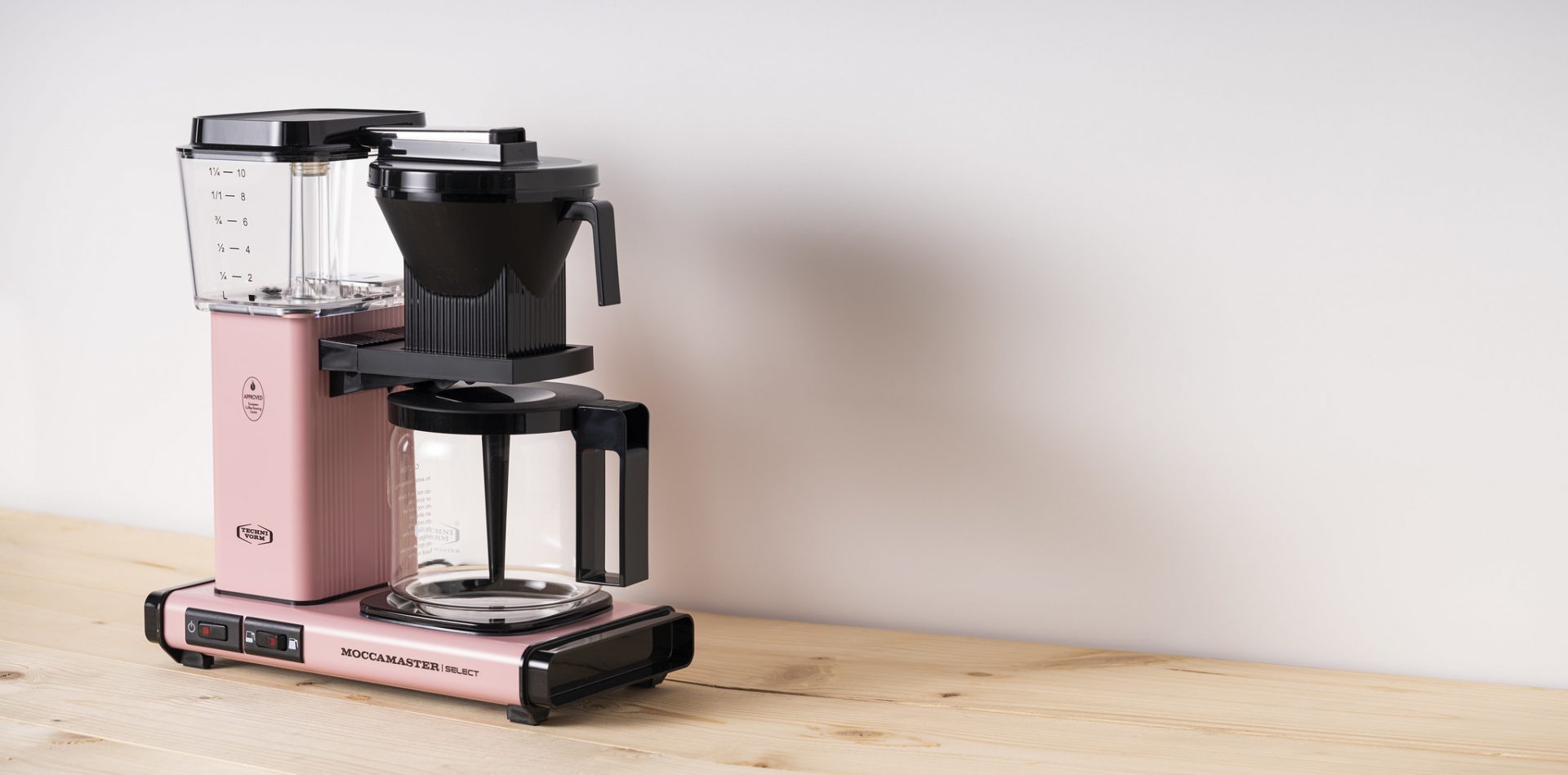
Water reservoir
The reservoir holds the water used for brewing. It may be removable or built into the machine. Clear reservoirs often include measurement marks, but those marks may refer to small coffee cups rather than standard 8-ounce cups.
The water level should stay between the minimum and maximum marks. Running a machine with too little water can cause poor brewing and may stress the heating system.
Heating element
The heating element is usually a metal resistance heater beneath or near the heating chamber. Electricity passes through the element, creating heat.
During brewing, this heat warms the water. After brewing, the same area may warm the carafe through a separate heating surface. Some machines reduce the heat after brewing to limit burnt flavors.
Heating chamber
The heating chamber is a narrow area where water receives heat. As the water gets hot, bubbles form and force it into the outlet tube.
This is one of the key answers to how does a coffee maker work. The machine uses heat to create movement, rather than relying on a large electric pump.
Tube and valve
A tube carries heated water from the chamber to the coffee basket. A one-way valve helps control the direction of flow.
The valve lets cooler water enter the heating chamber but helps stop hot water from flowing backward. If mineral buildup blocks this path, the machine may brew slowly or stop brewing.
Showerhead
The showerhead spreads hot water across the coffee grounds. A good showerhead wets the grounds evenly instead of sending one strong stream into the center.
Even water flow matters because dry areas do not contribute much flavor. Uneven flow can produce weak coffee mixed with bitter, over-extracted spots.
Filter basket
The filter basket holds the paper or reusable filter. It also supports the coffee grounds while brewed coffee passes through.
Paper filters catch fine particles and some coffee oils. Metal filters allow more oils and small particles into the cup, which can create a fuller body.
Carafe and warming plate
The carafe collects the brewed coffee. It may be made from glass or insulated stainless steel.
A glass carafe usually sits on a warming plate. A thermal carafe stores heat without continued heating, which often helps preserve flavor for longer periods.

The brewing process step by step
The answer to how does a coffee maker work becomes clearer when you follow the water from the reservoir to the cup.
1. Water enters the heating system
When you switch on the machine, water leaves the reservoir through an opening near the bottom. It moves into a small heating chamber.
A one-way valve helps regulate this movement. At this point, the water is still cool and has not touched the coffee grounds.
2. The water heats up
The heating element raises the water temperature. For drip coffee, the ideal brewing range is generally about 195°F to 205°F, according to widely accepted coffee brewing guidance.
Most basic machines do not heat water with laboratory precision. Some brew below the ideal range, while others may run too hot. This difference can affect taste.
3. Bubbles push water upward
As the water heats, bubbles form in the narrow tube or chamber. These bubbles push portions of hot water upward.
The process repeats in small bursts. It is not usually one smooth stream. The result is a pulsing flow of hot water toward the showerhead.
4. The showerhead wets the grounds
Hot water spreads over the coffee bed. The grounds absorb water and swell. This stage is called blooming.
Fresh coffee releases carbon dioxide when it meets hot water. A short pause allows that gas to escape and helps water reach more of the grounds.
5. Flavor compounds dissolve
Water extracts soluble compounds from the ground coffee. Some dissolve quickly, while others take more time.
Early extraction brings out bright acids and pleasant aromas. Later extraction adds sweetness and body. Too little extraction can taste sour or thin. Too much can taste bitter, dry, or harsh.
6. Coffee flows into the carafe
Gravity pulls the brewed coffee through the filter and into the carafe. The paper or metal filter holds back most of the grounds.
The brew time depends on the amount of coffee, grind size, filter shape, and water flow. A clogged filter can slow the process and cause over-extraction.
7. The machine maintains heat
After brewing, some machines keep the warming plate active. This keeps coffee hot but may damage its flavor over time.
For better taste, transfer coffee to a thermal carafe if you will not drink it soon. Fresh coffee usually tastes best within the first 30 minutes.

How different coffee makers work
Not all coffee makers use the same brewing method. The basic goal is the same, but each design controls water, pressure, temperature, and contact time in a different way.
Drip coffee makers
Drip machines use gravity and heat. They are popular because they can brew several cups with little effort.
A typical drip machine includes:
• A water reservoir
• A heating element
• A water tube
• A showerhead
• A filter basket
• A carafe
Drip coffee makers are best for convenience and larger batches. They also make it easy to adjust strength by changing the coffee-to-water ratio.
Single-serve pod machines
Single-serve machines heat water and force it through a small pod or capsule. Some use mild pressure, while others use a small pump.
The sealed pod controls the dose and grind size. This makes the process simple and consistent, but pods can cost more per serving and create more packaging waste.
Espresso machines
Espresso machines use pressure to push hot water through finely ground coffee. Traditional espresso brewing often uses about 9 bars of pressure during extraction.
The pump creates pressure, while a boiler or thermoblock heats the water. The fine grind and compact coffee puck resist the flow, allowing a concentrated shot to form.
This explains how does a coffee maker work when the machine makes espresso rather than drip coffee. The process depends more on pressure and resistance than on gravity alone.
French press
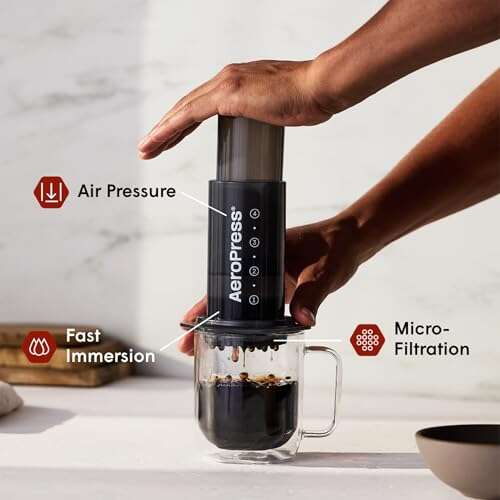
A French press does not use electricity. You pour hot water over coarse coffee grounds, let the mixture steep, and press a mesh plunger through the drink.
The filter allows more natural oils and fine particles to remain. This creates a rich, heavy cup but may also produce sediment.
Pour-over brewer
A pour-over brewer uses a cone, filter, coffee grounds, and manually added hot water. Gravity pulls the water through the coffee bed.
This method gives you more control over water temperature, pouring speed, and brew time. It can produce excellent coffee, but it requires more attention.
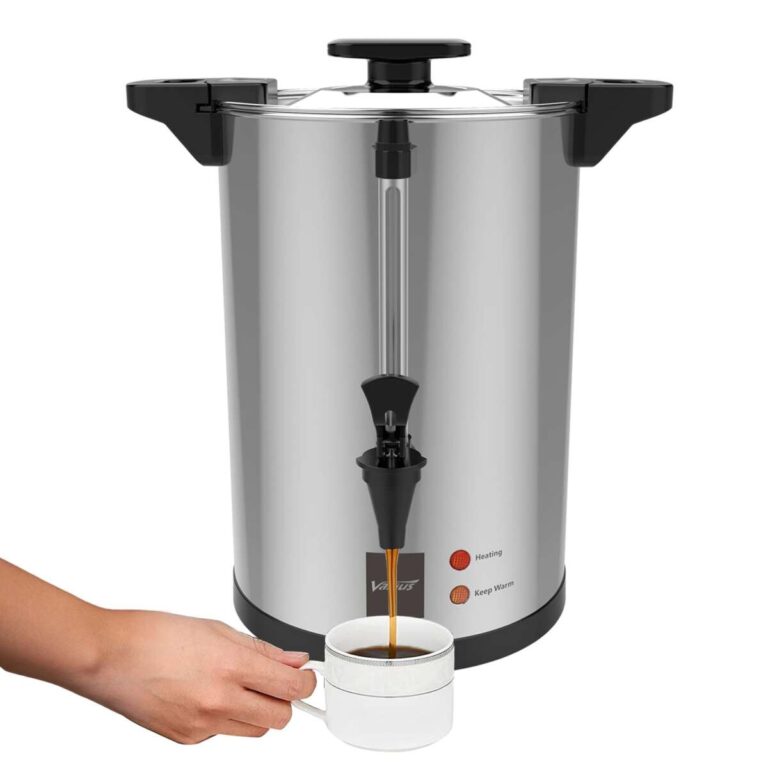
Percolator
A percolator repeatedly moves hot water through coffee grounds. Steam pressure or a rising column of hot water sends water upward through a tube.
Percolators can make strong coffee, but repeated brewing may over-extract the grounds. They are less common than modern drip machines.
How temperature, grind size, and coffee ratios affect brewing
Knowing how does a coffee maker work is only part of making good coffee. The ingredients and settings also control the result.
Water temperature
Water that is too cool may fail to extract enough flavor. The coffee can taste sour, weak, or dull.
Water that is too hot may extract harsh compounds. A machine with poor temperature control can produce inconsistent results from one batch to the next.
Grind size
Grind size controls how quickly water moves through the coffee.
• Fine grounds slow water flow and increase extraction.
• Medium grounds suit most drip coffee makers.
• Coarse grounds allow water to pass more quickly.
If coffee tastes bitter, try a slightly coarser grind. If it tastes thin or sour, try a finer grind or increase the brew time.
Coffee-to-water ratio
A common starting point is about 1 gram of coffee for every 15 to 17 grams of water. In kitchen terms, many people use about 1 to 2 level tablespoons of ground coffee per 6 fluid ounces of water.
The best ratio depends on personal taste and the coffee itself. Measure by weight for better consistency, since scoops can vary.
Contact time
Contact time is the length of time water stays in contact with the grounds. A fast flow may under-extract the coffee. A slow flow may over-extract it.
A clean machine, suitable grind, and balanced dose help maintain a steady contact time.
Water quality
Coffee is mostly water, so water quality matters. Strong odors, excessive chlorine, or very hard water can affect flavor.
Filtered tap water often works well. Avoid distilled water for regular brewing because it lacks minerals that help support proper extraction.

Common coffee maker problems and what they mean
Small changes in sound, speed, and taste can reveal how does a coffee maker work in real life. They can also help you identify a problem before the machine fails.
The coffee maker brews slowly
Mineral scale may be blocking the water tube or valve. This is common in areas with hard water.
Run the cleaning cycle according to the manufacturer’s instructions. Many machines allow a descaling solution, but you should follow the manual rather than assume every cleaner is safe.
The machine makes noise but no coffee
A blocked tube, stuck valve, or low water level may prevent brewing. Unplug the machine before checking any accessible parts.
Never open the electrical housing unless you are trained to repair appliances. Water and electricity create a serious shock risk.
The coffee tastes bitter
Bitter coffee can result from over-extraction, very fine grounds, excessive heat, or coffee that sat on a hot plate too long.
Try using a coarser grind, a smaller brew time, or a thermal carafe. Also check whether old coffee oils have built up inside the machine.
The coffee tastes weak
Weak coffee may come from too little coffee, too much water, a coarse grind, or water that is not hot enough.
Increase the coffee dose slightly first. Changing one variable at a time makes it easier to find the right setting.
Water spills from the filter basket
The filter may be folded incorrectly, the basket may be overfilled, or the coffee may be ground too finely. A reusable filter may also be clogged.
Use the correct filter size and avoid packing grounds tightly in a drip machine. Espresso grounds are not suitable for most standard drip baskets.
The hot plate smells burnt
Coffee residue and oils can build up on the warming plate. Clean it after the plate cools.
If the smell continues or the plate becomes unusually hot, stop using the machine and consult the manufacturer or a qualified repair professional.

How to clean and maintain a coffee maker
Regular maintenance improves flavor, protects the heating system, and helps the machine last longer. It also makes the answer to how does a coffee maker work more reliable because clean parts allow water to move as designed.
Follow these basic steps:
- Empty the filter basket after each brew.
- Rinse the basket and carafe with warm water.
- Wipe the warming plate after it cools.
- Wash removable parts with mild dish soap.
- Run a descaling cycle when mineral deposits appear.
- Rinse the machine with fresh water after cleaning.
- Leave the lid open so the reservoir can dry.
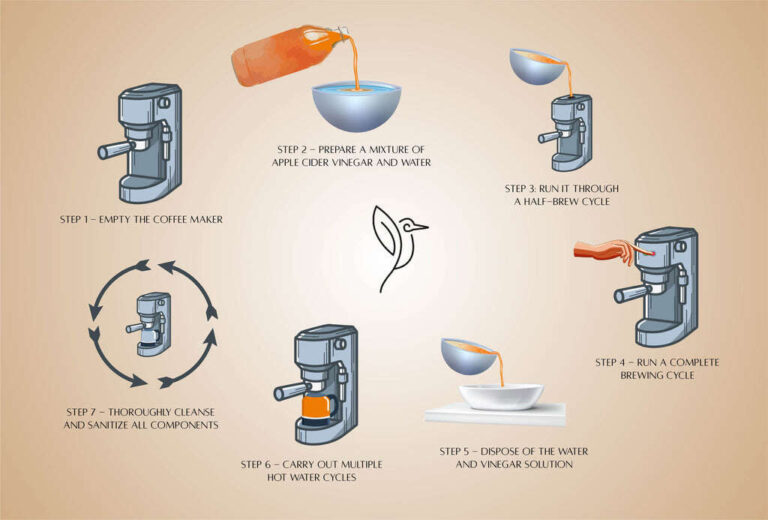
Do not mix cleaning chemicals. Never combine vinegar with bleach or other products.
Vinegar is used by some owners to remove mineral scale, but it may leave an odor and may not be recommended for every machine. A manufacturer-approved descaler is the safer choice when the manual calls for one.
In my own coffee tests, the biggest improvement often comes from cleaning the water path rather than buying a new machine. A machine that once brewed slowly can return to normal after proper descaling.
Safety tips for using a coffee maker
A coffee maker is easy to use, but it still contains hot water, steam, and electrical parts. Basic care reduces the risk of burns, leaks, and damage.
• Place the machine on a flat, dry surface.
• Keep the power cord away from hot surfaces.
• Do not fill the reservoir above its maximum line.
• Do not operate the machine without the correct carafe in place.
• Unplug it before cleaning or moving it.
• Keep children away from the hot plate and steam.
• Do not immerse the electrical base in water.
• Replace damaged cords or cracked carafes.
One mistake I recommend avoiding is leaving old coffee in the carafe while repeatedly reheating it. This not only harms flavor but can make cleanup harder because oils bake onto the glass and plate.
How to make better coffee with a basic machine
You do not need an expensive coffee maker to improve your daily cup. Small changes can make a clear difference.
Use freshly roasted beans when possible, and grind them just before brewing. Store whole beans in an airtight container away from heat, light, and moisture.
Preheat a thermal carafe with hot water before brewing. This reduces heat loss during the first minutes of the brew.
Use a medium grind for most drip machines. Start with a balanced coffee-to-water ratio, then adjust the dose to match your taste.
Clean the machine on a regular schedule. If you brew every day, inspect the water path and filter basket often. Heavy use may require more frequent descaling than occasional use.
Finally, taste the coffee before changing several settings. Change one factor at a time, such as grind size or coffee dose. This simple habit makes troubleshooting much easier.
Frequently Asked Questions about how does a coffee maker work
How does a coffee maker heat water?
Most drip coffee makers use an electrical resistance heating element. The element warms water in a small chamber, and bubbles help push the hot water through a tube to the coffee grounds.
How long does a coffee maker take to brew?
A standard drip coffee maker often takes about five to ten minutes to brew a full pot. The exact time depends on the machine, water volume, heating power, grind, and condition of the water path.
Does a coffee maker boil water?
Most drip coffee makers heat water to brewing temperature but do not fully boil it. Brewing water is generally near, but below, the boiling point of water at sea level.
Why does a coffee maker stop working?
Common causes include mineral buildup, a clogged tube, a stuck valve, an empty reservoir, or an electrical fault. Descaling may solve simple flow problems, but electrical issues require professional service.
Can I use espresso grounds in a drip coffee maker?
You can, but the fine grind may slow water flow and produce bitter coffee or an overflowing filter basket. Medium-ground coffee is usually a better match for a standard drip machine.
How often should I clean my coffee maker?
Rinse removable parts after each use and descale the machine when the manufacturer recommends it or when you notice slower brewing and scale buildup. Frequent users may need to descale every one to three months, depending on water hardness.
Conclusion
A coffee maker heats water, moves it through a controlled path, spreads it over coffee grounds, and lets gravity carry the brew into a carafe. The details vary between drip machines, pod brewers, espresso makers, and manual brewers, but every method depends on water, heat, time, and extraction.
Now that you understand how does a coffee maker work, you can improve your coffee with a clean machine, fresh grounds, the right grind, and a balanced coffee-to-water ratio. Try one small change in your next brew, then explore more brewing guides or share your best coffee-making tip in the comments.

Liora Pennings is a seasoned chef and kitchen enthusiast with a passion for turning everyday cooking into an effortless experience. With years of hands-on culinary expertise, she specializes in practical techniques, ingredient know-how, and smart kitchen solutions that help home cooks elevate their meals. At KitchFlair.com, Liora shares her best tips, time-saving tricks, and honest product reviews to guide readers toward a more efficient, enjoyable, and inspired cooking routine. Whether you’re a beginner or a seasoned home chef, Liora’s friendly, knowledge-packed insights make every visit to the kitchen a little easier—and a lot more delicious.