What Is A Good Vacuum Cleaner For Carpet: Top Picks
A good carpet vacuum has strong suction, a powered brush roll, height control, and a sealed system for deep cleaning.
Choosing a good vacuum cleaner for carpet is not just about picking the model with the highest wattage. Carpet fibers vary, homes have different needs, and features such as brush-roll control, filtration, weight, and edge cleaning can affect results more than raw power. This guide explains what to look for, which vacuum types work best, common buying mistakes, and how to get cleaner carpets with less effort.
What Makes a Good Vacuum Cleaner for Carpet?
A good vacuum cleaner for carpet must remove more than visible crumbs. It should lift fine dust, hair, grit, and allergens from between the carpet fibers without damaging the pile.
The best carpet vacuums usually combine strong airflow with an agitator, also called a powered brush roll. Suction pulls dirt upward, while the brush roll loosens soil that has settled deep in the carpet.
Look for these core features:
• Strong, steady suction that does not drop quickly as the bin fills
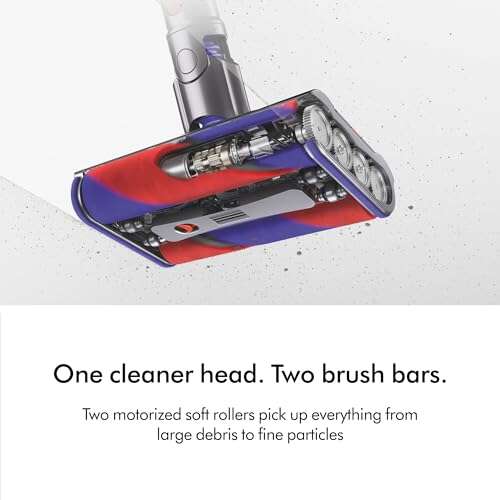
• A motorized brush roll with firm but gentle bristles
• Height adjustment for low, medium, and high-pile carpets
• Brush-roll shutoff for rugs, bare floors, and delicate carpet
• A sealed air path that reduces dust leakage
• A HEPA or high-efficiency filter, especially if someone in the home has allergies
• Easy steering and a cleaning head that reaches close to walls
• A long cord or a battery that can handle your cleaning routine
A vacuum can have a powerful motor but still clean poorly if its design leaks air. Think of the vacuum as a straw. If the straw has a hole, pulling harder will not help much. A sealed system keeps the airflow focused where it matters.
:max_bytes(150000):strip_icc()/spr-primary-tineco-carpet-cruiser-cleaner-one-off-test-aug-24-dburreson-3-b0e3689d1aaa4aa0b7e3510b2981dd38.jpeg)
Carpet Type Should Guide Your Choice
Carpet is not one single surface. The right vacuum depends on the height, density, and construction of your carpet.
Low-pile carpet has short, tight fibers. It often responds well to a vacuum with strong suction and a moderate brush roll. A low head height helps the cleaner stay close to the surface.
Medium-pile carpet is common in bedrooms and living rooms. It needs both airflow and agitation. A vacuum with adjustable height is useful because the same setting may not work well on every room.
High-pile and plush carpet require more care. A vacuum head that sits too low may seal against the carpet and become hard to push. Choose a model with adjustable height, soft bristles, or a suction-release feature.
Berber and looped carpet can catch aggressive brush rolls. If the manufacturer warns against powered brushes, follow that advice. A vacuum with adjustable suction or a brush-roll control is safer.
Shag rugs and delicate area rugs may need a separate attachment. In some cases, the best method is gentle suction without a rotating brush. Always check the rug maker’s cleaning instructions first.
The good vacuum cleaner for carpet in one home may be a poor choice in another. Match the machine to the floor instead of choosing by brand name alone.

Upright, Canister, Stick, or Robot: Which Type Works Best?
Each vacuum style has strengths and limits. The best choice depends on your carpet, home size, storage space, and cleaning habits.
Upright vacuums

Uprights are often the strongest choice for wall-to-wall carpet. They usually have wide motorized heads, large dust containers, and strong agitation.
Choose an upright if:
• Most of your home has carpet
• You need deep cleaning
• You have pets or heavy foot traffic
• You want a large cleaning path
The main drawbacks are weight and noise. Some uprights are also less convenient on stairs.
Canister vacuums
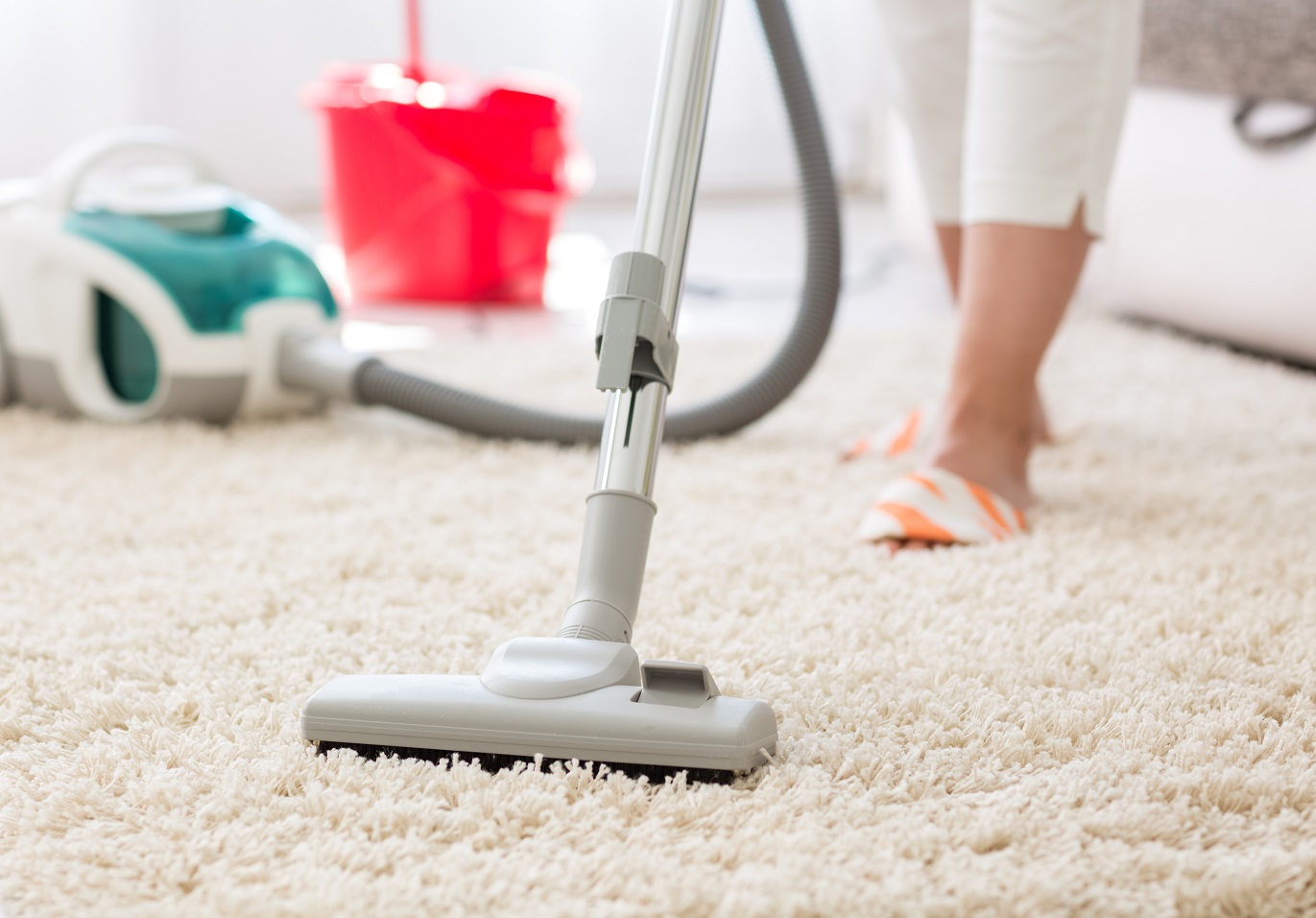
Canister vacuums have a separate motor unit connected to a hose and floor head. They are easy to move around furniture and can work well on stairs.
A canister can be a good vacuum cleaner for carpet when it includes a powered carpet nozzle. A basic suction-only floor tool may not remove deeply packed dirt as well.
Stick vacuums
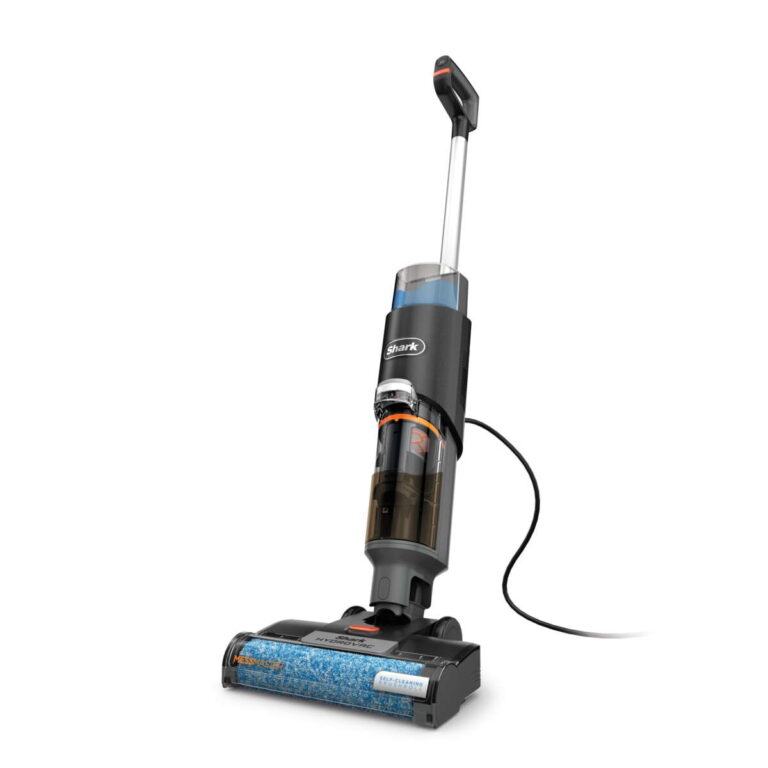
Stick vacuums are light and easy to grab for daily cleaning. Many modern cordless models have a powered brush roll and can clean low- and medium-pile carpet well.
Their limits include smaller bins, shorter runtimes, and less deep-cleaning power in some models. They are useful for quick passes but may not replace a full-size vacuum in a home with thick carpet.
Robot vacuums
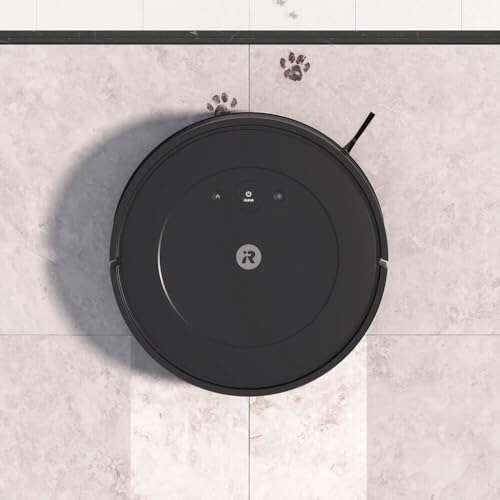
Robot vacuums help maintain carpet between deeper cleaning sessions. They are useful for daily dust, crumbs, and pet hair.
However, a robot vacuum may struggle with thick carpet, stairs, corners, and deeply embedded grit. It is best viewed as a maintenance tool rather than the only vacuum in a carpeted home.
Handheld vacuums
Handheld models are helpful for stairs, car interiors, furniture, and small spills. They are not designed to clean an entire carpeted floor.
Important Features to Compare
Suction and airflow
Manufacturers may advertise motor watts, but watts alone do not show how well a vacuum cleans. Airflow, nozzle design, brush-roll action, and sealing all affect real performance.
Look for independent cleaning tests when available. A vacuum that moves air efficiently through the head can outperform a machine with a larger motor.
Powered brush roll
A powered brush roll is one of the most important features for carpet. It agitates the fibers and helps release hair, crumbs, and ground-in soil.
Choose a model with brush-roll control if your home has hard floors or delicate rugs. Turning the brush off can prevent scattering debris and reduce the risk of scratches.
Height adjustment
Height adjustment lets the cleaning head match the carpet. If the head is too high, suction may be weak. If it is too low, the vacuum may be difficult to push and may restrict airflow.
Start with a middle setting. Lower or raise it until the vacuum glides smoothly while still making firm contact with the carpet.
Filtration
A high-efficiency filter captures small particles that would otherwise return to the room. A sealed system is important because a filter cannot help much if dusty air escapes around the body or connections.
Look for a washable pre-filter and a replaceable exhaust filter. Follow the care instructions closely. A wet or clogged filter can reduce airflow and may damage the motor.
Bagged versus bagless design
Bagged vacuums hold dirt in a sealed container. They are often a good choice for allergy-sensitive homes because emptying them releases less dust.
Bagless models avoid replacement bags and make it easy to see the dirt level. However, emptying the bin can create a dust cloud. Empty it outdoors when possible, and clean the filters on schedule.
Edge cleaning
Side brushes or edge channels help remove dirt near baseboards. This feature matters because dust often collects where the vacuum head cannot make a full pass.
Attachments
Useful tools include:
• A crevice tool for corners and stair edges
• An upholstery tool for furniture
• A dusting brush for vents and shelves
• A turbo tool for pet hair on stairs
• A long hose for curtains and high areas
Attachments matter less than the main carpet head, but they make a vacuum more useful throughout the home.

Best Vacuum Choices for Different Homes
The good vacuum cleaner for carpet changes with the way you live.
For homes with pets
Choose strong agitation, easy hair removal, and a sealed filtration system. A tangle-resistant brush roll can save time, but no brush roll is completely maintenance-free.
A powered stair tool is especially useful. Pet hair often collects on stair edges, upholstery, and carpet near feeding areas.
For allergy sufferers
A bagged vacuum with a sealed system and high-efficiency filtration is often the most practical choice. Emptying the dust container should not spread particles back into the room.
Vacuum slowly and use overlapping passes. Fast movement may leave fine dust behind even when the floor looks clean.
For thick carpet
Choose an upright or canister with height adjustment and a strong powered nozzle. Test the machine on your carpet before committing if a store allows it.
If the vacuum feels locked to the floor, the head may be too low or the suction may be excessive. A release valve or adjustable suction can improve handling.
For small apartments
A compact canister or well-designed stick vacuum may be easier to store. Make sure the battery or cord length covers the entire space without frequent stops.
A small vacuum is not automatically weak. The cleaning head and airflow design are more important than size alone.
For homes with carpet and hardwood
Look for a brush-roll shutoff or a dual-mode floor head. This lets you clean carpet without dragging a spinning brush across hard surfaces.
A vacuum with adjustable suction also helps when moving between rugs, bare floors, and delicate mats.
For stairs
A lightweight canister with a long hose can be safer and easier than carrying a heavy upright up each step. A stick vacuum with a handheld mode is another convenient option.
Never pull a heavy vacuum by its hose. Use the handle and keep the cord away from the stair path.
:strip_icc()/bhg-best-vacuums-of-2023-tout-839e835e2c694cc2b39bb656fb4f035f.jpg)
How to Vacuum Carpet Properly
Even the good vacuum cleaner for carpet will disappoint if it is used too quickly or with a blocked filter.
Use this simple method:
-
Clear toys, cords, and small objects from the floor.
-
Set the cleaning height for the carpet pile.
-
Vacuum slowly in straight lines.
-
Make overlapping passes so no narrow strips are missed.
-
Change direction on the next session to lift fibers from another angle.
-
Use the crevice tool along baseboards and room edges.
-
Empty the bin or replace the bag before it becomes full.
-
Check the brush roll after cleaning homes with long hair or pets.
For high-traffic areas, make two passes in different directions. The first pass loosens soil. The second pass collects particles that shifted during the first pass.
The Environmental Protection Agency advises regular cleaning to reduce settled dust and improve indoor air quality. Vacuuming helps, but it works best with source control, ventilation, and routine filter care.
Common Buying Mistakes to Avoid
A frequent mistake is choosing a vacuum based only on suction claims. A machine may sound powerful but perform poorly if the head does not seal well or the brush roll cannot reach the carpet fibers.
Another mistake is ignoring weight. A heavy vacuum that stays in a closet does not clean your home. If you have stairs, limited strength, or back pain, choose a model you can comfortably carry and push.
Do not assume every HEPA label means the entire machine is sealed. Ask whether the filter is washable, how often it must be replaced, and whether the manufacturer describes a sealed filtration path.
Avoid buying a vacuum with a fixed brush roll for a home with delicate rugs or many bare floors. A brush-roll shutoff provides more control.
Finally, do not overlook maintenance costs. Bags, filters, belts, batteries, and replacement brush rolls can affect the long-term price more than the original purchase.