What Are Mixing Bowls Used For: Essential Kitchen Uses
Mixing bowls are used to combine, prepare, mix, chill, store, and serve ingredients in the kitchen.
If you have ever baked cookies, whisked eggs, dressed a salad, or marinated chicken, you have likely used a mixing bowl. The best bowl makes each task easier by giving ingredients room to move without spilling. This guide explains what are mixing bowls used for, which materials work best, and how to choose the right size for your kitchen.

What are mixing bowls used for?
Mixing bowls are deep kitchen containers used to hold and combine food ingredients. They come in many sizes and materials, such as stainless steel, glass, plastic, ceramic, and silicone.
The main purpose is simple: a mixing bowl keeps ingredients together while you stir, whisk, fold, knead, or toss them. Unlike a flat plate, its tall sides help prevent flour, liquid, and food pieces from flying across the counter.
Common uses include:
• Combining dry ingredients such as flour, sugar, salt, and spices
• Mixing wet ingredients such as eggs, milk, oil, and melted butter
• Preparing cake batter, cookie dough, and pancake batter
• Tossing salads, pasta, vegetables, and fruit
• Marinating meat, poultry, seafood, tofu, or vegetables
• Whisking sauces, dressings, dips, and eggs
• Proofing yeast dough
• Holding ingredients during meal preparation
• Chilling food in the refrigerator
• Serving finished dishes at the table
A mixing bowl is one of the most useful tools in a kitchen because it supports many steps of cooking. It is often the central “workbench” for a recipe.

Main uses of mixing bowls in cooking and baking
The answer to what are mixing bowls used for becomes clearer when you look at everyday kitchen tasks. A bowl is not only for mixing cake batter. It helps organize ingredients, control mess, and improve the final texture of food.
Combining dry ingredients
Baking often begins with dry ingredients. A mixing bowl lets you blend flour, baking powder, baking soda, salt, cocoa powder, and spices before adding wet ingredients.
Even mixing matters. For example, baking powder must spread through the flour so the cake rises evenly. A wide bowl gives you space to whisk the ingredients without compacting them.
Combining wet ingredients
Mixing bowls are also useful for eggs, milk, cream, oil, melted butter, and extracts. You can whisk these ingredients until they are smooth before adding them to a dry mixture.
This step helps prevent lumps. It also allows you to check the mixture before it changes when combined with flour or other ingredients.
Making dough and batter
A sturdy mixing bowl is essential for bread dough, pizza dough, muffins, pancakes, cakes, and cookies. The bowl holds the mixture while you stir with a spoon, whisk, spatula, or electric mixer.
For dough, choose a bowl with enough room for the mixture to grow. Yeast dough may expand during proofing, so a bowl that looks large at first can quickly feel too small.
Tossing salads and vegetables
A large bowl makes it easier to coat salad greens and vegetables with dressing. Place the ingredients inside, add the dressing, and gently lift and turn them with salad servers.
The deep sides help keep food from falling onto the counter. A wide bowl also gives leafy greens space to move without bruising.
Marinating food
A mixing bowl can hold meat, poultry, fish, tofu, or vegetables while they absorb a marinade. The bowl should be made from a nonreactive material, such as glass, stainless steel, or food-safe plastic.
Avoid leaving acidic marinades in reactive metals, such as aluminum or copper. Ingredients like lemon juice, vinegar, and tomatoes may react with these surfaces and affect taste or appearance.
Whisking sauces and dressings
Small and medium mixing bowls work well for vinaigrettes, gravy, cheese sauces, dips, and whipped cream. Their curved sides help a whisk reach more of the mixture.
A bowl with a stable base is helpful here. If the bowl slides while you whisk, place a damp kitchen towel underneath it.
What are mixing bowls used for in baking?
In baking, mixing bowls are used to build texture and structure. The bowl holds ingredients during each stage, from whisking eggs to folding flour into batter.
Here are several baking tasks that depend on a good bowl:
• Creaming butter and sugar
• Beating eggs
• Mixing cake and muffin batter
• Folding whipped egg whites into a mixture
• Preparing frosting and icing
• Kneading or resting dough
• Coating fruit with sugar or spices
• Mixing crumble, streusel, and pie fillings
• Holding dough while it rises
The shape of the bowl matters. A rounded bowl helps a whisk or spatula move smoothly around the sides. A narrow, deep bowl can be useful for an electric mixer because it reduces splatter.
However, very small bowls can make baking harder. Ingredients may spill when you fold flour into wet batter. As a rule, the bowl should be large enough to hold the ingredients with at least some empty space above them.
One mistake I often see in home kitchens is using a bowl that is just barely large enough. It may look efficient, but it leaves no room for mixing. A larger bowl usually creates less mess and gives you better control.
What are mixing bowls used for during meal preparation?
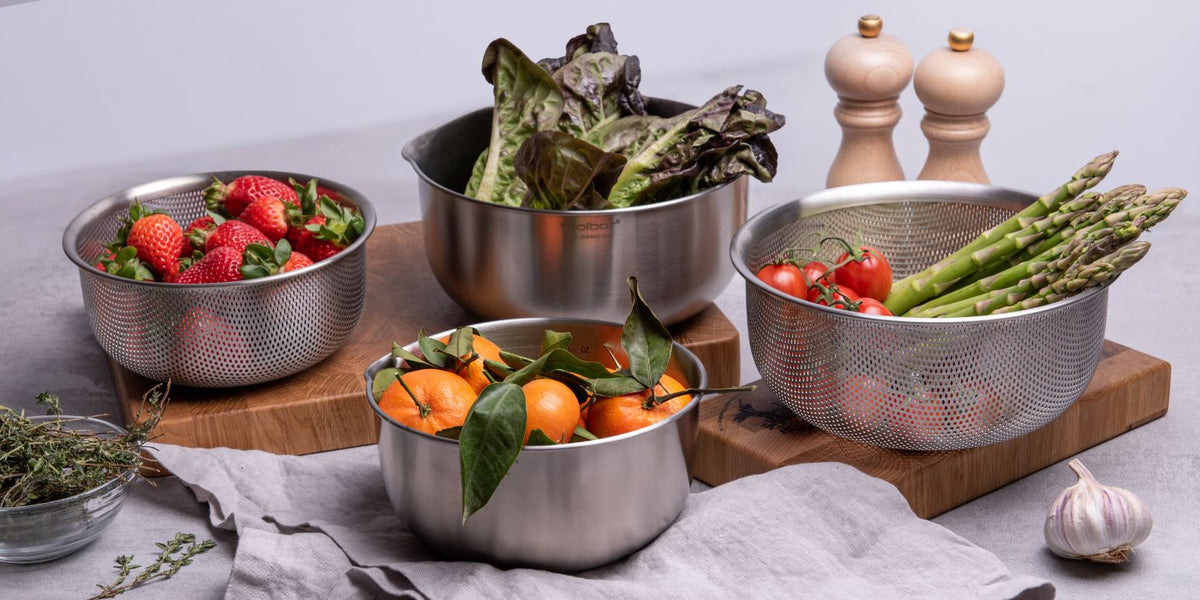
Mixing bowls are valuable before cooking begins. They support mise en place, a French cooking practice that means preparing and arranging ingredients before you start.
You can use several small bowls to hold chopped onions, minced garlic, herbs, spices, and measured liquids. This keeps the recipe organized and helps you avoid searching for ingredients while a pan is already hot.
A large mixing bowl can hold:
• Chopped vegetables before roasting
• Potatoes before baking or frying
• Pasta before adding sauce
• Shredded chicken for sandwiches or tacos
• Ground meat for meatballs or meatloaf
• Fruit for a dessert or snack
• Rice, beans, or grains for a cold salad
This preparation method saves time and reduces mistakes. It also makes cooking feel calmer, especially when preparing a meal for guests.
Mixing bowls can also help with portioning. For example, you might combine ingredients in one large bowl, then divide the finished mixture into meal containers.

What are mixing bowls used for besides mixing?
The name can make mixing bowls sound limited, but they have many other uses. They can act as prep containers, storage dishes, proofing vessels, and serving bowls.
Proofing yeast dough
A deep bowl gives bread dough space to rise. Lightly oil the inside of the bowl, place the dough inside, and cover it with a clean towel, reusable cover, or plastic wrap.
The bowl should be large enough for the dough to double in size. Glass and stainless steel bowls are popular for this task because they are easy to clean and do not absorb odors.
Chilling ingredients
You can place many mixing bowls in the refrigerator to chill dough, fruit, cream, salad, or prepared ingredients. Glass and stainless steel are especially useful because they remain stable at cool temperatures.
Always check the manufacturer’s instructions before placing a bowl in the freezer. Sudden temperature changes can cause some glass or ceramic bowls to crack.
Storing prepared food
Some bowls come with tight-fitting lids. These bowls are useful for storing leftovers, marinated food, chopped vegetables, and prepared dough.
A bowl without a lid can still be covered with a plate, silicone cover, or food-safe wrap. Store food promptly and follow safe chilling practices. Perishable food should not sit at room temperature for long periods.
Serving food
Ceramic, glass, and attractive stainless steel bowls can move from the kitchen to the table. They are useful for serving salads, pasta, fruit, grains, and side dishes.
A serving bowl is often wider and more decorative than a basic prep bowl. Still, many mixing bowls can serve both purposes.
Melting ingredients
A heat-safe glass or stainless steel bowl can sit over a saucepan to create a double boiler. This method gently melts chocolate, butter, or sugar.
The bowl should sit securely above the water without touching it. Use caution, since the bowl and its contents can become hot.

Types of mixing bowls and their best uses
The material affects how a mixing bowl performs. Each type has strengths and limits.
Stainless steel mixing bowls
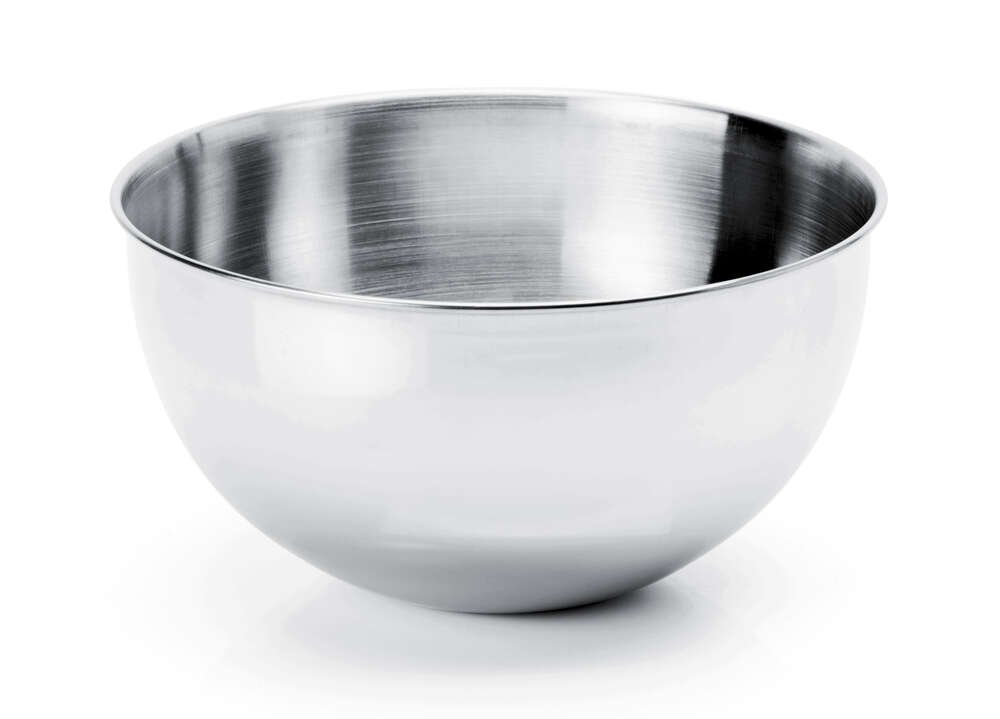
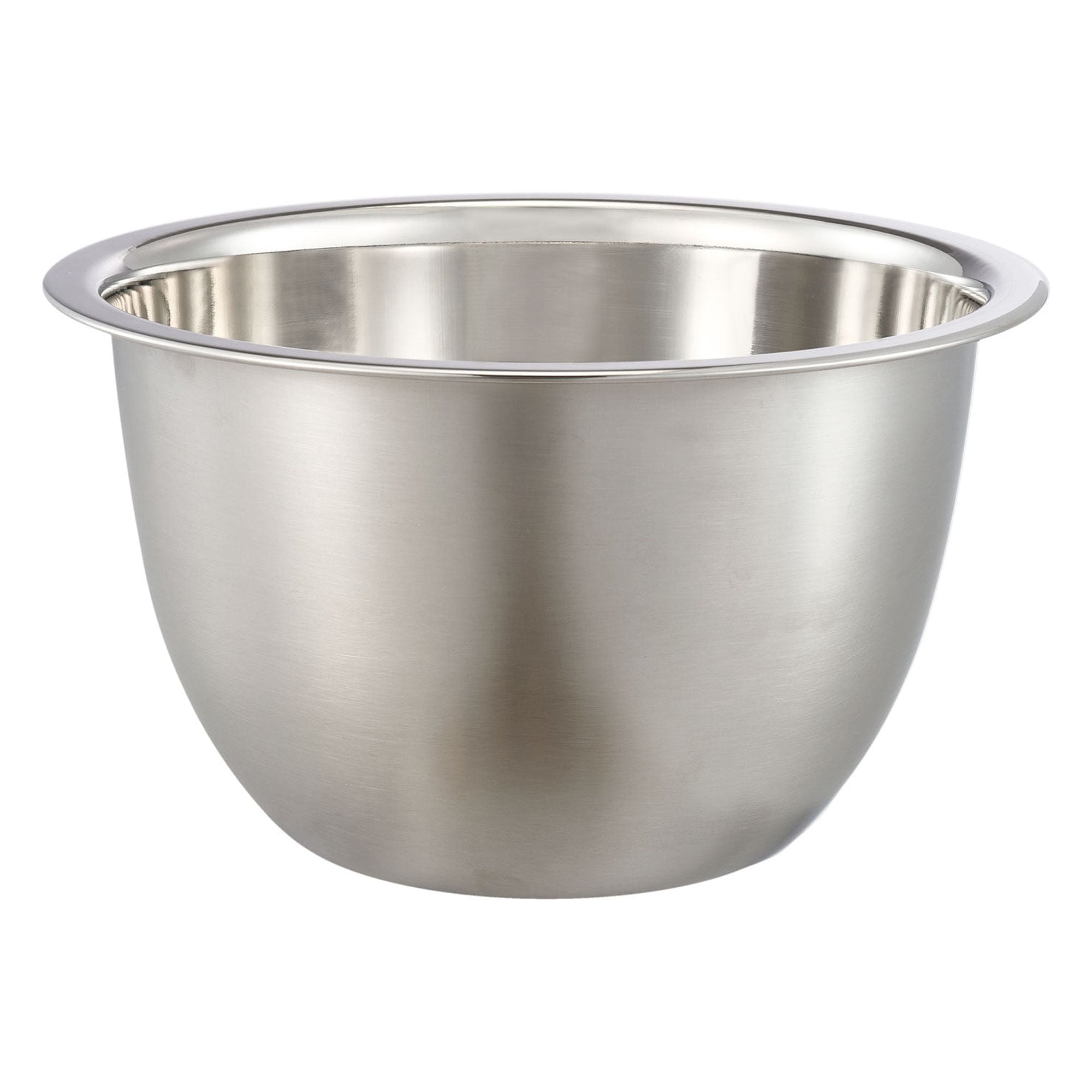
Stainless steel bowls are light, strong, and resistant to stains and odors. They are excellent for whisking, tossing, marinating, and using with an electric mixer.
They also work well over a pot of simmering water. However, they can become hot or cold quickly, and they are not microwave-safe.
Glass mixing bowls
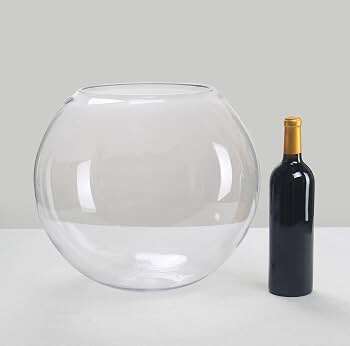
Glass bowls let you see the ingredients as you work. Many are microwave-safe and can move from preparation to serving.
Their main drawback is weight and breakage risk. Avoid sudden temperature changes unless the bowl is specifically designed to handle them.
Plastic mixing bowls
Plastic bowls are light, affordable, and less likely to break. They are useful for children, outdoor cooking, and large-batch preparation.
Plastic can absorb strong smells or become scratched over time. Use only food-safe plastic, and follow the label for microwave and dishwasher use.
Ceramic mixing bowls
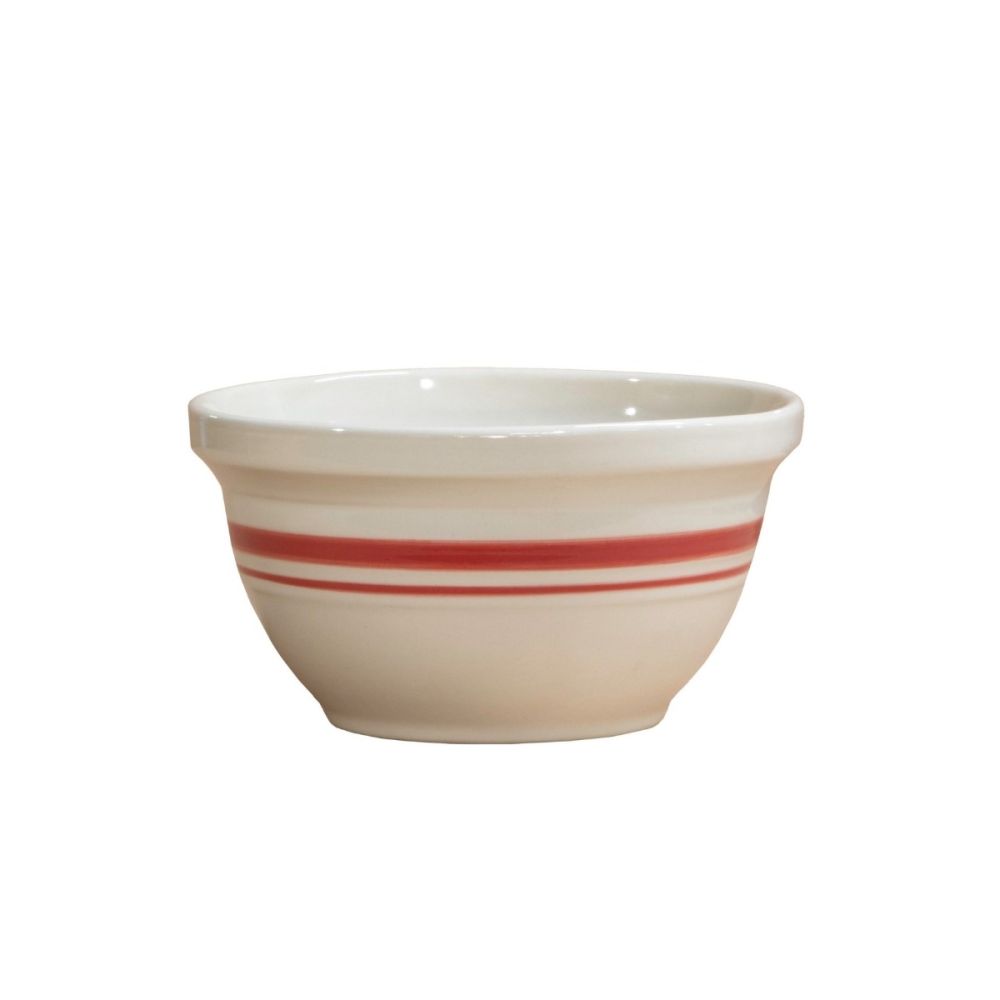
Ceramic bowls are attractive and often heavy enough to stay in place. They work well for serving, mixing, and baking preparation.
Their weight can be tiring during long mixing tasks. Glazed surfaces may also chip if handled roughly.
Silicone mixing bowls
Silicone bowls are flexible, light, and easy to store. Some can be folded or squeezed to pour batter into a pan.
They are useful for baking and small kitchens. Low-quality silicone may hold odors, so choose products labeled as food-grade and heat-safe.
How to choose the right mixing bowl
Knowing what are mixing bowls used for helps you choose bowls that match your cooking habits. You do not need a large collection, but a few useful sizes can cover most recipes.
Consider these features:
• Size: A small bowl suits sauces and whisked eggs, while a large bowl suits salads and dough.
• Stability: A rubber base or heavy bottom helps prevent sliding.
• Shape: Rounded sides support whisking and folding.
• Spout: A pouring lip helps with batter, sauces, and liquids.
• Handles: Side handles improve control when the bowl is full.
• Lids: A fitted lid makes storage easier.
• Measurement marks: Interior marks can help with quick measuring, though they should not replace precise measuring tools.
• Nesting design: Stackable bowls save cabinet space.
• Cleaning: Smooth surfaces are easier to wash and sanitize.
• Mixer safety: Choose a deep bowl if you use a hand mixer.
A practical starter set may include a small bowl, a medium bowl, and a large bowl. For many home cooks, sizes from about 1 to 5 quarts cover most basic tasks.
Do not choose a bowl based only on appearance. A beautiful bowl that slides, chips, or is too shallow may frustrate you. In daily use, balance and function matter more than decoration.

How to use mixing bowls safely and effectively
Mixing bowls are simple tools, but good habits improve safety and results.
-
Check the bowl before use. Do not use glass or ceramic bowls with cracks, chips, or deep scratches.
-
Match the bowl to the task. Use a microwave-safe bowl for microwave heating and a heat-safe bowl for a double boiler.
-
Leave room for movement. Fill the bowl only partway when whisking or using an electric mixer.
-
Keep raw and ready-to-eat foods separate. Use clean bowls for salads, fruit, and cooked food after handling raw meat.
-
Wash bowls well after contact with raw animal products. Use hot, soapy water and follow local food safety guidance.
-
Avoid sudden temperature changes. Do not pour boiling liquid into a cold glass bowl unless the product is rated for that use.
-
Dry bowls fully before storing them. Moisture trapped between nested bowls can create odors.