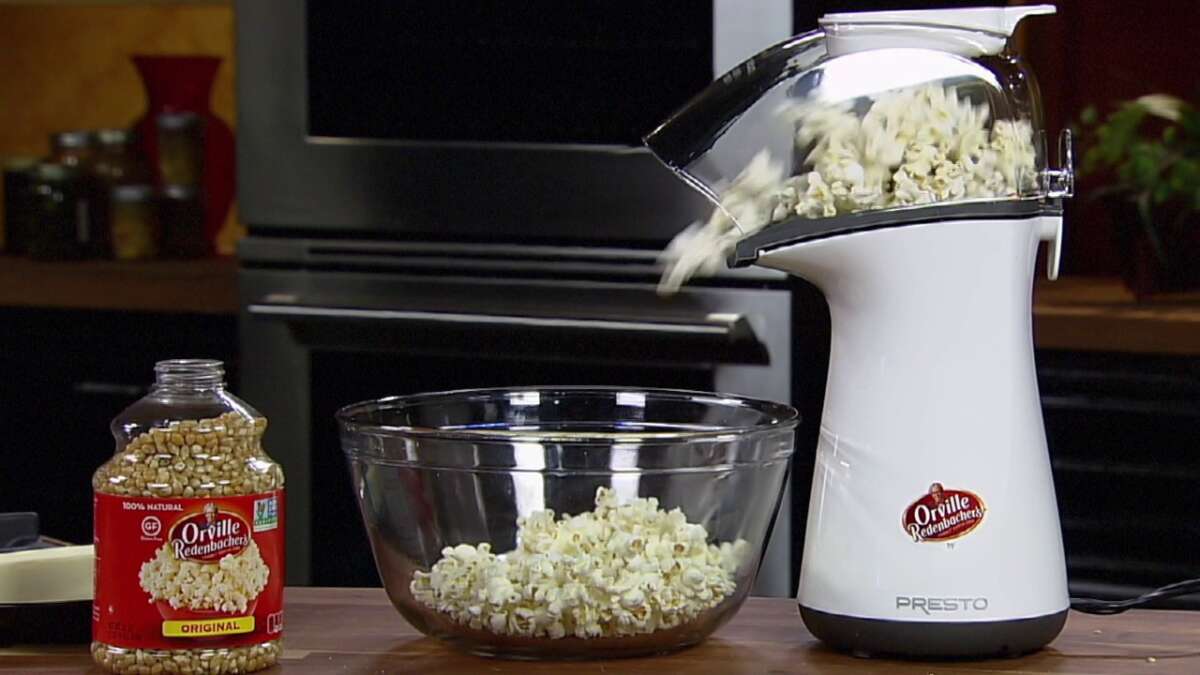
How To Use Air Popcorn Maker: Easy Guide
To use an air popcorn maker, add kernels, place the chute and bowl, then switch it on until popping slows.
Learning how to use an air popcorn maker is simple, but small details affect taste, safety, and cleanup. With the right kernel amount, proper bowl placement, and smart seasoning, you can make light popcorn in minutes without adding oil to the machine.
What Is an Air Popcorn Maker?
An air popcorn maker uses hot air to pop kernels. A heating chamber warms the air, then a small fan moves that air around the kernels. When the moisture inside each kernel turns to steam, pressure builds until the hull bursts open.
Unlike a stovetop pot or oil popper, an air popper does not need cooking oil during the popping process. This makes it a useful choice if you want plain popcorn with less added fat.
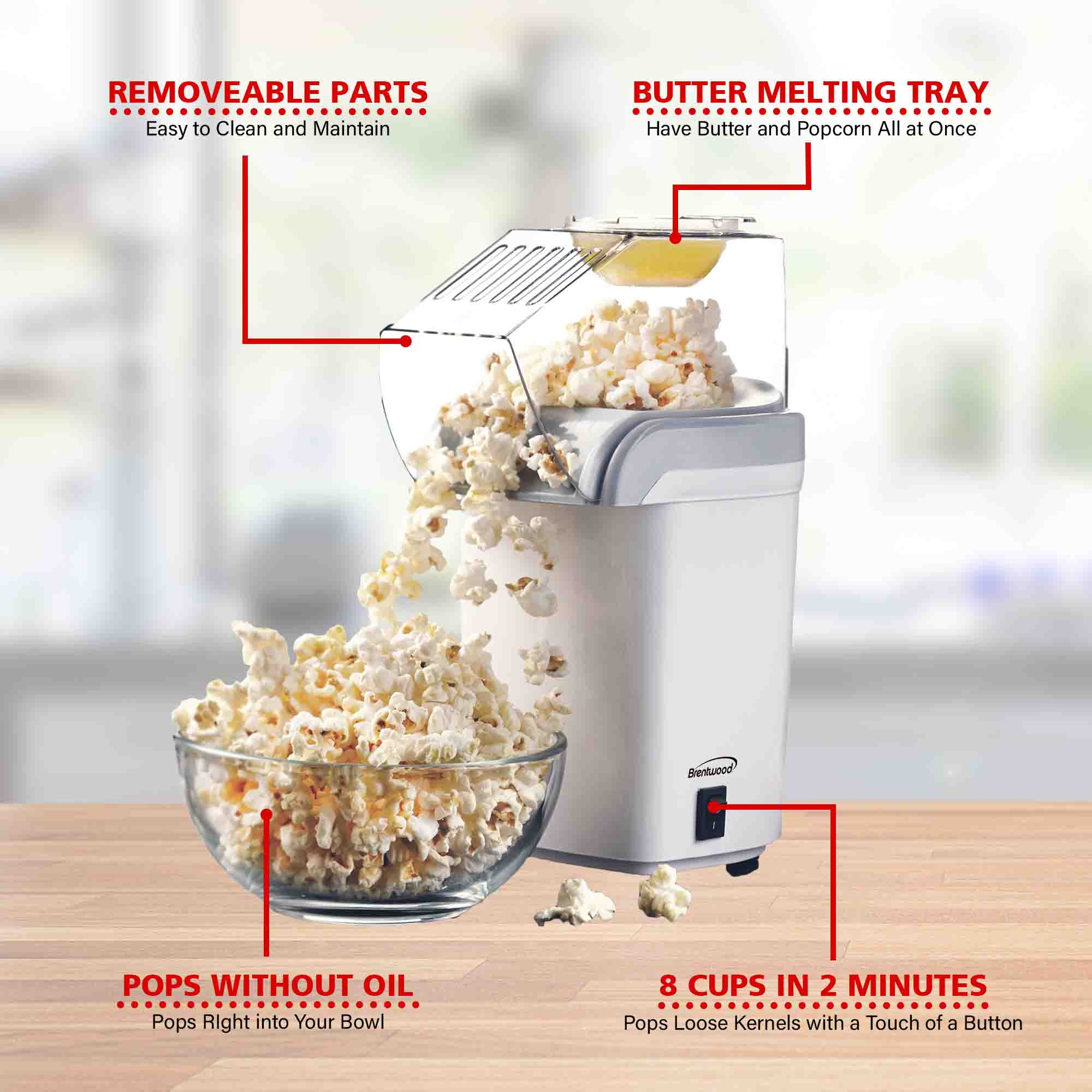
Most air poppers have four basic parts:
• Heating base: This contains the heating element and fan.
• Kernel chamber: This holds the unpopped corn.
• Popcorn chute: This directs popped corn into a bowl.
• Measuring cup or lid: This often measures kernels and covers the chamber.
An air popper is not the same as a microwave popcorn bag. Microwave bags often contain oil, salt, and flavoring. An air popper uses plain popcorn kernels, so you control the ingredients.
How to Use an Air Popcorn Maker Step by Step
The best way to learn how to use an air popcorn maker is to follow a simple routine. Always check your model’s manual first because chamber size, run time, and safety features can differ.
1. Place the popper on a safe surface
Set the machine on a dry, flat, heat-resistant counter. Keep it away from the edge of the counter, curtains, cabinets, and other items that could block airflow.
The vents need open space. Never place the popper inside a cabinet or under a low shelf while it runs.
2. Choose the right popcorn kernels
Use plain popcorn kernels labeled for popping. Yellow and white kernels both work well, although white kernels often produce smaller, more tender pieces.
Avoid kernels that are damp, stale, or mixed with oil and seasoning. Extra moisture or oil can affect popping and may damage some machines.
3. Measure the kernels
Use the measuring cup that comes with the air popper when possible. Many machines accept about one-half cup of kernels, but the correct amount depends on the model.
Do not fill the chamber beyond the recommended line. Too many kernels can clog the chute, reduce airflow, and leave more unpopped corn.
4. Add the kernels to the chamber
Remove the measuring cup or lid as directed. Pour the kernels into the popping chamber, then replace the cover.
Do not add butter, oil, salt, sugar, caramel, or cheese powder to the chamber. These ingredients can burn, block airflow, or harm the heating unit.
5. Place a large bowl under the chute
Choose a bowl that is wide and tall enough to catch the popcorn. A shallow bowl may let popcorn bounce onto the counter.
Leave enough room for the popcorn to expand. A small amount of kernels can create a surprisingly large bowl of popcorn.
6. Turn on the machine
Plug in the popper and turn it on. Most air poppers begin popping within a few seconds.
Stay nearby while it runs. Hot popcorn may move quickly through the chute, and some models can become warm after several minutes.
7. Turn it off when popping slows
Watch and listen as the kernels pop. Turn off the machine when there are about two to three seconds between pops.
Do not wait until every kernel pops. A few unpopped kernels are normal, and running the machine too long can scorch the popcorn or overheat the unit.
8. Season the popcorn after popping
Unplug the popper and let it cool as the manual recommends. Then add melted butter, cooking spray, salt, nutritional yeast, cinnamon sugar, or another topping.
Add seasoning in small amounts. Toss the popcorn after each addition so the flavor spreads evenly.

How Much Popcorn Can an Air Popper Make?
Air poppers often make about 16 cups of popped popcorn from one-half cup of kernels, although the final amount varies. Kernel size, moisture, and machine design all affect the yield.
A useful guide is:
• Two tablespoons of kernels make about four to six cups of popcorn.
• One-quarter cup of kernels makes about eight to 10 cups.
• One-half cup of kernels may make about 14 to 16 cups.
Follow the measuring guide for your model instead of guessing. Overfilling is one of the most common mistakes when learning how to use an air popcorn maker.
If you are serving one person, start with two or three tablespoons. You can always make another batch, but an overloaded chamber may pop unevenly.
The Best Way to Season Air-Popped Popcorn
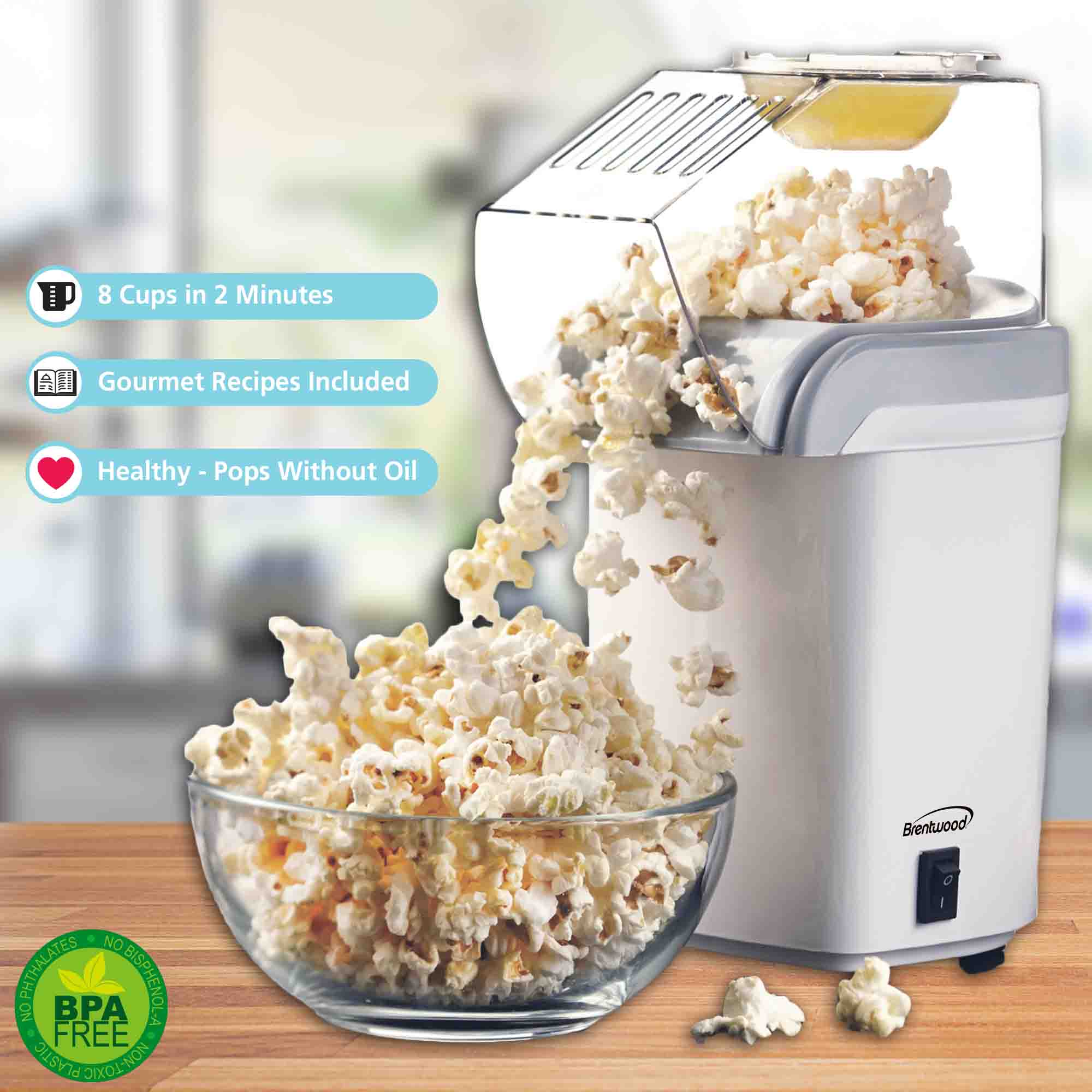
Air-popped popcorn is light and dry, so seasoning may fall to the bottom of the bowl. The trick is to add a small amount of moisture or fat to help the flavor stick.
Try these options:
• Melted butter: Drizzle it slowly while tossing the popcorn.
• Olive or avocado oil: Use a light mist rather than pouring heavily.
• Cooking spray: Spray briefly, toss, and repeat if needed.
• Fine salt: Powdered or finely ground salt sticks better than large crystals.
• Nutritional yeast: This adds a savory, slightly cheesy taste.
• Cinnamon sugar: Use it for a sweet snack, but toss carefully so it spreads well.
• Parmesan powder: Add it after the popcorn cools slightly.
Avoid pouring wet sauces over the entire bowl. Thick liquids can make the popcorn soggy. Add them in small amounts just before eating.
For a simple movie-night blend, try melted butter, fine salt, and a little smoked paprika. For a sweet version, use cinnamon, a small amount of sugar, and a light butter mist.

Common Mistakes to Avoid
Knowing how to use an air popcorn maker also means knowing what not to do. Most problems come from too many kernels, poor airflow, or ingredients added at the wrong time.
Avoid these mistakes:
• Adding oil to the popping chamber: Air poppers are designed to pop with hot air.
• Filling past the recommended limit: This can cause overflow and uneven popping.
• Blocking the vents: Blocked vents may cause overheating.
• Using a narrow bowl: Popcorn can clog the chute or spill onto the counter.
• Running the machine too long: Long cycles may burn popped corn and stress the motor.
• Touching the chute during use: Some parts become very hot.
• Reusing many old kernels: Old kernels may contain too little moisture to pop well.
• Cleaning the base under running water: Water can damage electrical parts.
• Leaving the popper unattended: A small appliance still produces heat and moving air.
One lesson many home cooks learn quickly is that more kernels do not always mean more popcorn. A smaller, well-popped batch is better than a large batch that jams the chute.
Air Popper Safety Tips
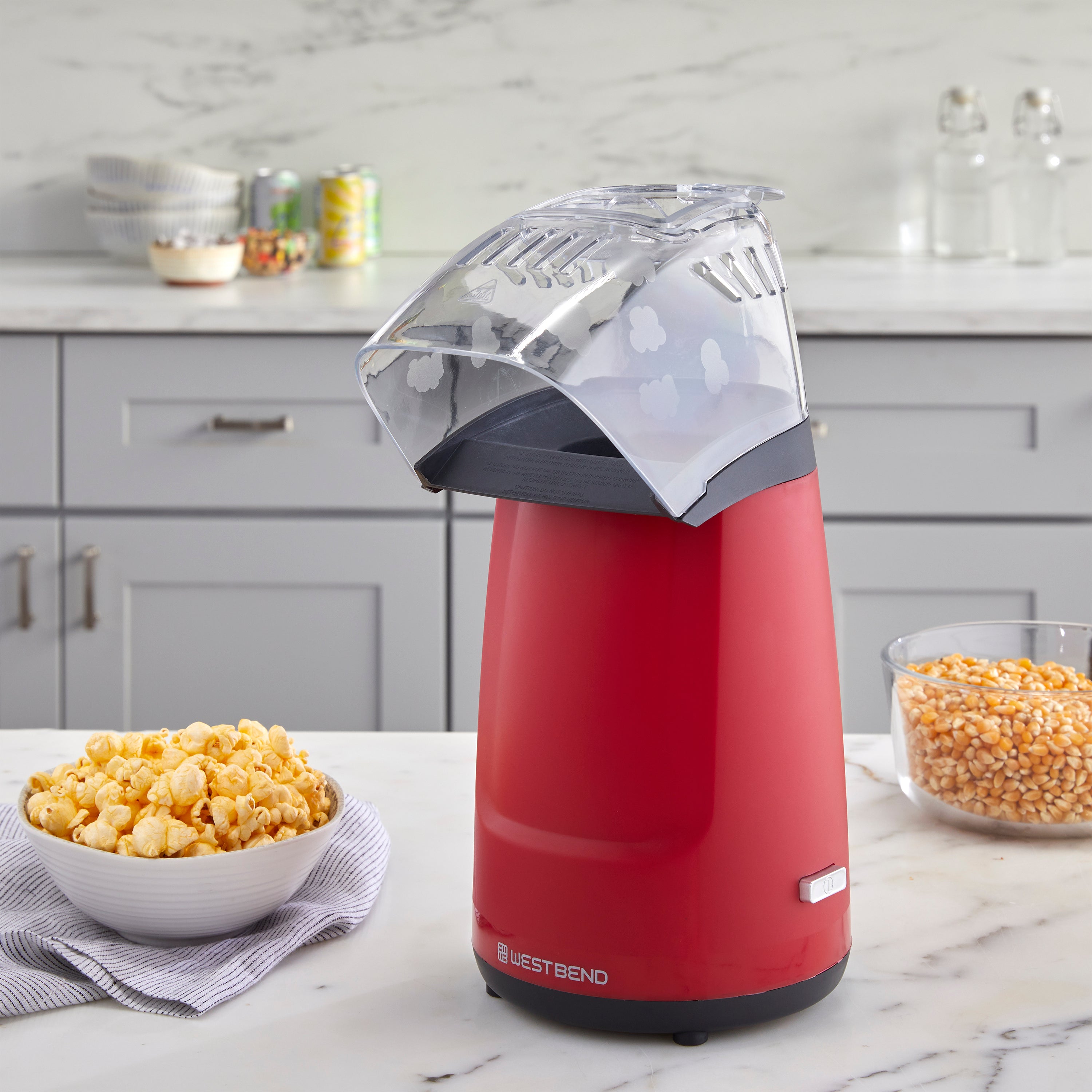
An air popcorn maker is generally easy to use, but it still contains a heating element and electrical parts. Basic care lowers the risk of burns, smoke, and damage.
Use these safety habits:
• Read the instructions before the first use.
• Keep children away from the hot chute and popping chamber.
• Use heat-resistant mitts if the lid or cup feels hot.
• Do not cover the vents while the machine runs.
• Unplug the unit before cleaning.
• Let the machine cool fully before storing it.
• Stop using it if you notice a damaged cord, sparks, burning odors, or unusual noise.
The U.S. Department of Agriculture advises following appliance instructions and handling hot foods carefully. Your air popper’s manual is the most accurate guide for its maximum fill level and cooling time.
Never try to remove stuck kernels with a metal utensil while the popper is plugged in. Disconnect the power first, then wait for the machine to cool.

How to Clean an Air Popcorn Maker
Cleaning an air popcorn maker helps prevent old flavor, dust, and oil residue from building up. Even though the machine uses no oil for popping, butter and toppings can still leave residue in the bowl and lid.